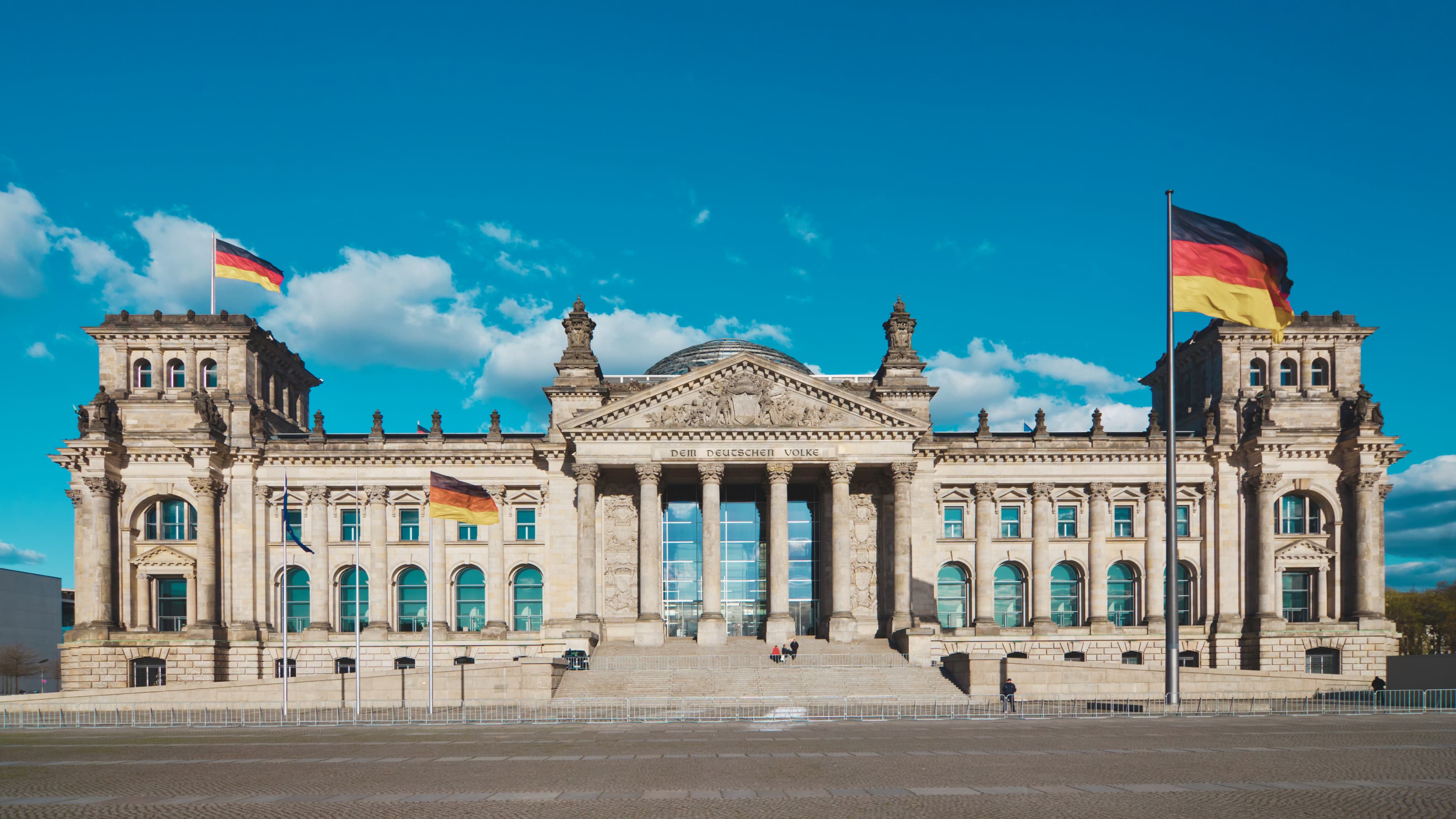
Federal Republic of Germany
Central Europe
General Info
Popular Cities
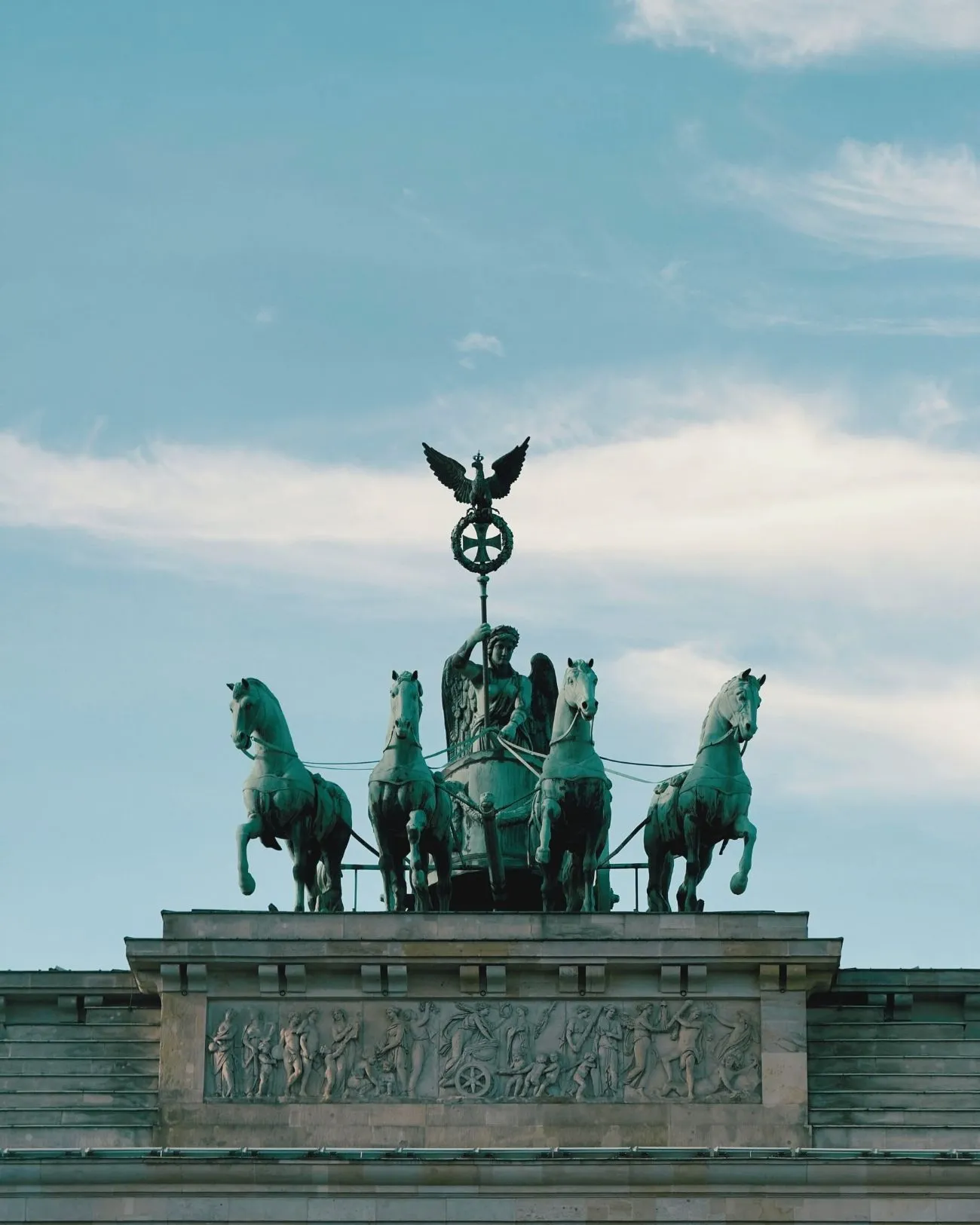
Berlin
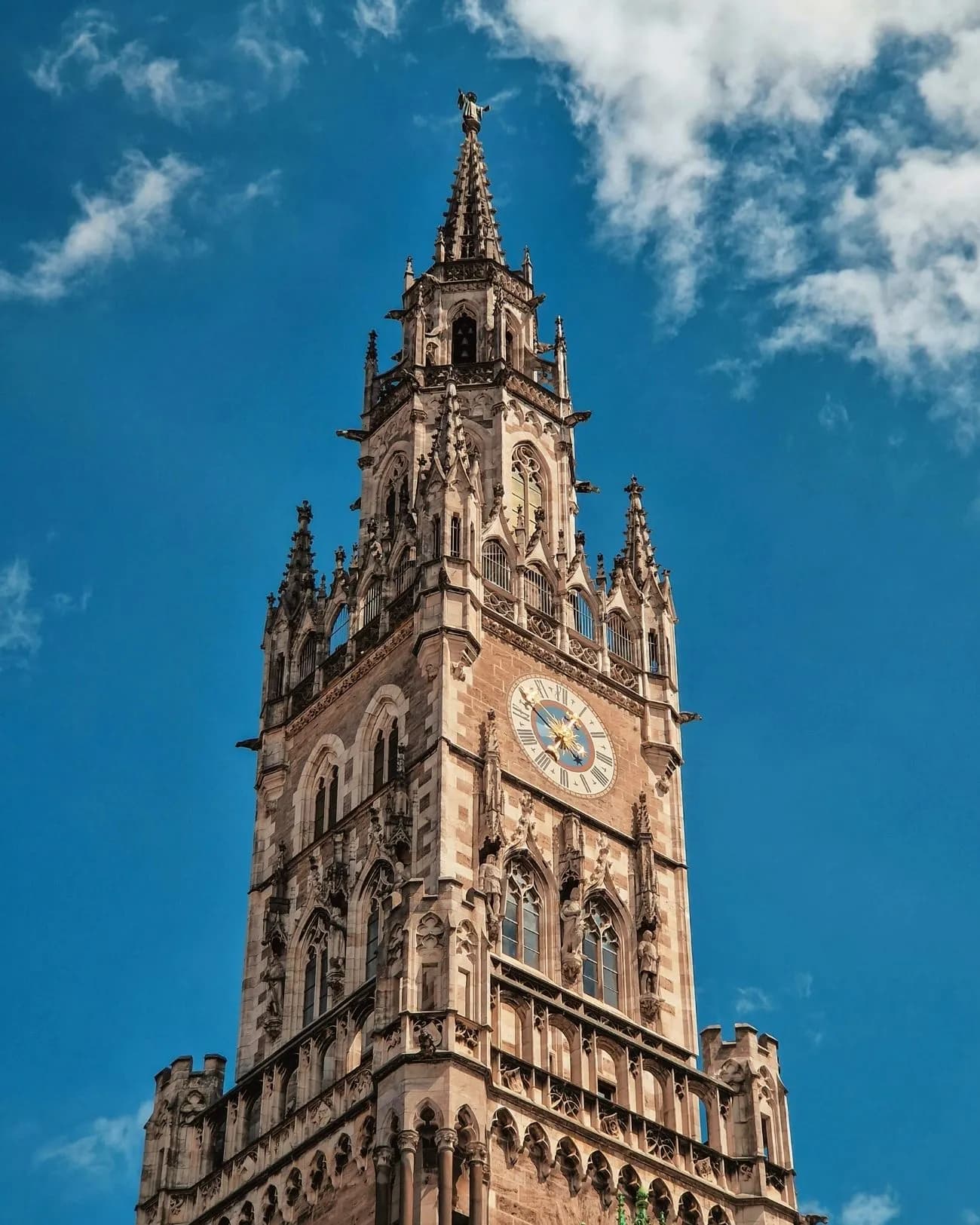
Münih
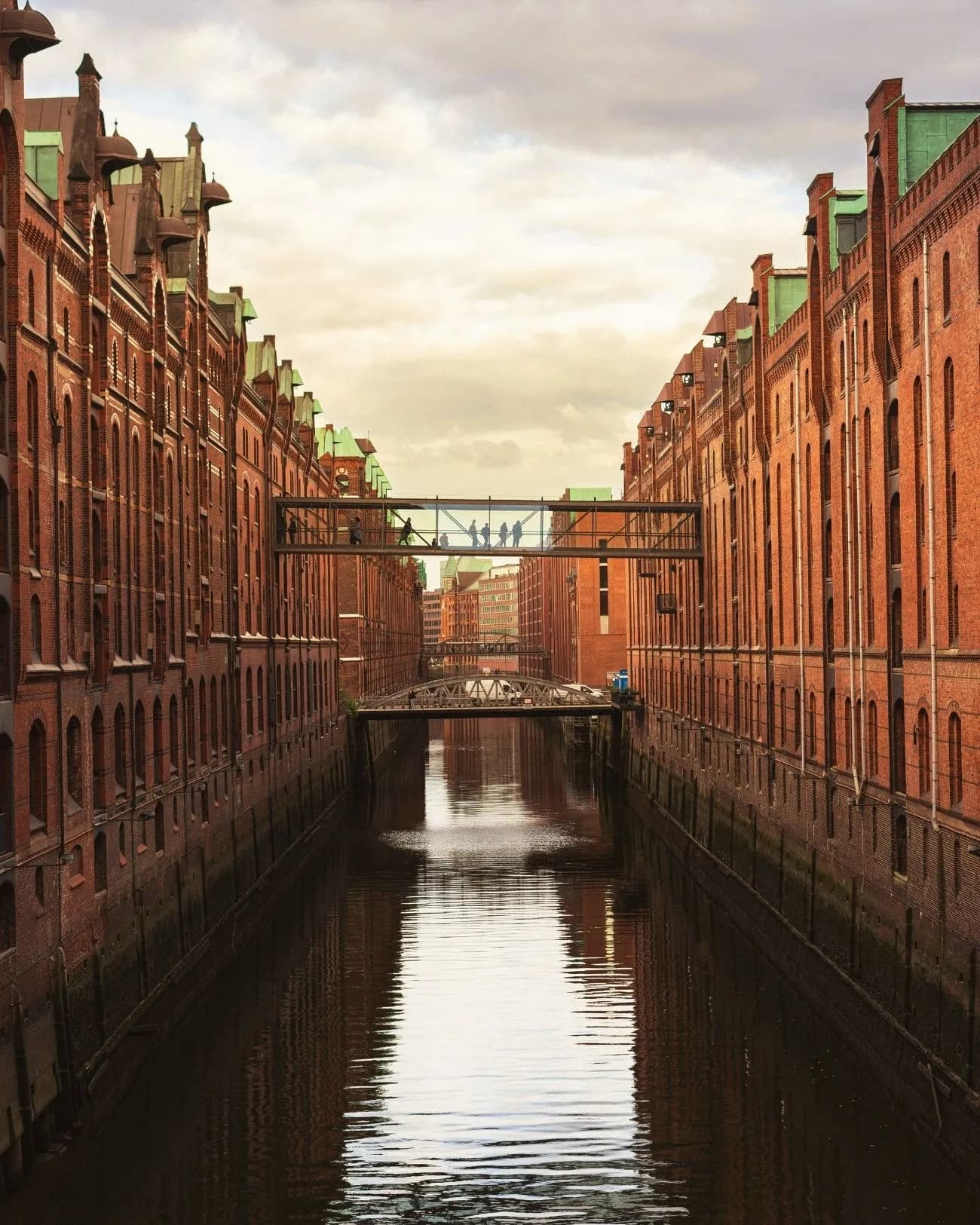
Hamburg
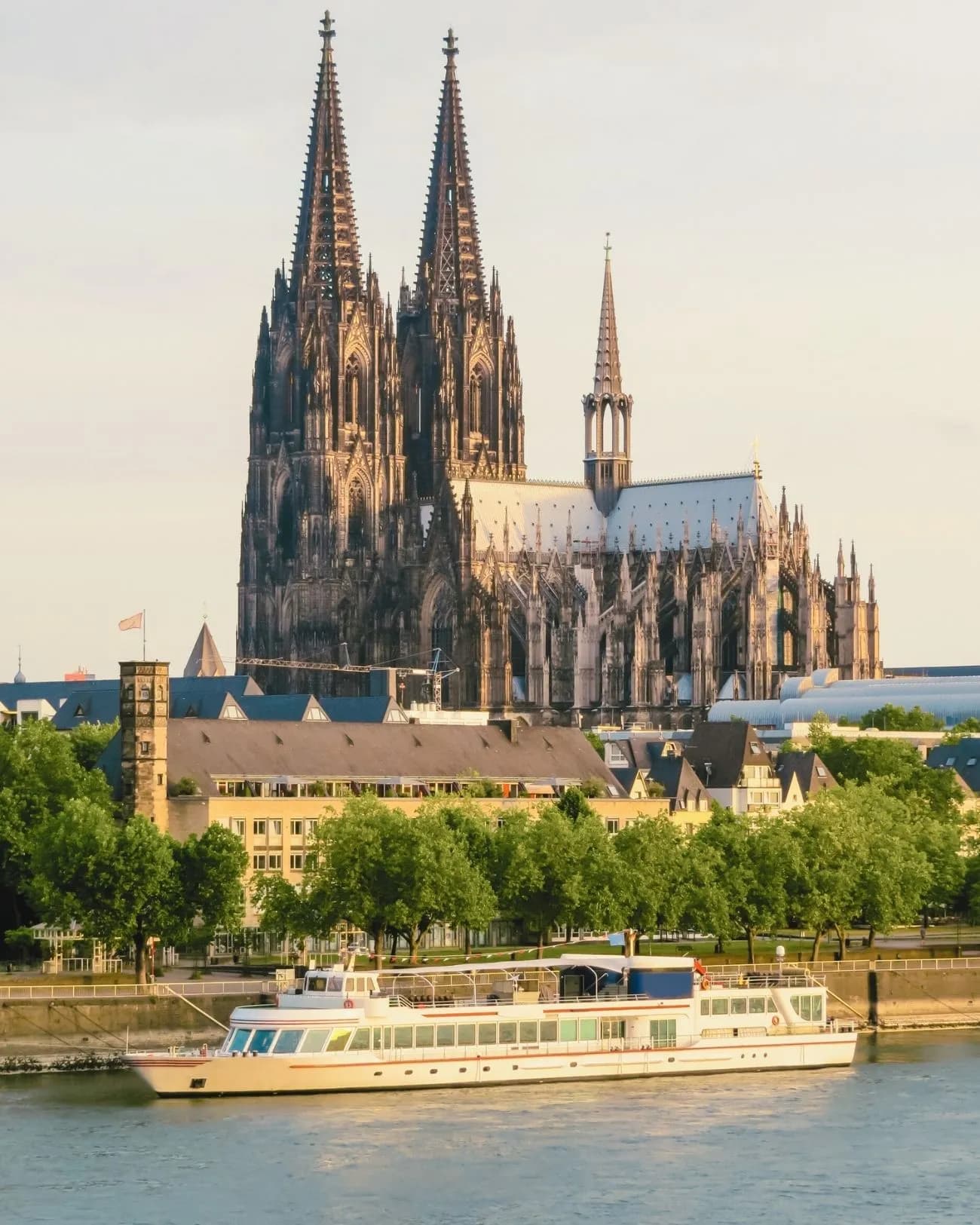
Köln
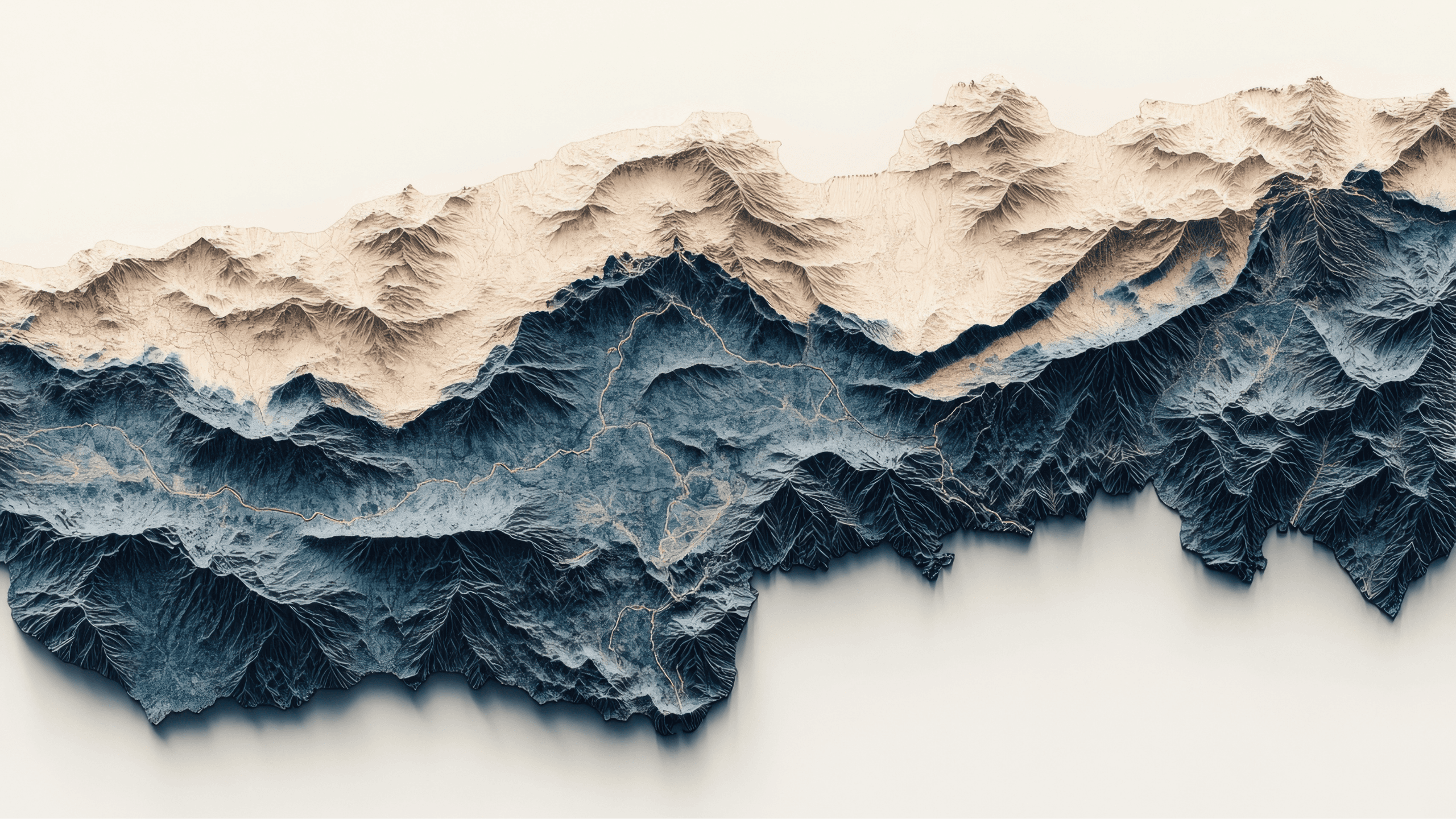
Geography & Physical Structure
Elevation
Average 262m. Highest point: Zugspitze (2,962m)
Location
Central Europe. Bordered by Denmark to the north, Poland and Czechia to the east, Austria and Switzerland to the south, and France, Luxembourg, Belgium, and the Netherlands to the west.
Area
357,022 km²
Water Resources
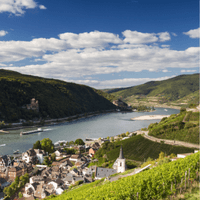
Rhine, Danube, and Elbe rivers. Lake Constance.
Climate Features
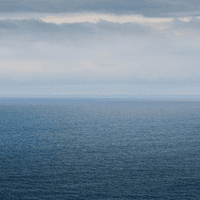
Germany generally experiences a temperate oceanic climate. Winters are cool and cloudy, while summers are warm. During summer months, temperatures can exceed 30°C (86°F). A mountain climate prevails in the Alpine regions.
Flora & Vegetation
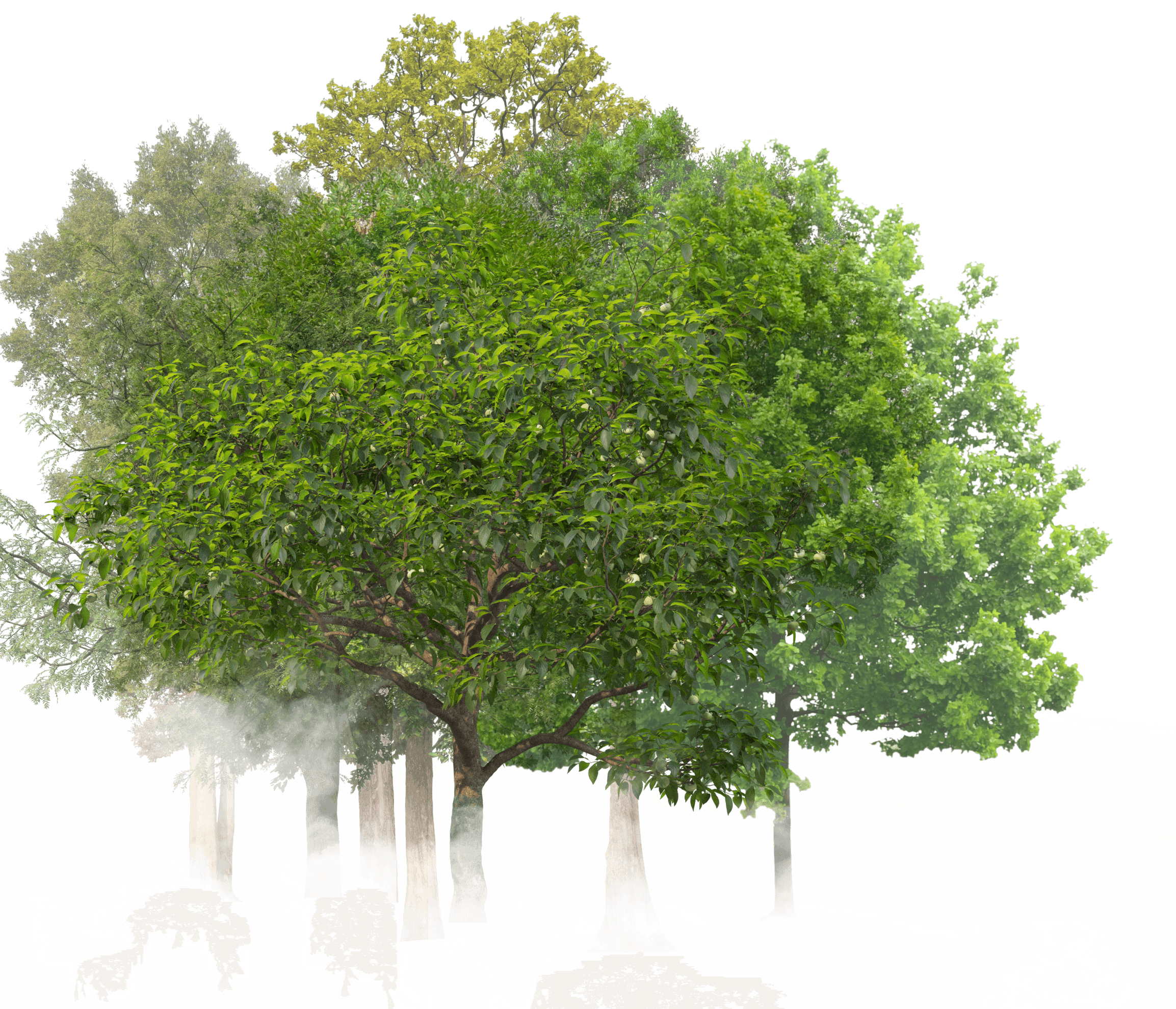
30% of the country is covered by forests. Oak, beech, and spruce trees are common. The Black Forest region is exceptionally rich in vegetation.
Wildlife & Fauna
Deer, wild boar, fox, and beaver are widespread. Eagles can be spotted in the Alpine region. Urban wildlife is active due to the high number of parks even within cities like Berlin.
Demographics & Society
Ethnic Groups
87% of the population are German citizens. Turks (1.5M+) form the largest minority group, followed by Poles and Syrians.
Family & Society
The traditional extended family structure has been replaced by the nuclear family. Individuality is highly valued. The average household size is 2 people. Social hierarchy is low and merit-based.
Education
Literacy rate is 99%. Compulsory education lasts 9-10 years. Germany is world-renowned for its 'Dual Education System' (Vocational + Theoretical). 30% of the population are university graduates.
Historical Journey
Germany's history is a complex and profound journey extending from the encounter of Germanic tribes with the Roman Empire to today's modern and democratic structure. Every era, from the Holy Roman Empire to the Reformation, from the World Wars to the fall of the Berlin Wall, has shaped the country's identity.
Food & Drink Culture
German cuisine is hearty, meat-oriented, and features high regional diversity. Potatoes, bread, and pork play leading roles. From the rich platters of Bavaria to the fish culture of the North, every region offers its own culinary heritage.
Meal Patterns
The day starts with an early and hearty breakfast (Frühstück). The main meal is usually a warm lunch (Mittagessen - 12:00-14:00). Dinner (Abendbrot) is typically lighter, consisting of bread, cheese, and cold cuts. The famous 'Coffee and Cake' (Kaffee und Kuchen) time is also a popular afternoon tradition.
Table Etiquette
Before starting a meal, it is customary to say 'Guten Appetit' (Enjoy your meal). The fork is held in the left hand and the knife in the right. Hands should remain visible; keep your wrists on the table rather than in your lap.
Tap Water Safety
Tap water is of excellent quality and perfectly safe to drink. However, asking for tap water in restaurants is uncommon. When ordering water, it is usually bottled, and the server will ask if you prefer it sparkling (mit Kohlensäure) or still (stilles).
Restrictions (Alcohol/Meat)
There are no general restrictions. Pork (Schwein) is the most consumed type of meat. Beer culture is very strong; the legal age for consuming beer and wine is 16, while it is 18 for spirits.
Drink Rituals
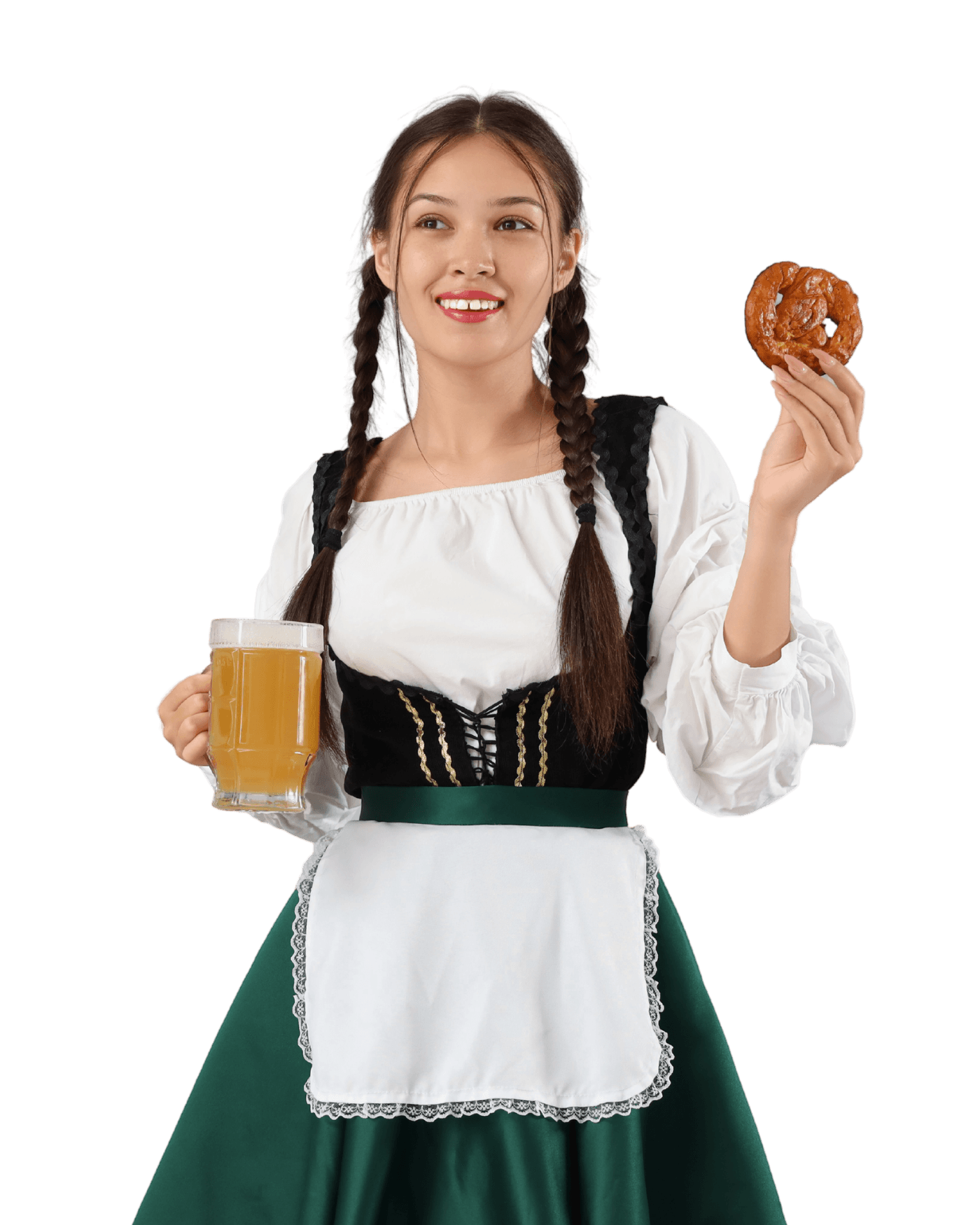
When making a toast, it is essential to say 'Prost!' and maintain direct eye contact. Not making eye contact is considered rude and, according to local superstition, brings seven years of bad luck. Beer gardens (Biergarten) are vital social hubs, especially in Bavaria.
Tipping & Bill
Service charges are usually included in the bill, but it is polite to leave a tip (Trinkgeld) of 5-10% or round up the total (e.g., if it's €18.50, saying '€20, please').
Popular Tastes
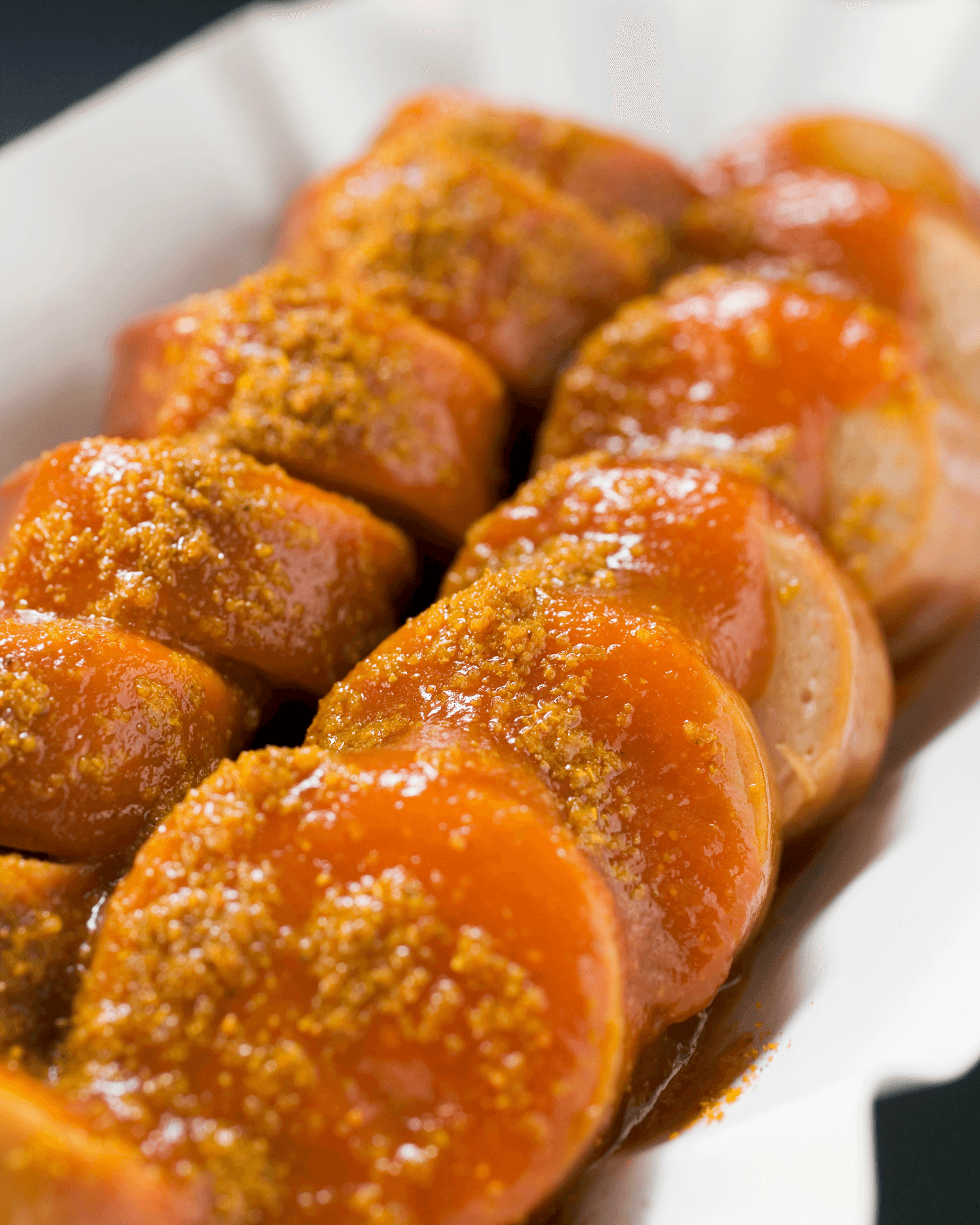
Currywurst
A fried sausage served with a special curry ketchup sauce; a street food icon of Berlin.
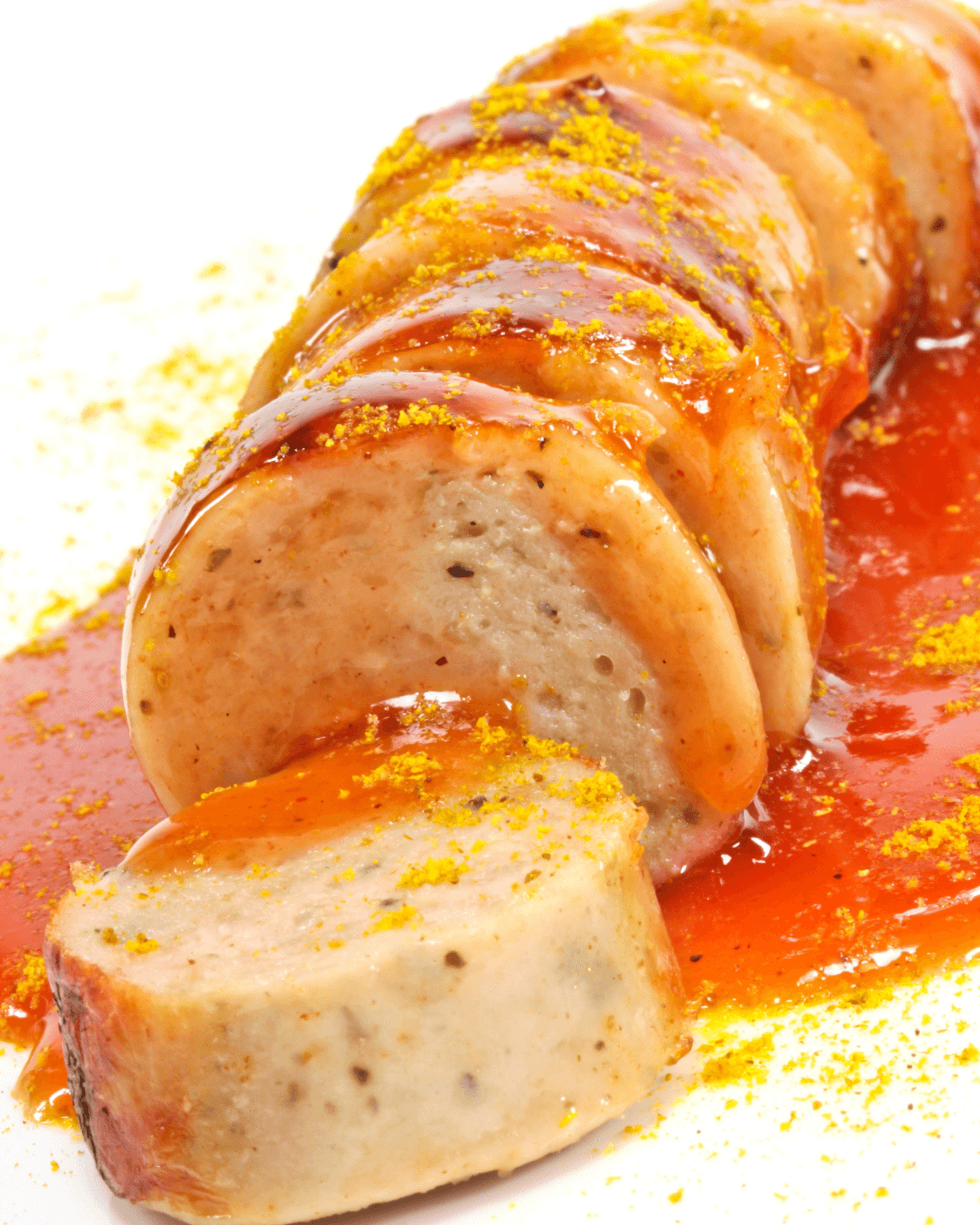
Weisswurst
A traditional Bavarian boiled white sausage. Traditionally eaten at breakfast with sweet mustard and a pretzel.
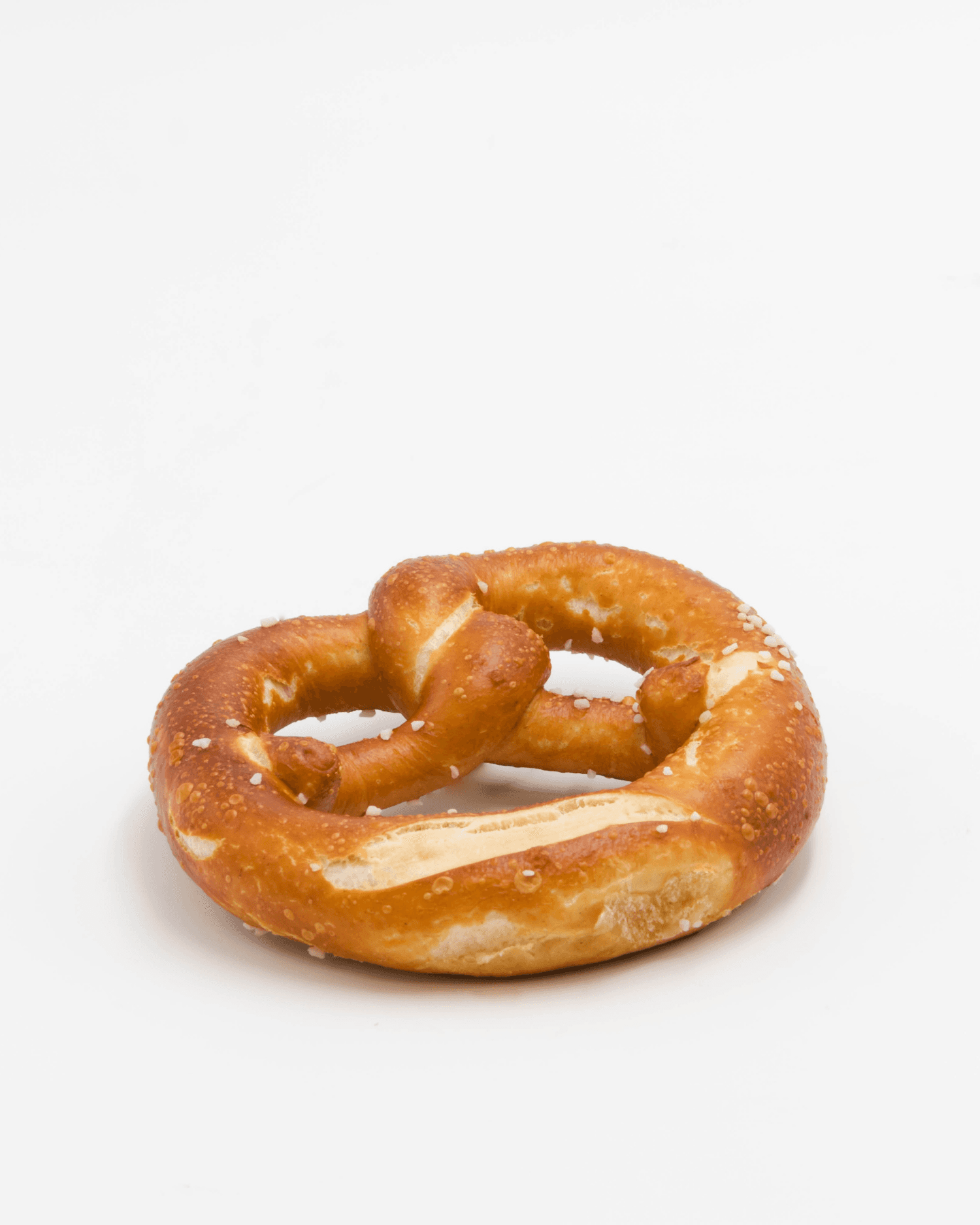
Bretzel (Pretzel)
A famous knotted bread with a dark, crispy crust, soft interior, and large salt grains.
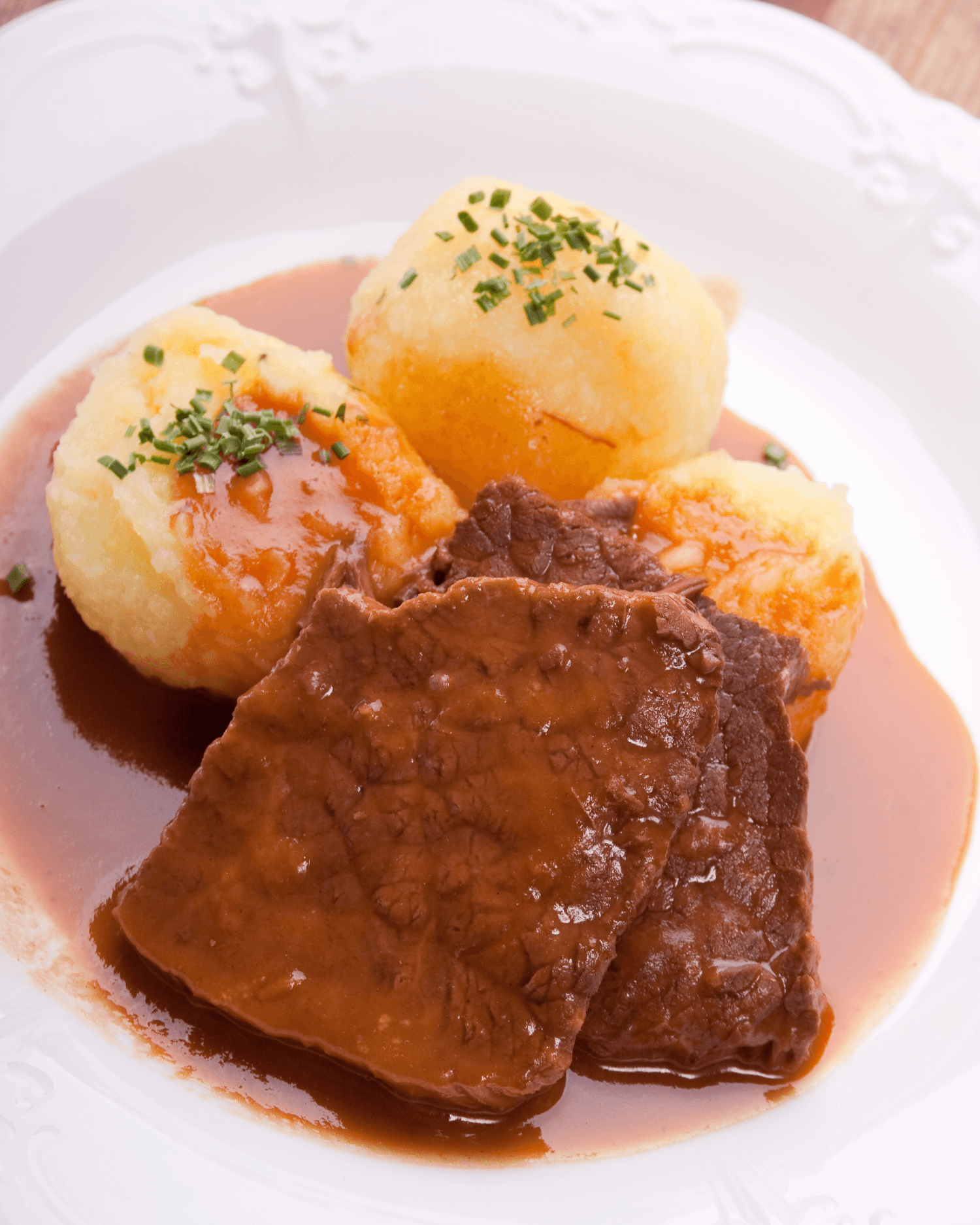
Sauerbraten (Pot Roast)
A pot roast where the meat is marinated for days in vinegar and spices, then slow-cooked; served with a sweet-sour sauce.
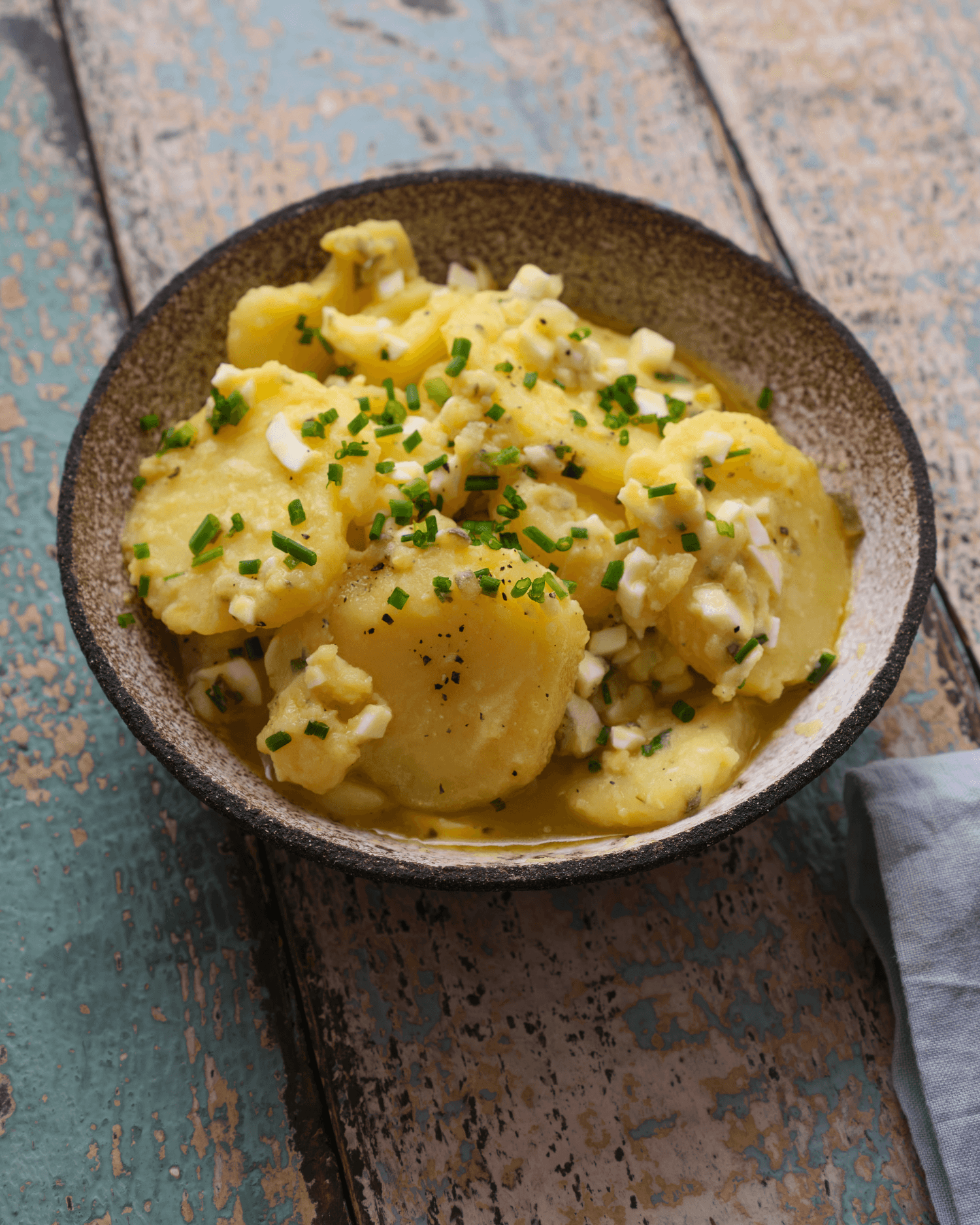
Kartoffelsalat (Potato Salad)
A cornerstone of German cuisine. Served with mayonnaise in the North, and warm with broth and vinegar in the South.
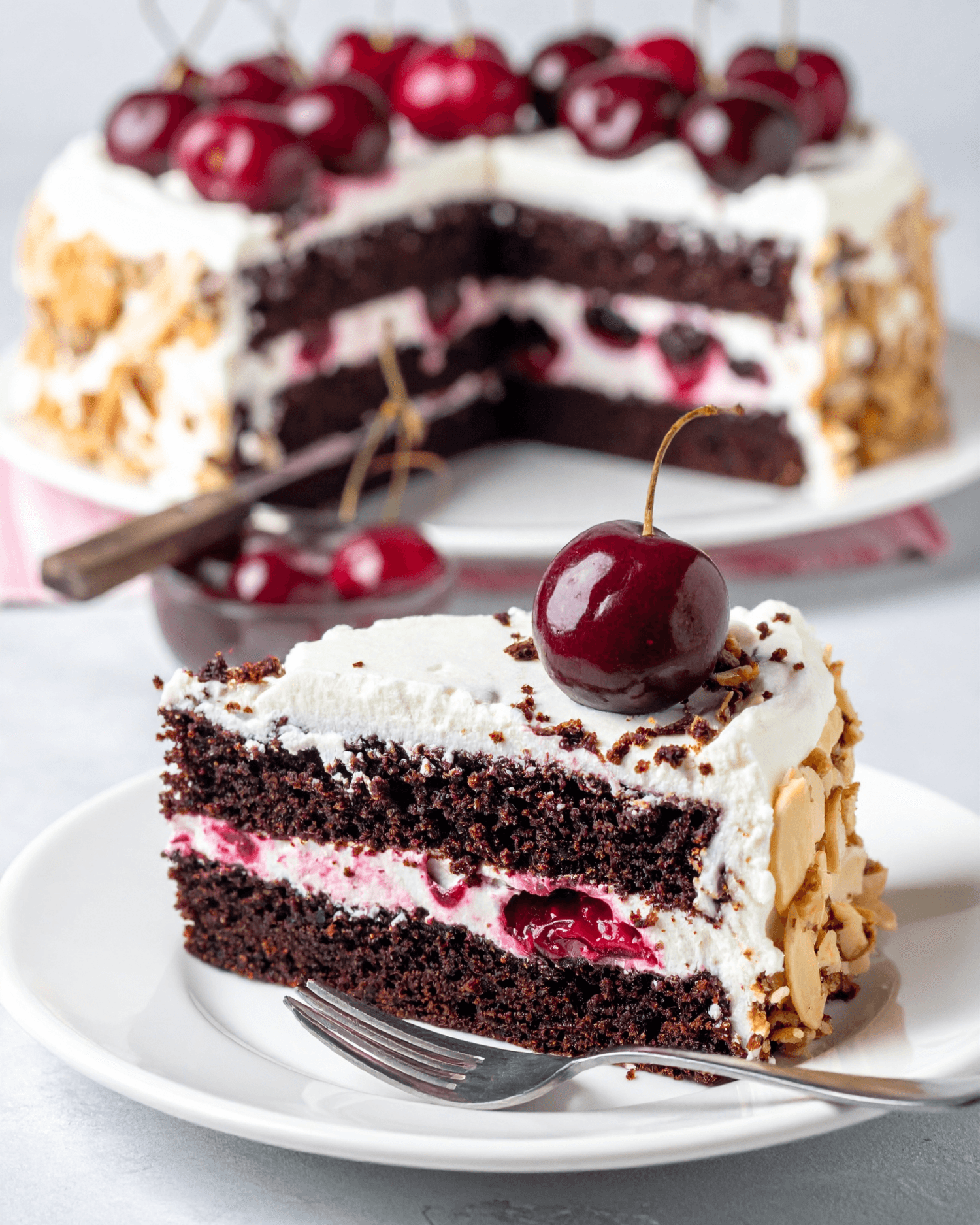
Schwarzwälder Kirschtorte
Black Forest Cake. A legendary combination of cake soaked in cherry schnapps (Kirschwasser), cream, cherries, and chocolate.
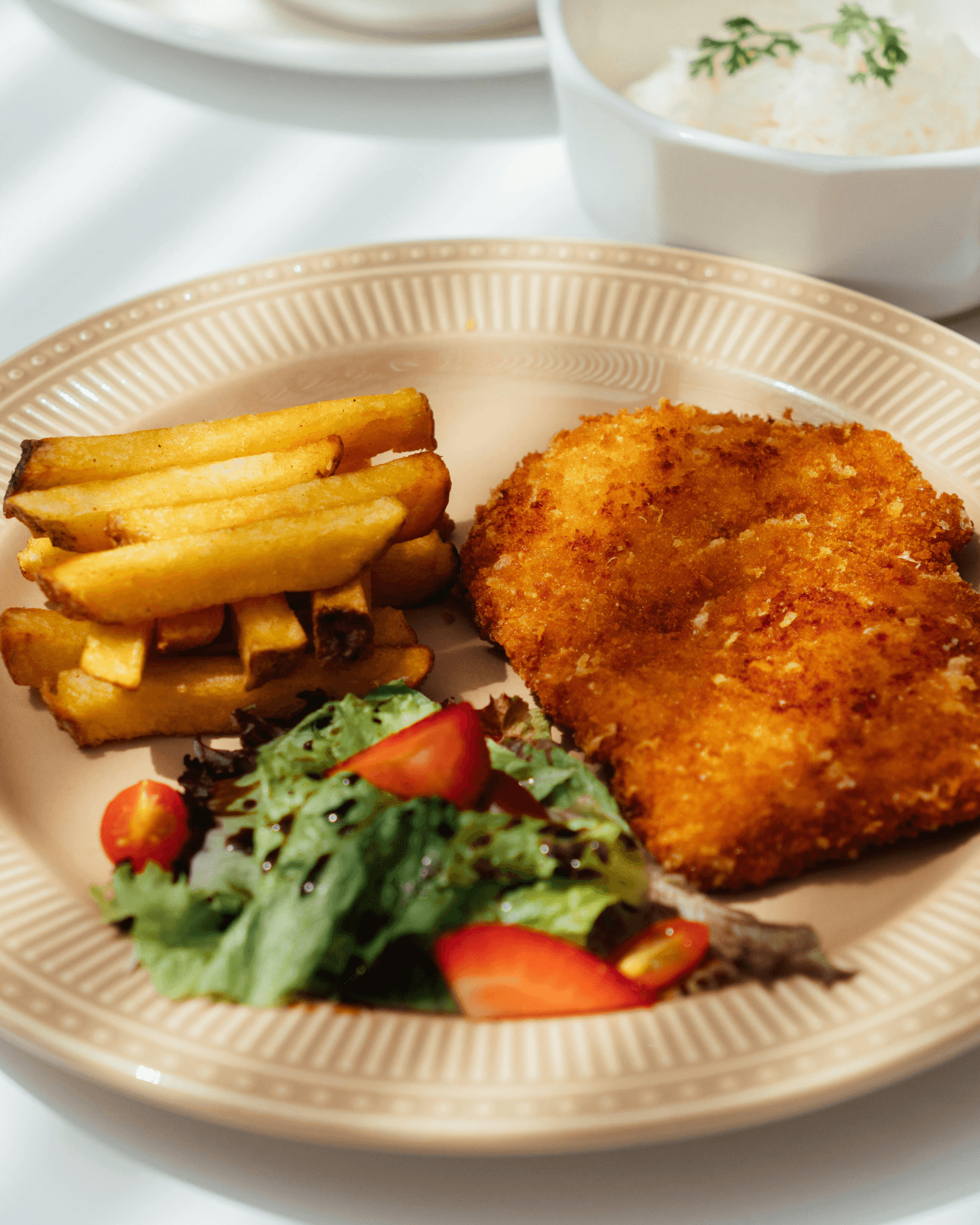
Schnitzel
Thinly pounded meat, breaded with flour, egg, and breadcrumbs, then fried until golden and crispy.
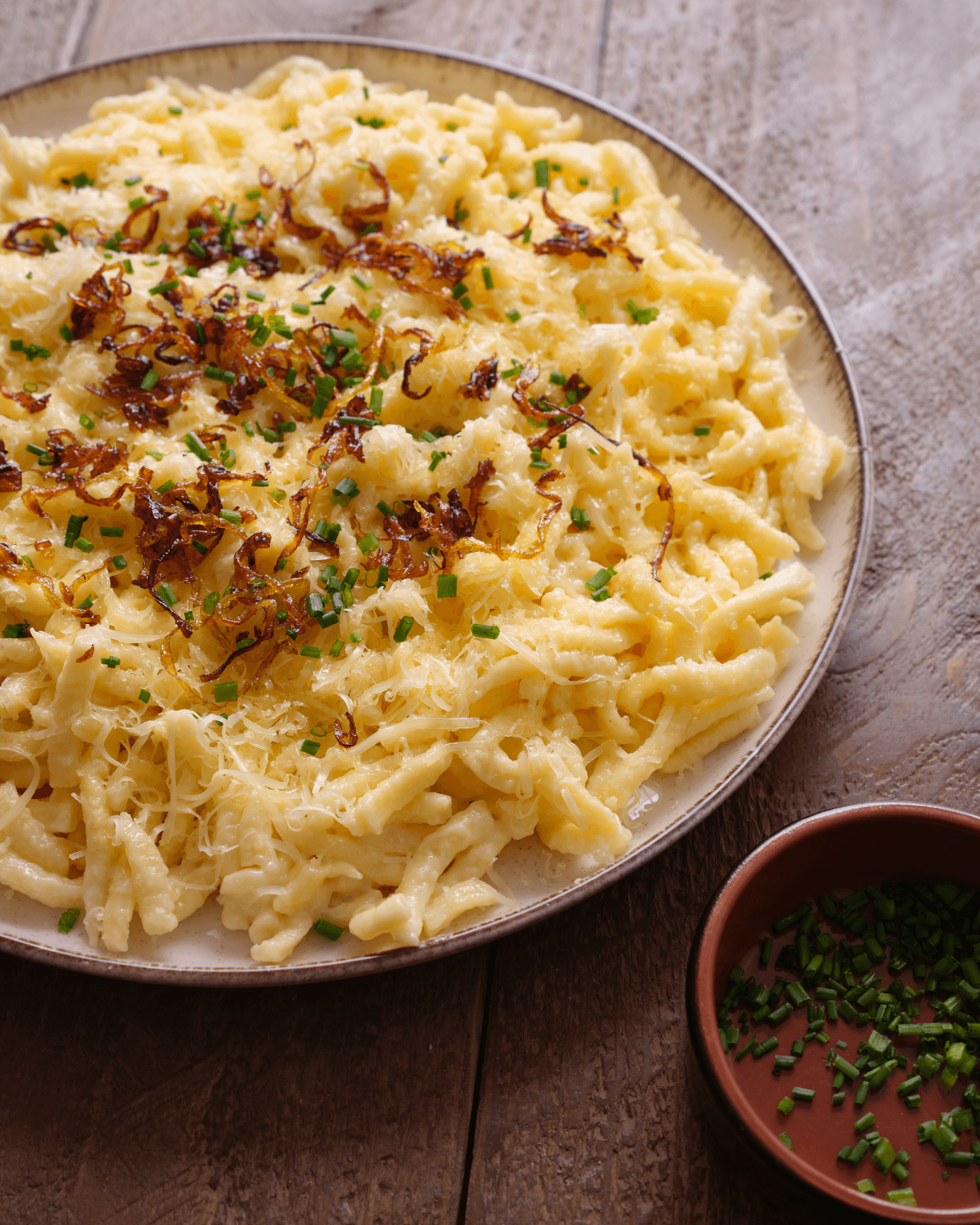
Käsespätzle
Homemade fresh egg noodles with plenty of mountain cheese and topped with crispy fried onions. German-style Mac & Cheese.
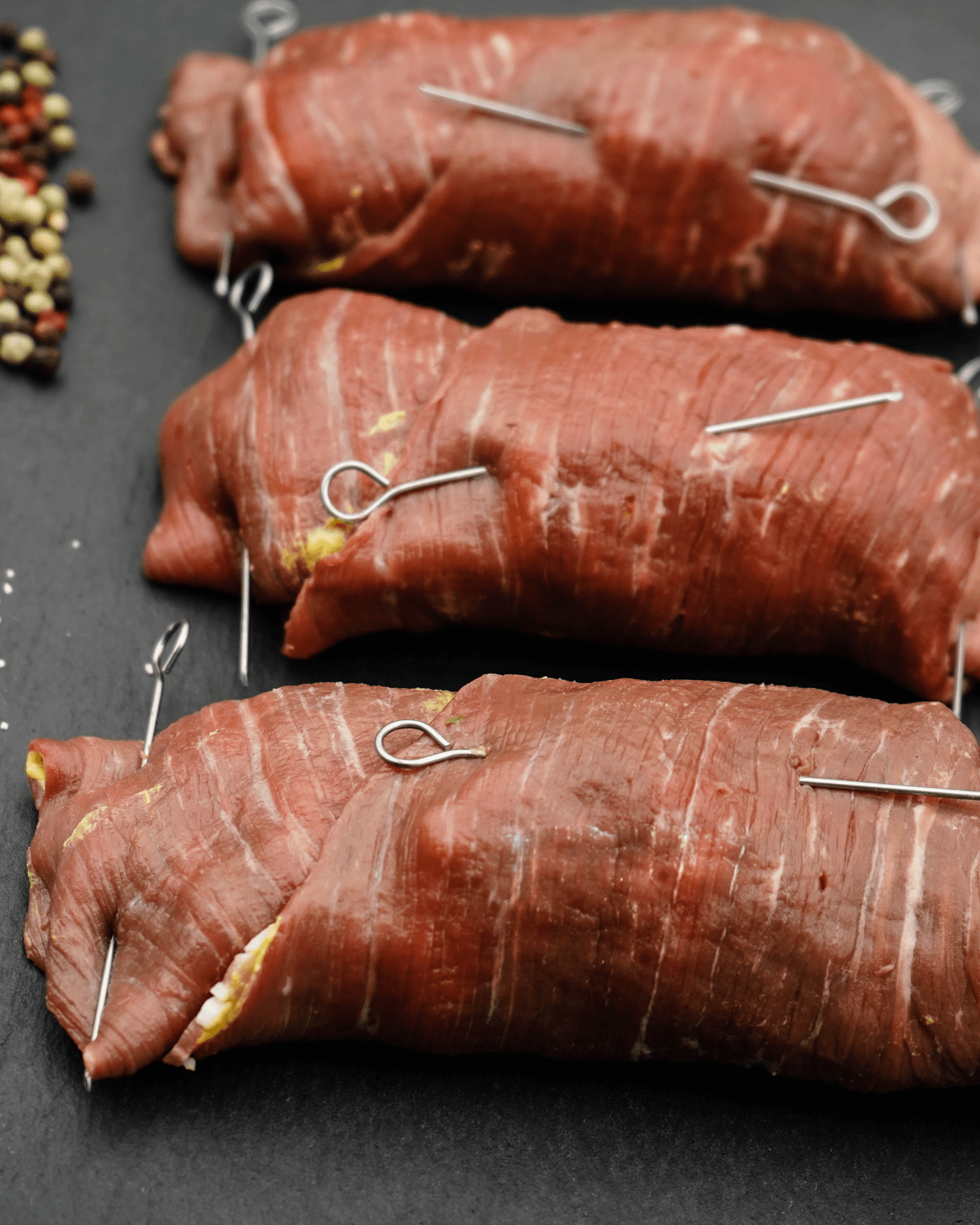
Rouladen
A hearty main dish consisting of thin beef slices rolled around bacon, onions, mustard, and pickles, cooked in sauce.
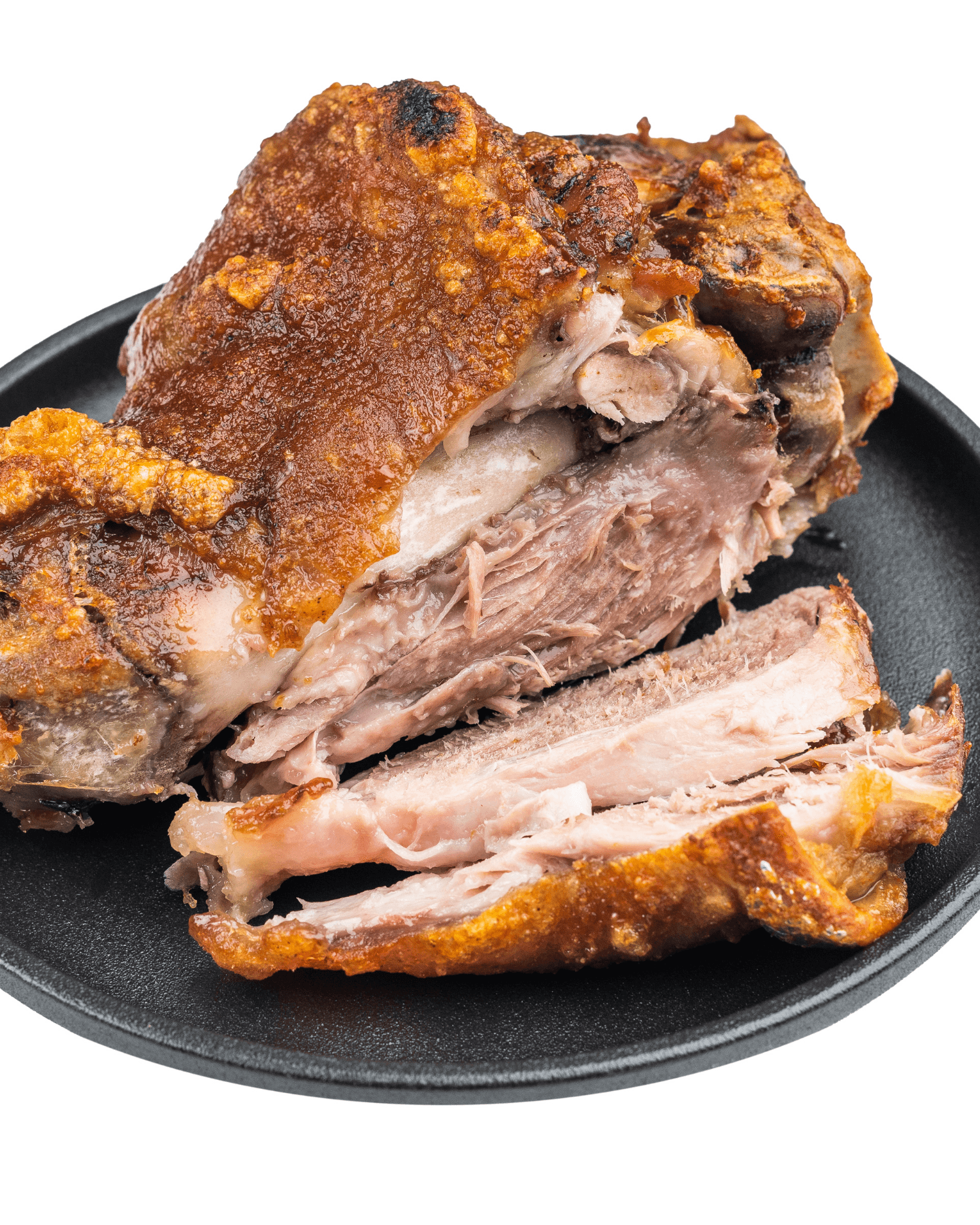
Schweinshaxe
Roasted pork knuckle. The skin is crispy, while the meat inside is tender enough to fall off the bone.
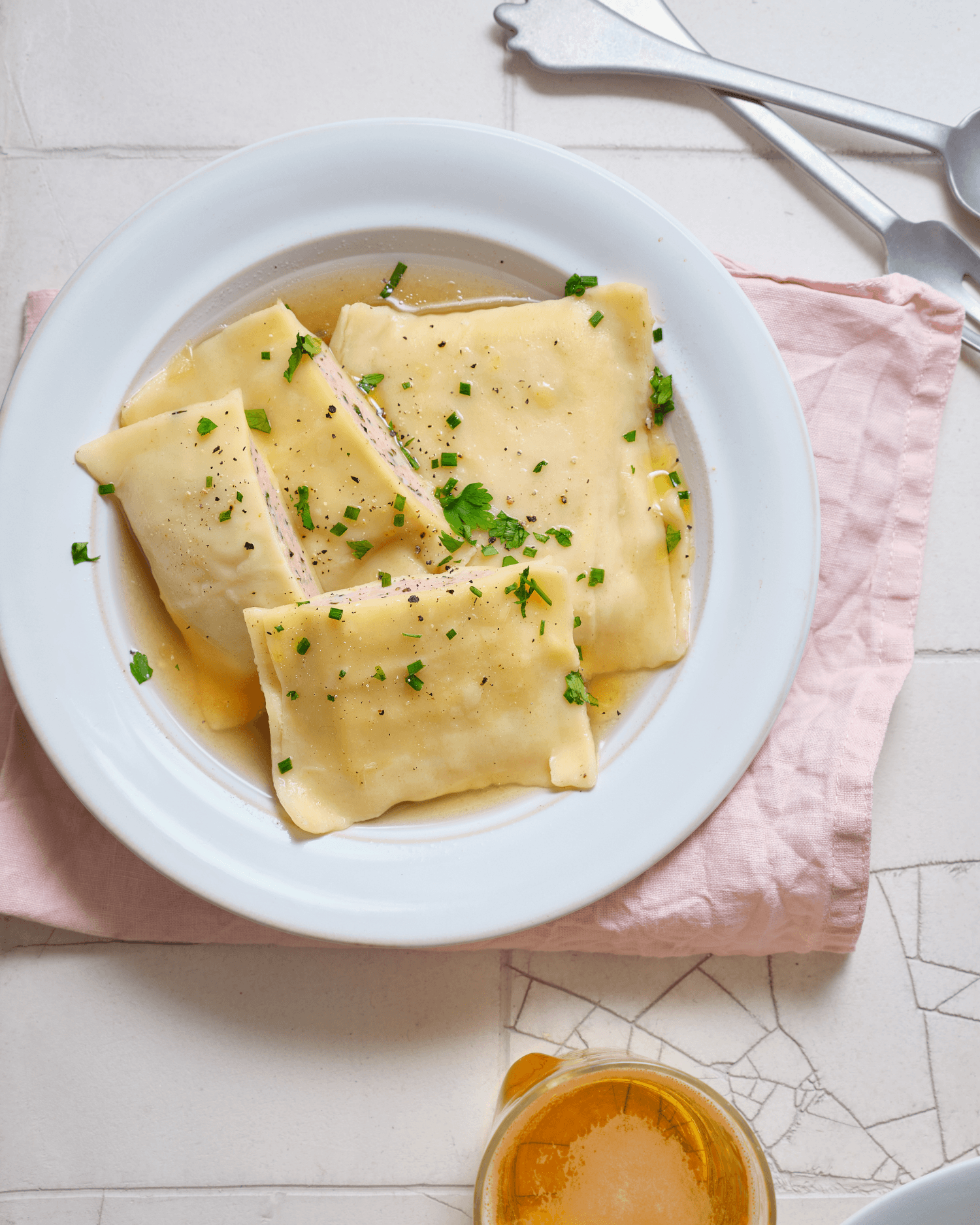
Maultaschen
Large dumplings (ravioli) from the Swabia region, filled with minced meat, spinach, breadcrumbs, and spices.
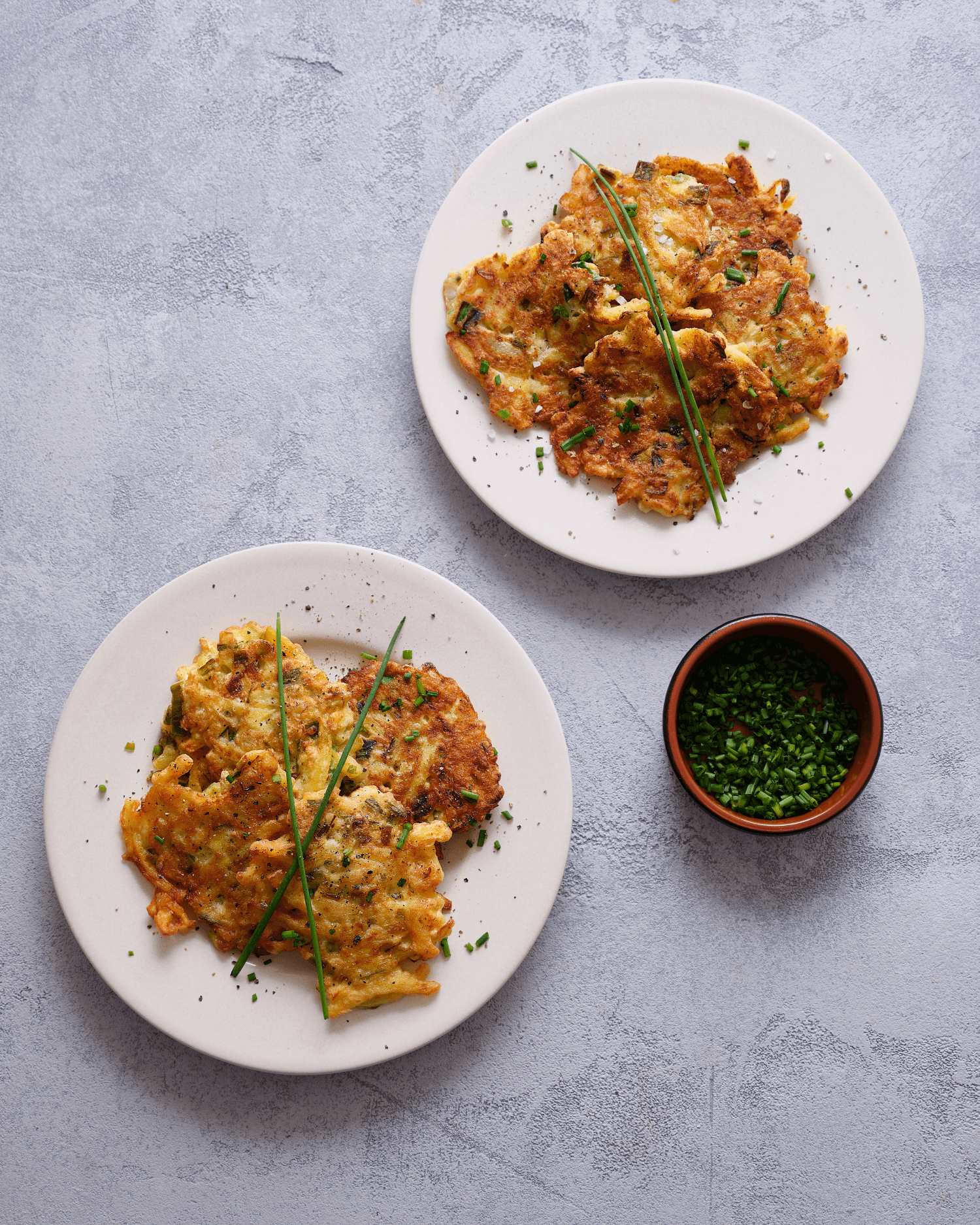
Kartoffelpuffer
Crispy fried pancakes made from grated potatoes and onions. Usually eaten with applesauce.
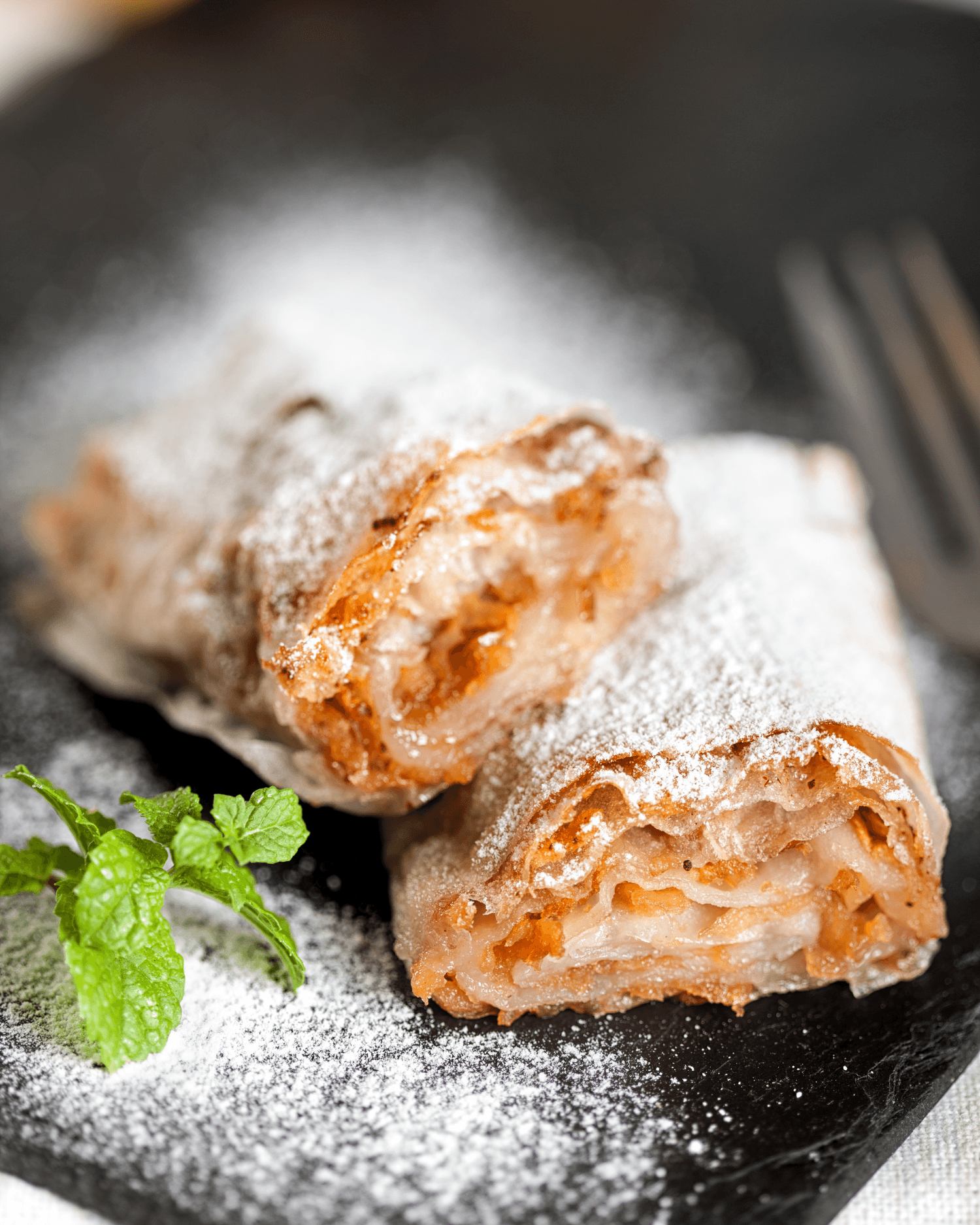
Apfelstrudel
A classic dessert made of thin dough layers filled with apples, cinnamon, sugar, and raisins, served warm.
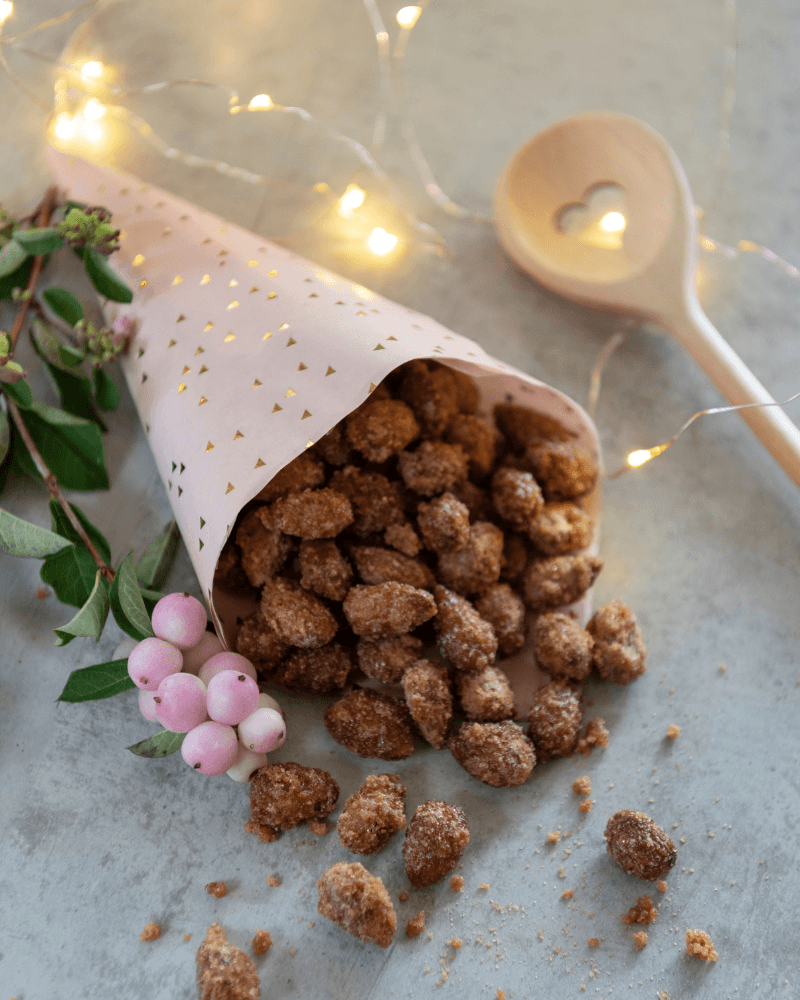
Gebrannte Mandeln
A popular German festival snack consisting of almonds roasted in a copper kettle with sugar, water, and a touch of cinnamon until caramelized and crunchy.
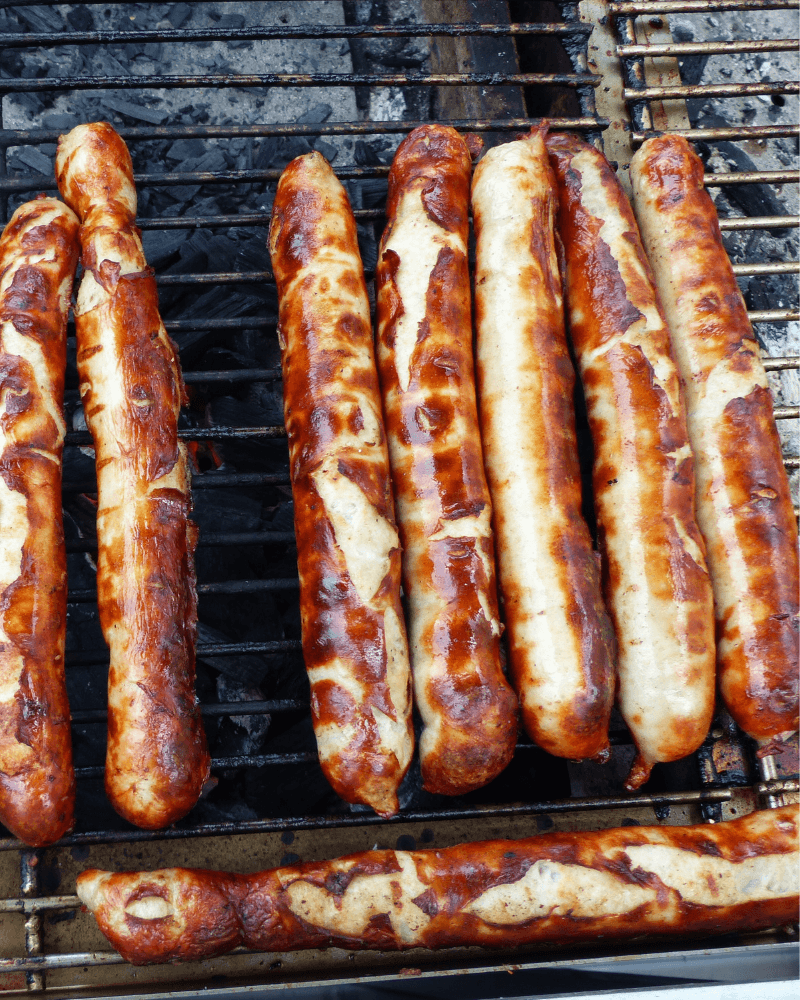
Thüringer Rostbratwurst
A protected traditional German sausage from Thuringia, seasoned with marjoram, caraway, and garlic, typically grilled over charcoal and served in a crusty bread roll.
Local Drinks
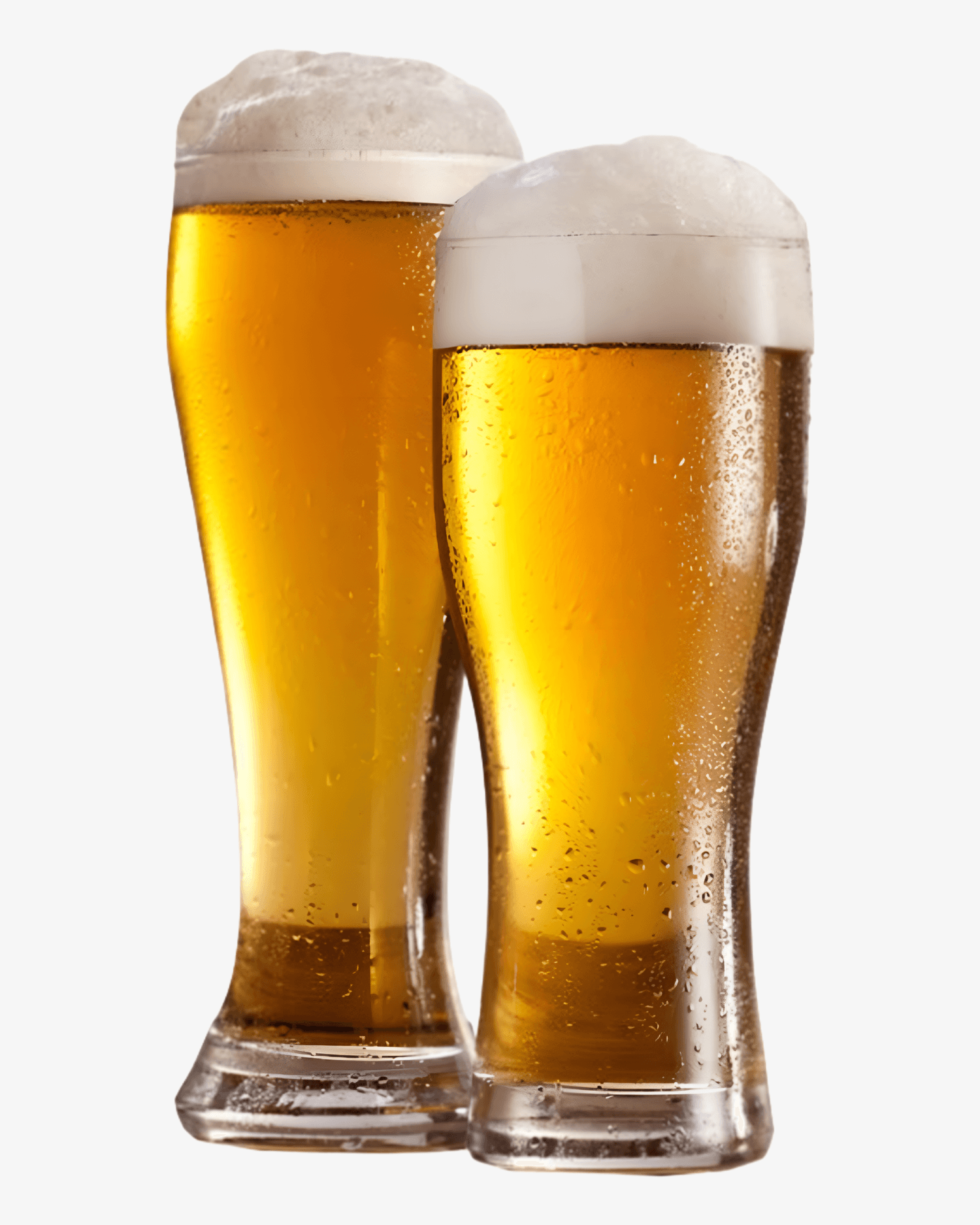
Weissbier / Hefeweizen
Bavaria's classic wheat beer. It is cloudy with fruity notes (banana/clove) and served in a special tall glass.
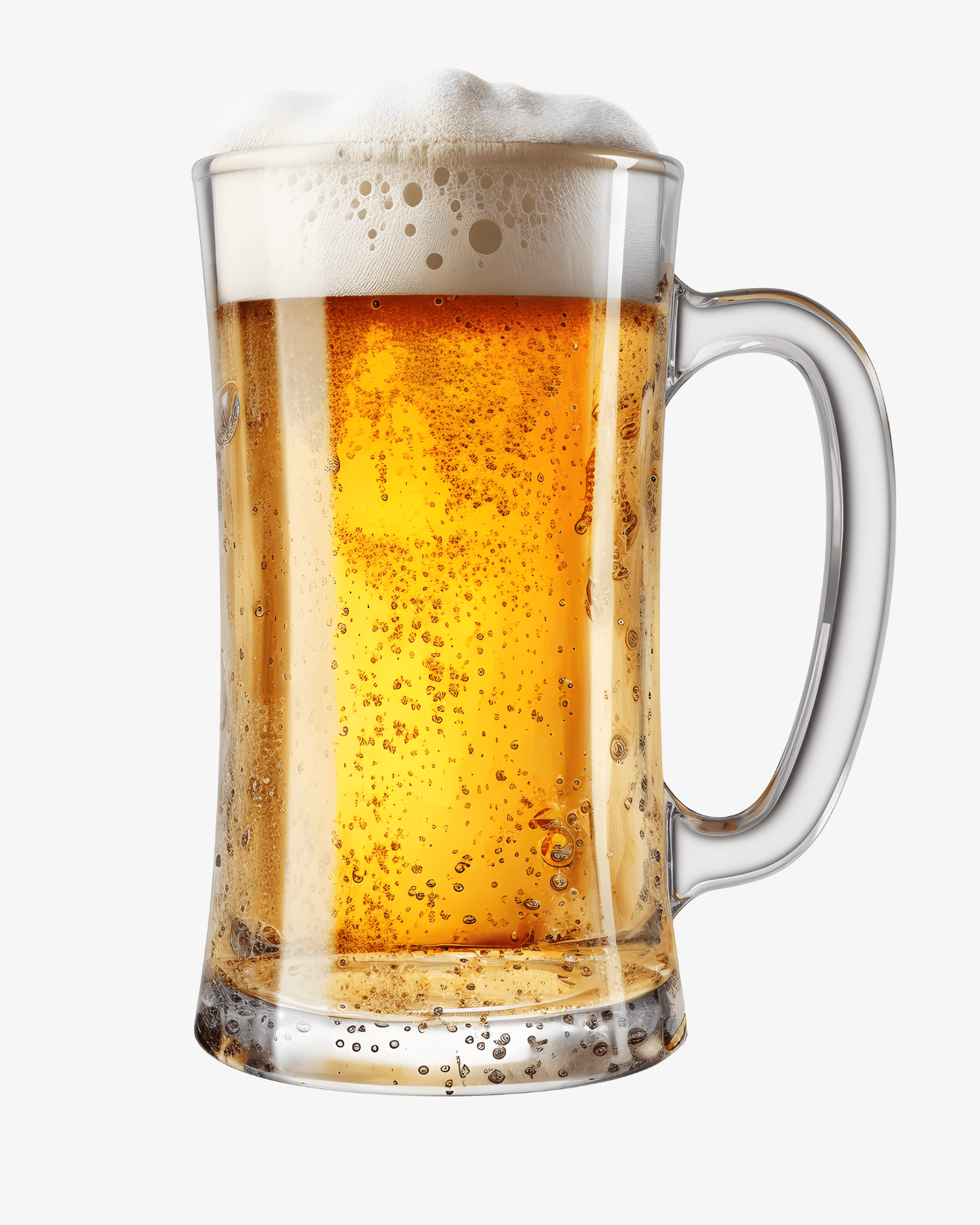
Pilsner
Germany's most consumed beer; golden color, distinct hoppy bitterness, and refreshing.
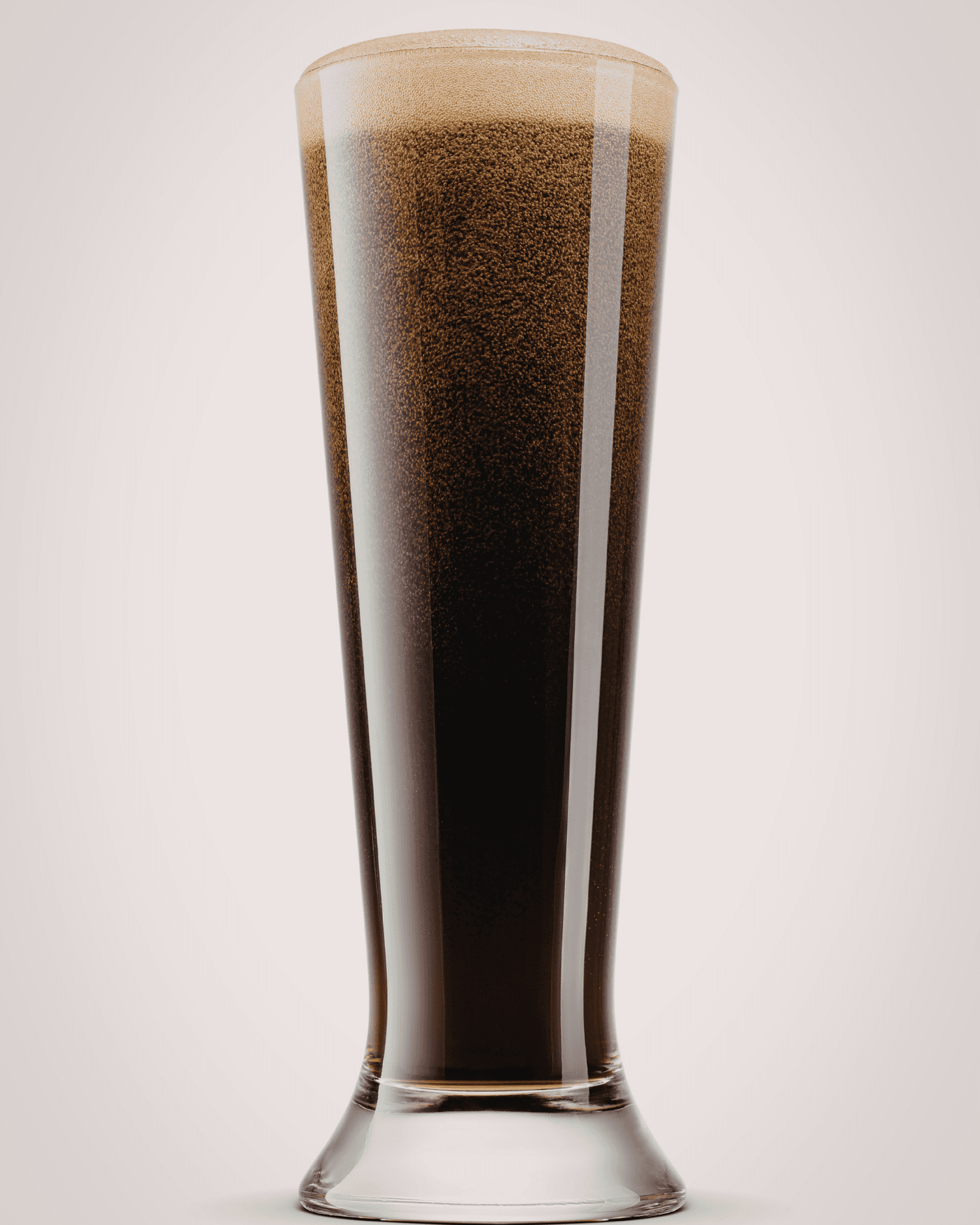
Bockbier
A dark lager type with high malt character and a stronger alcohol content (6-7%) than standard beers.
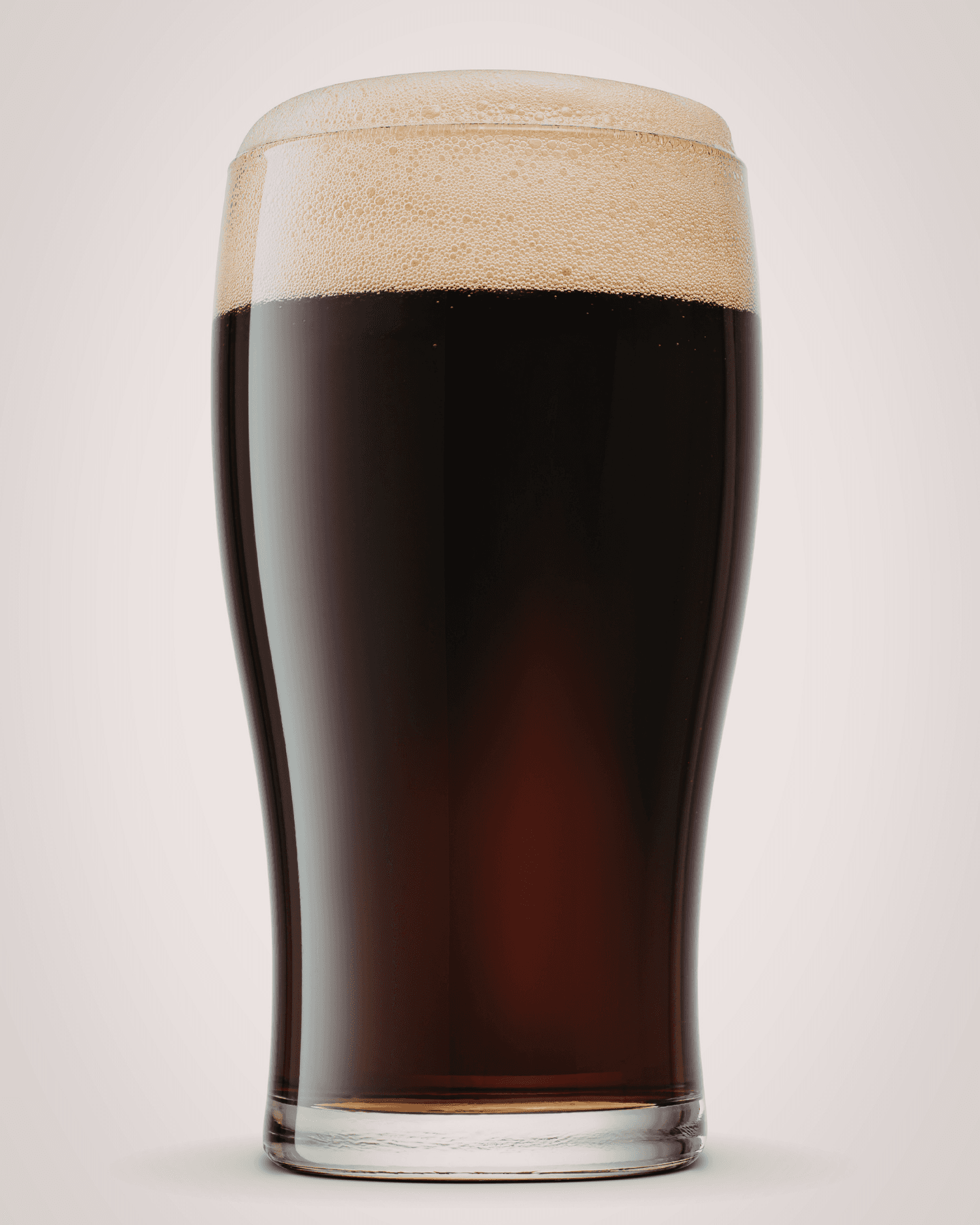
Doppelbock / Eisbock
Strong beers (7-12%) often called 'liquid bread' by monks. Eisbock is frozen to remove water, resulting in intense aroma and alcohol.
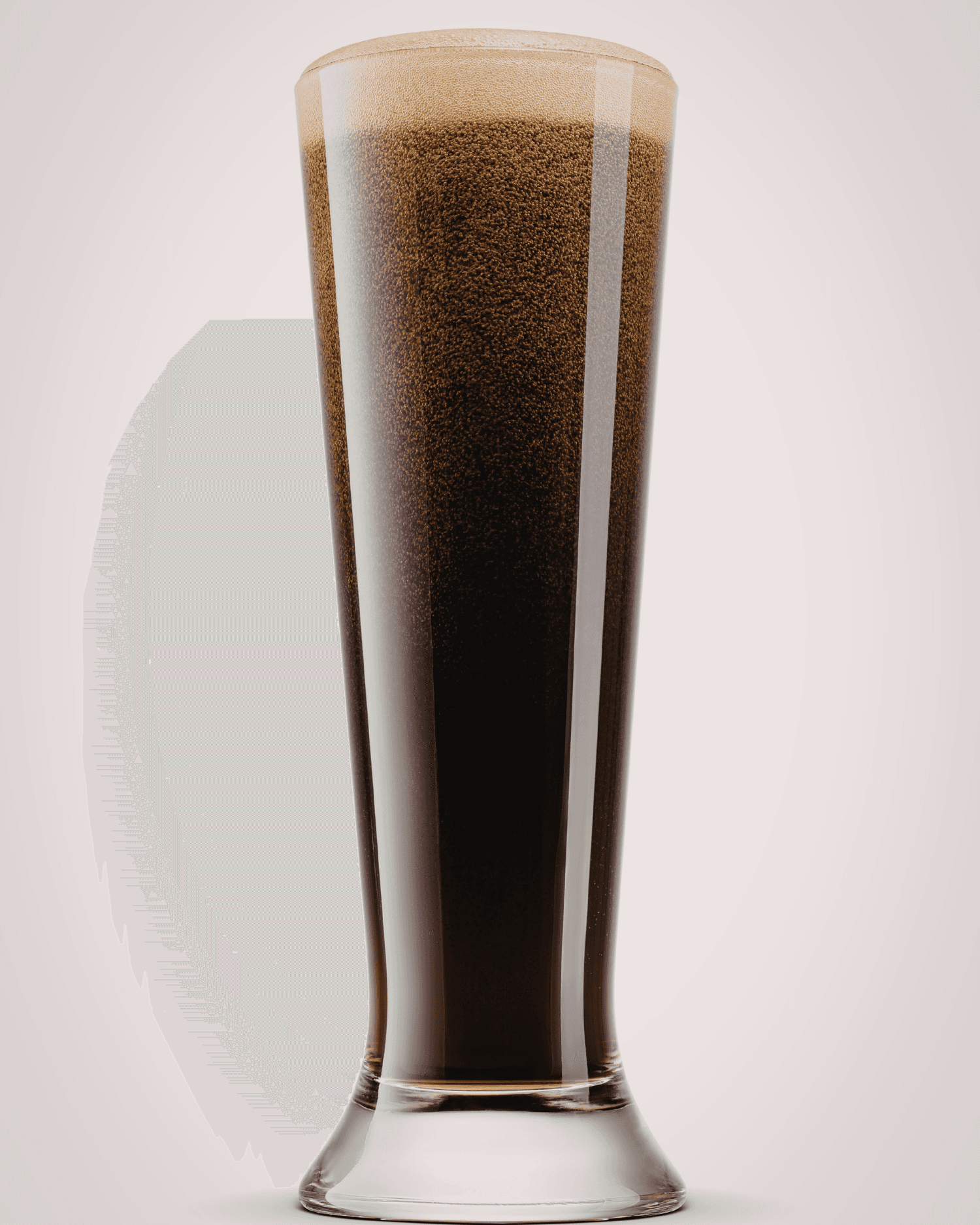
Schwarzbier (Black Beer)
Despite its coal-black color, it is surprisingly smooth to drink. Features notes of coffee and dark chocolate.
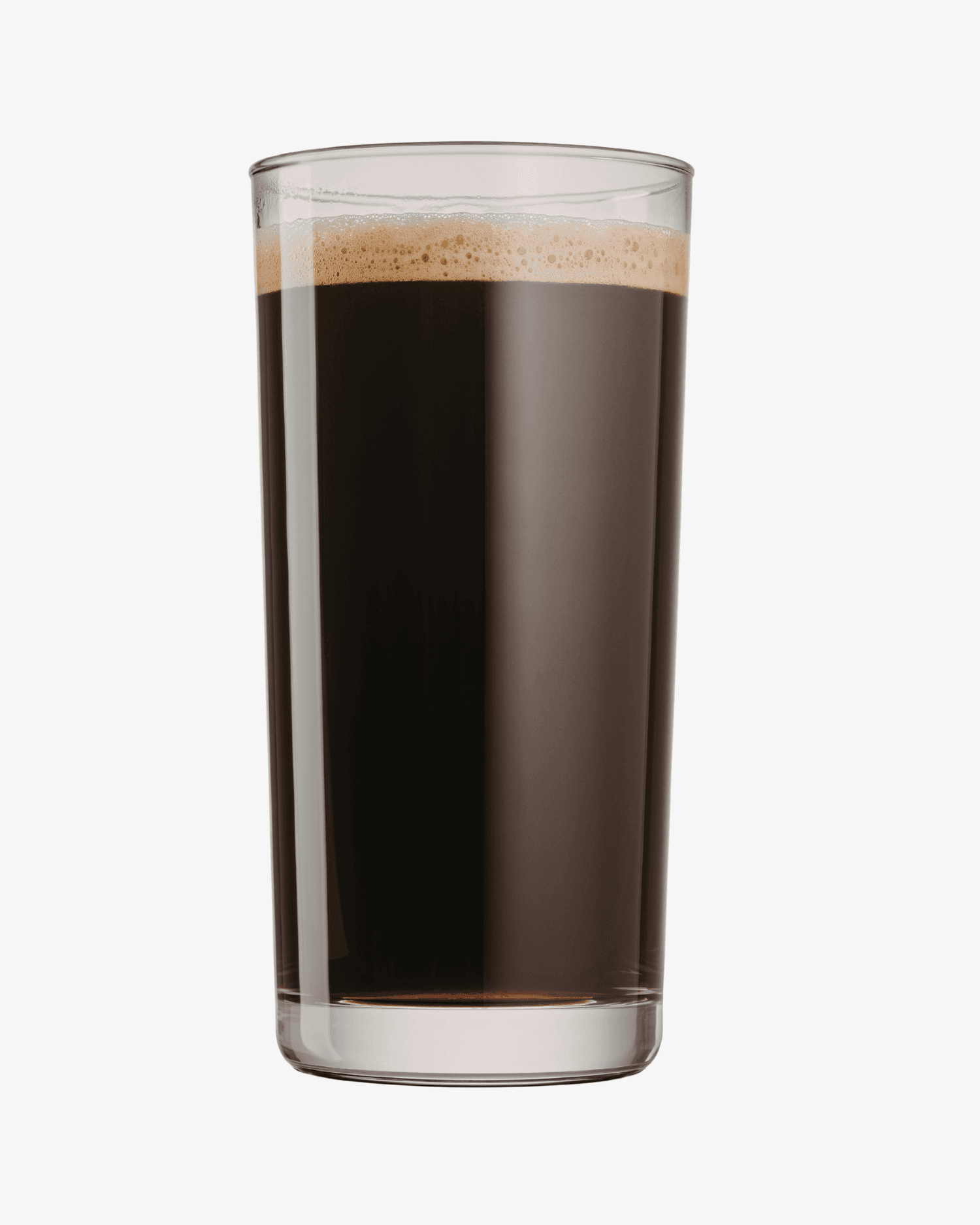
Rauchbier (Smoked Beer)
A legendary beer unique to Bamberg, with an intense smoky flavor derived from drying the malt over open beechwood fire.
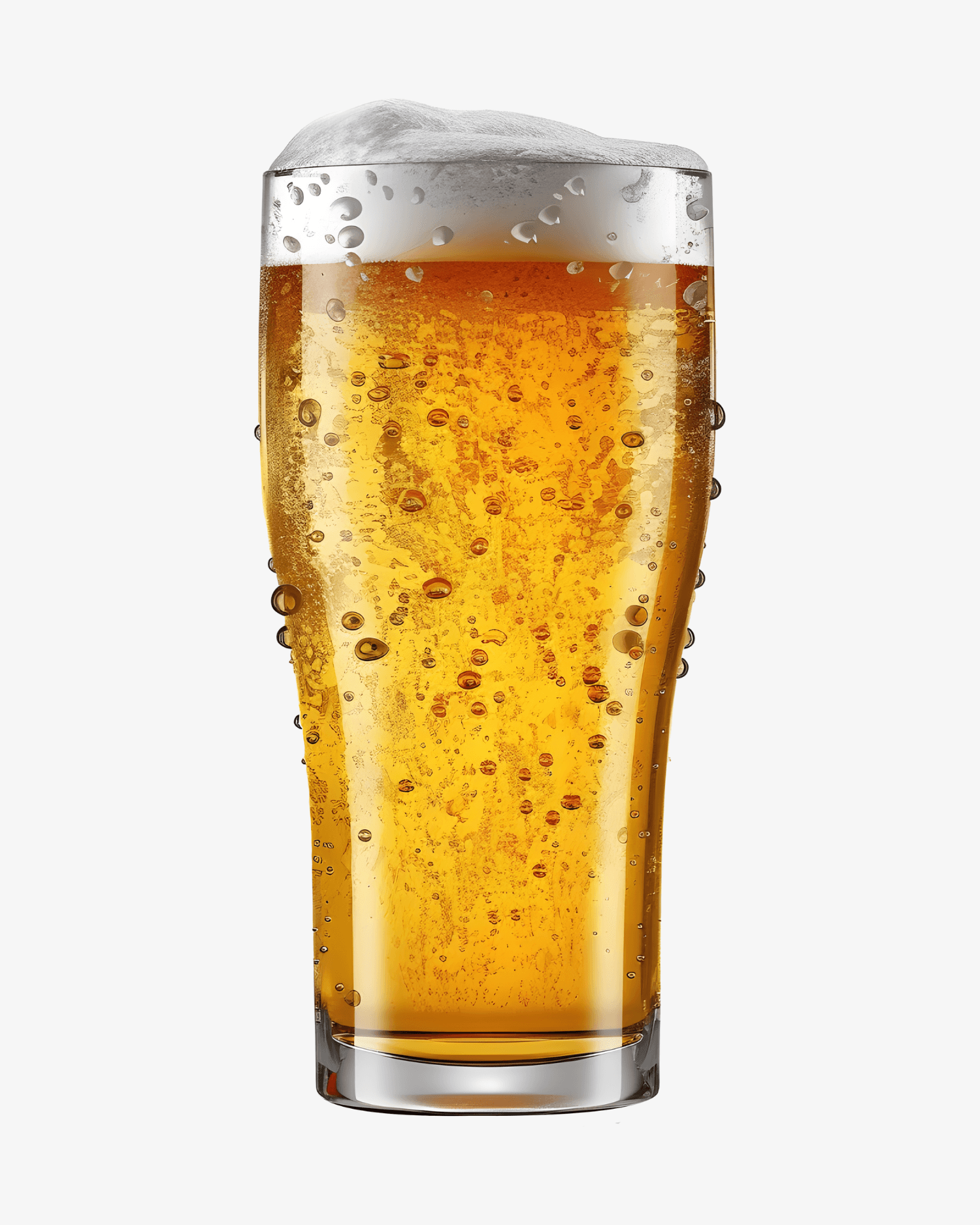
Kölsch
A pale, balanced beer that can only be brewed in Cologne; fermented with ale yeast but lagered. Drank from thin glasses called 'Stange'.
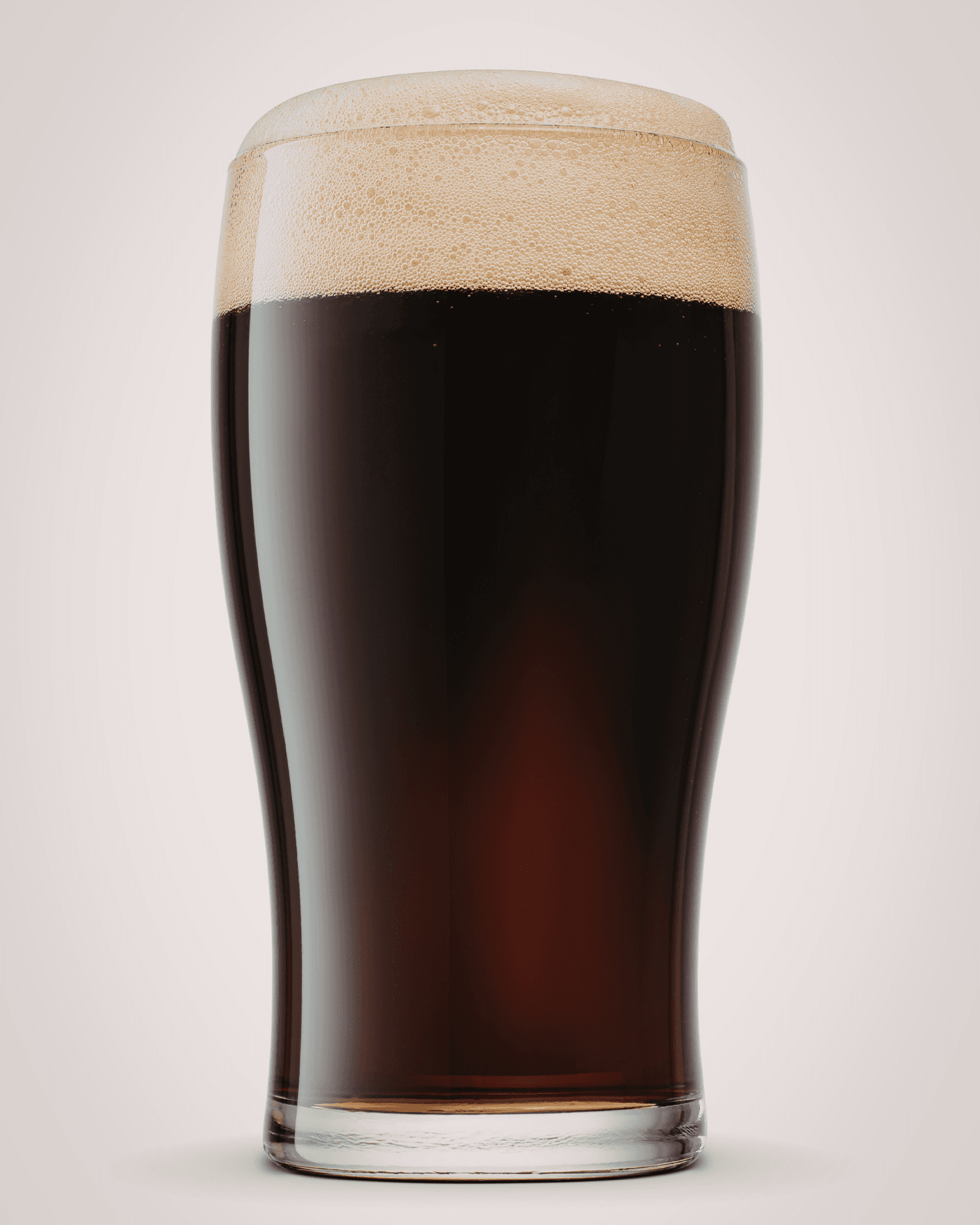
Altbier
Düsseldorf's traditional beer. A copper-colored, malt-forward, and slightly fruity German Ale.
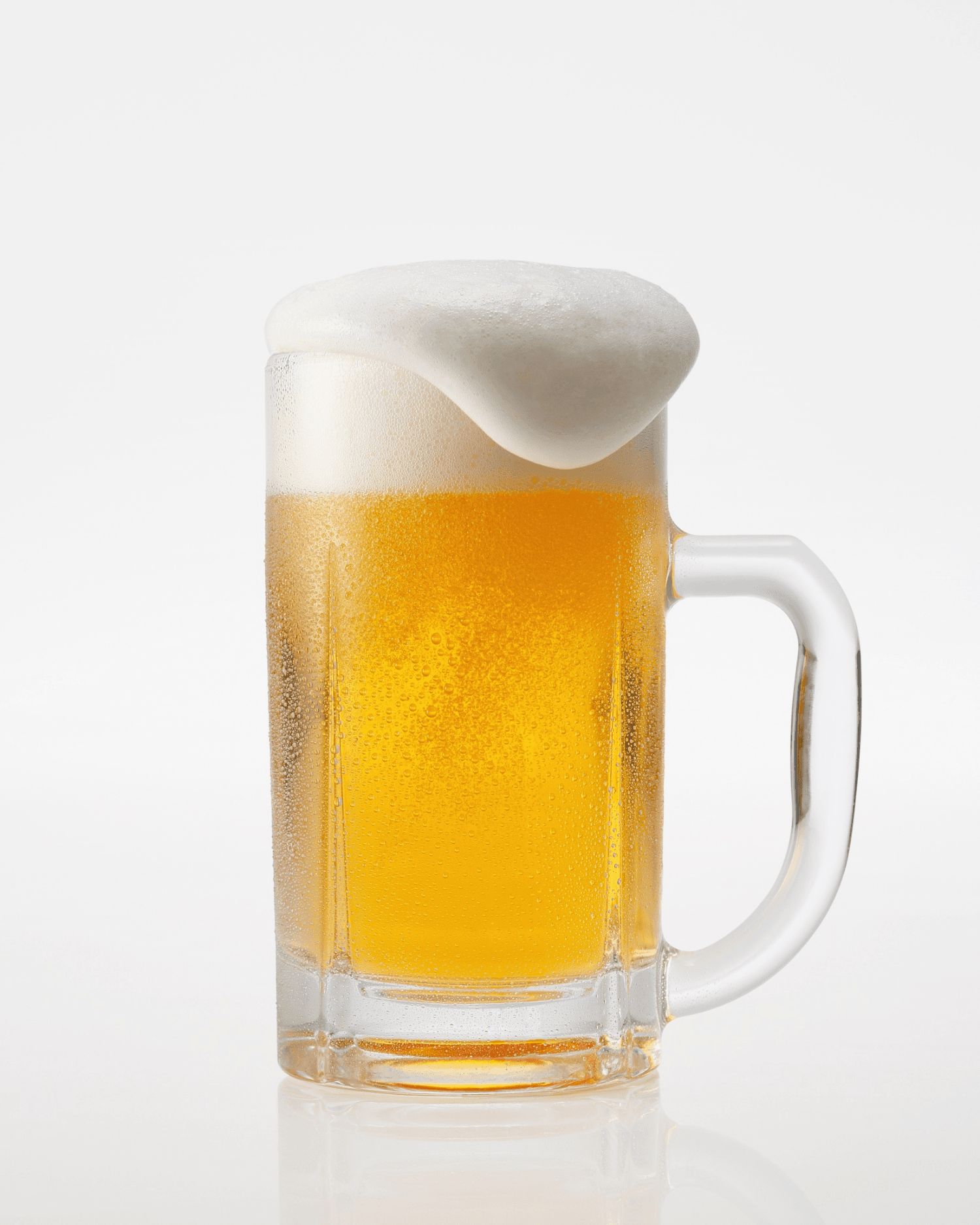
Berliner Weisse
A slightly sour, low-alcohol wheat beer unique to Berlin. Often drunk with green (woodruff) or red (raspberry) syrup through a straw.
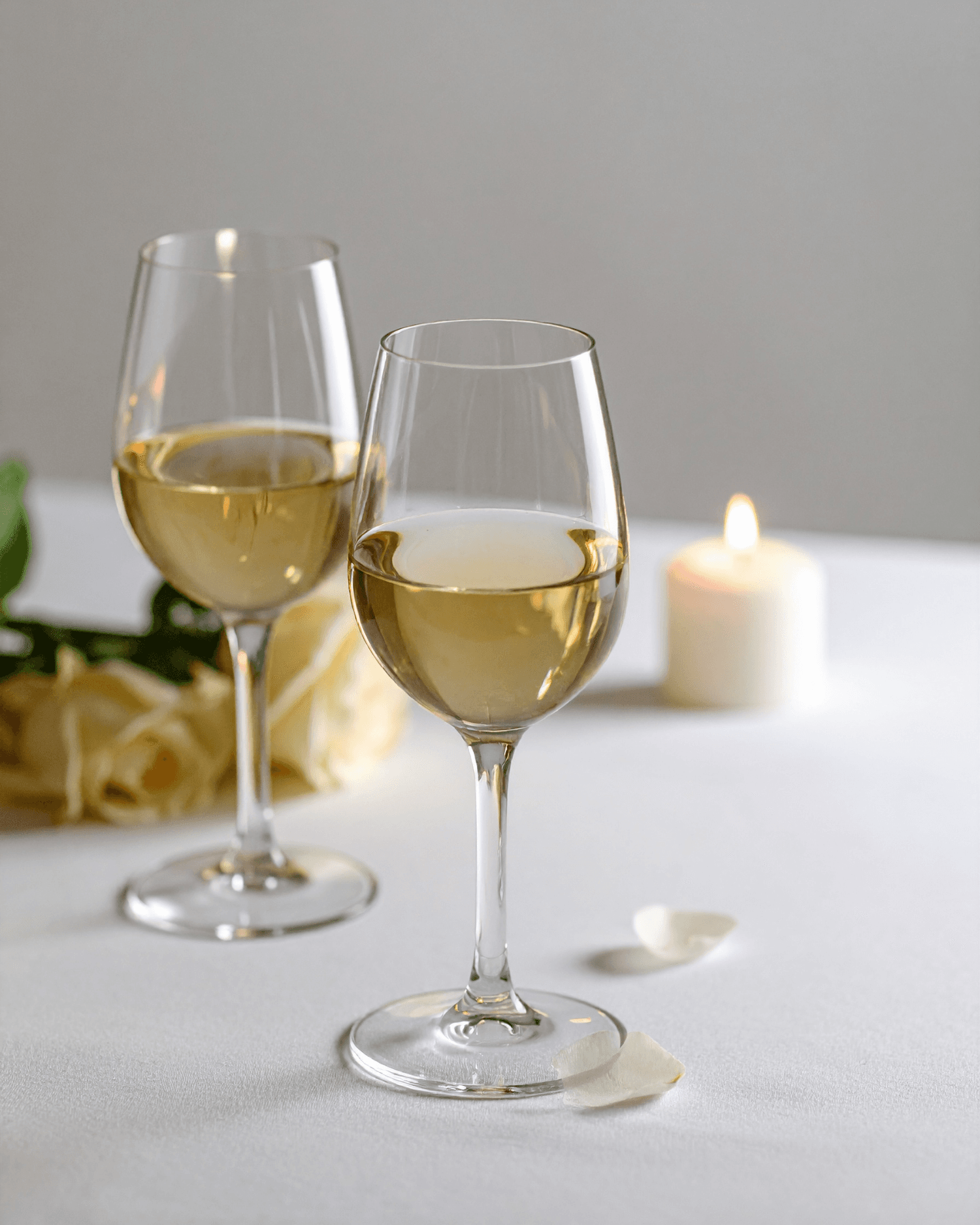
Riesling Wine
An aromatic, high-acidity white wine made from grapes grown on the steep slopes of the Rhine and Mosel valleys.
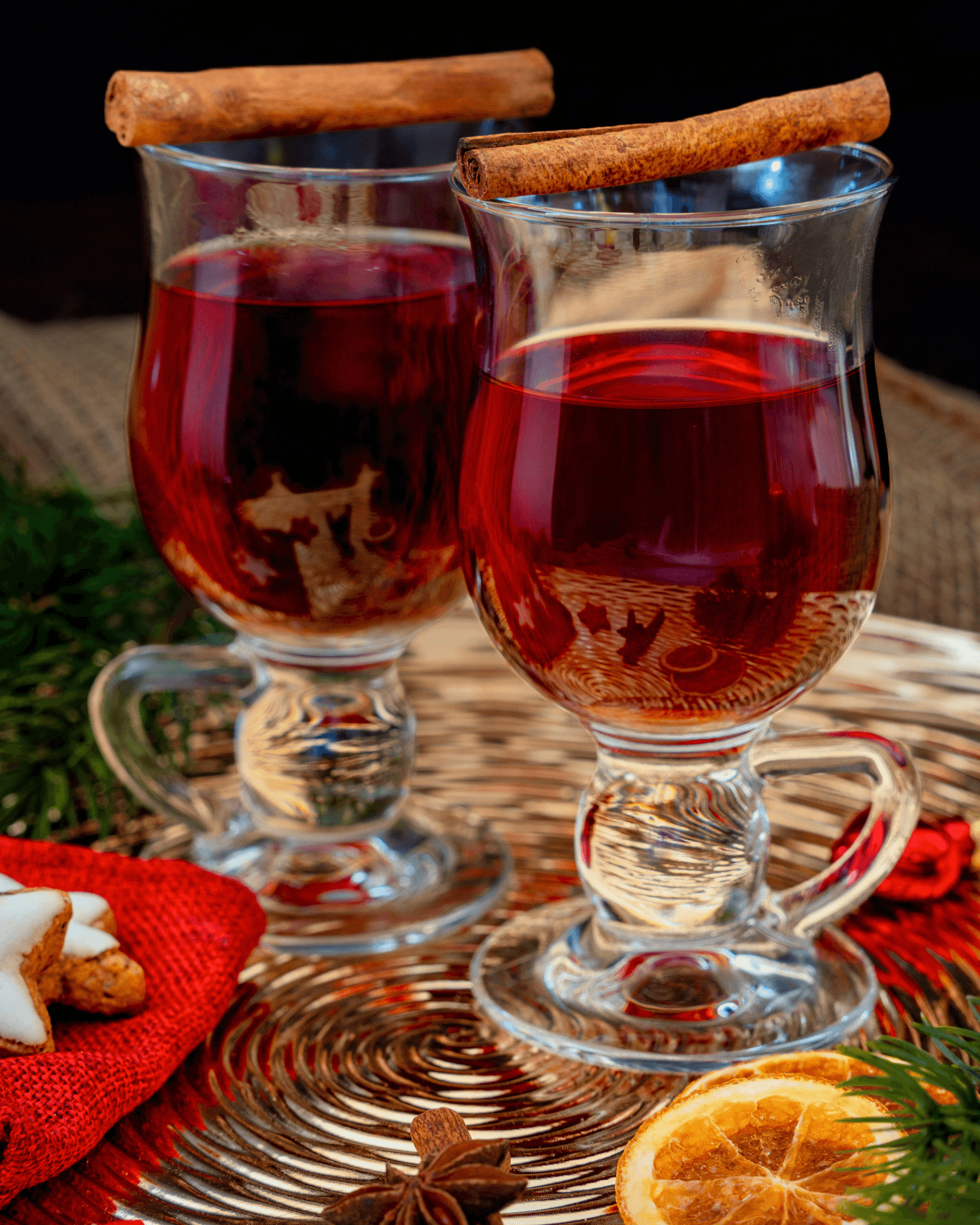
Glühwein (Mulled Wine)
A winter essential. Made by heating red wine with cinnamon, cloves, oranges, and sometimes rum.
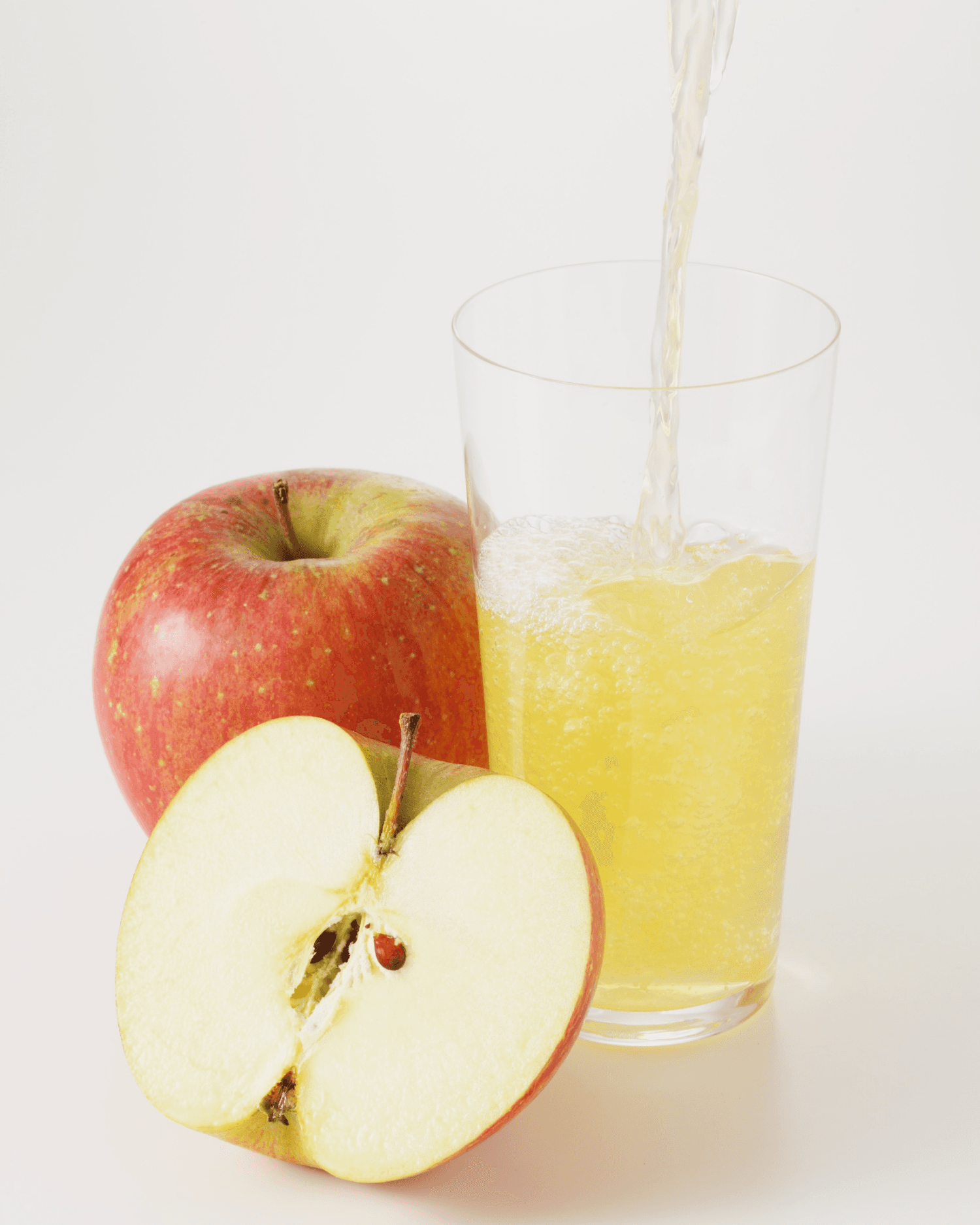
Apfelschorle
A mix of natural apple juice and sparkling mineral water. The most popular refreshing drink consumed by Germans with meals.
Practical Info & Travel Guide
Transport
Germany has one of the world's most extensive railway networks (DB Bahn). While there is no general speed limit on the Autobahn, the recommended speed is 130 km/h. Ticket inspections on public transport are frequent and strict.
Best Season (Culture, History, Nature, Trade Fairs)
May to September offers the best weather. December is highly popular for the famous Christmas markets (Weihnachtsmarkt).
Power & Net
Type F (Schuko) and C. 230V, 50Hz. Fully compatible with Turkish plugs; no adapter required.
Free Wi-Fi is common in hotels but can be limited in public spaces. Prepaid SIM cards (Aldi Talk, Vodafone) can be purchased at supermarkets, but activation requires identity verification via video call (PostIdent).
Emergency
Visa & Bureaucracy
Germany is a member of the Schengen Area. EU/EEA citizens enjoy freedom of movement. Citizens of many non-EU countries (e.g., USA, UK, Canada, Australia, Japan) can enter visa-free for short stays (up to 90 days within a 180-day period). Travelers from other countries typically require a Schengen Visa.
Money & Tax
Currency is the Euro (€). Cash (Bargeld) is king; bakeries, kiosks, and some small restaurants may not accept credit cards. Always carry some coins for small purchases.
Tax Free: Non-EU residents can claim a tax refund at the airport by obtaining a 'Tax Free' form for single purchases exceeding €50.
Security & Social
Generally very safe. Be wary of pickpockets at major train stations (Berlin, Frankfurt, Cologne) at night. Beware of scammers posing as plainclothes police; always ask for an official ID card (Dienstausweis).
Sosyal
Extremely safe for solo female travelers. One of the most progressive countries for LGBT+ rights; Berlin (Schöneberg) and Cologne are considered the LGBT+ capitals of Europe.
Health & Hygiene
Healthcare infrastructure is excellent. Tap water (Leitungswasser) is mineral-rich and safe to drink. Pharmacies (Apotheke) are closed on Sundays, with only duty (Notdienst) pharmacies available.
Culture, Arts & Events
Artistic stops reflecting the soul of the country, unmissable festivals, and cultural heritage.
Museums, Galleries & Passes
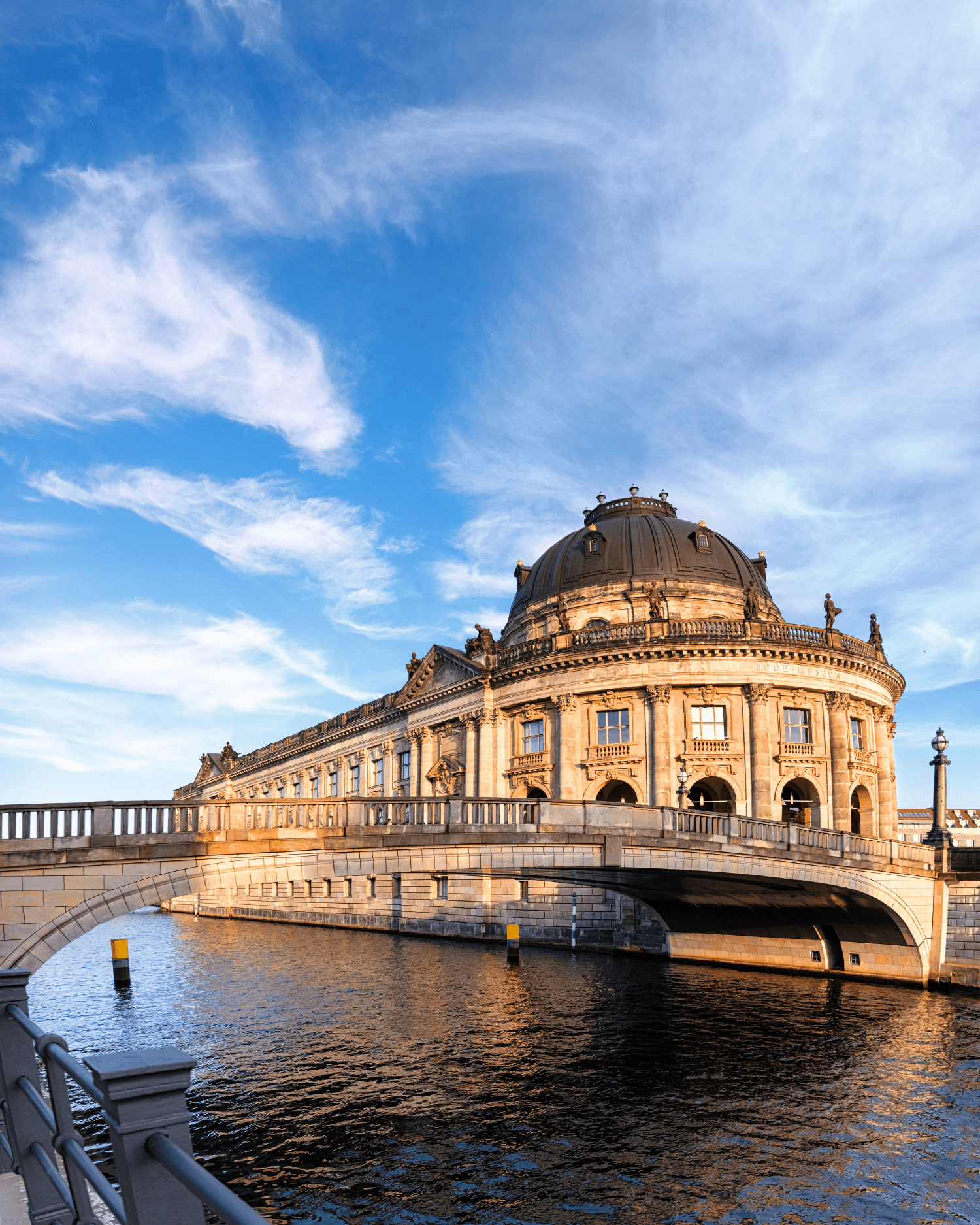
Museum Island (Museumsinsel)
A UNESCO World Heritage Site in Berlin hosting five world-famous museums.
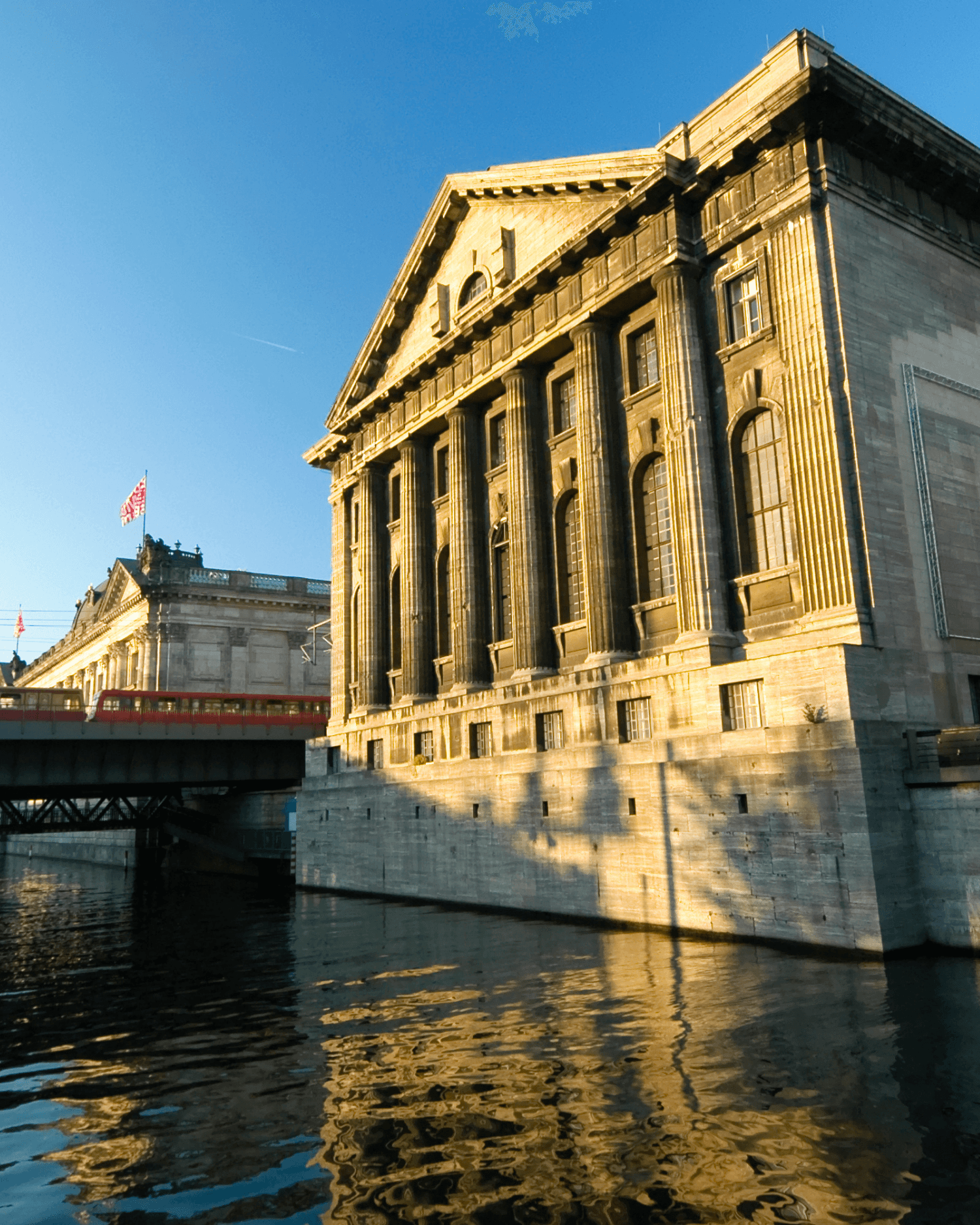
Pergamon Museum
A museum housing monumental structures from antiquity.
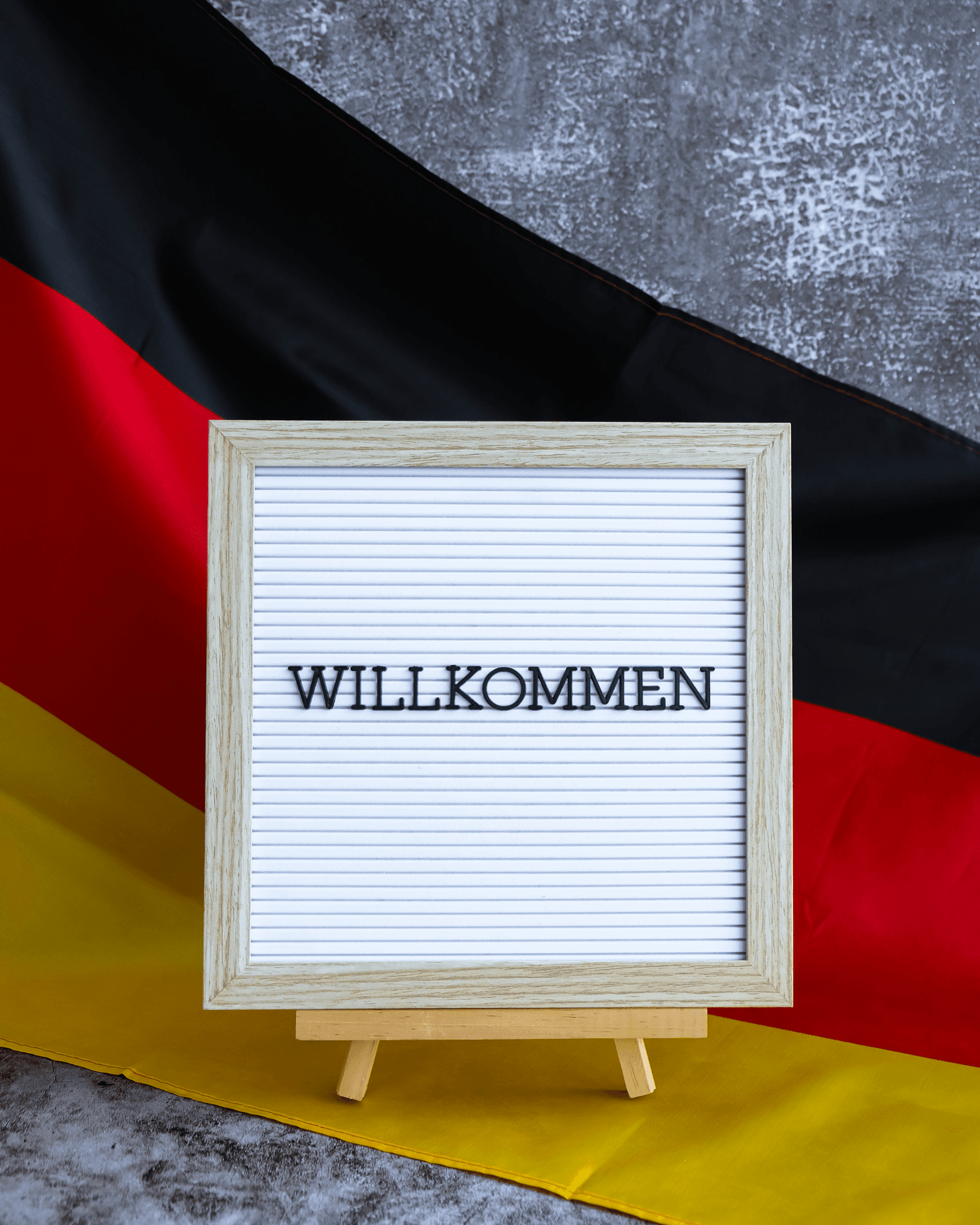
Berlin WelcomeCard
A city card offering discounts on public transport and museum entries.
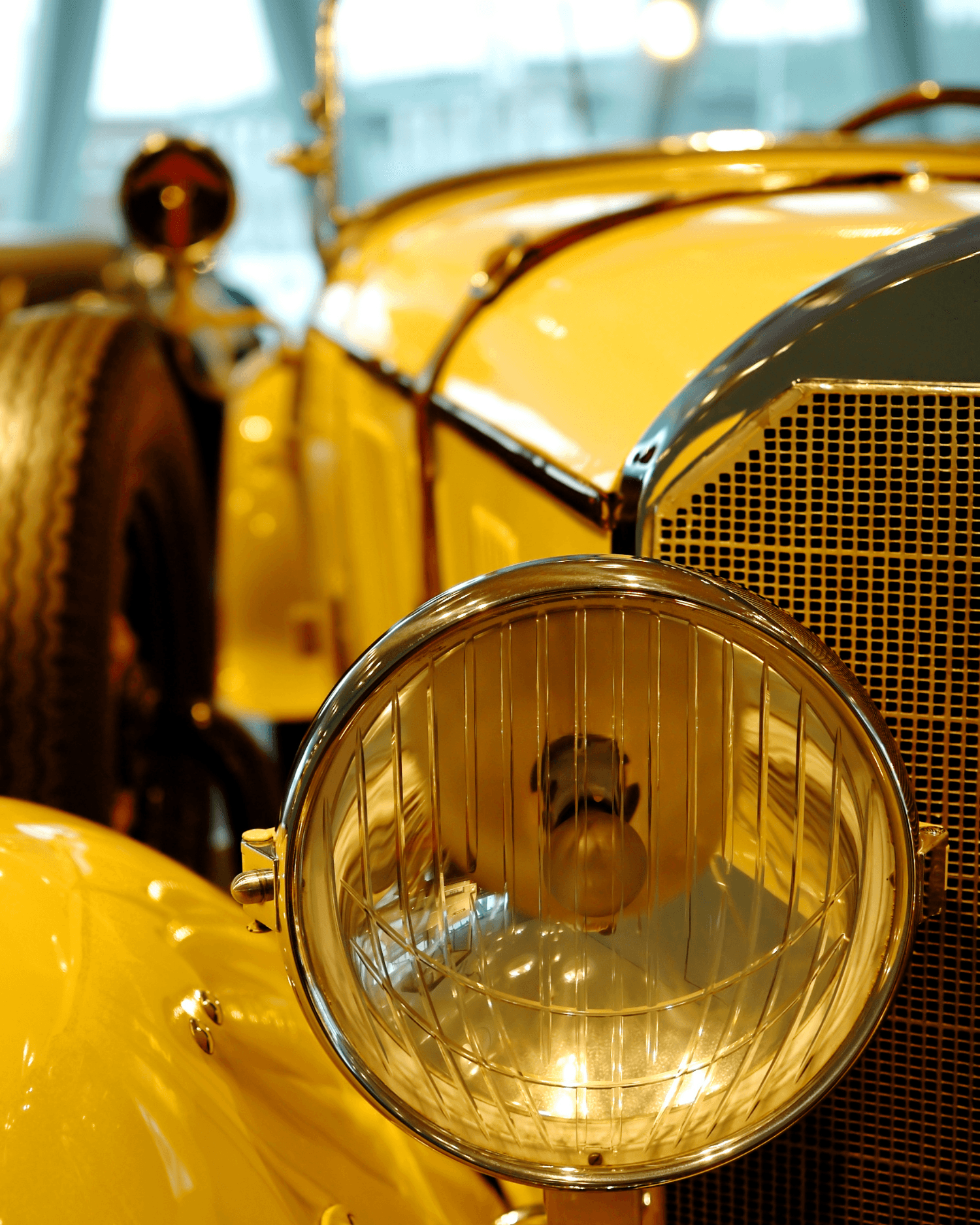
Mercedes-Benz Museum
A journey into automotive history in Stuttgart.
Historical Sites & Architecture
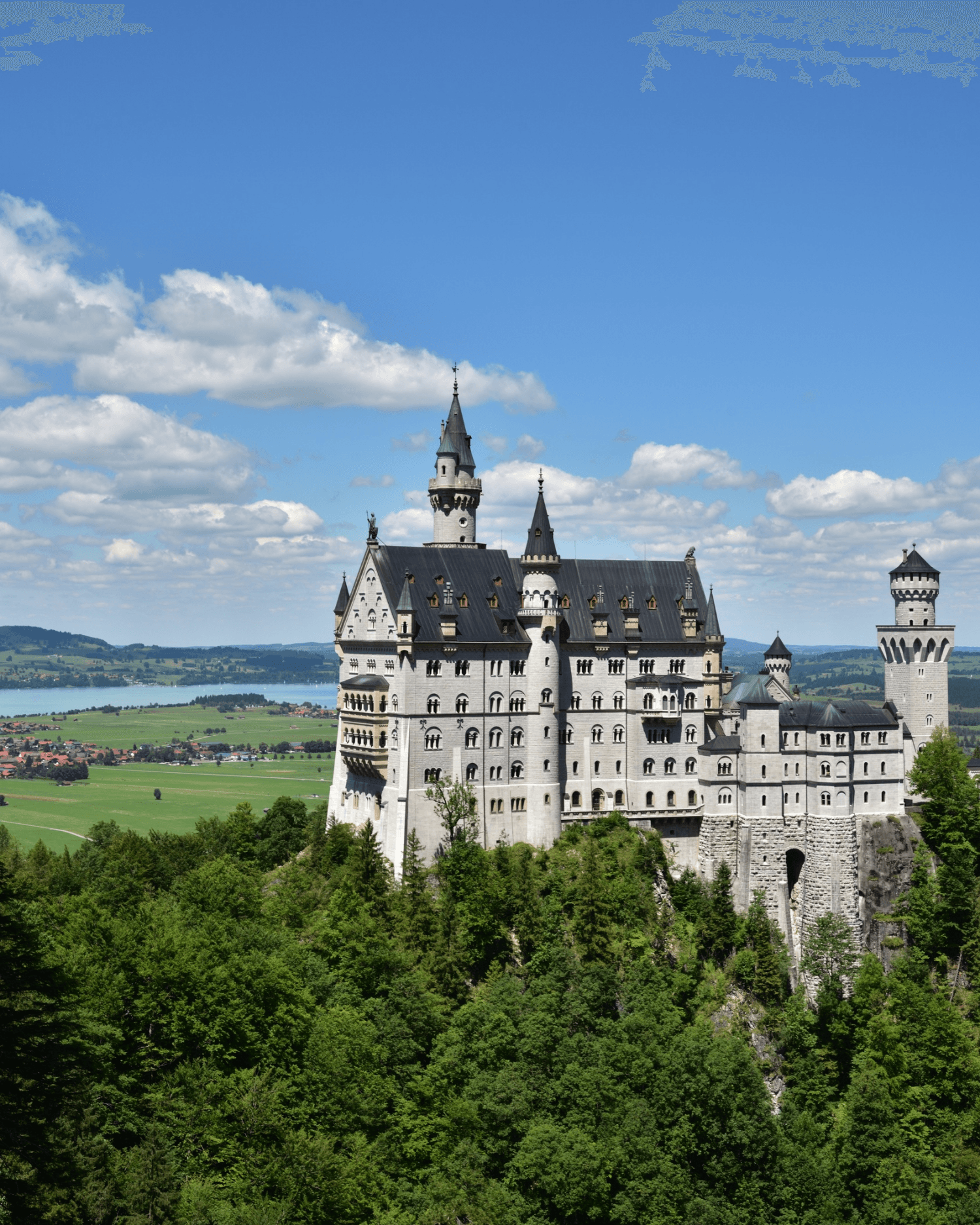
Neuschwanstein Castle
The fairytale structure that inspired the Disney castles.
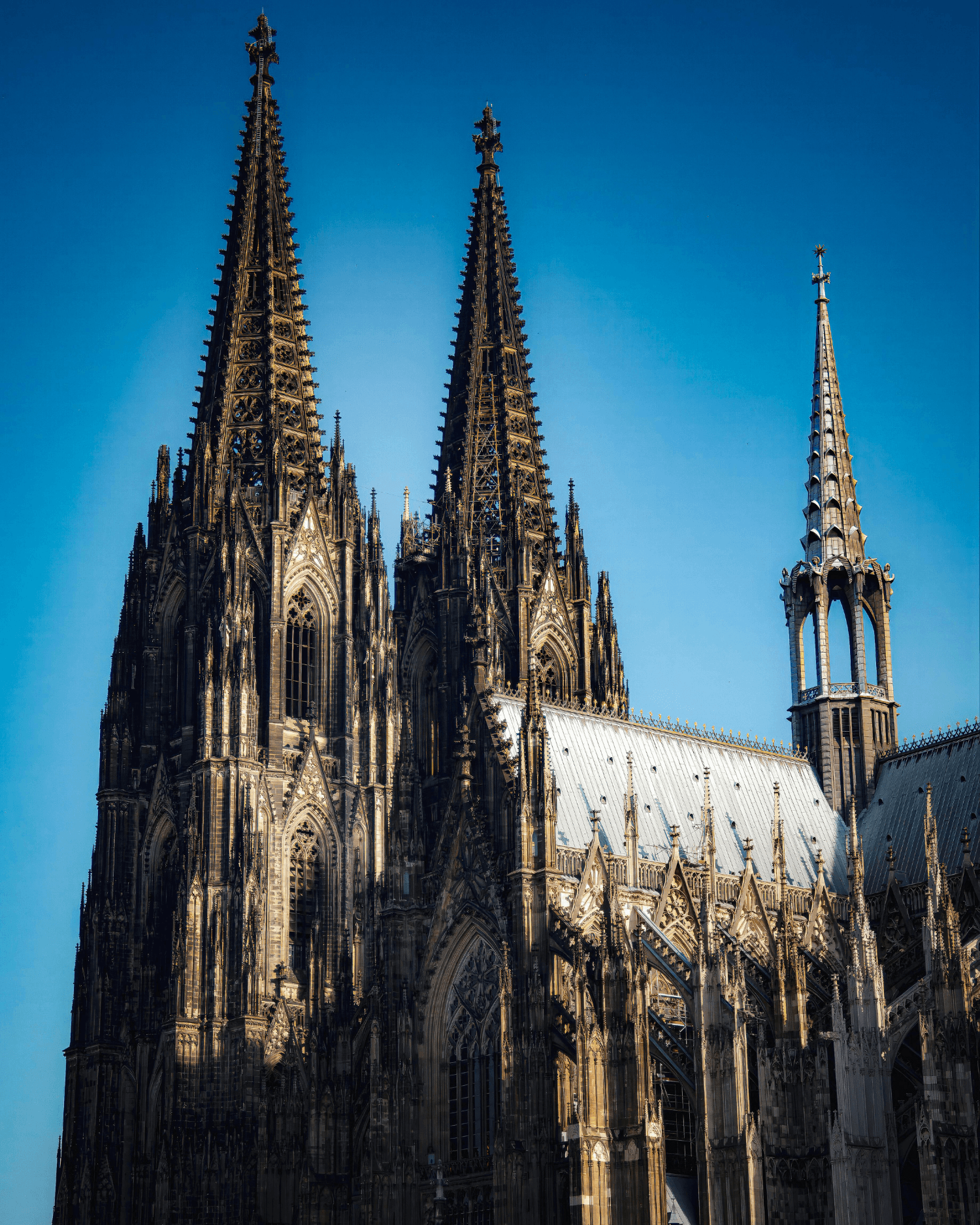
Cologne Cathedral
A masterpiece of Gothic architecture and Germany's most iconic landmark.
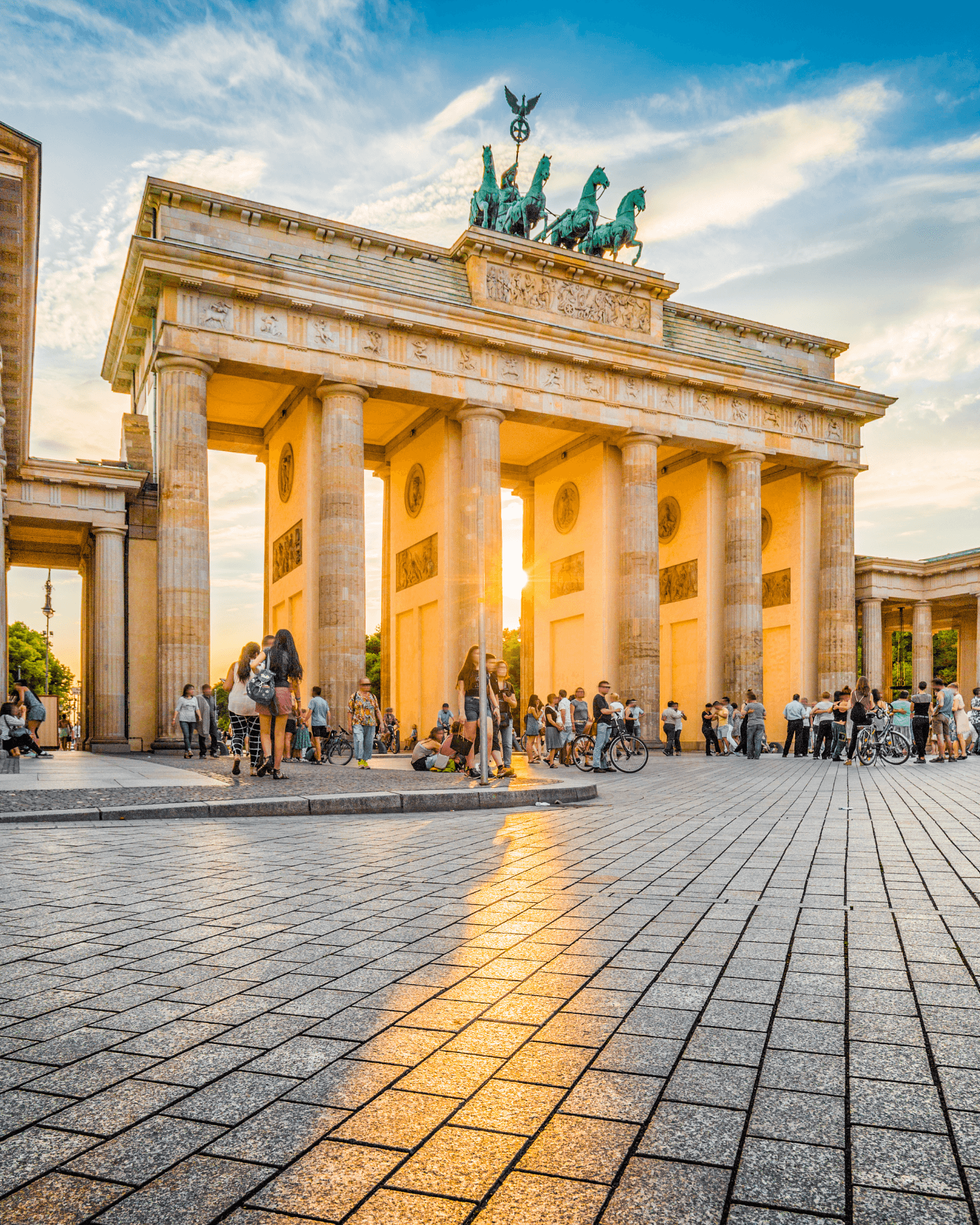
Brandenburg Gate
The symbol of Berlin and the reunified Germany.
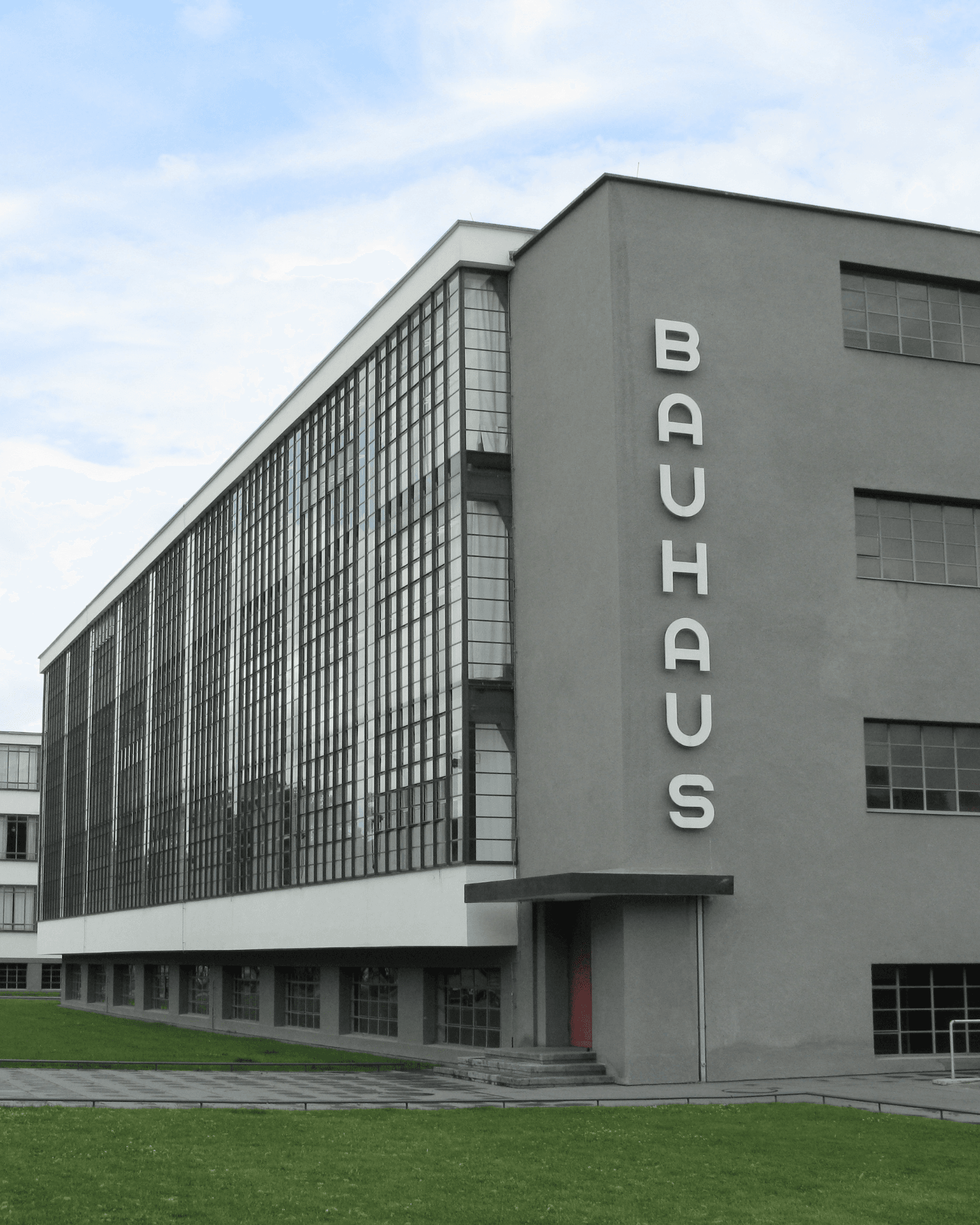
Bauhaus School
The school in Dessau where modern architecture was born.
Festivals & Special Days
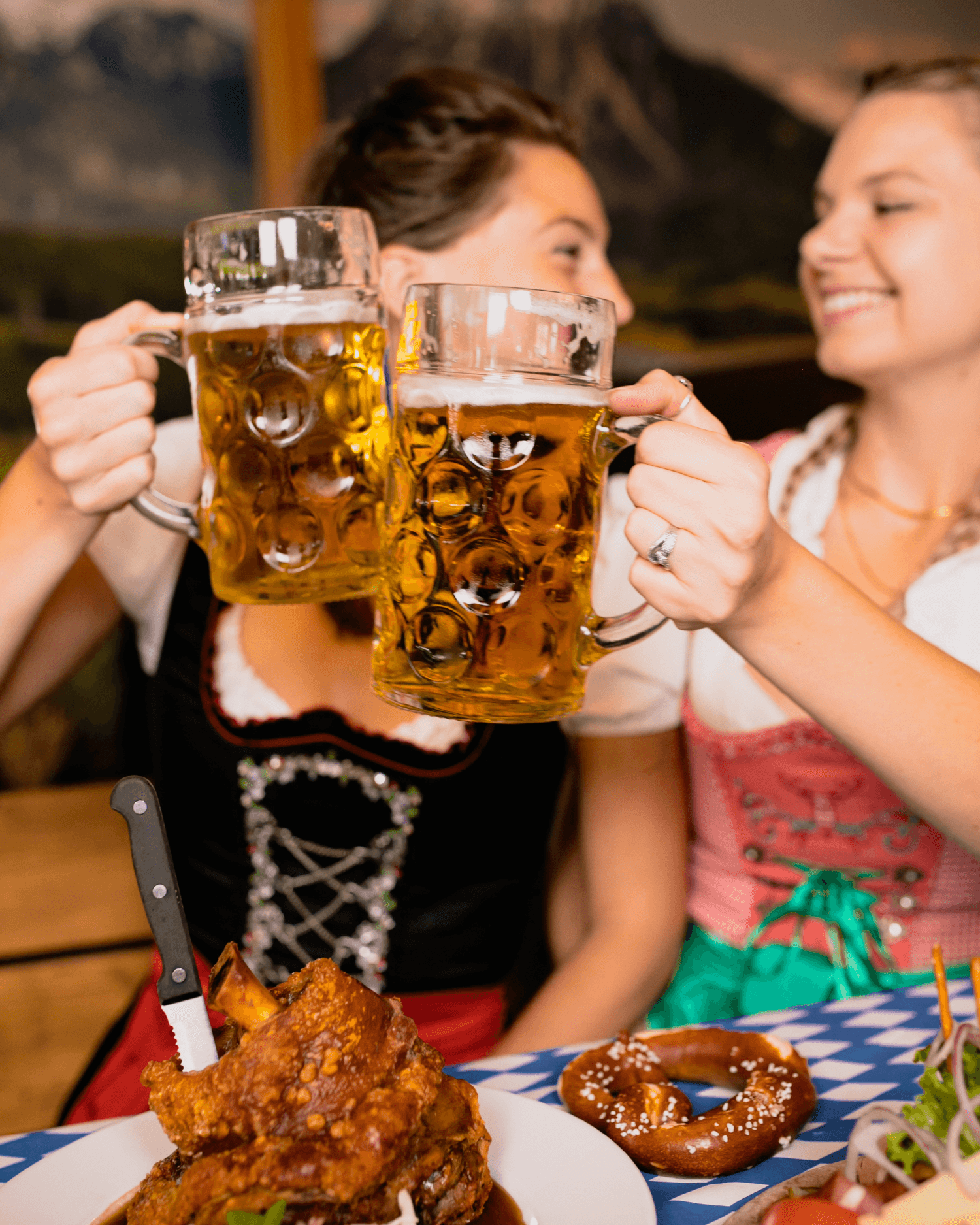
Oktoberfest
The world's largest beer and folk festival (Munich).
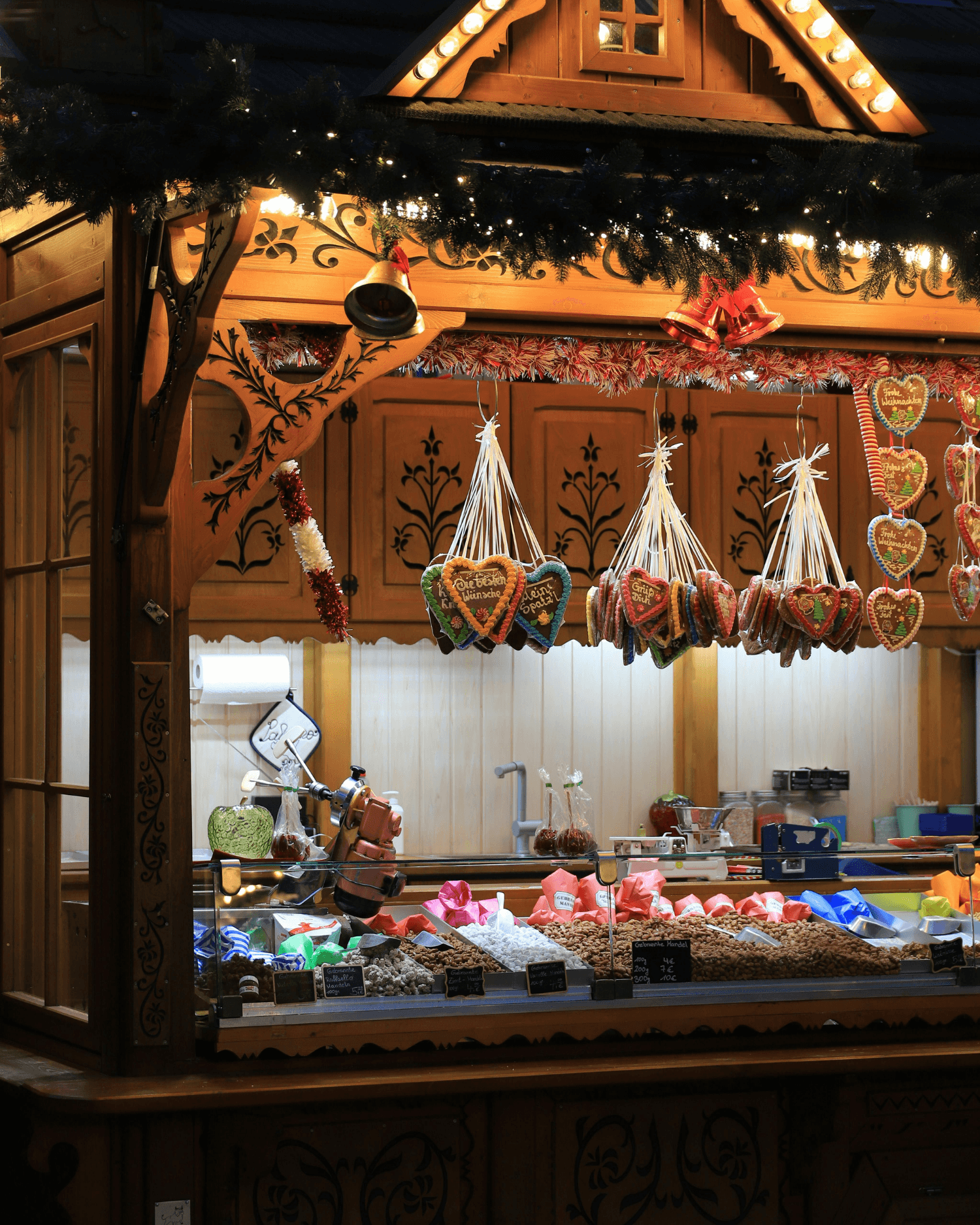
Christmas Markets (Weihnachtsmarkt)
Enchanting markets set up all over the country, especially in Nuremberg and Dresden.

Berlinale
Berlin International Film Festival.
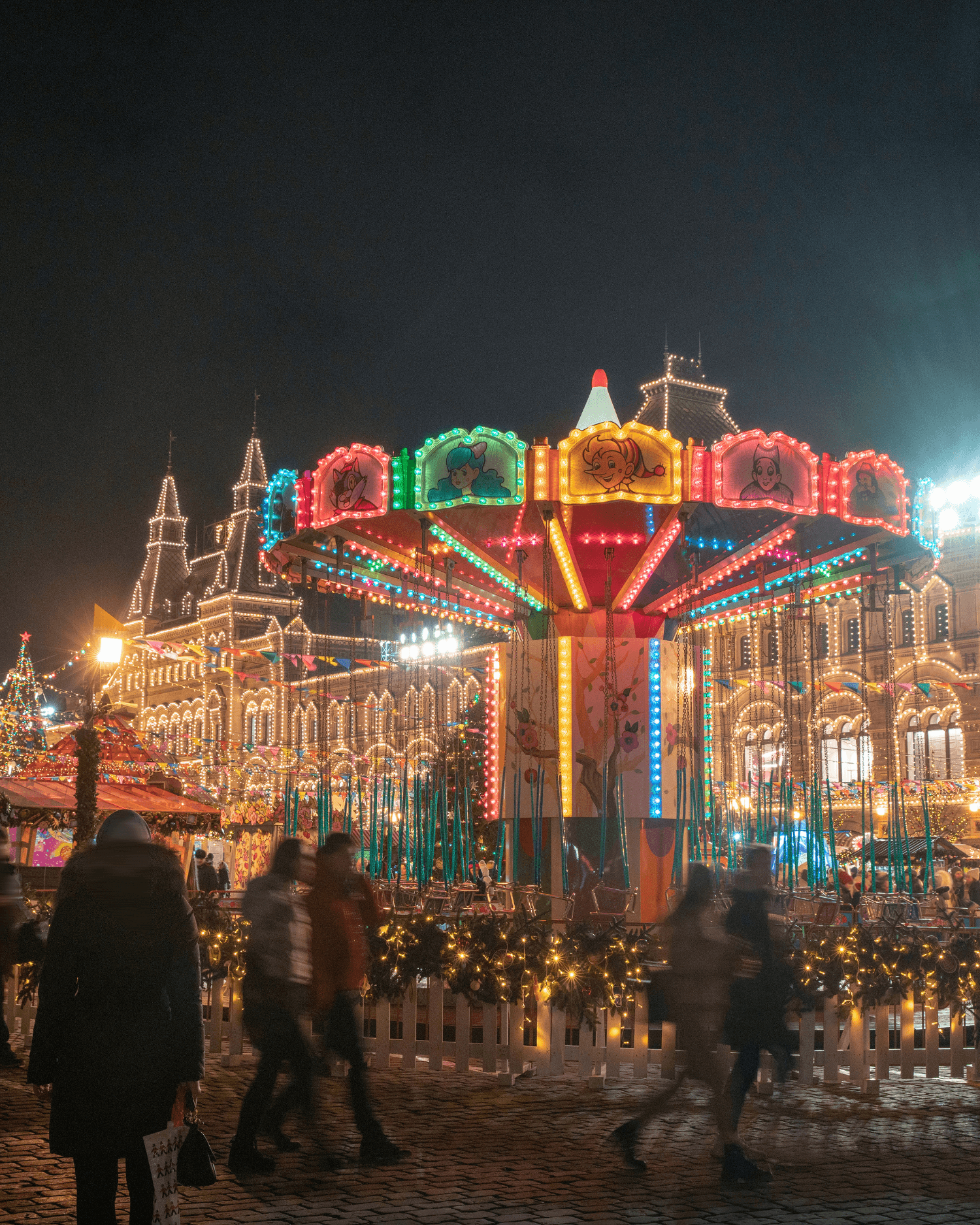
Cologne Carnival
Street celebrations known as the 'Fifth Season'.
Literature & Cinema
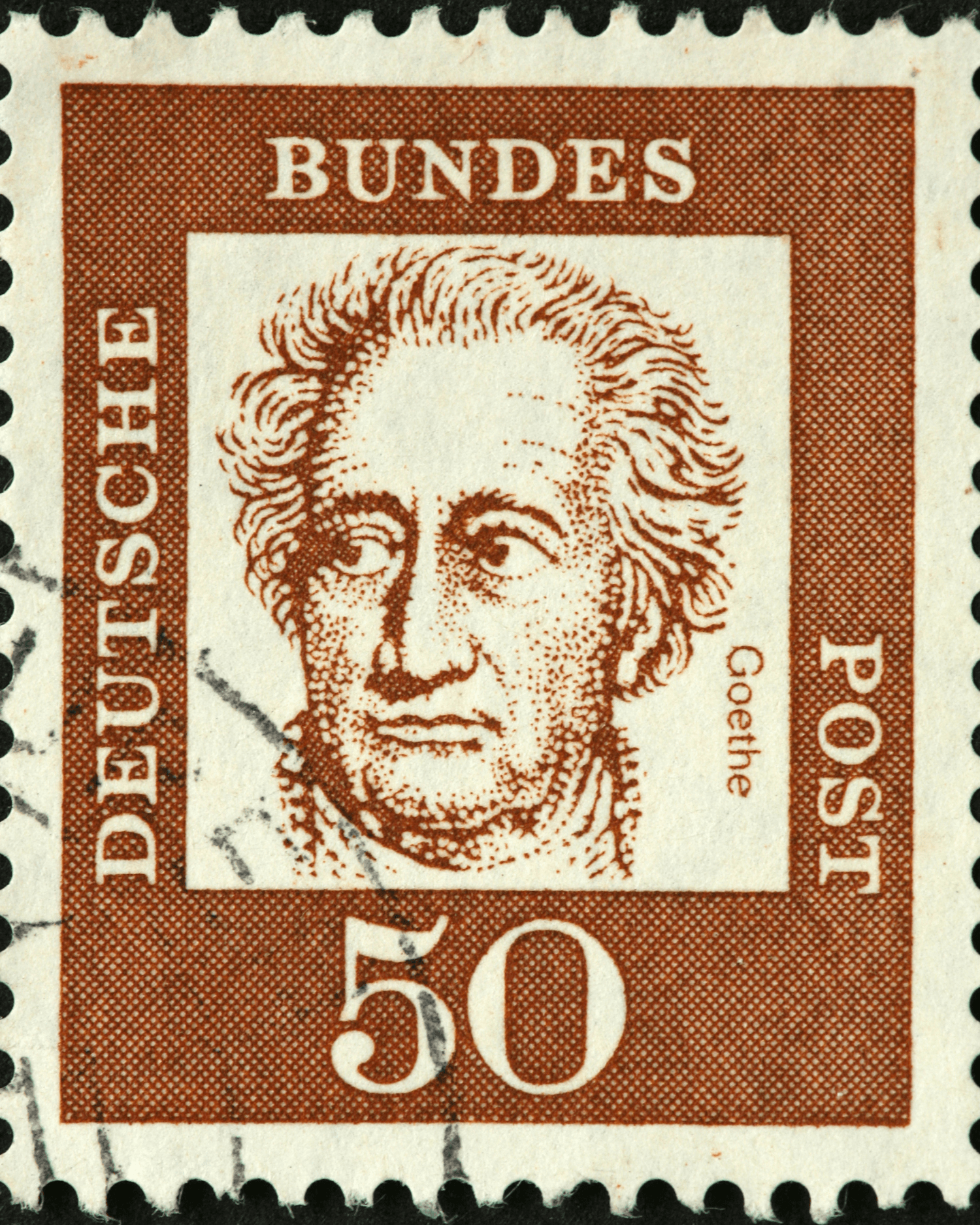
Goethe - Faust
The tragedy considered the pinnacle of German literature.
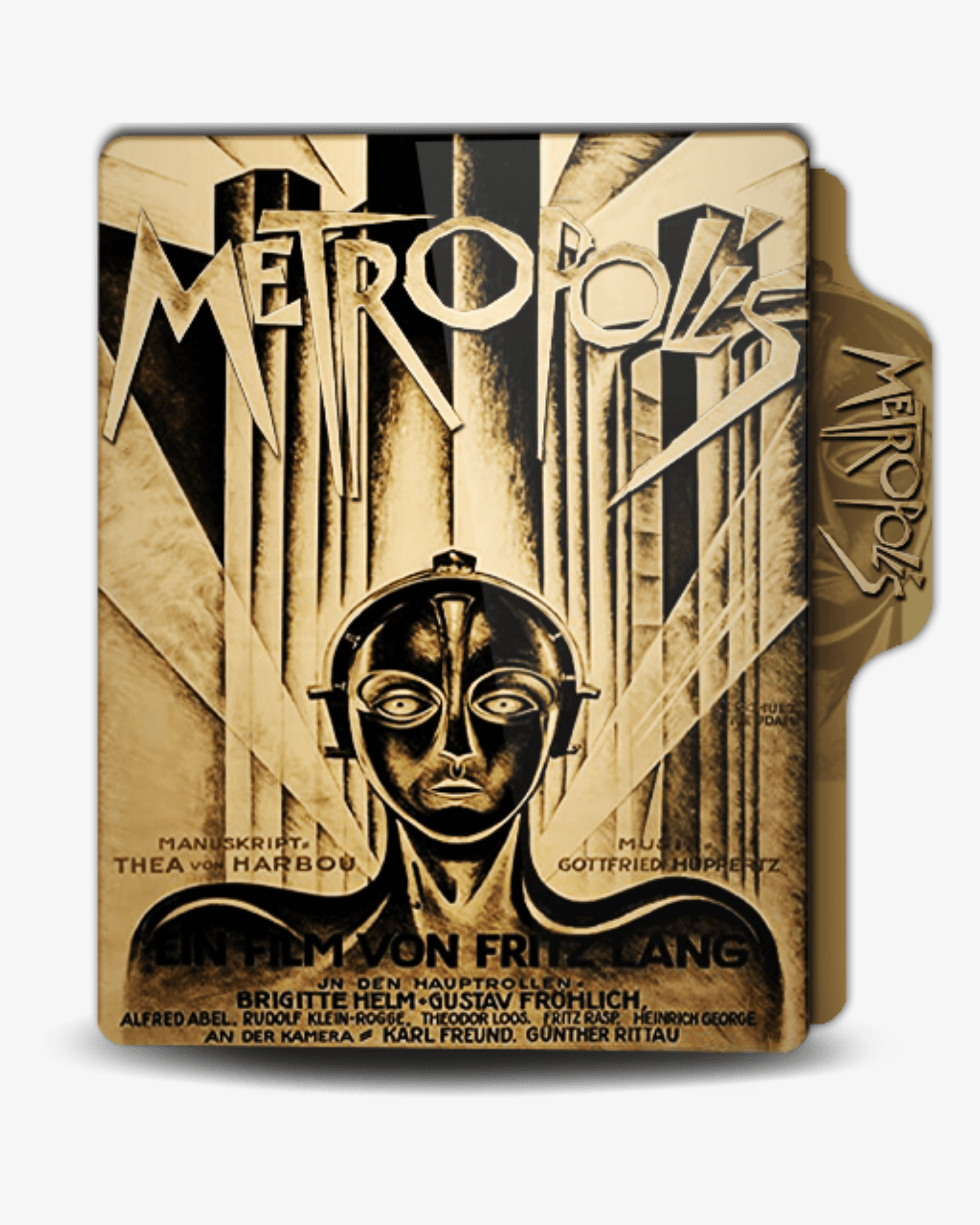
Metropolis (1927)
Fritz Lang's sci-fi masterpiece.
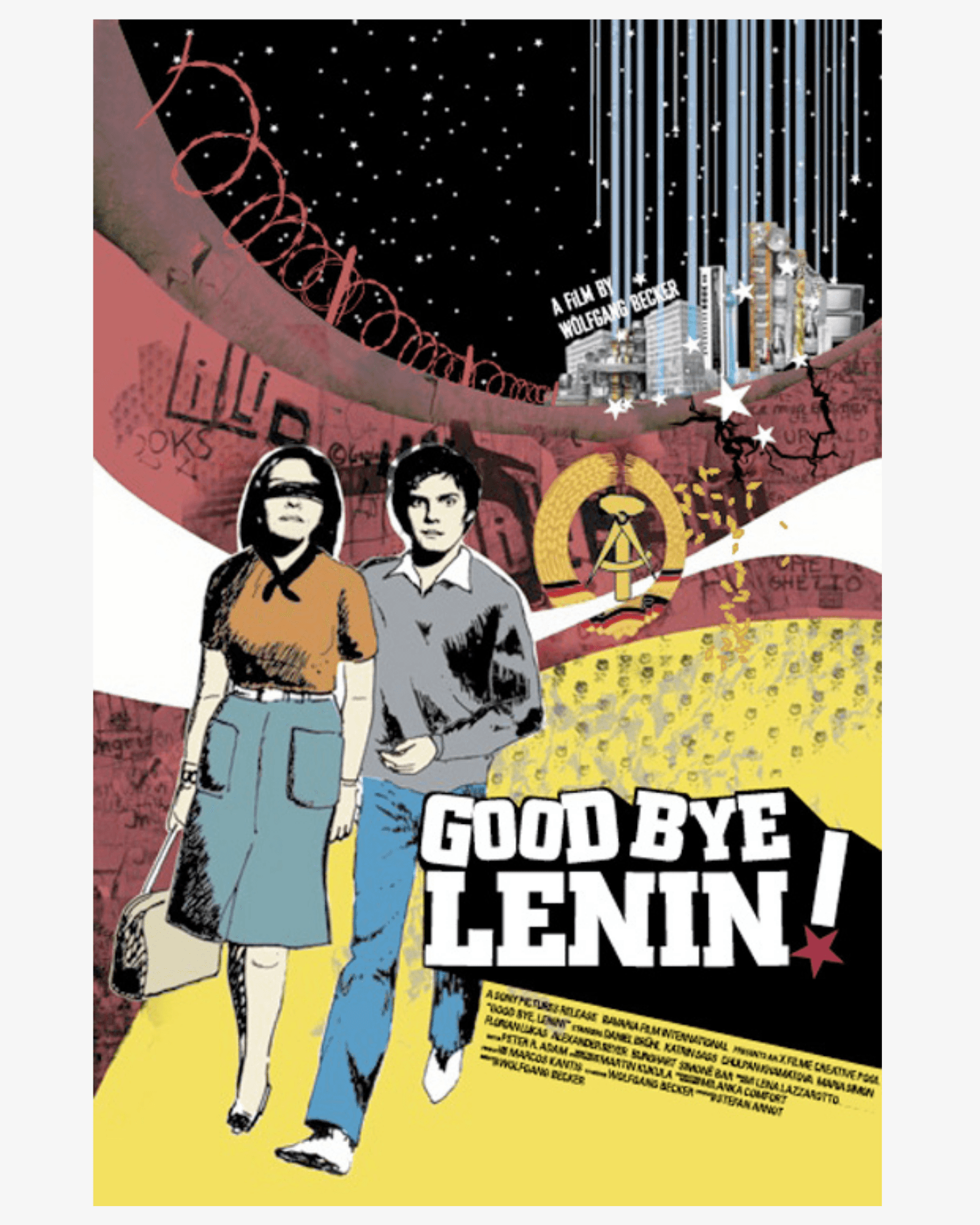
Good Bye, Lenin! (2003)
A tragicomic film depicting the reunification of East and West Germany.
Handicrafts & Shopping
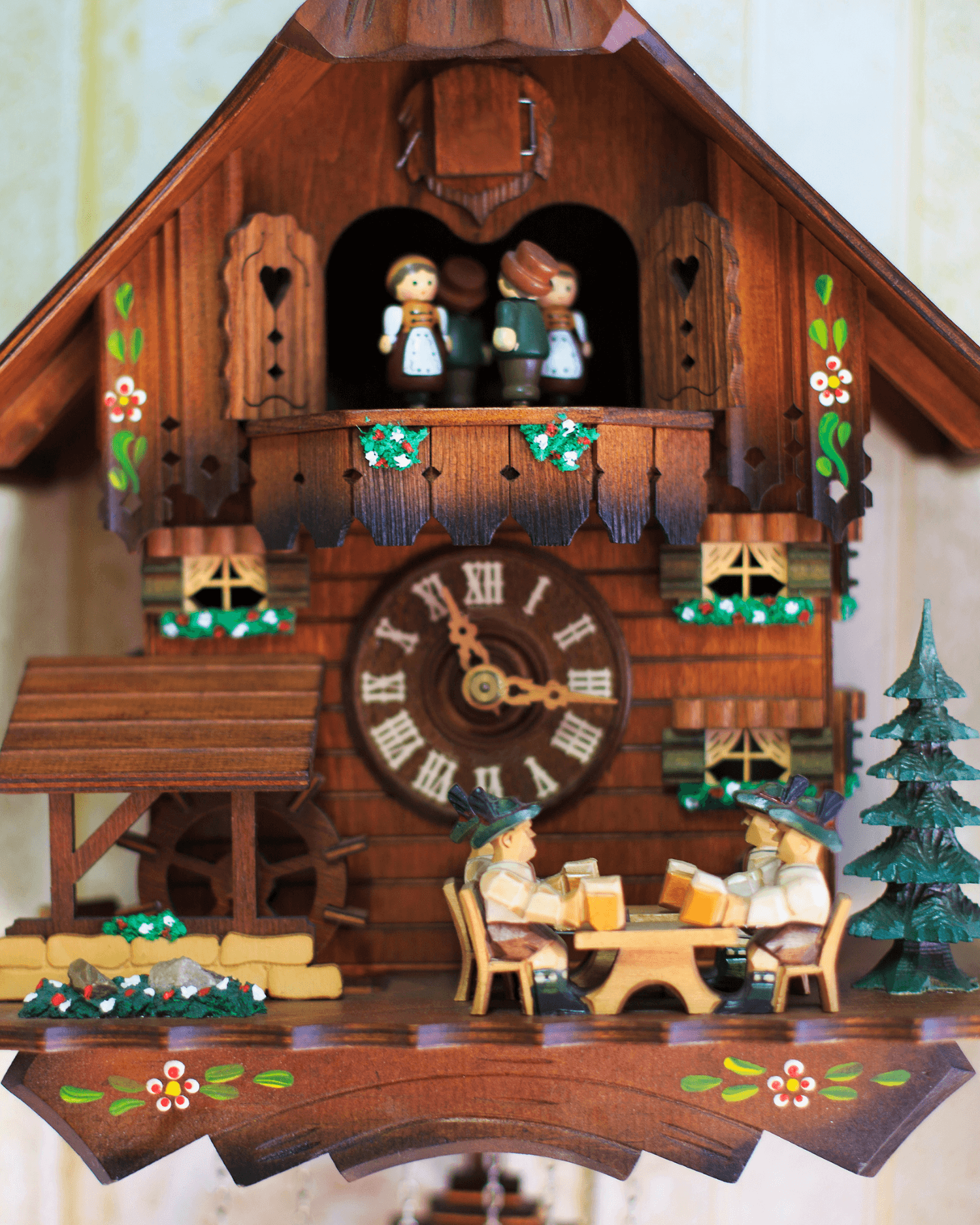
Cuckoo Clock
Handcrafted wooden clocks unique to the Black Forest region.
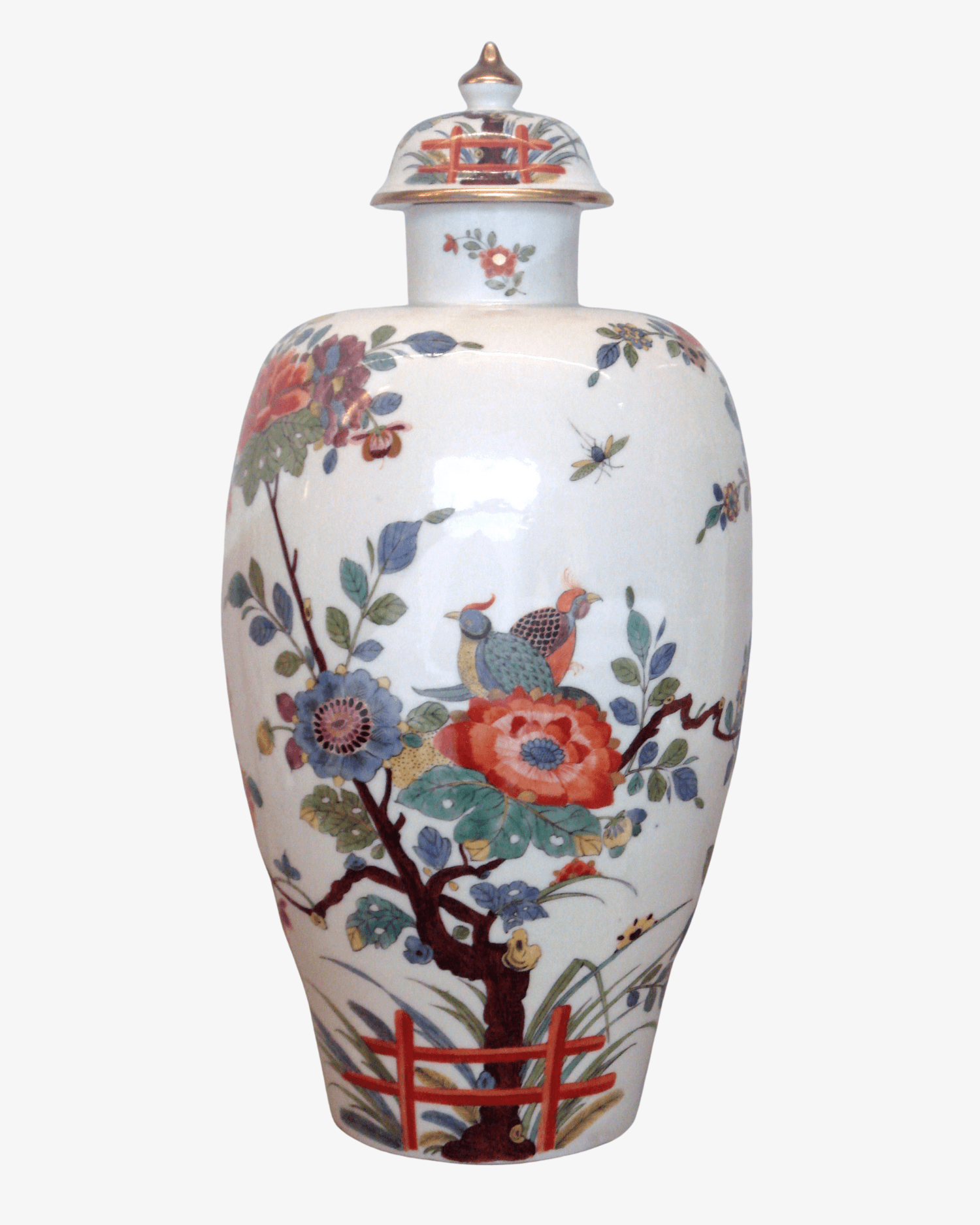
Meissen Porcelain
Europe's first hard-paste porcelain, known as 'White Gold'.
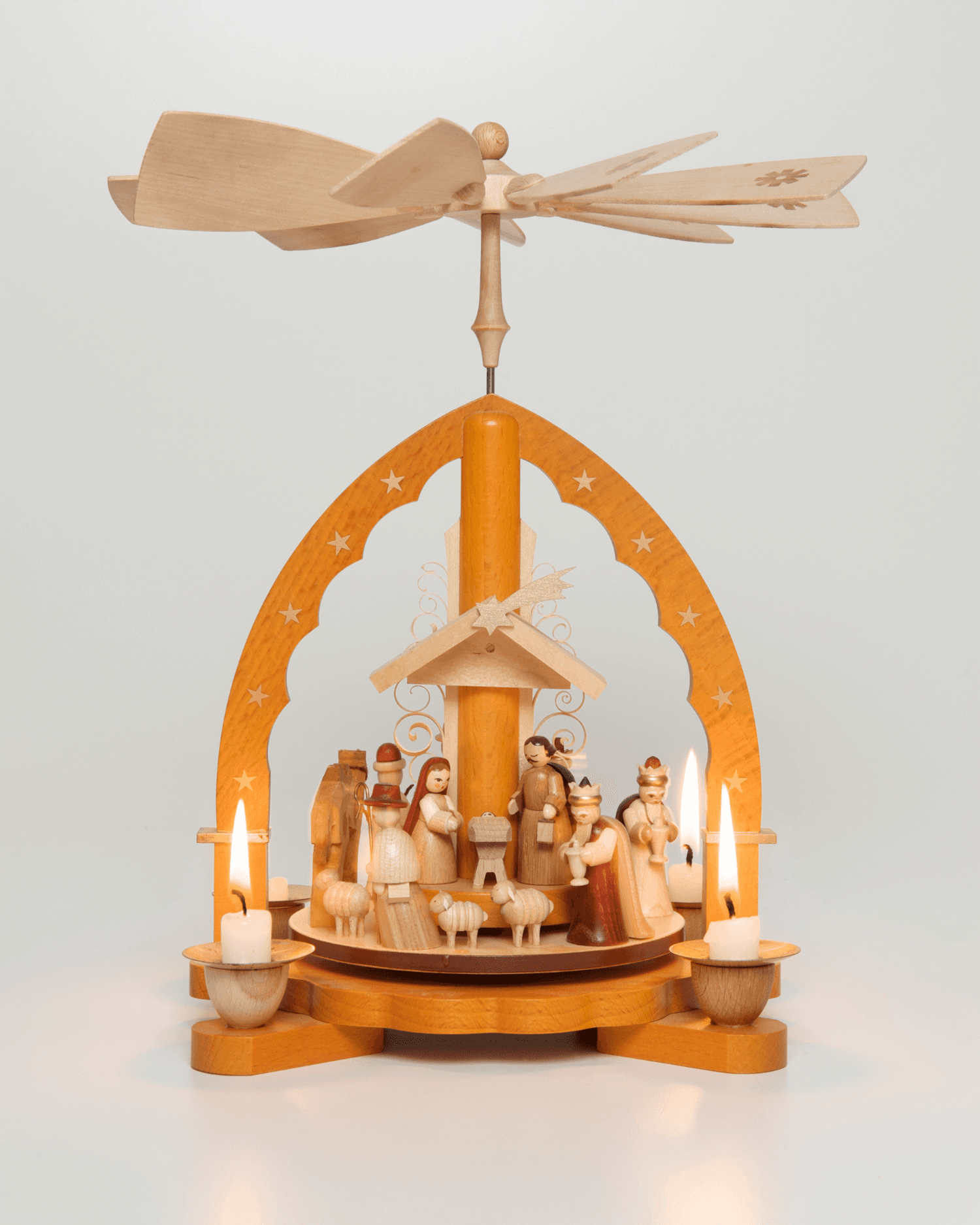
Wooden Toys
Traditional Christmas ornaments and nutcrackers from the Erzgebirge region.