Best Time to Visit
Year-round (especially spring and autumn)
Southern Europe
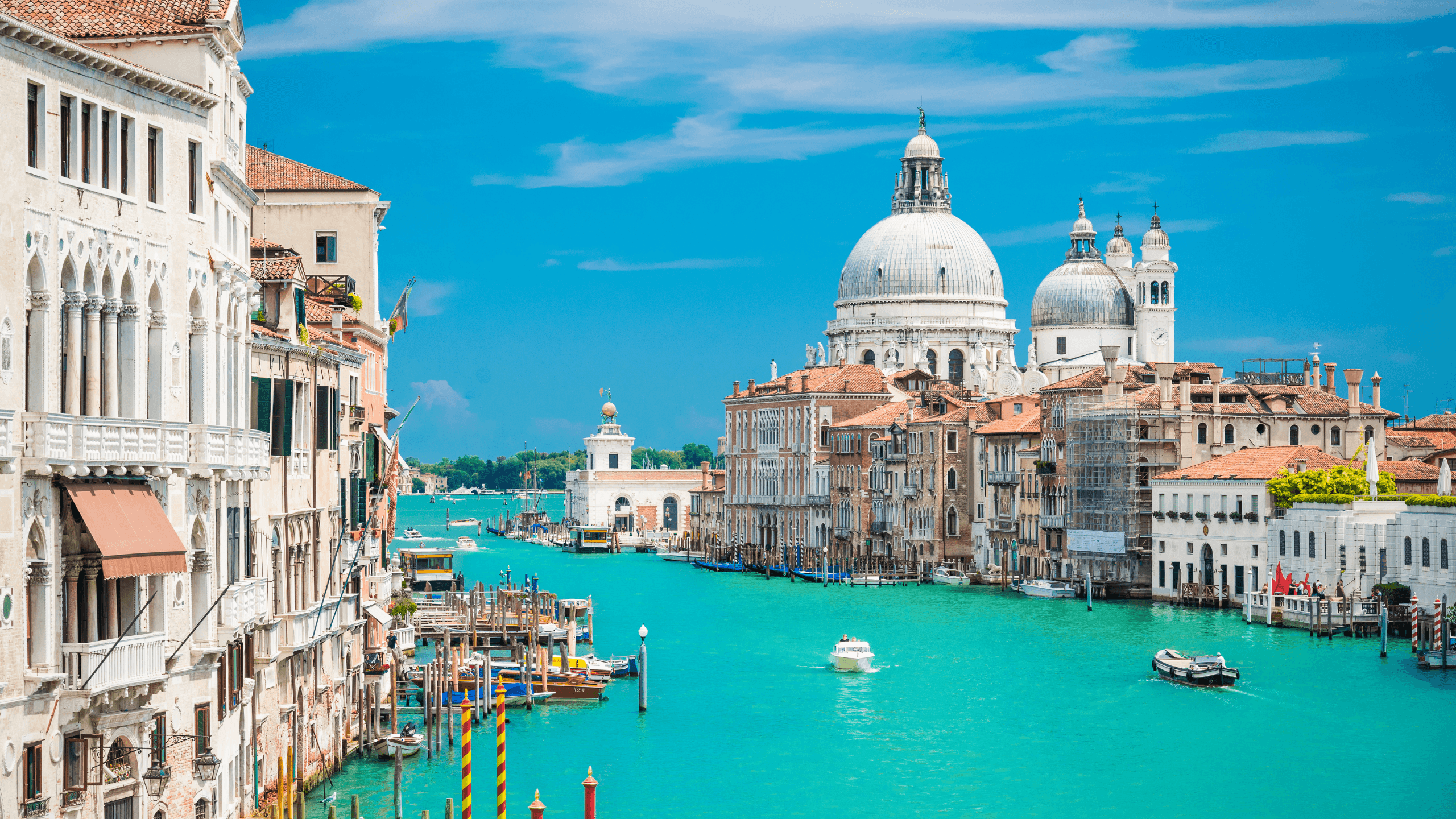
Italy is a unique Mediterranean country where history, art, and lifestyle come together in perfect harmony. With its ancient Roman heritage, Renaissance cities, and rich cultural atmosphere, the country feels like an open-air museum. From Rome to Florence, Venice to Milan, each city offers a distinct and memorable experience.
Year-round (especially spring and autumn)
Christianity (80%, predominantly Catholic)
Unitary Parliamentary Republic
Discover remarkable cities, local culture, and places worth exploring across Italy.
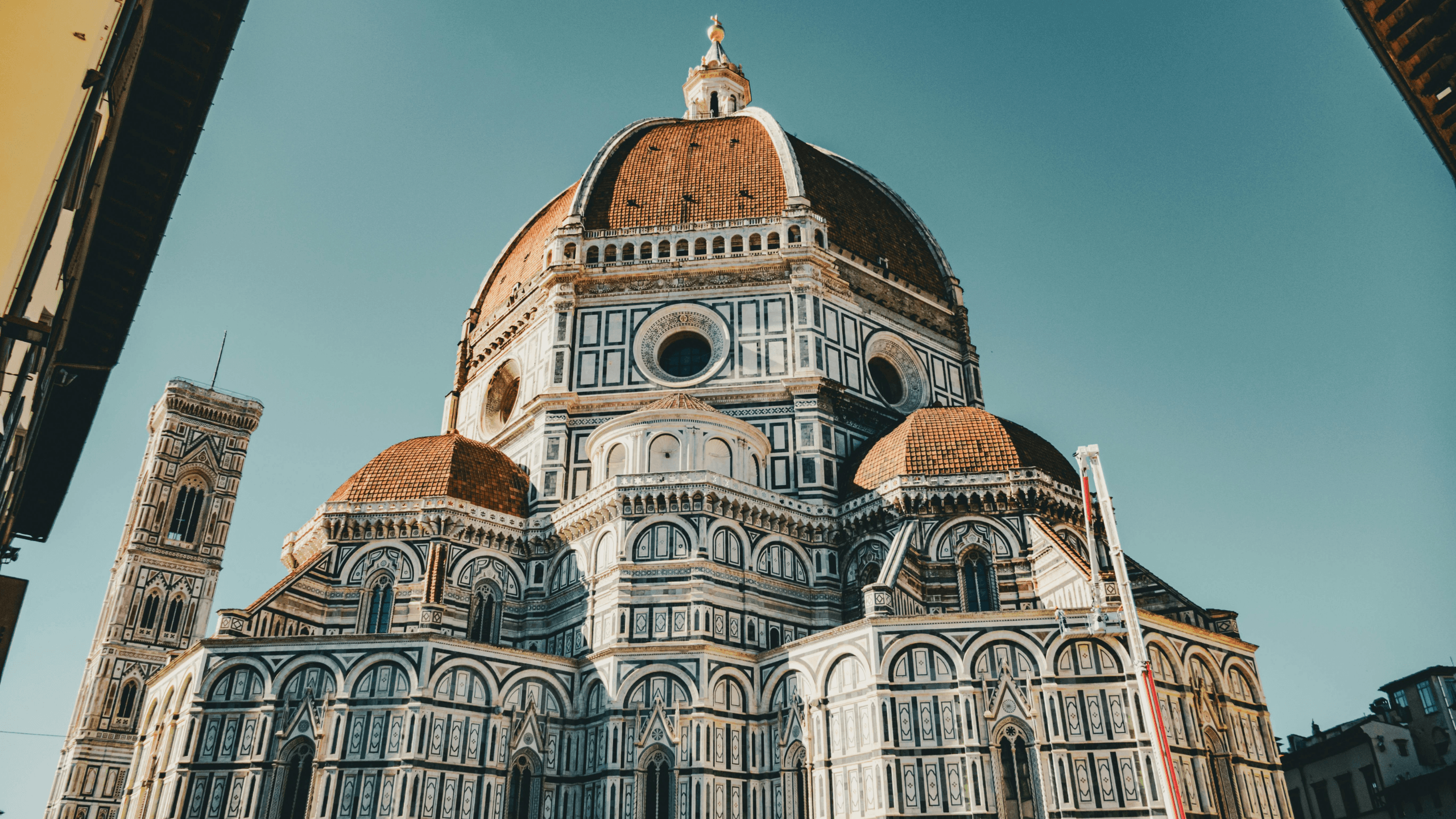
Florence, the birthplace of the Renaissance, is a captivating blend of art, history, and architecture. With its charming streets, world-renowned museums, and iconic landmarks, it offers a timeless journey for every traveler.
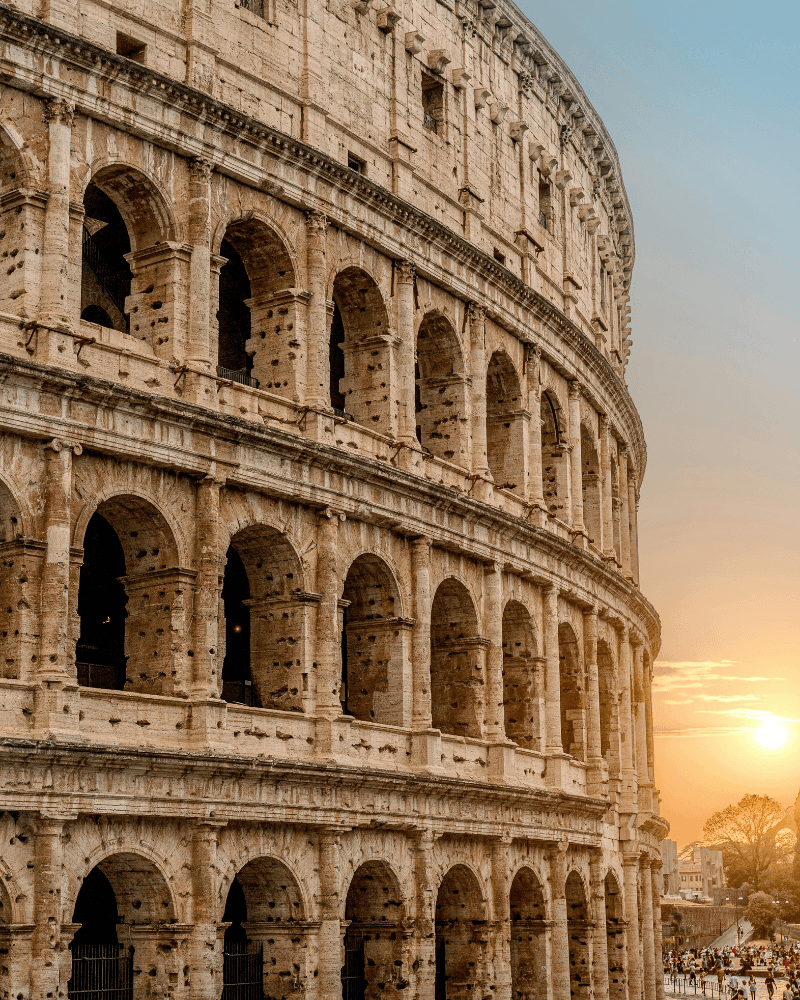
Rome, the heart of the ancient world and the capital of modern Italy, boasts thousands of years of history. From the Colosseum to the Vatican, its iconic landmarks, rich art, and vibrant streets offer an unforgettable journey through time and culture.
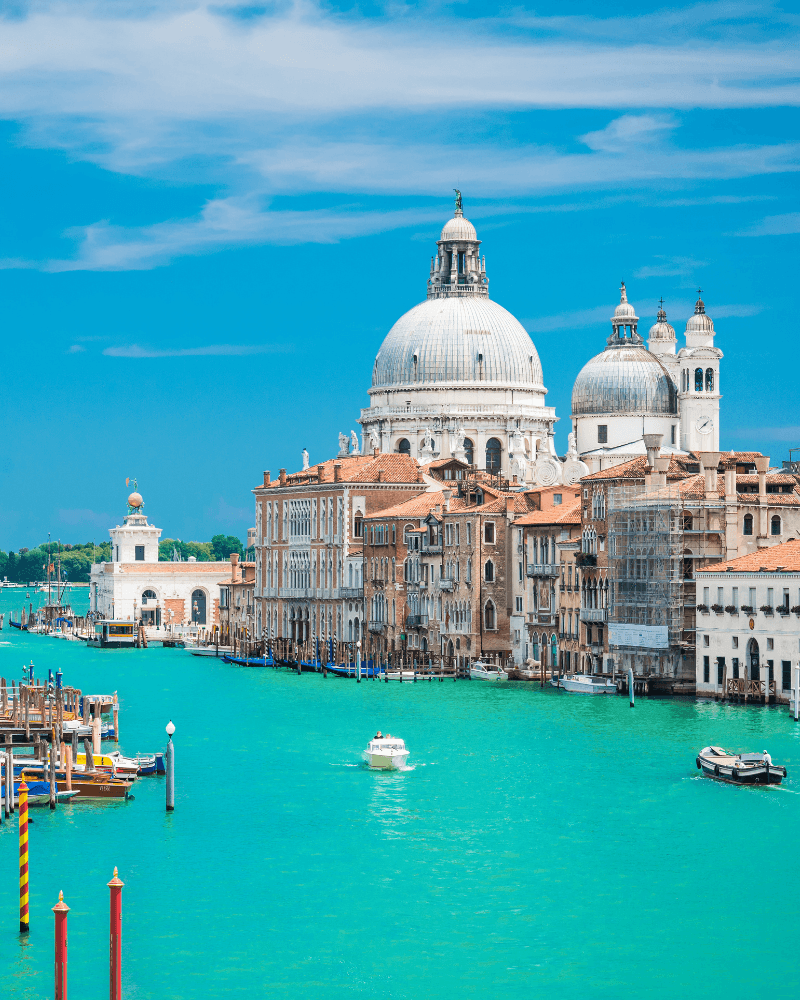
Set within a lagoon on Italy’s northeastern Adriatic coast, Venice is a world of canals, stone bridges, and historic palaces. The grand buildings lining the Grand Canal, St. Mark’s Square, St. Mark’s Basilica, and the Doge’s Palace reflect the city’s rich maritime trading history. Wandering through narrow lanes and small squares reveals a different view of Venice around every corner. The city’s appeal extends well beyond its famous landmarks. Explore everyday life in Cannaregio and Dorsoduro, or stop at a traditional bacaro to sample cicchetti, small Venetian bites. Across the lagoon, Murano’s glassmaking traditions and Burano’s colorful houses offer further discoveries. Bringing together art, architecture, and a way of life shaped by water, Venice offers an unforgettable travel experience.
Plan your trip to Italy with practical information on transport, entry requirements, payments, safety, health, and local etiquette.
Urban transportation in Italy is well developed in major cities, with metro, bus, and tram networks; metro systems are commonly used in cities such as Rome and Milan. High-speed trains provide fast and comfortable travel between cities. In historic centers, restricted traffic zones (ZTL) limit car access, which is important for those renting vehicles to consider. In smaller towns, regional trains and buses play a key role.
The best time to visit Italy is generally during spring and autumn. From April to June and September to October, mild weather makes it ideal for cultural exploration, gastronomy, and city trips. Coastal areas are lively in summer, although temperatures and crowds increase. In winter, skiing is popular in the north, while the south enjoys milder weather.
Italy uses a 220V, 50Hz electrical system. Type C and L plugs are commonly used, although some places offer multi-standard sockets. Wi-Fi is widely available in hotels, cafés, and many public areas. For longer stays, using a local SIM card or eSIM can be a practical solution.
Italy is part of the Schengen Area. Entry is generally visa-free and straightforward for EU/EEA and Swiss citizens. Many other nationalities require a Schengen visa. Entry requirements and passport conditions should always be checked through official sources before travel.
The currency in Italy is the Euro. While card payments are widely accepted, it is useful to carry some cash for small cafés, markets, and local businesses. Larger cities and tourist areas tend to be more expensive. Restaurants may charge a “coperto” (cover charge), typically around €1–€3 per person; tipping is not mandatory but leaving a small amount is appreciated.
Italy is generally a safe destination for tourists; however, pickpocketing can be more common in large cities such as Rome, Milan, Florence, and Naples, as well as in busy transport hubs. It is advisable to keep an eye on personal belongings in crowded areas. Extra caution is recommended in quieter areas late at night.
Social life in Italy is vibrant, and food culture plays a central role in daily life. Long, leisurely meals—especially in the evening—are an important part of social interaction. People are generally warm and expressive, while politeness, personal space, and basic etiquette are respected. Daily rhythms vary by region; in smaller towns, some businesses may close during midday for a break known as “riposo.” This reflects a broader cultural emphasis on enjoying life and appreciating everyday moments. Using a few basic Italian phrases in non-touristic areas is often appreciated.
Healthcare services in Italy are generally of high quality, and pharmacies are widely available. Tap water is safe to drink in most cities. During summer, especially in southern regions, temperatures can be high, so precautions against sun exposure, dehydration, and prolonged outdoor activity are recommended. Basic healthcare access is generally easy in tourist areas. In some regions, mosquito-related discomfort may occur in summer, and pollen allergies can be common in spring.
In Italy, the single general emergency number is 112. Additional direct numbers are also in use: 113 for state police, 118 for ambulance, and 115 for fire services.
Visa, health, and safety information may change over time. Check current information from official sources before traveling.
Italian cuisine is based on the elegance of simplicity. High-quality ingredients and strong regional diversity define its culinary identity.
The day typically starts with an espresso and a cornetto. Lunch is important. Dinner (cena) is usually eaten after 8 PM. Aperitivo is a common pre-dinner social ritual.
“Buon Appetito” is said before eating. Spaghetti is eaten with a fork only. Bread is usually not eaten together with pasta.
Tap water is generally safe to drink, but bottled water is commonly preferred in restaurants. “Naturale” (still) and “Frizzante” (sparkling) options are offered.
There are no major dietary restrictions. Pork products are common, and seafood is especially popular in coastal regions.
Wine is commonly enjoyed with meals. A digestivo (such as Limoncello or Grappa) is popular after meals. Cappuccino is generally not consumed in the afternoon.
Tipping is not mandatory. A “coperto” (cover charge) is often added in restaurants. Small rounding is common.
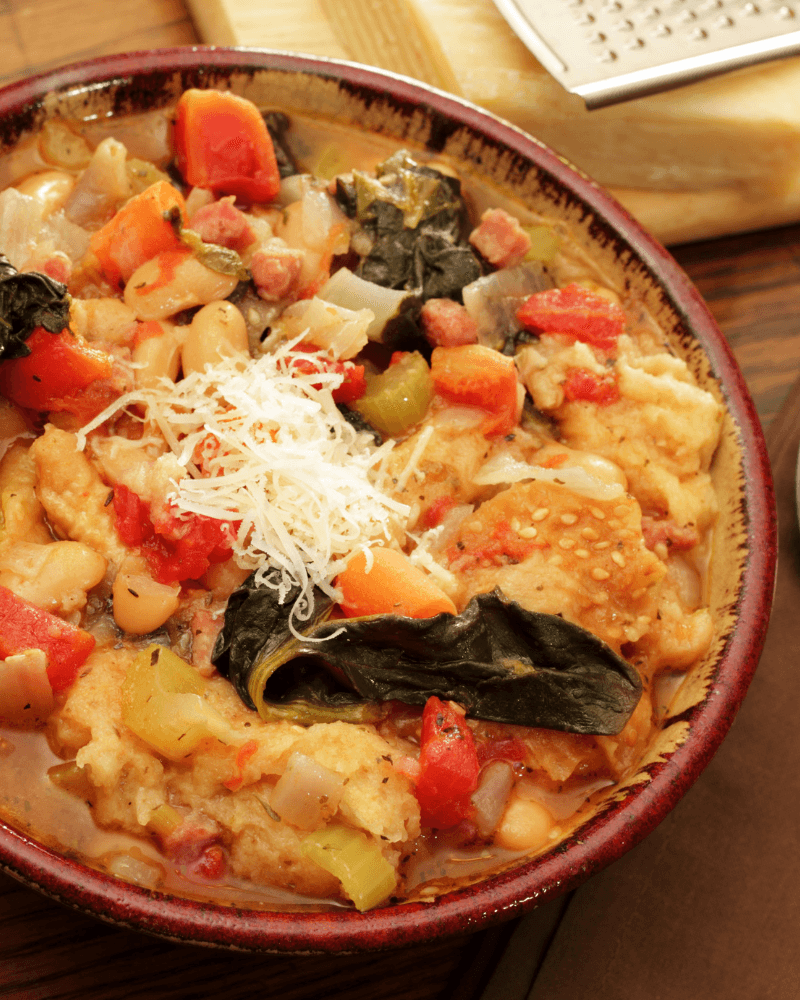
Ribollita is a traditional vegetable soup from Tuscan cuisine, especially associated with Florence. It is made with beans, kale, vegetables, and stale bread. Its name means “reboiled,” referring to the tradition of reheating the dish the next day to develop a deeper, richer flavor.
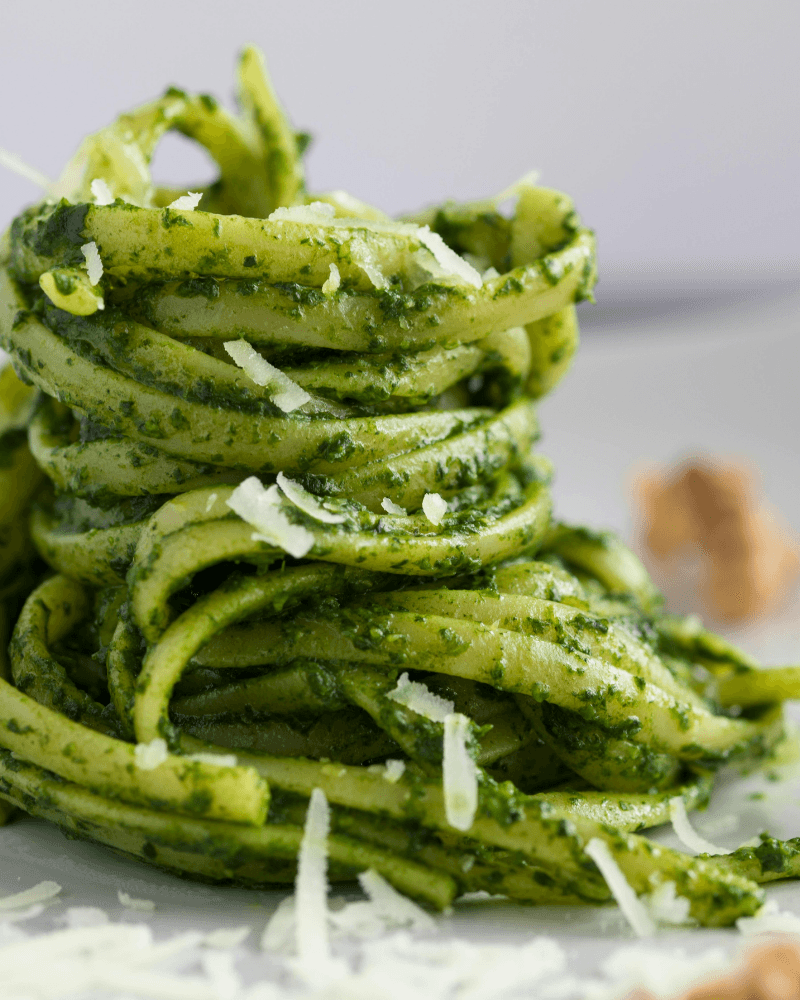
Pesto alla Genovese is one of the most famous sauces of the Liguria region, especially associated with Genoa. It is traditionally made with fresh basil, pine nuts, Parmigiano Reggiano, Pecorino, garlic, olive oil, and salt. With its fresh and aromatic character, it is one of the classic flavors of Italian cuisine, especially served with pasta.
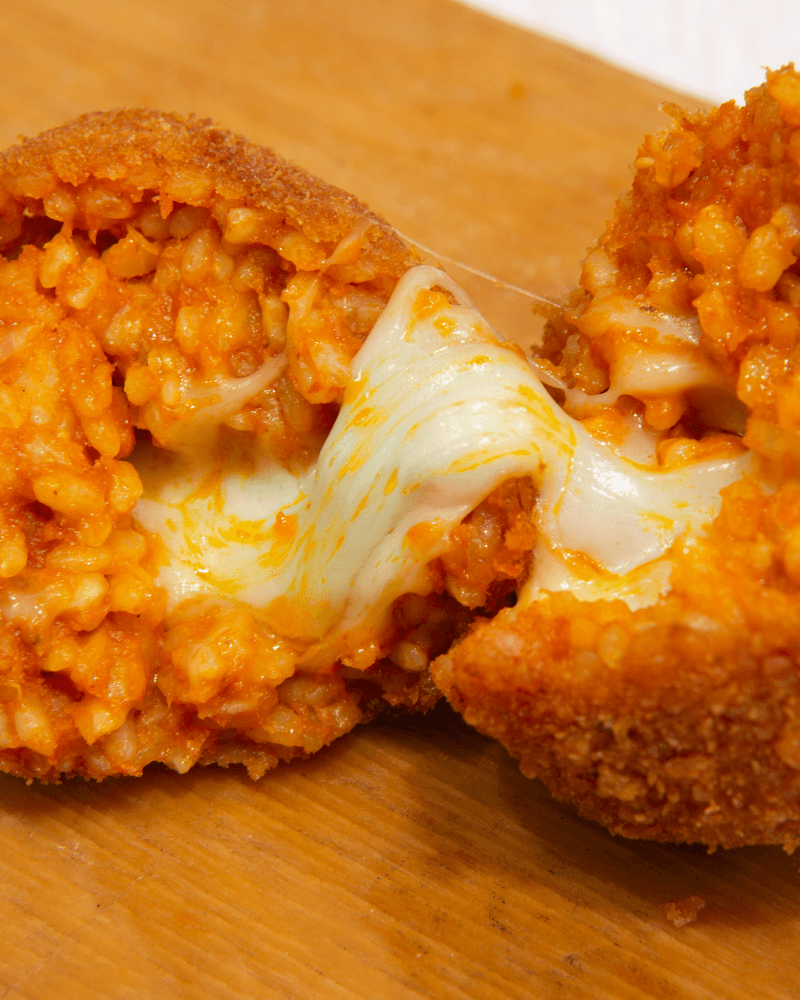
Supplì is a traditional street food specialty from Rome. It is usually made with tomato rice, mozzarella, and sometimes meat sauce, then coated in breadcrumbs and fried. With its crispy exterior and soft, cheesy center, it is one of the most beloved snacks of Roman cuisine.
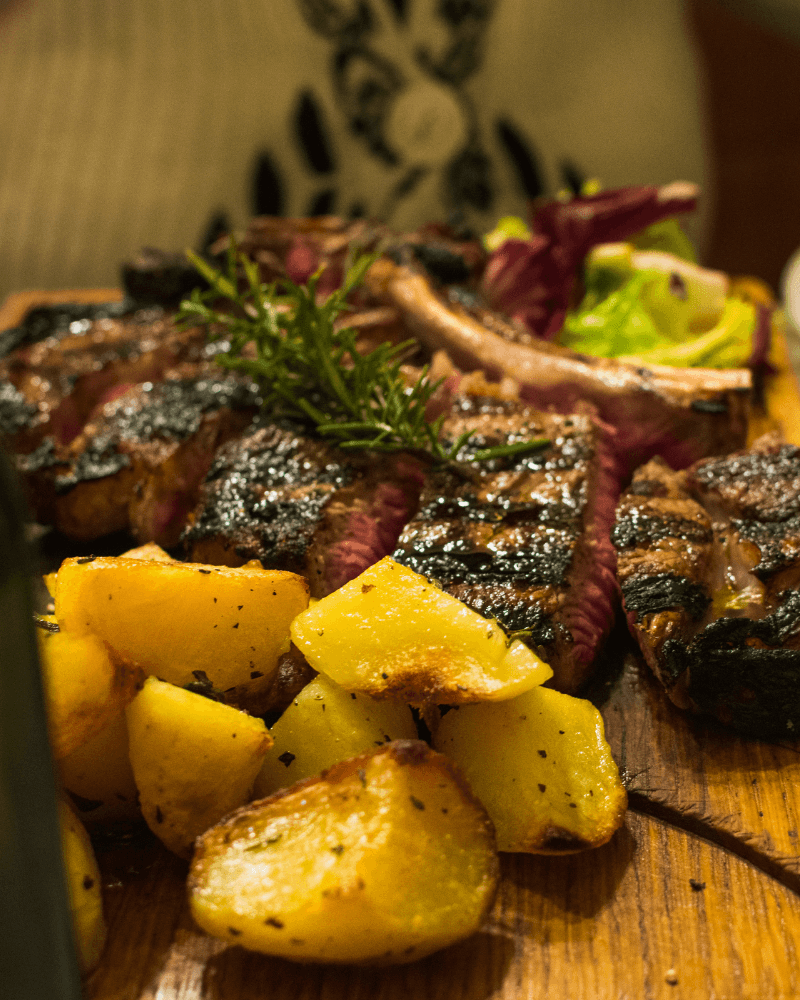
Bistecca alla Fiorentina is one of the most iconic meat dishes of Florence and Tuscan cuisine. It is typically prepared from a thick-cut T-bone beef steak cooked briefly over high heat. Seared on the outside and left juicy inside, it is considered a simple yet powerful classic that highlights the quality of the ingredient.
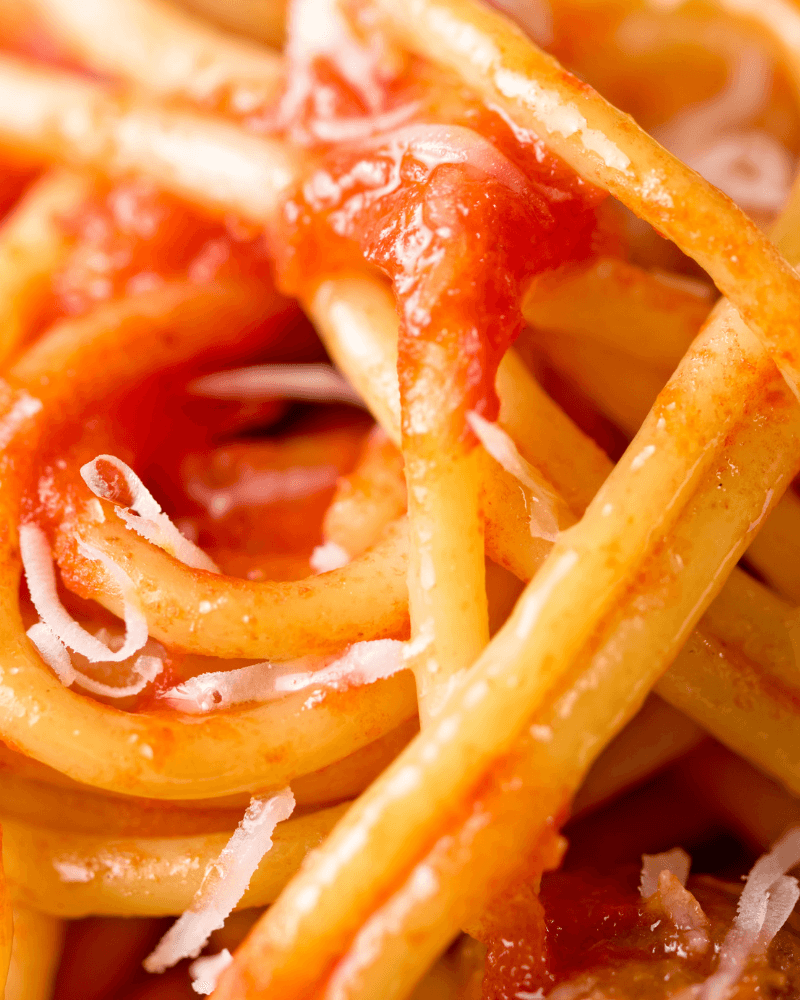
Amatriciana is one of the most beloved pasta sauces of Roman cuisine. It is traditionally prepared with tomatoes, guanciale, Pecorino Romano cheese, and black or chili pepper. With its bold aroma and balanced flavor, it is considered one of Italy’s most iconic classics.
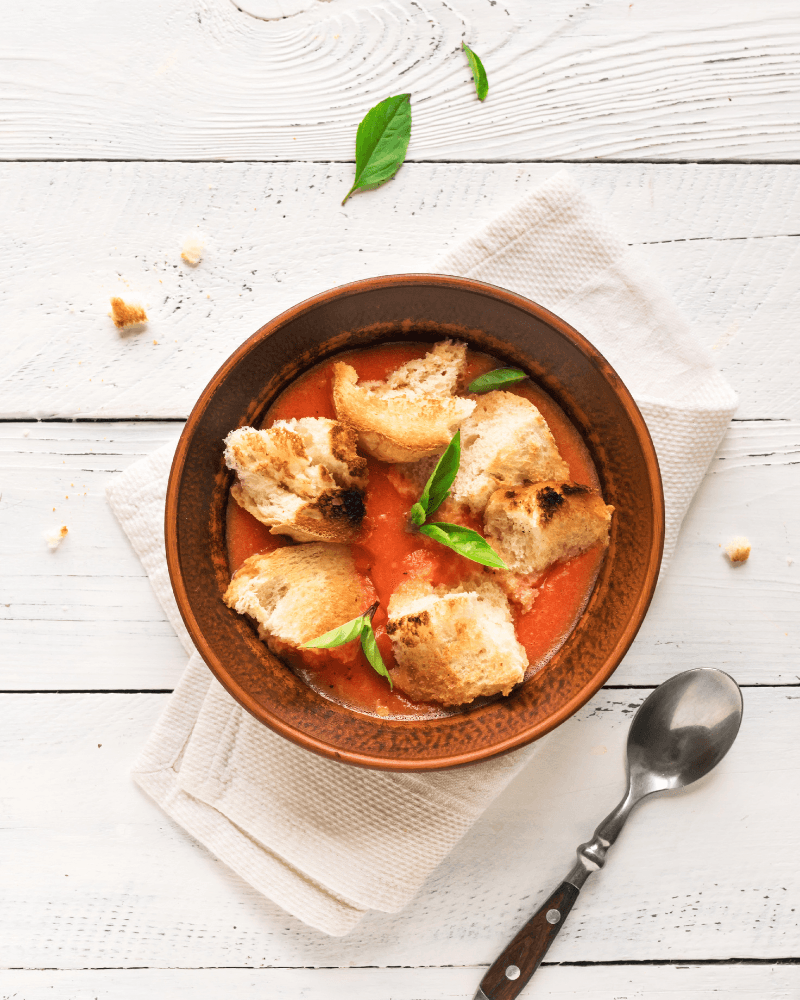
Pappa al Pomodoro is a traditional tomato and bread dish from Tuscan cuisine. It is made with ripe tomatoes, garlic, olive oil, and stale bread. With its thick texture and rich aroma, it stands out as a warm and simple comfort food of home cooking.
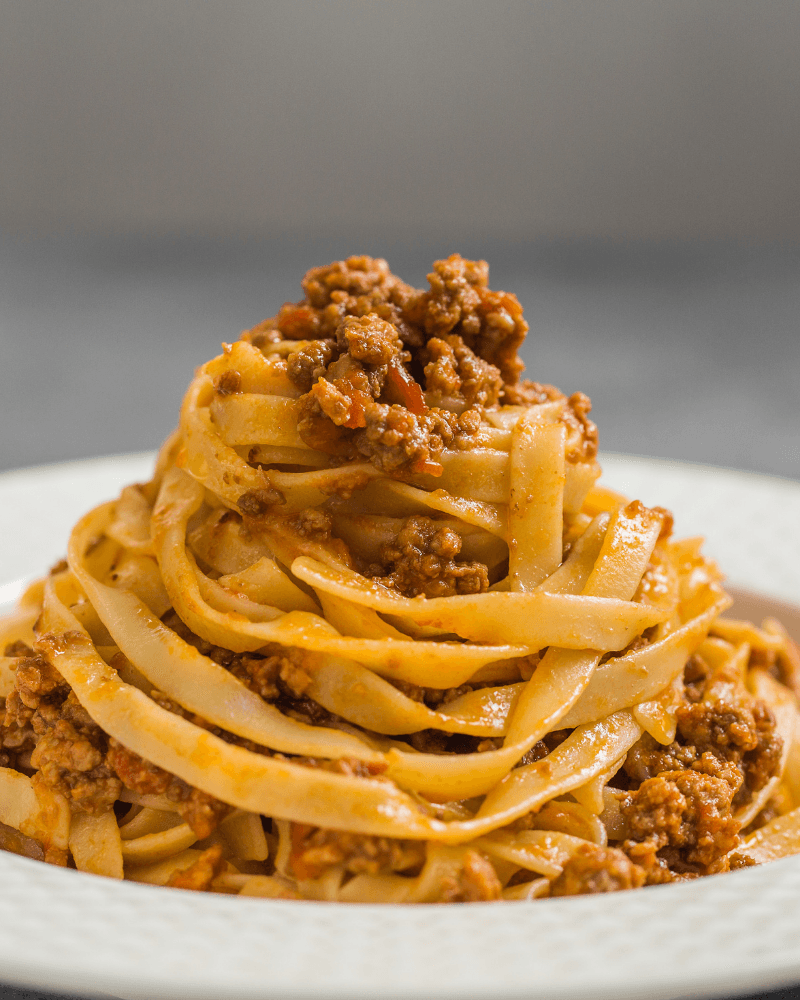
Tagliatelle al Ragù is one of the most classic pasta dishes of Emilia-Romagna cuisine and is especially associated with Bologna. Fresh tagliatelle pasta is served with a slow-cooked meat-based ragù sauce. With its rich aroma and hearty character, it is one of the best-known traditional flavors of Italian cuisine.
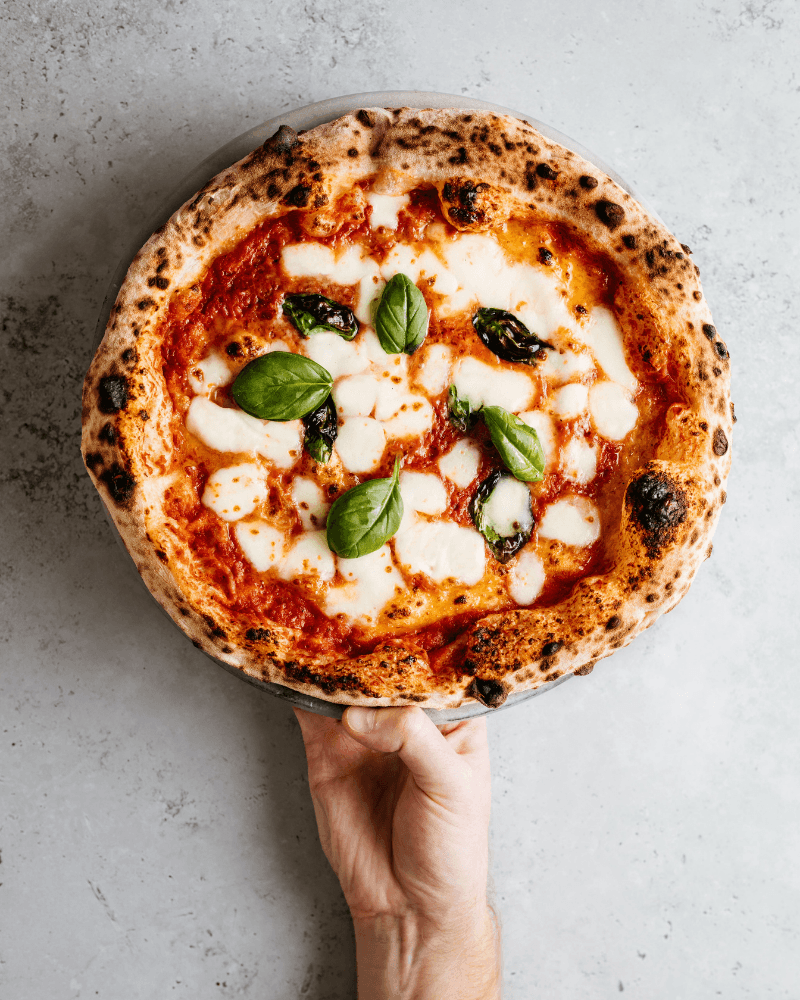
Pizza Napoletana is a Naples-origin dish and one of Italy’s most famous foods. It is known for its thin center, airy crust, and simple yet high-quality ingredients. Margherita and Marinara are among the most classic examples of this tradition.
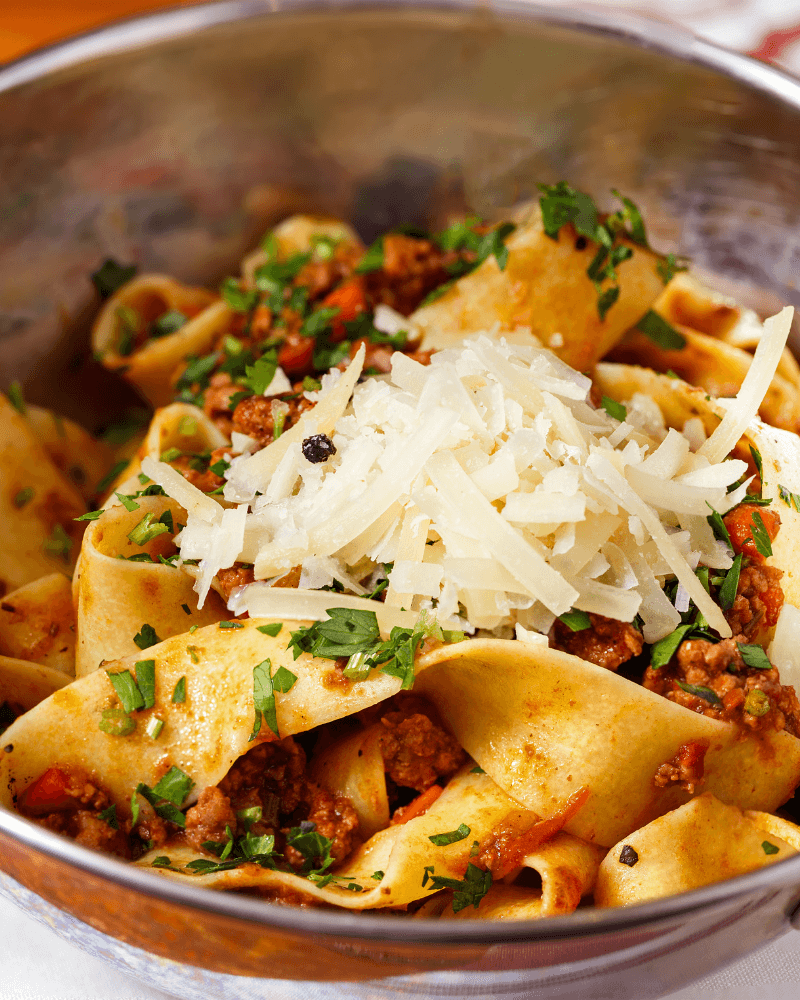
Pappardelle al Cinghiale is a traditional pasta dish from Tuscany. The wide ribbon-like pasta, pappardelle, is served with a slow-cooked wild boar sauce. With its rich flavor and rustic character, it is one of the most distinctive examples of rural Italian cuisine.
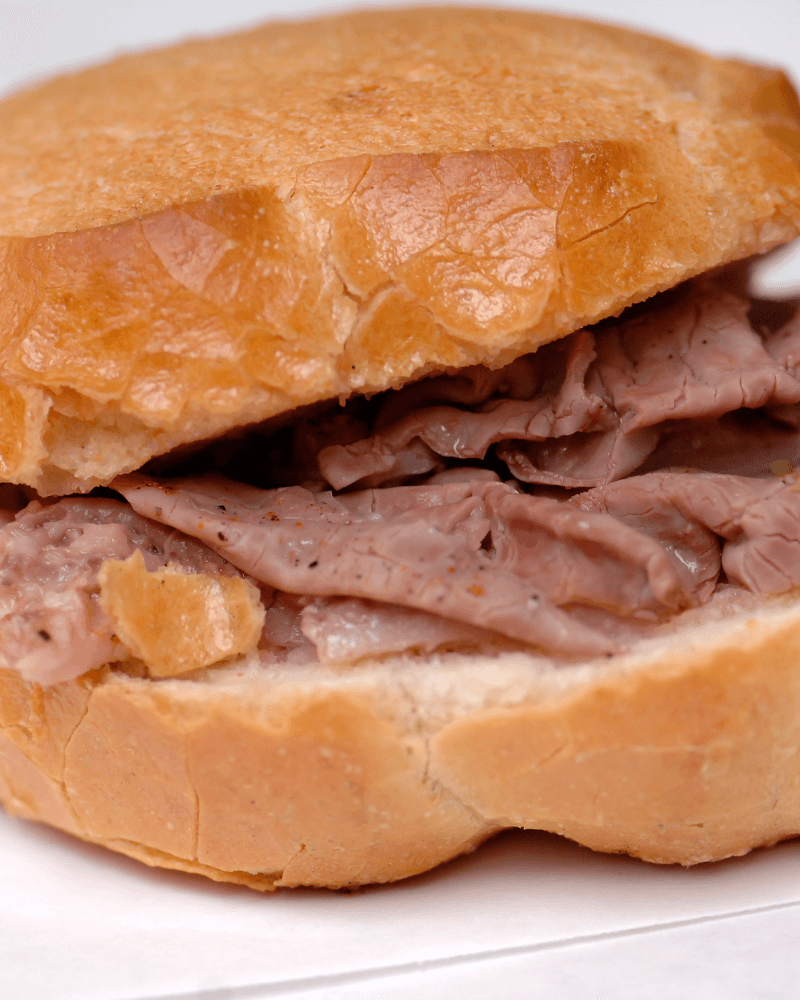
Lampredotto is a traditional street food from Florence. Made from a specific part of beef tripe, it is slowly cooked in a seasoned broth and typically served in a sandwich. Often topped with green sauce or spicy sauce, it is one of the most authentic examples of local Florentine cuisine.
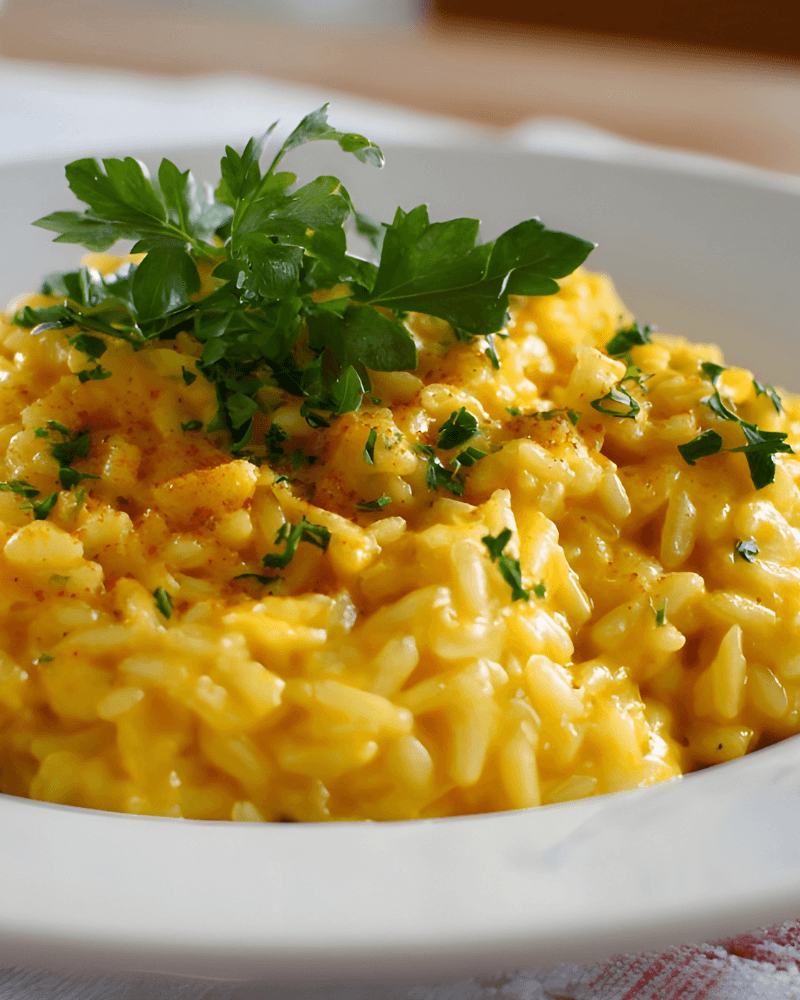
Risotto alla Milanese is one of the best-known dishes of Milanese cuisine. It is prepared with Arborio rice, broth, butter, parmesan, and saffron. Known for its golden color from saffron and its creamy texture, it is one of the city’s classic specialties.
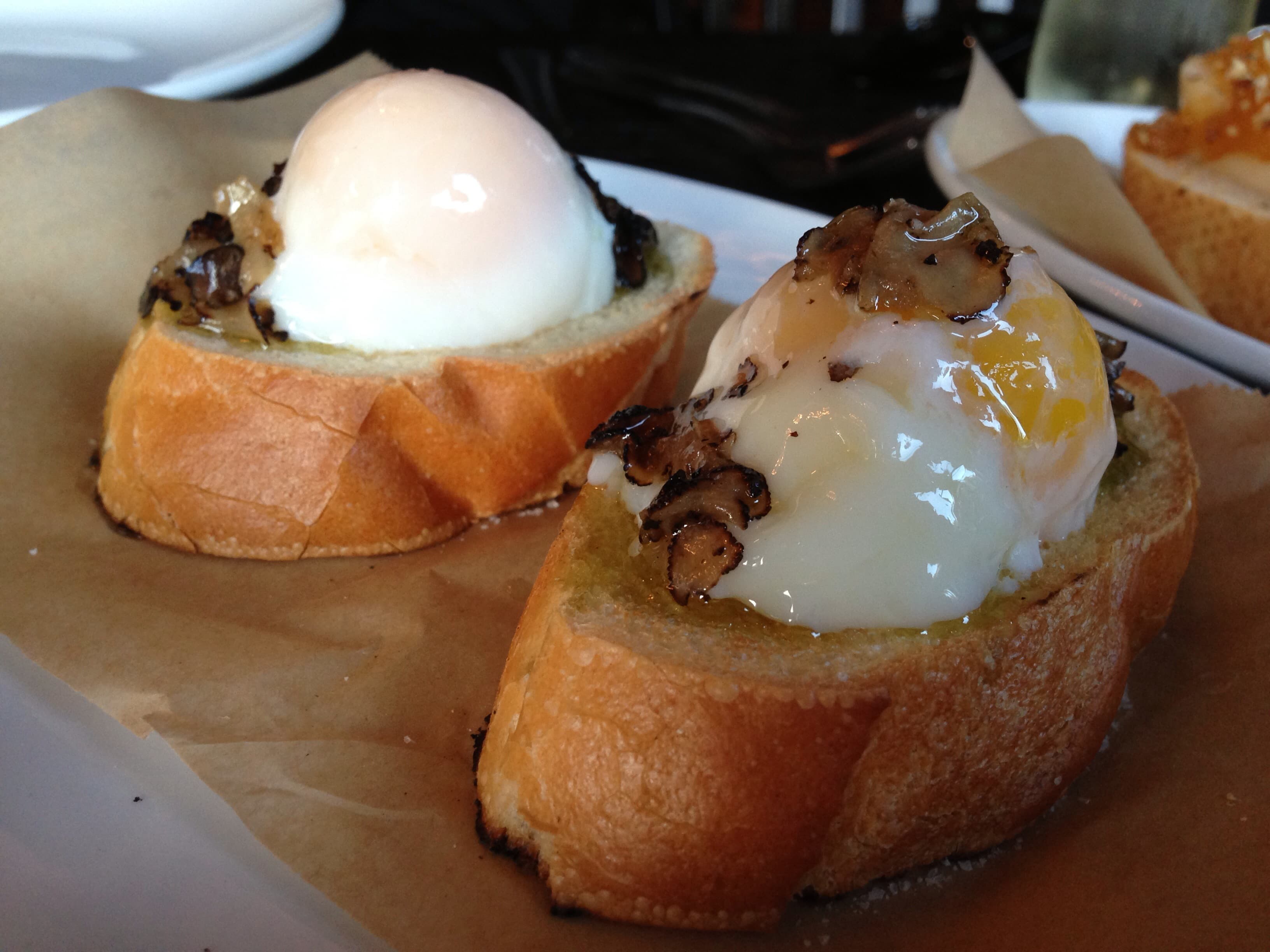
Cicchetti are traditional Venetian small bites typically served in local bars known as “bacari.” They come in many varieties, often featuring seafood, cheese, vegetables, or other local ingredients served on bread or in small portions. More than a single dish, cicchetti represent a distinctive part of Venice's food culture and are one of the city's most characteristic culinary experiences.
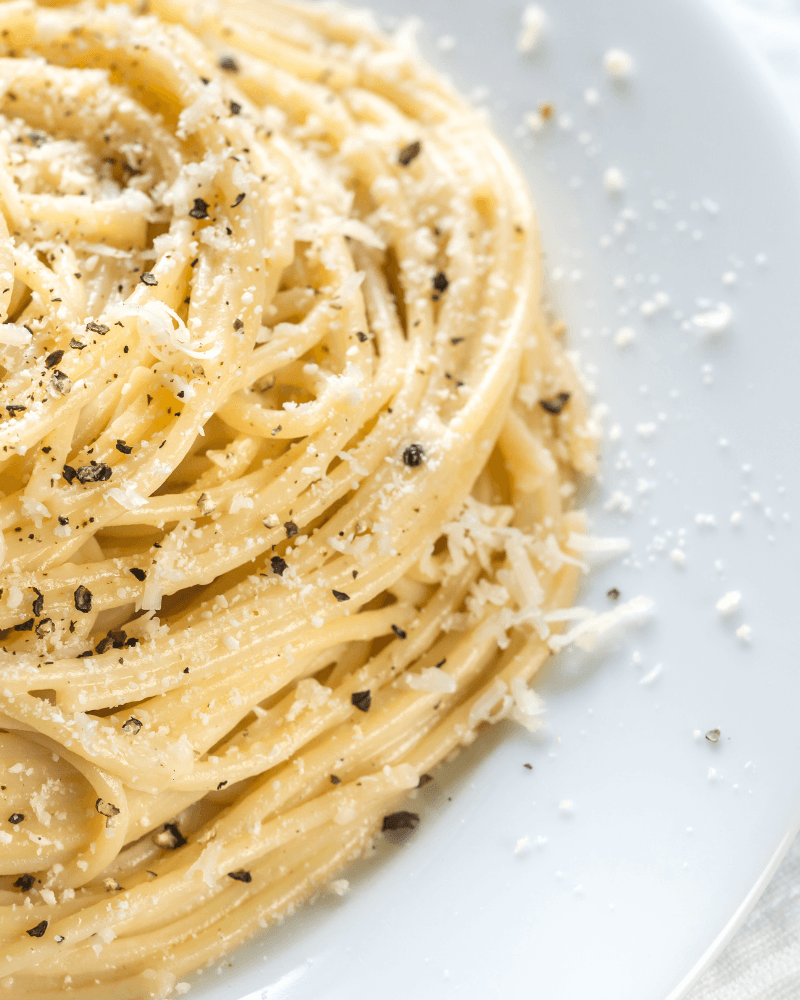
Cacio e Pepe is one of the simplest yet most iconic pasta dishes of Roman cuisine. It is made with just Pecorino Romano cheese, black pepper, and pasta water. With very few ingredients, it delivers a rich flavor and showcases the mastery of Italian cuisine through simplicity.
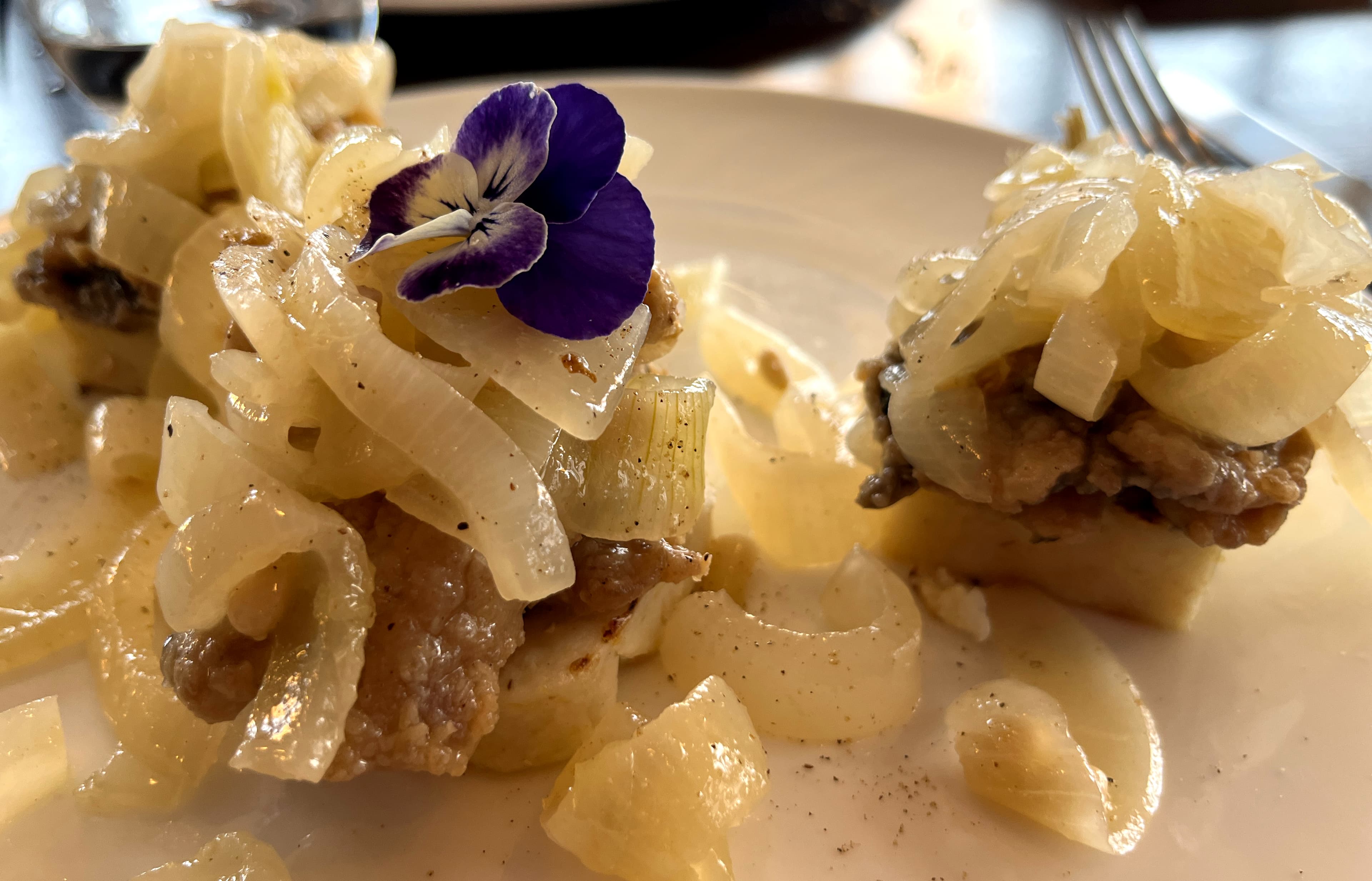
Sarde in Saor is one of the most traditional dishes of Venetian cuisine. It consists of sardines prepared with onions and vinegar, often accompanied by raisins and pine nuts. Its distinctive combination of sweet, sour, and savory flavors reflects Venice's historic maritime food culture.
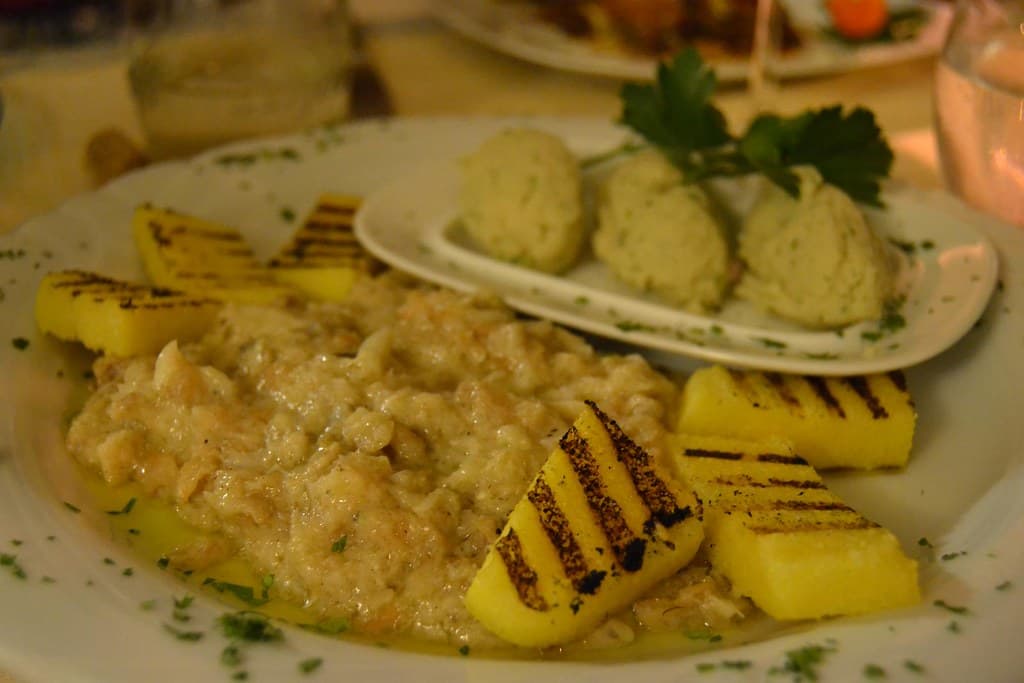
Baccalà Mantecato is one of Venice's best-known fish specialties. Traditionally prepared by working stockfish into a soft, creamy consistency, it is commonly served on toasted bread or polenta. It is also frequently found among the traditional cicchetti served in Venice's bacari.
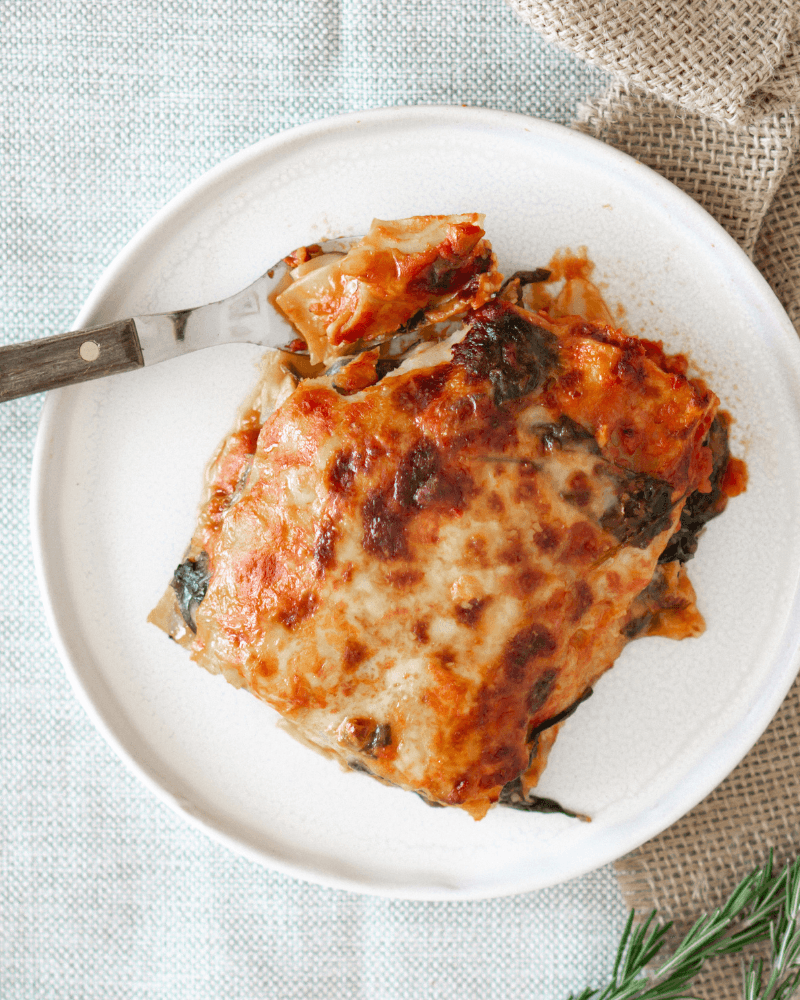
Lasagne alla Bolognese is one of the best-known baked dishes of the Emilia-Romagna region. It is made with layers of pasta sheets, ragù, béchamel sauce, and cheese. With its hearty character and rich flavor, it is considered a classic of Italian cuisine.
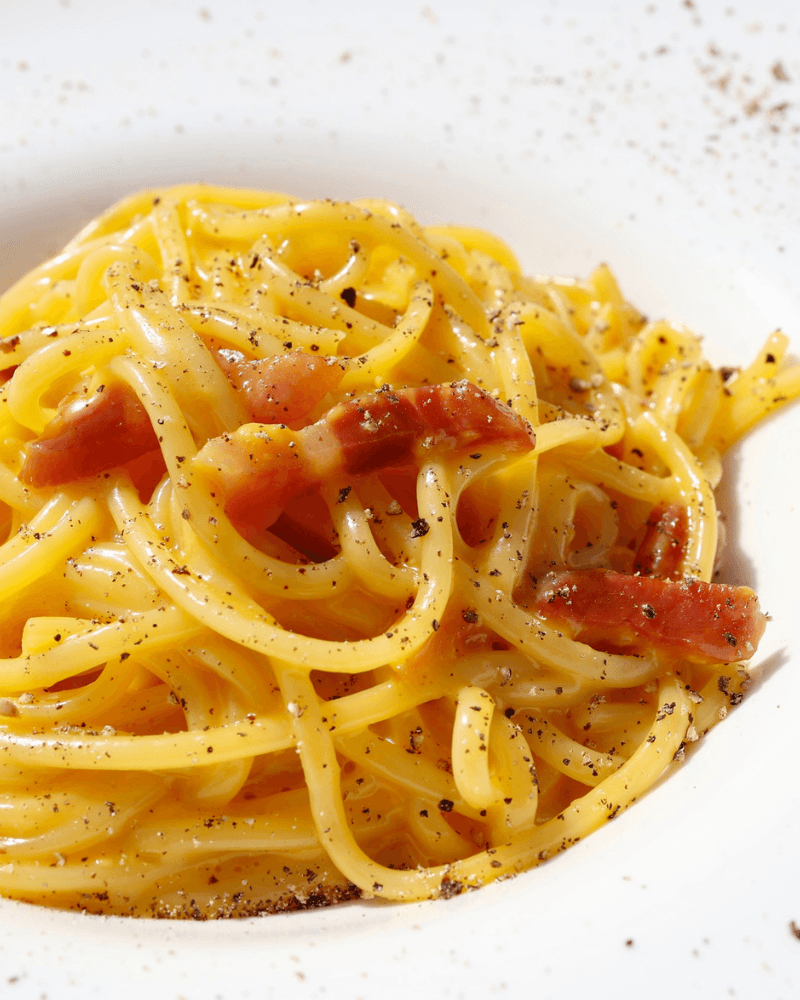
Carbonara is one of the most iconic pasta dishes of Roman cuisine. It is traditionally prepared with guanciale, egg, Pecorino Romano cheese, and black pepper. Made without cream in its authentic version, it stands out with its rich yet balanced flavor.
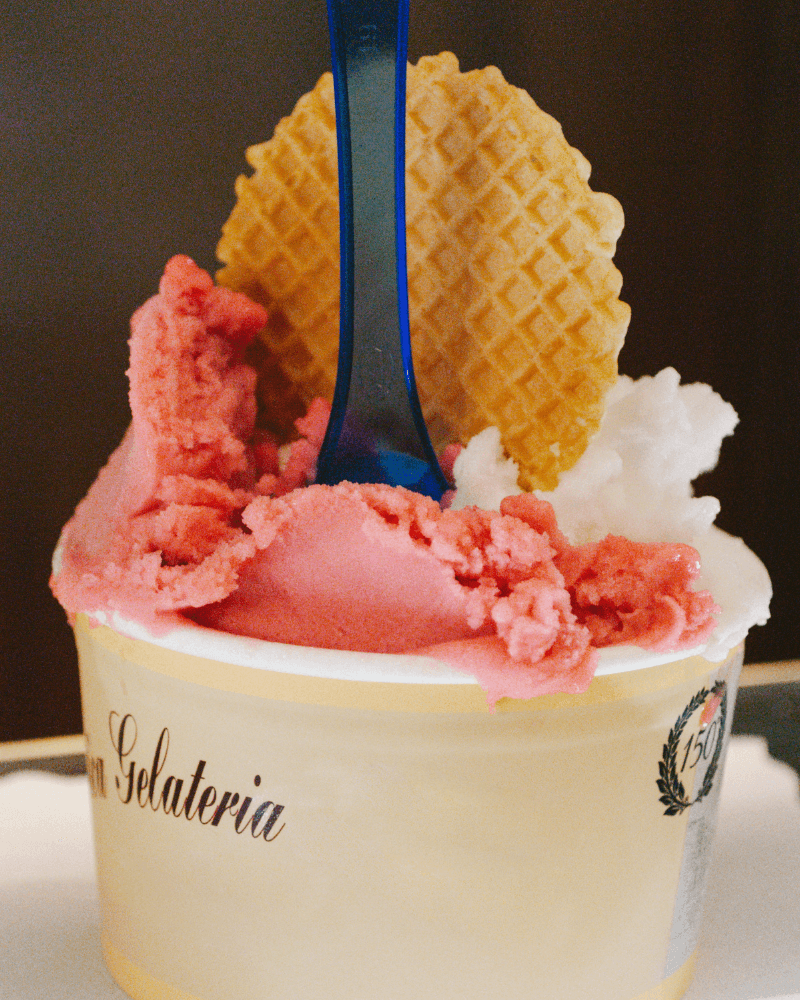
Gelato is Italy’s world-famous frozen dessert tradition. Compared with standard ice cream, it has a denser texture and more pronounced flavor. With fruity, chocolate, nut-based, and many regional varieties, it is one of the essential sweets of everyday life in Italy.
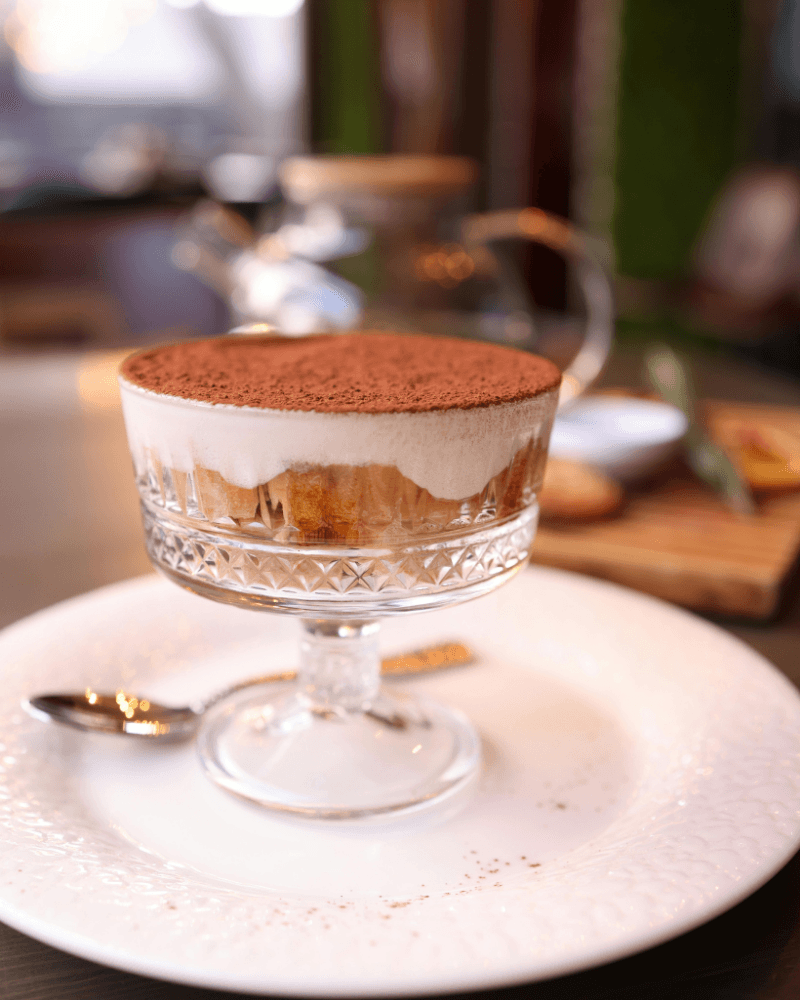
Tiramisu is one of Italy’s most famous desserts, made with layers of coffee-soaked ladyfingers, mascarpone cream, cocoa powder, and eggs. Known for its creamy texture and balanced coffee flavor, it originated in the Veneto region.
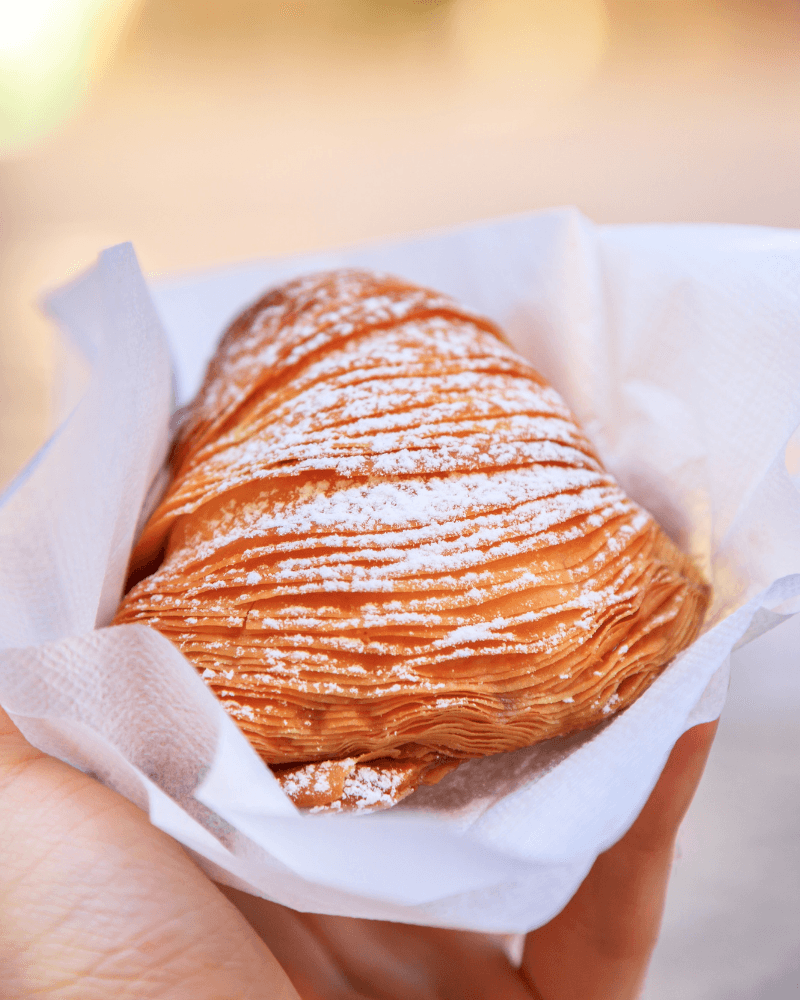
Sfogliatella is a famous Neapolitan pastry known for its crispy layered shell and sweet ricotta filling. Traditionally flavored with citrus and semolina, it is one of the most iconic desserts of Naples.
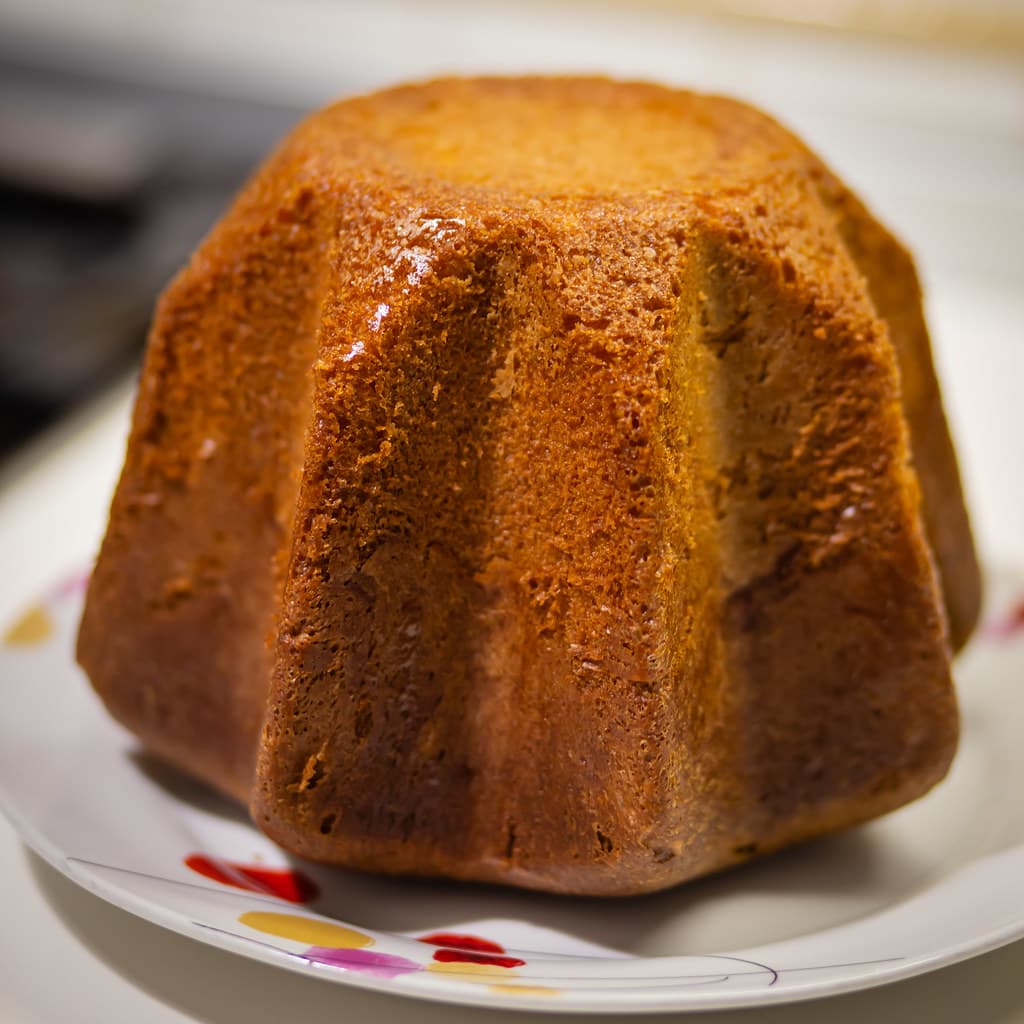
Pandoro is a traditional Italian sweet bread from Verona, especially popular during Christmas. Known for its soft buttery texture and star-shaped appearance, it is typically dusted with powdered sugar before serving.
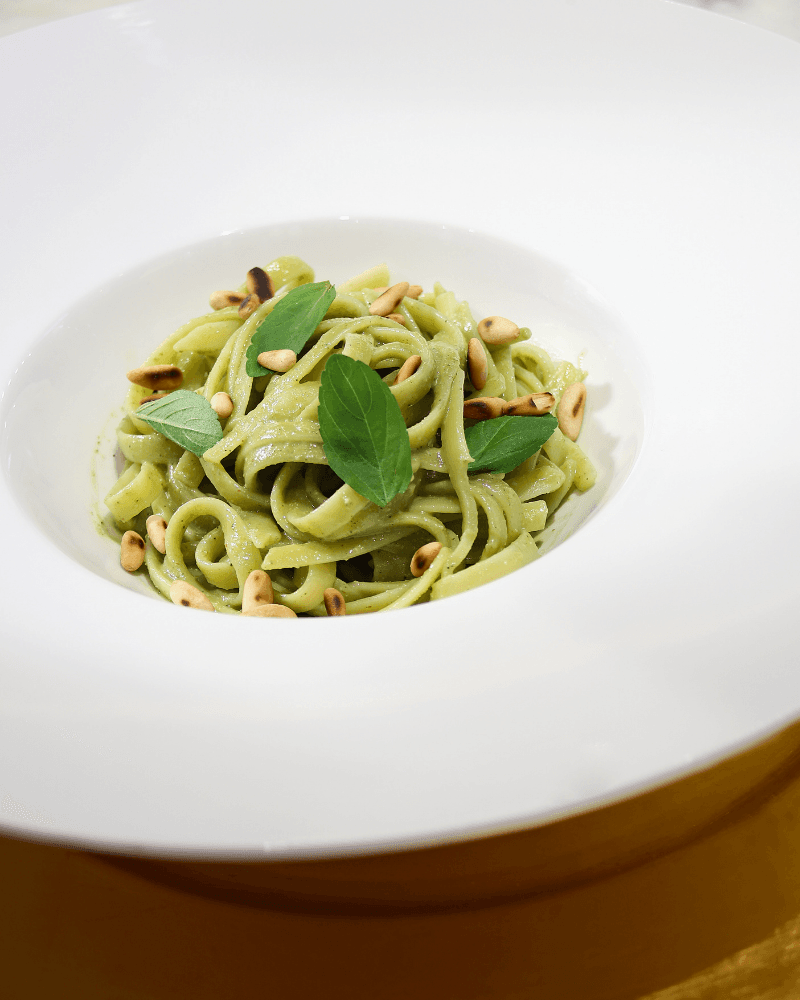
Trenette al Pesto is a traditional Ligurian pasta dish made with trenette pasta and fresh basil pesto sauce, often served with potatoes and green beans. Originating from Genoa, it is one of the most iconic pesto dishes in Italian cuisine.
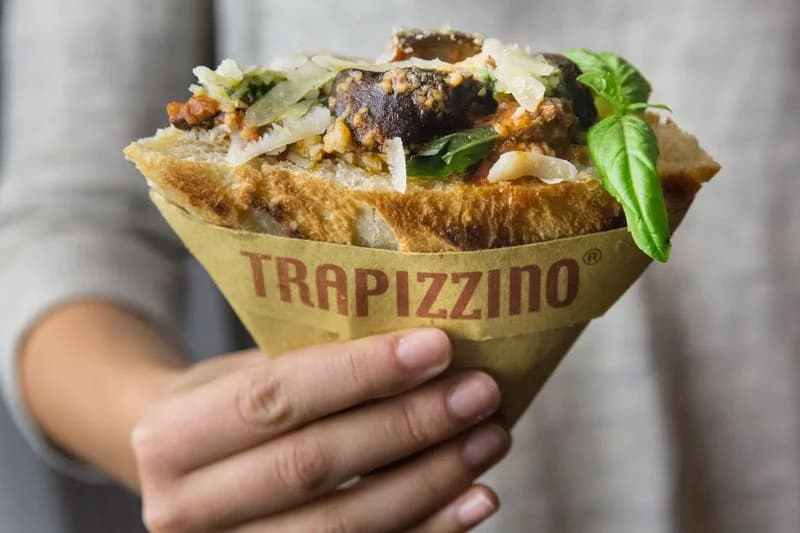
Trapizzino is a modern Roman street food made from triangular pizza dough pockets filled with traditional Italian dishes such as meatballs, chicken cacciatore, or eggplant parmesan. It combines pizza and sandwich culture into a portable and flavorful snack.
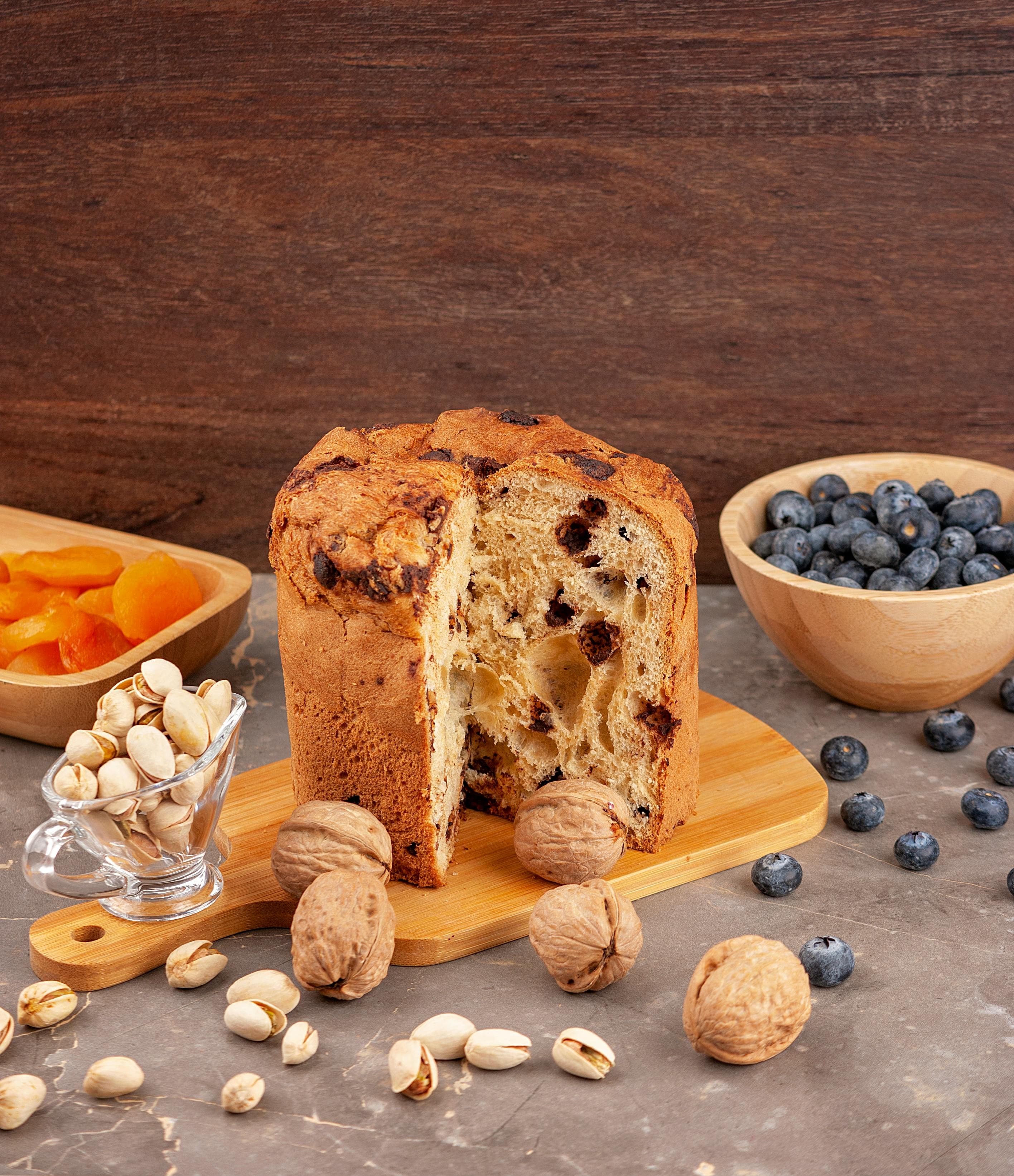
Panettone is a traditional Italian sweet bread from Milan, especially associated with Christmas celebrations. Made with raisins, candied fruits, and a soft airy dough, it is one of Italy’s most iconic holiday desserts.
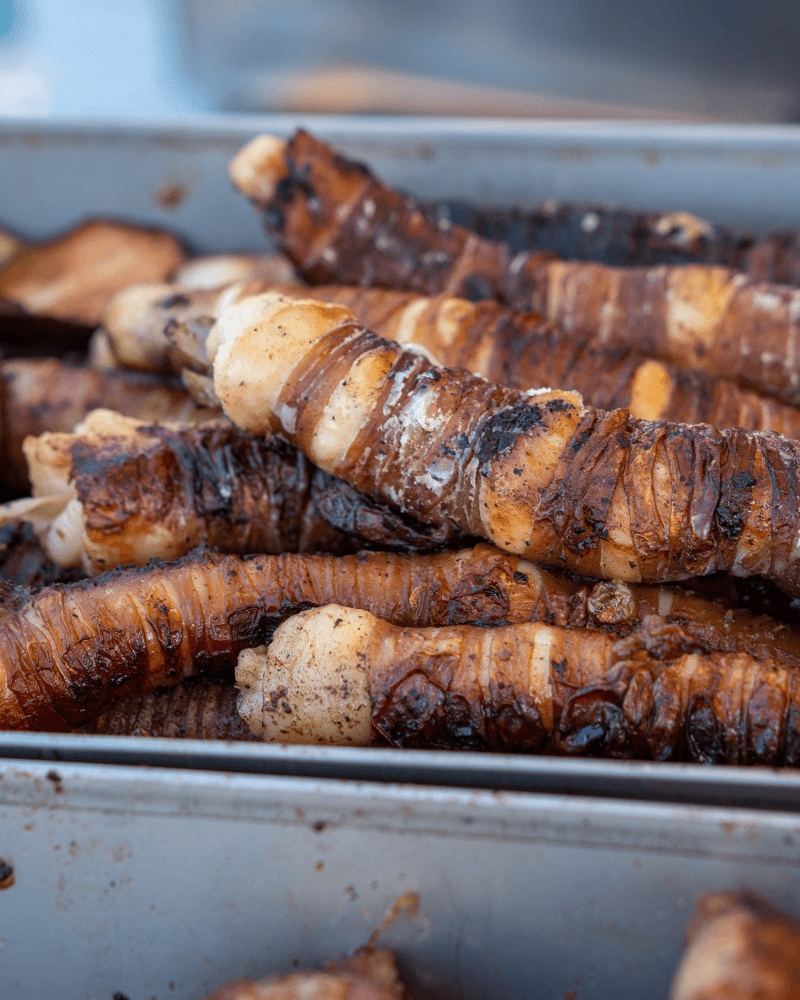
Stigghiola is a traditional Sicilian street food made from seasoned lamb or goat intestines grilled over charcoal. Especially popular in Palermo, it is known for its smoky aroma, crispy texture, and strong local character.
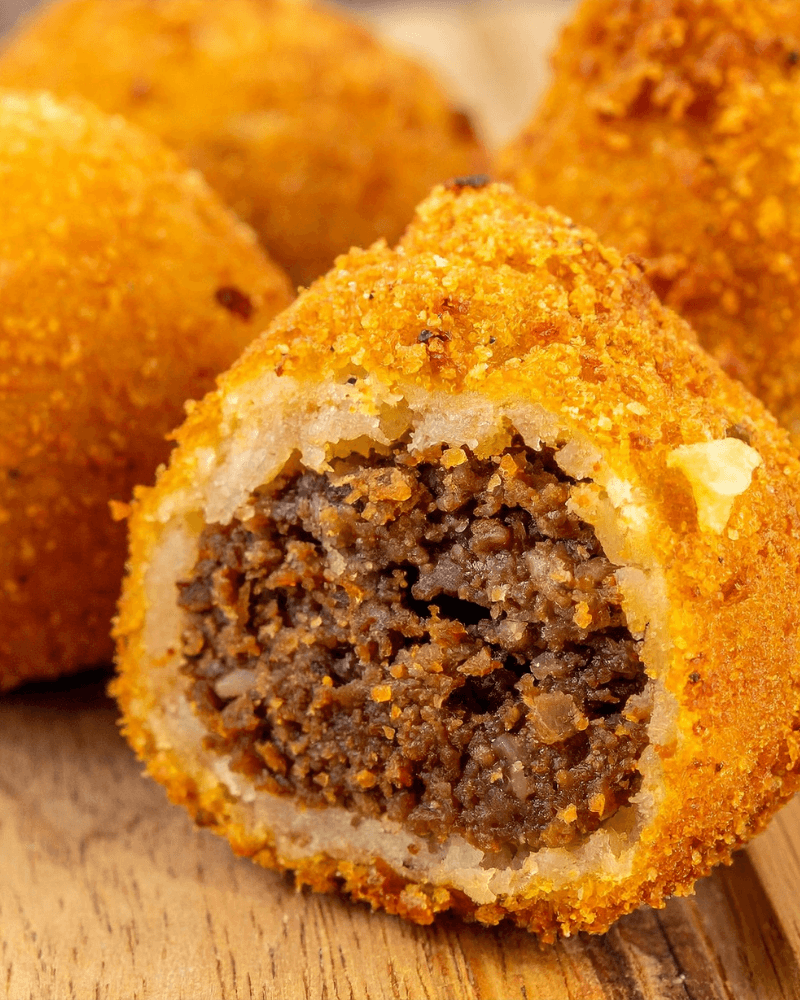
Arancini are famous Sicilian rice balls filled with ingredients such as ragù, cheese, peas, or mushrooms, then coated with breadcrumbs and deep-fried until crispy. They are one of the most iconic street foods of Sicily.
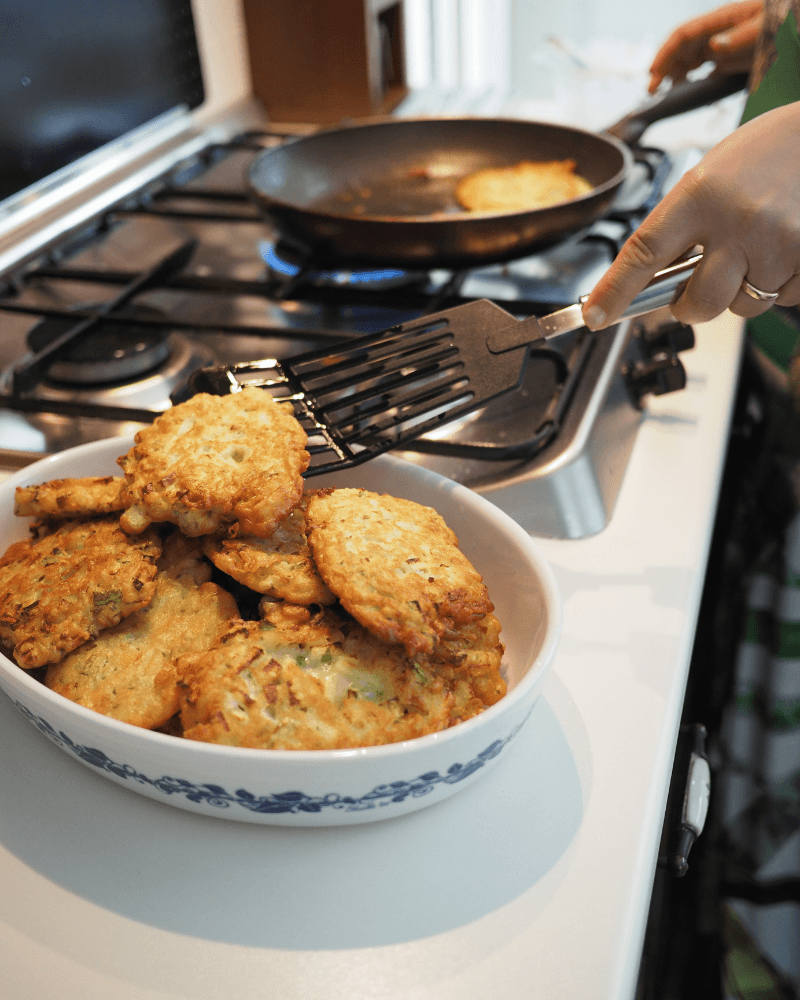
Frittelle di Zucchine are Italian zucchini fritters made with grated zucchini, flour, eggs, and herbs, then lightly fried until golden and crispy. They are commonly served as an appetizer, side dish, or light snack.
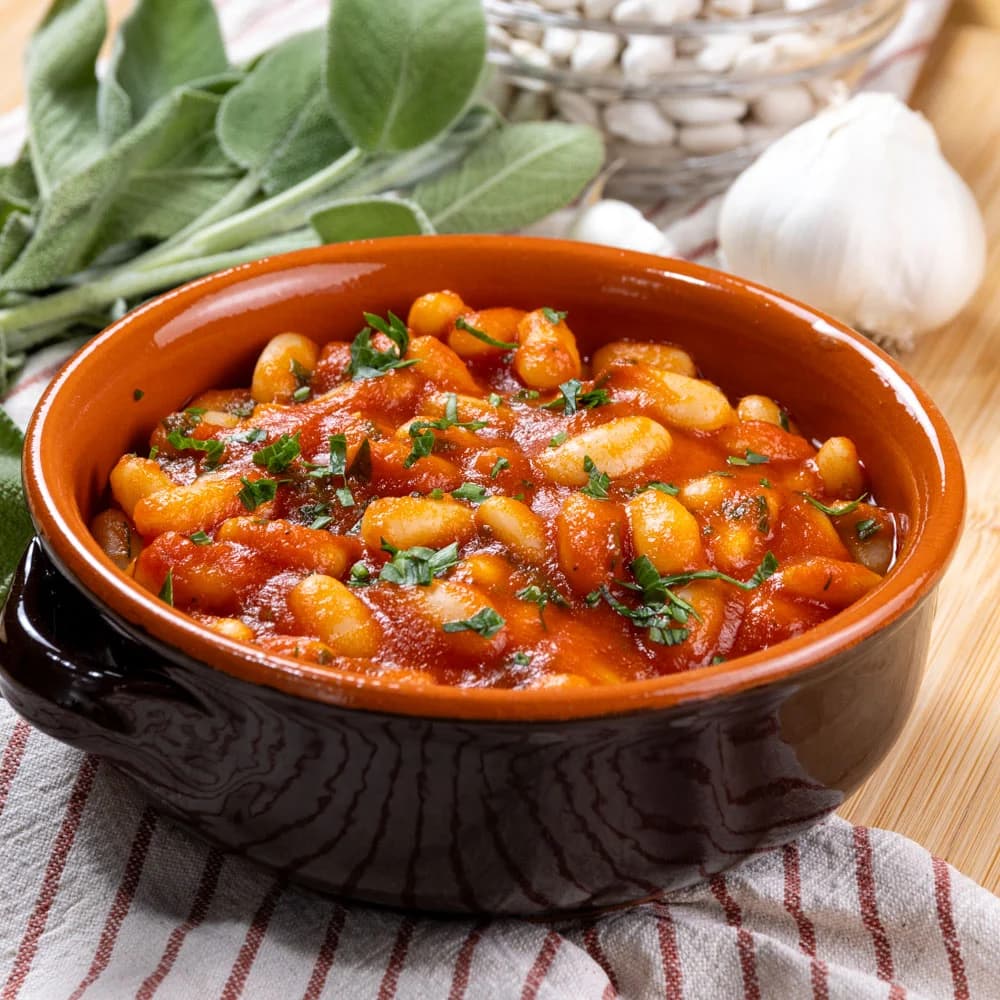
Fagioli all’Uccelletto is a traditional Tuscan bean dish made with white beans slowly cooked in tomato sauce, garlic, sage, and olive oil. It is known for its simple yet rich rustic flavor and is often served as a side dish or light main course.
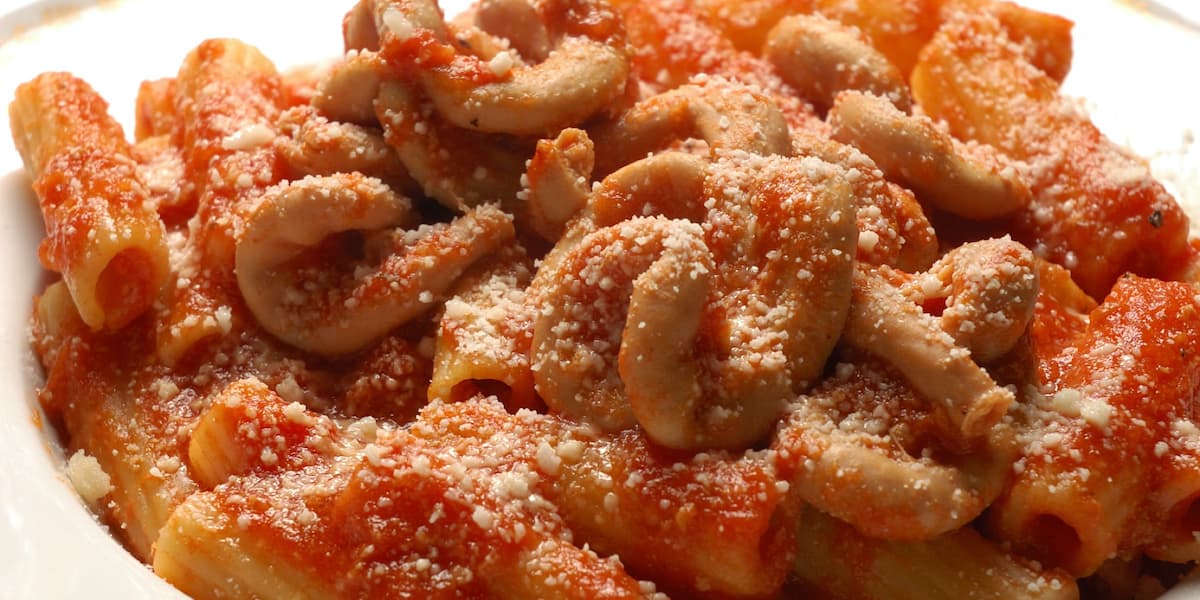
Pajata is a traditional Roman dish made from the intestines of unweaned calf, typically cooked with tomato sauce and served with pasta such as rigatoni. It is considered one of the most distinctive examples of Rome’s quinto quarto cuisine.
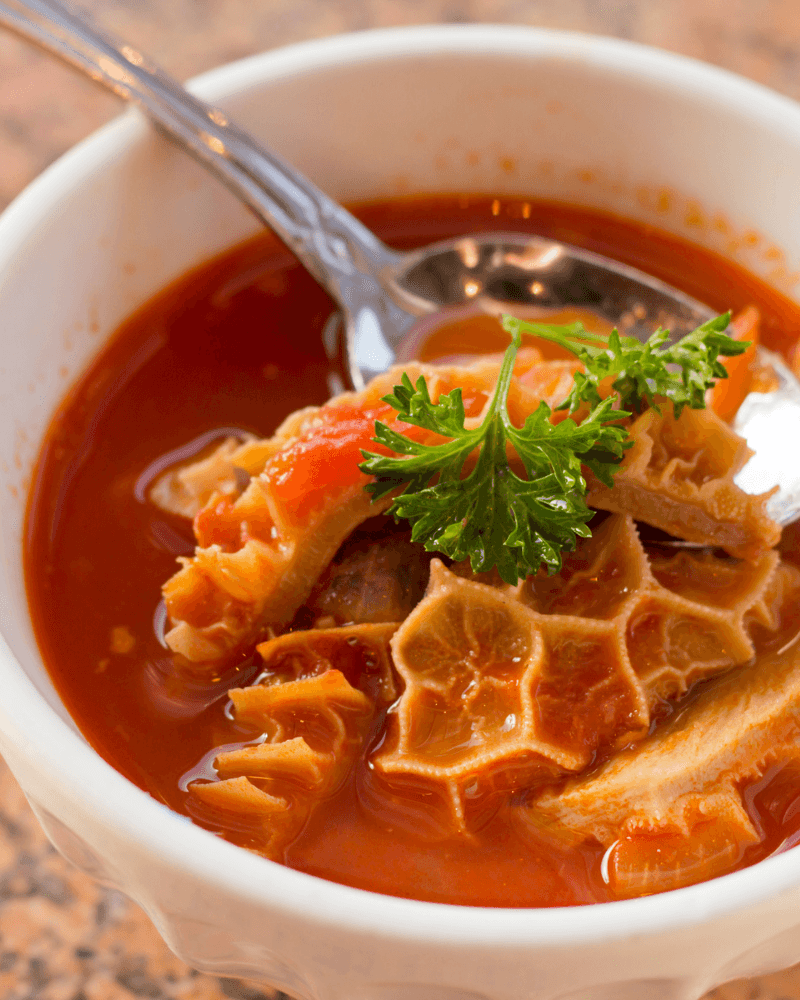
Trippa is a traditional Italian tripe dish made from slow-cooked beef stomach, usually prepared with tomato sauce, vegetables, herbs, and pecorino cheese. In Rome, it is especially known as a classic comfort food with deep roots in local cuisine.
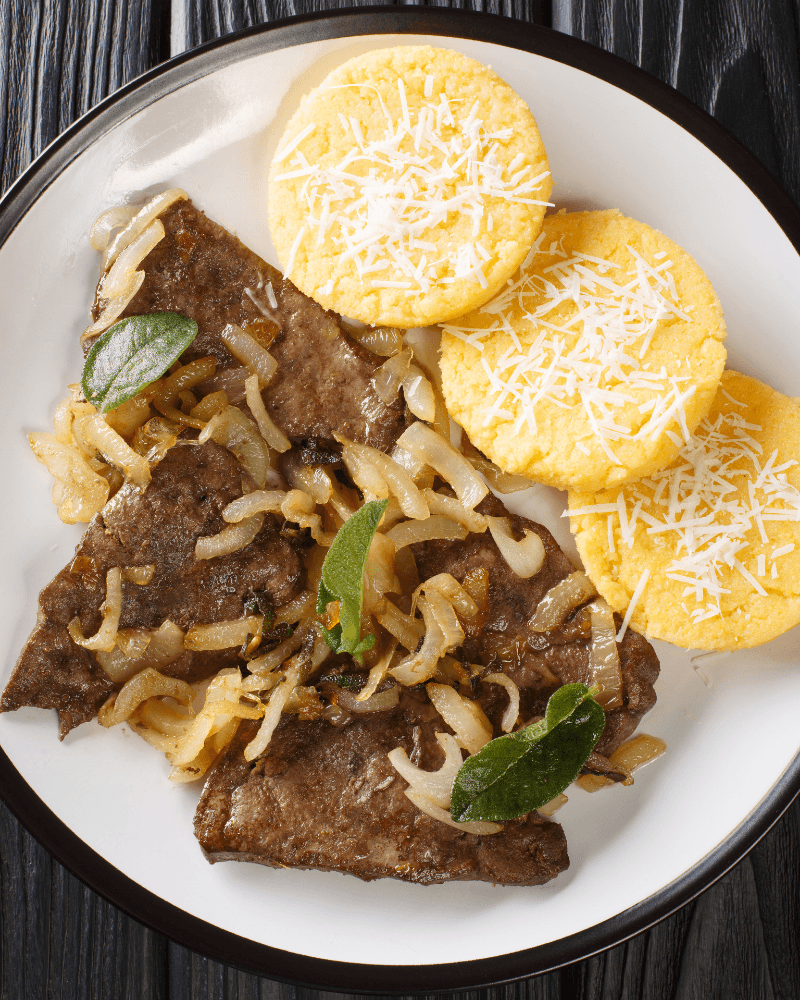
Fegato alla Veneziana is a classic Venetian dish made with thinly sliced calf’s liver slowly cooked with onions, butter, olive oil, and white wine. It is known for its soft texture and sweet onion flavor that balances the richness of the liver.
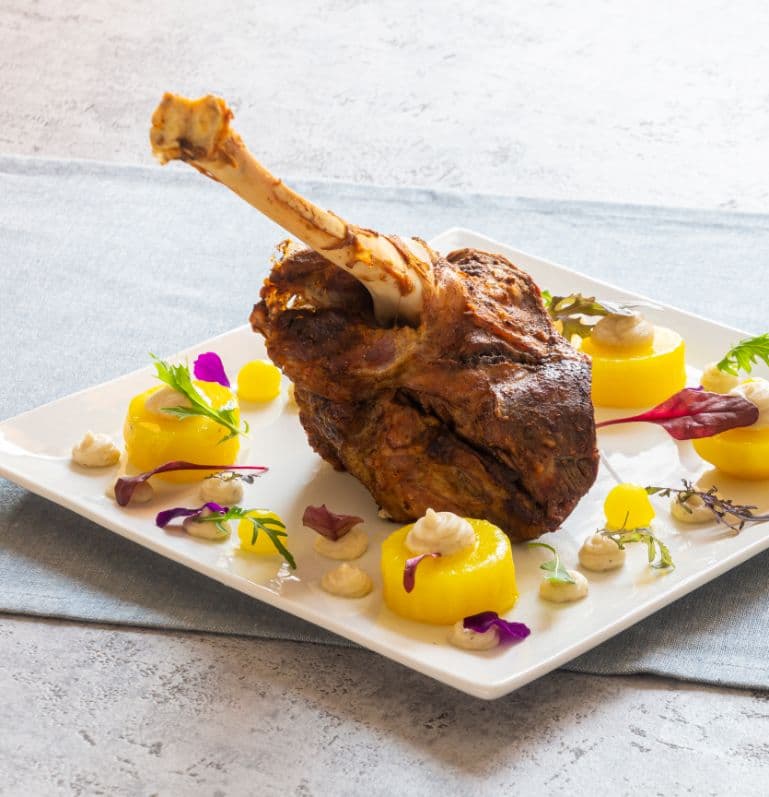
Stinco di Agnello is a traditional Italian lamb shank dish slowly braised until tender and flavorful. It is commonly prepared with herbs, garlic, vegetables, olive oil, and sometimes wine, creating a rich and comforting main course.
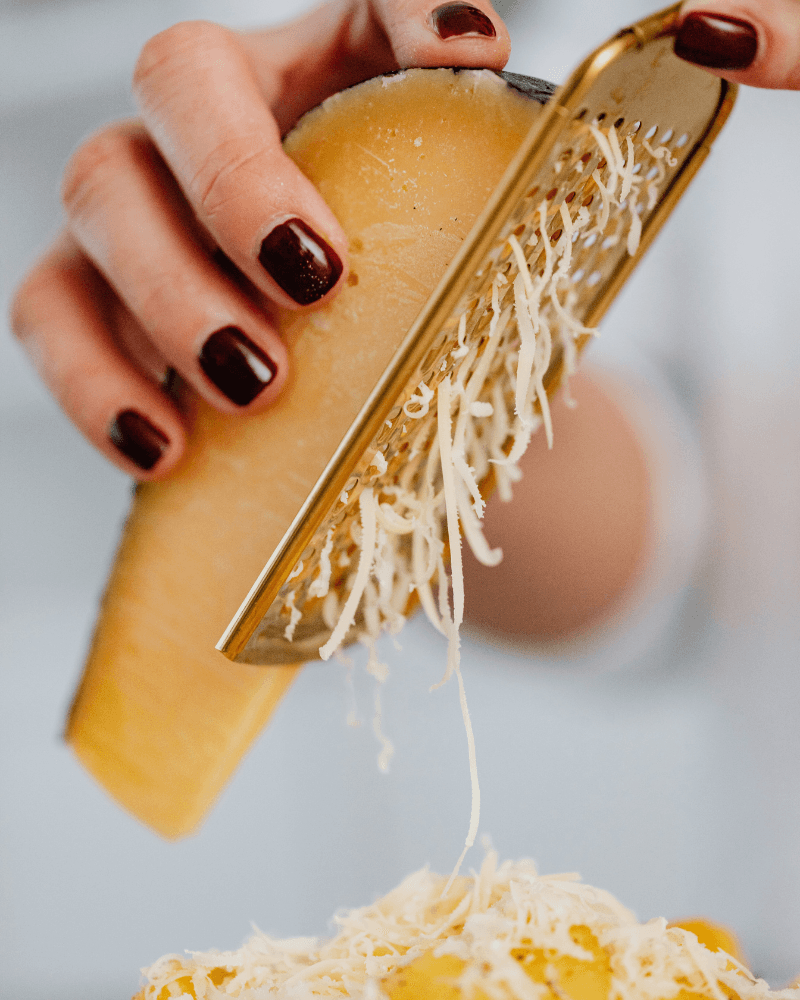
Pecorino Romano is a famous hard Italian cheese made from sheep’s milk, known for its salty and sharp flavor. Traditionally associated with Rome and the Lazio region, it is widely used in classic pasta dishes such as Cacio e Pepe and Carbonara.
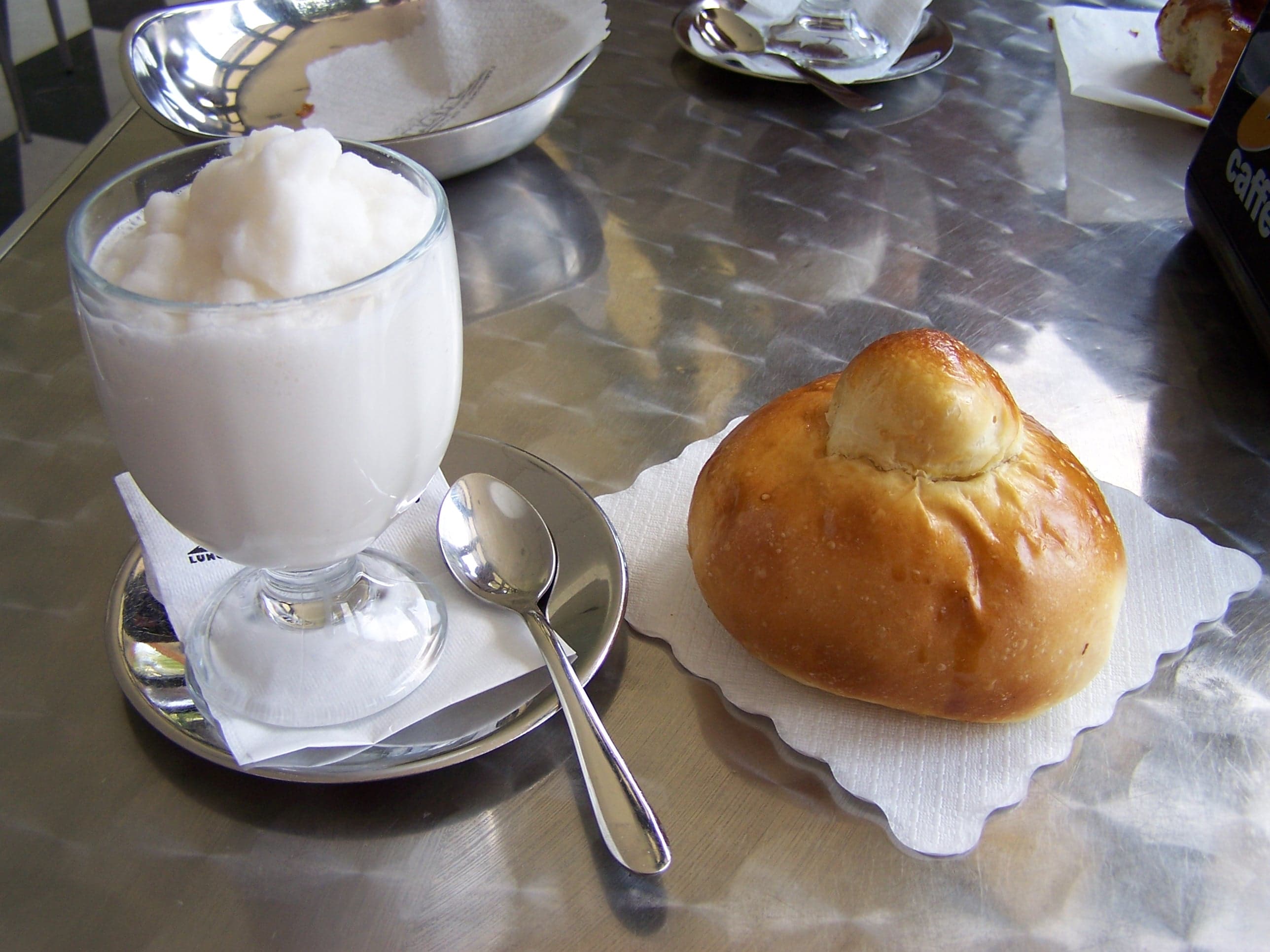
Granita is a traditional Sicilian semi-frozen dessert made with water, sugar, and fruit, coffee, or almond flavorings. Known for its refreshing icy texture, it is especially popular during hot summer days and is often served with brioche in Sicily.
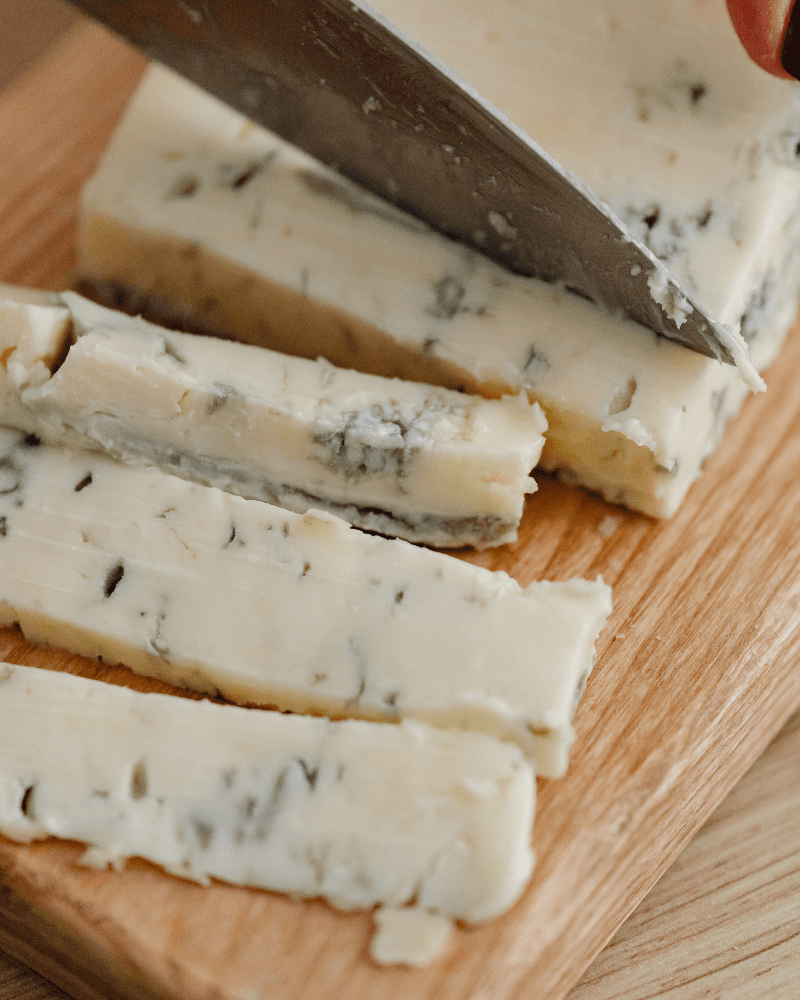
Gorgonzola is a famous Italian blue cheese made from cow’s milk, known for its creamy texture and distinctive sharp flavor. Originating from Northern Italy, it is commonly used in pasta, risotto, pizza, and cheese platters.
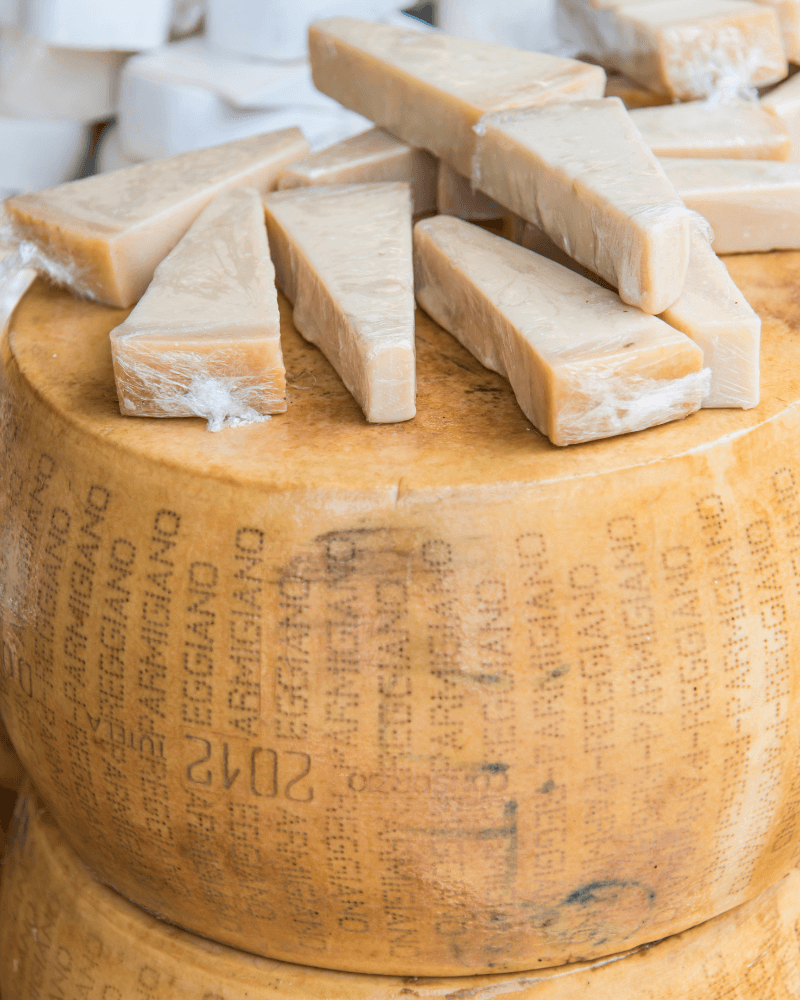
Parmigiano Reggiano is one of Italy’s most iconic hard cheeses, made from cow’s milk and aged for long periods to develop its rich, nutty flavor. Produced mainly in the Emilia-Romagna region, it is widely used in pasta, risotto, soups, and Italian cuisine in general.
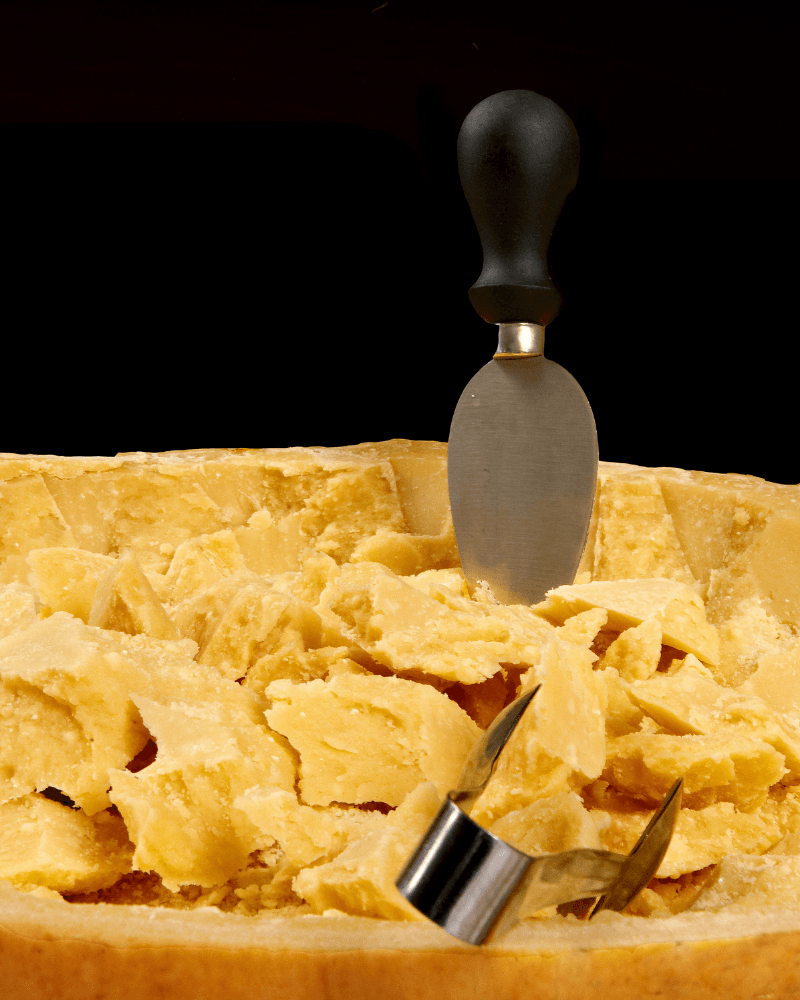
Grana Padano is a traditional Italian hard cheese made from cow’s milk, known for its mild, savory, and slightly nutty flavor. Produced mainly in Northern Italy, it is commonly grated over pasta, risotto, soups, and salads.
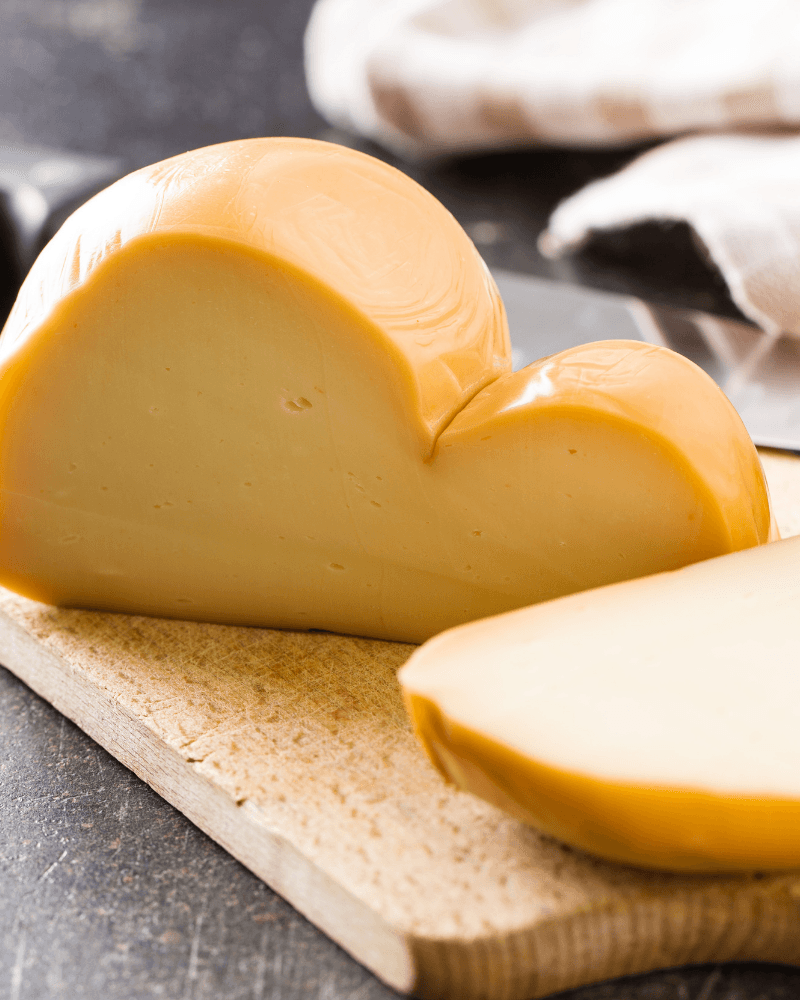
Scamorza is a traditional Italian stretched-curd cheese made from cow’s milk, known for its soft texture and mild smoky flavor when smoked. Popular in Southern Italy, it is commonly used in sandwiches, pasta dishes, and baked recipes.
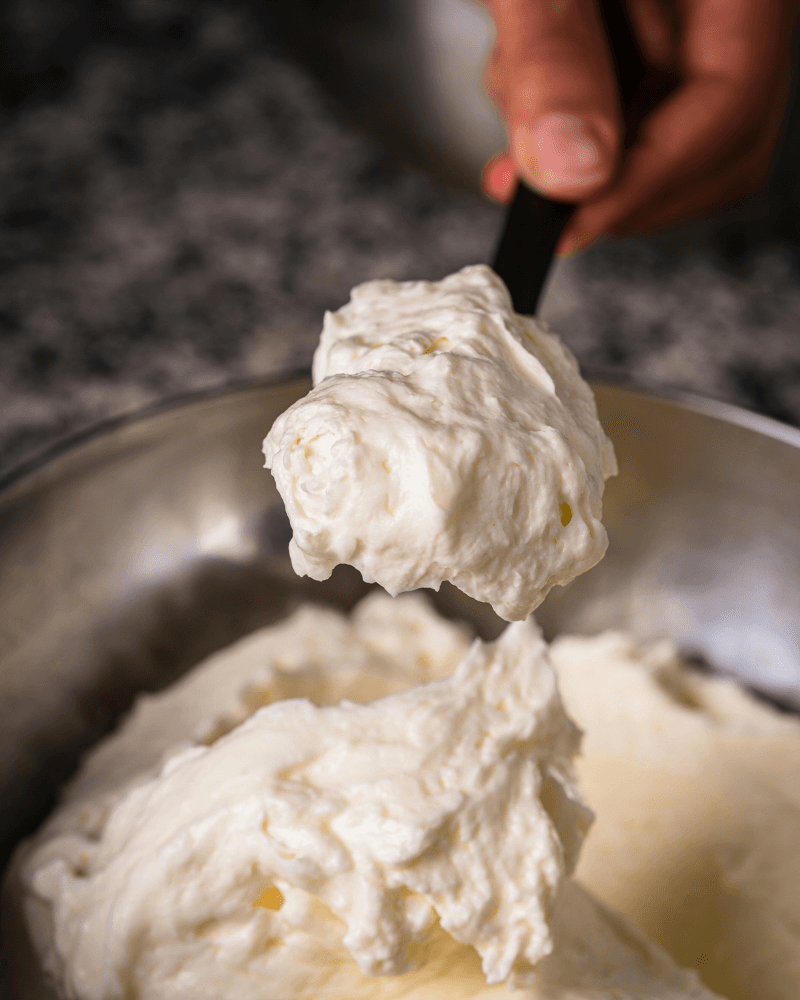
Ricotta is a soft Italian cheese made from whey, known for its light, creamy texture and mild flavor. It is widely used in both savory and sweet dishes such as lasagna, ravioli, cannoli, and cheesecakes.
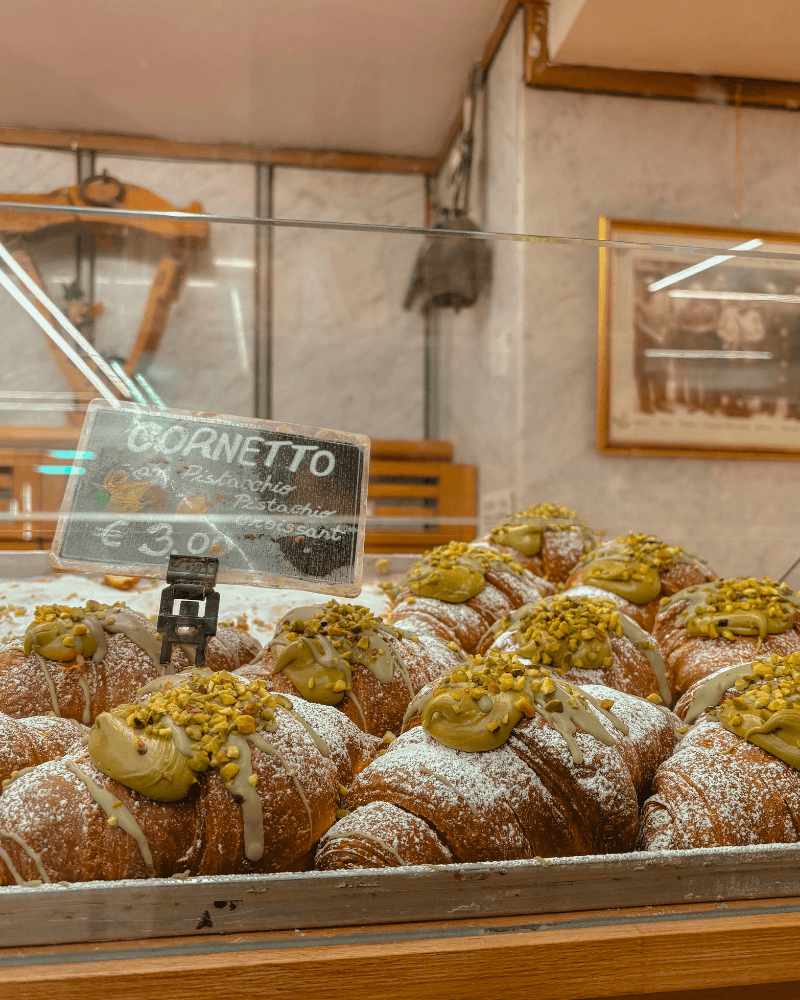
Cornetto is a traditional Italian pastry similar to a croissant but softer and slightly sweeter. Commonly enjoyed for breakfast with coffee, it can be filled with cream, chocolate, jam, or pistachio.
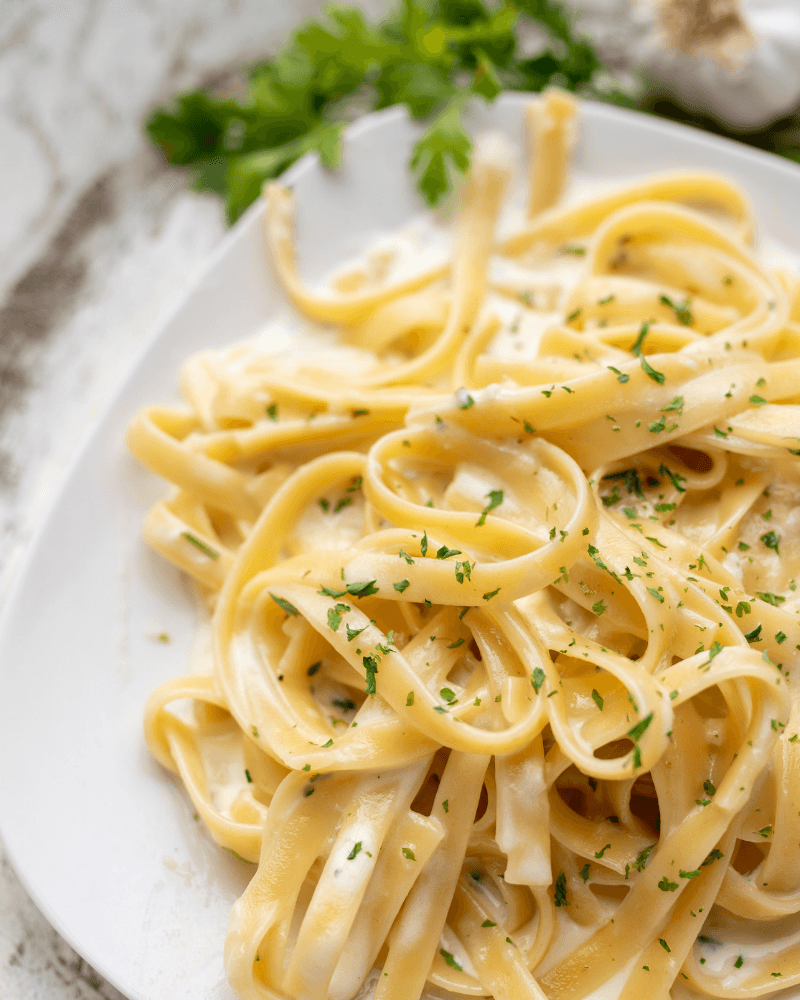
Fettuccine Alfredo is a classic Roman pasta dish made with fettuccine pasta, butter, and Parmigiano Reggiano cheese, creating a rich and creamy sauce. It became internationally famous for its simple yet comforting flavor.
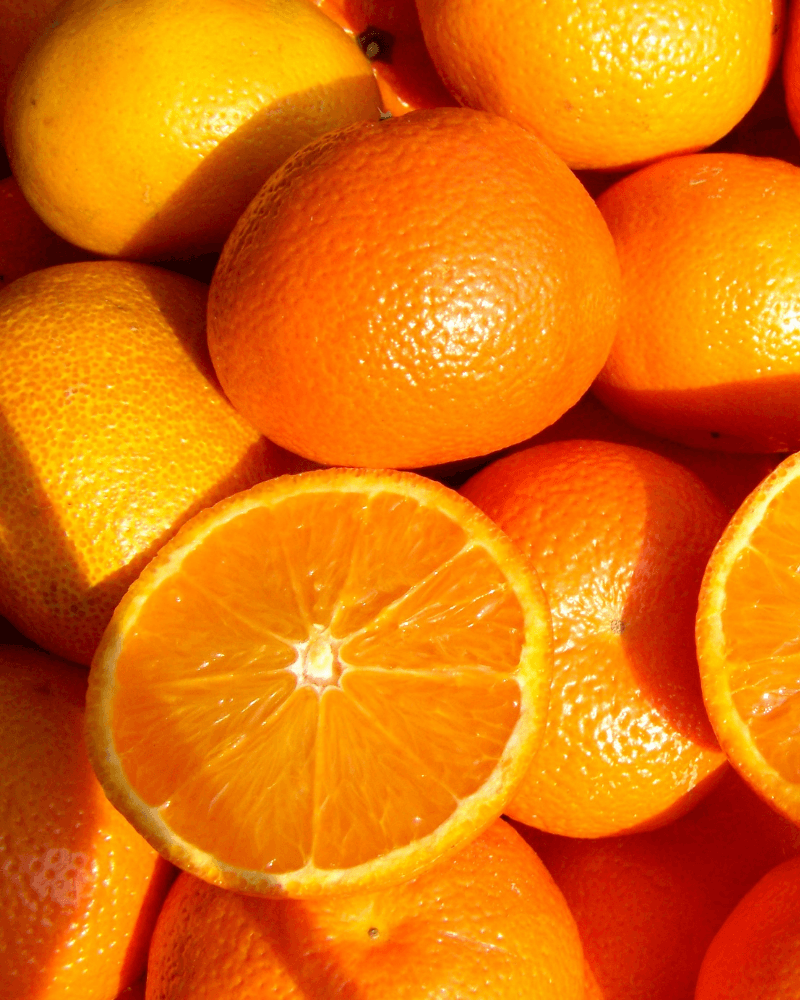
Spritz is a type of cocktail associated with Italy's aperitivo culture. It is generally prepared with prosecco, a bitter aperitif, and soda. It is particularly associated with the aperitivo tradition of northern Italy.
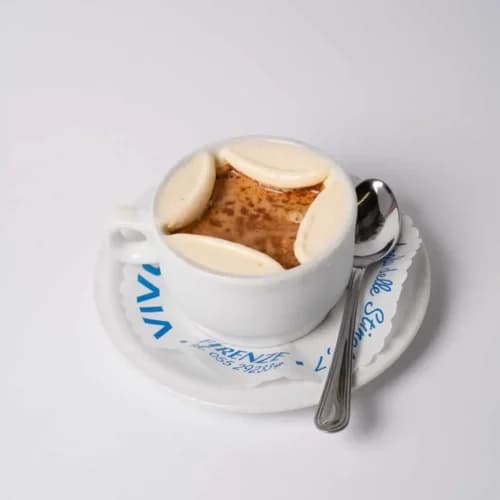
Affogato is a classic Italian dessert made by pouring a shot of hot espresso over vanilla gelato or ice cream. Combining the richness of coffee with creamy sweetness, it is enjoyed both as a dessert and a coffee treat.

Ristretto is a concentrated Italian espresso made with less water, resulting in a stronger and richer flavor. Despite its smaller size, it delivers an intense coffee experience with reduced bitterness.

Lungo is an Italian coffee made by extracting espresso with more water, resulting in a larger and milder drink compared to a traditional espresso. It has a smoother taste while still preserving the rich aroma of Italian coffee.

Cortado is a coffee drink made by combining espresso with a small amount of warm milk to reduce acidity while preserving the strong coffee flavor. Although it originated in Spain, it is also commonly served in Italian-style cafés.
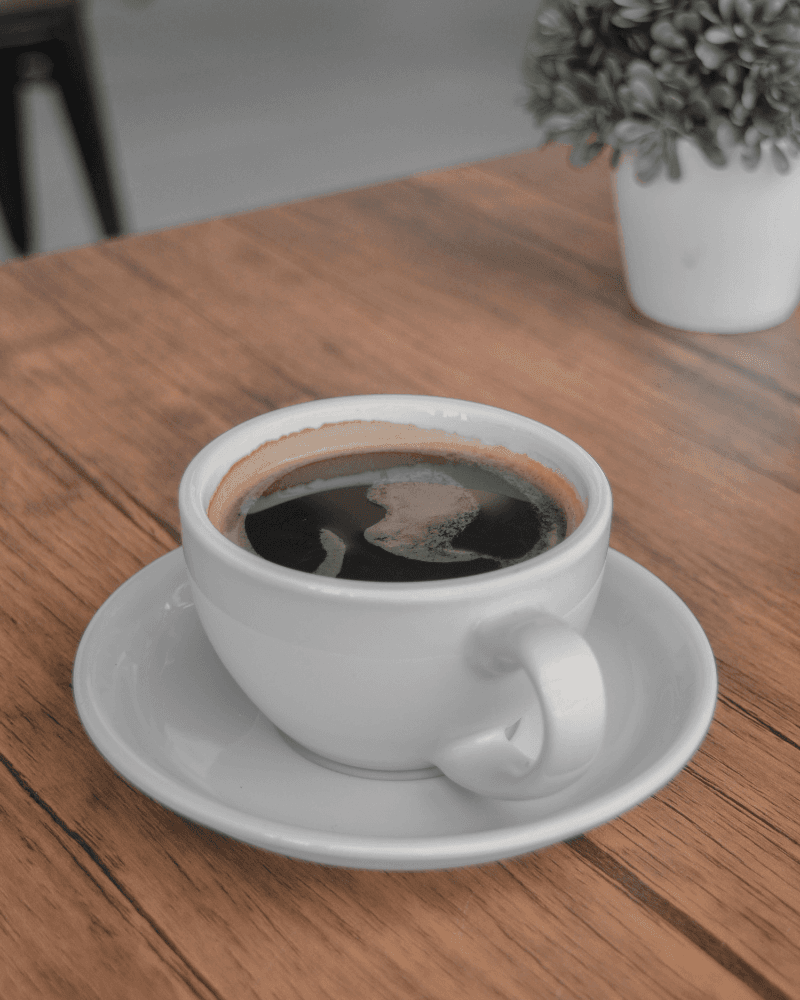
Caffè Americano is an Italian-style coffee drink prepared by adding hot water to espresso, creating a smoother and milder flavor compared to traditional espresso. It became popular during World War II when American soldiers diluted espresso to resemble drip coffee.

Cappuccino is one of Italy’s most iconic coffee drinks, made with espresso, steamed milk, and milk foam. Known for its creamy texture and balanced flavor, it is traditionally enjoyed in the morning alongside pastries such as cornetto.
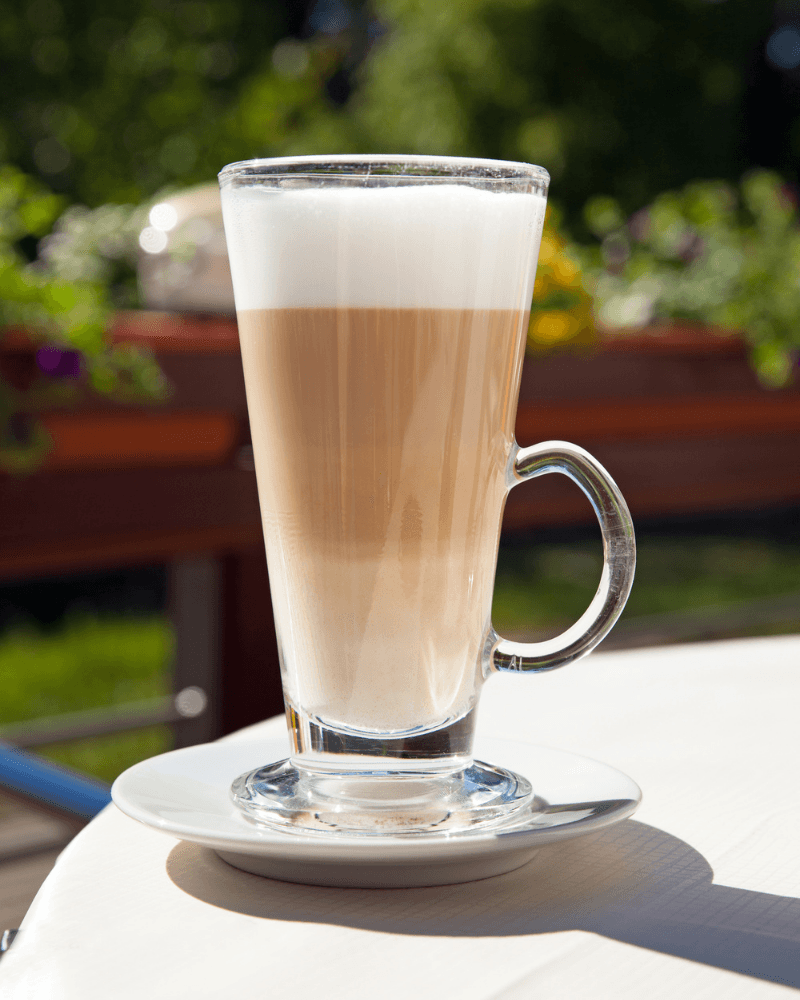
Caffè Latte is a popular Italian coffee drink made with espresso and a large amount of steamed milk, creating a smooth and creamy flavor. It is commonly enjoyed for breakfast or as a mild coffee option throughout the day.
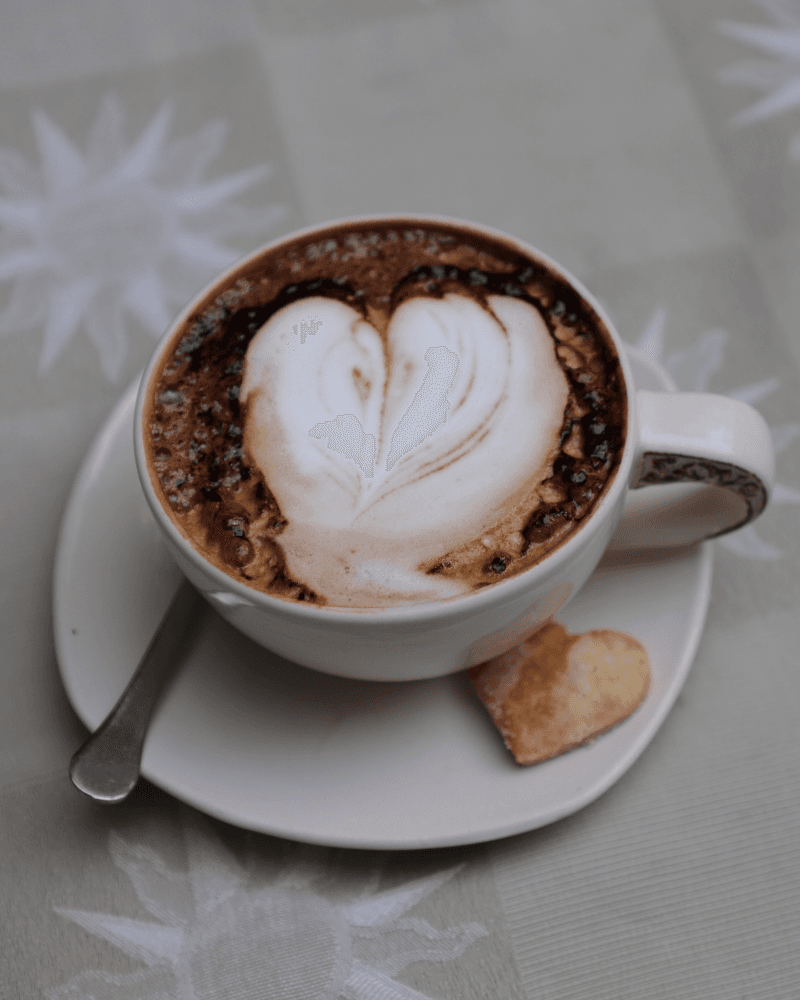
Mocha is a coffee drink made with espresso, steamed milk, and chocolate, combining rich coffee flavor with sweet cocoa notes. It is commonly topped with milk foam or whipped cream and is popular in cafés worldwide.
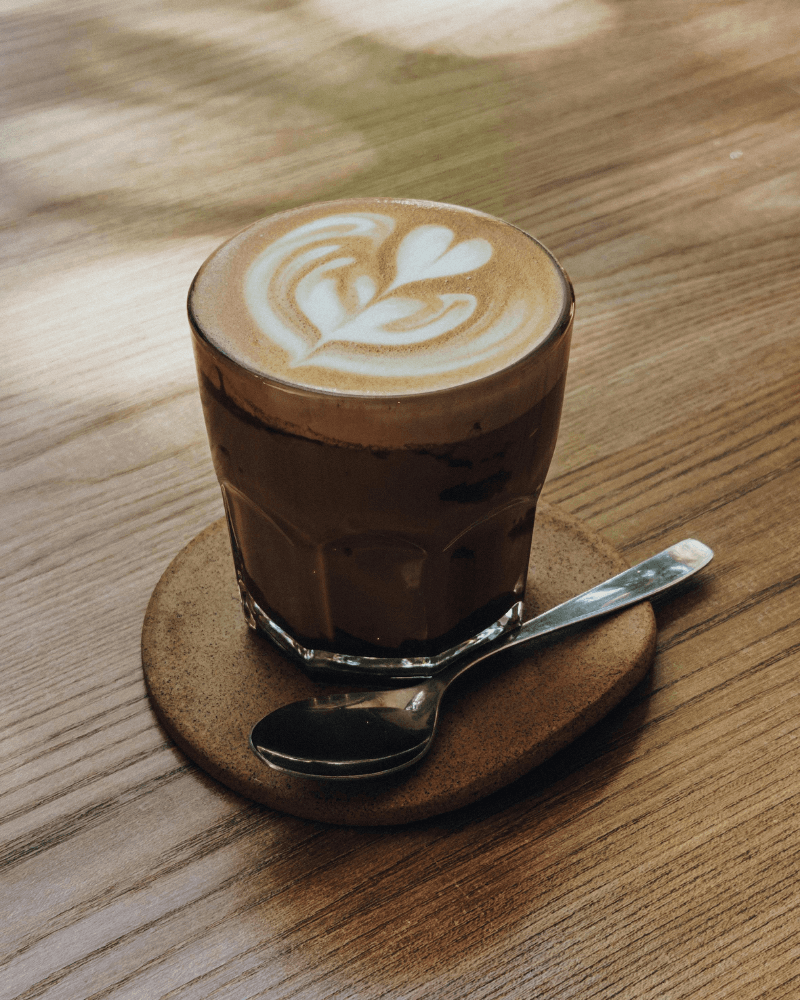
Flat White is a coffee drink made with espresso and finely textured steamed milk, offering a smoother and stronger flavor than a latte. Although it originated in Australia and New Zealand, it is widely served in modern Italian-style cafés.
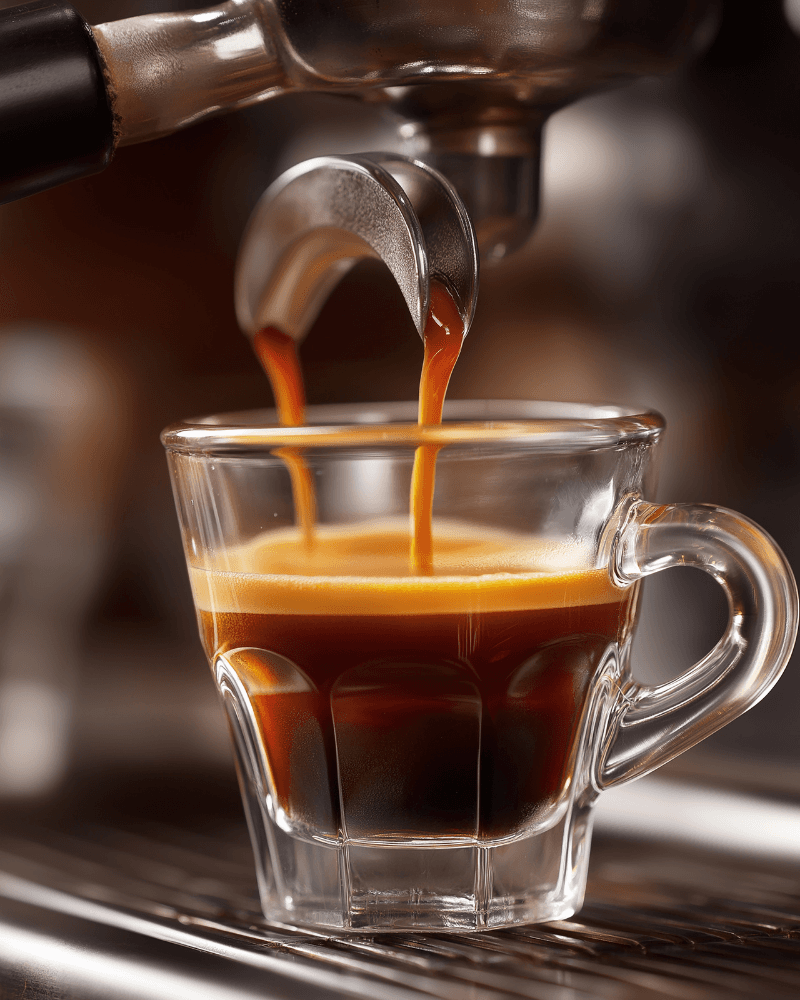
Espresso Signoria is a strong Italian espresso variation associated with Florence and traditional Tuscan coffee culture. Served in a small cup with an intense aroma and concentrated flavor, it reflects the classic Italian coffee experience.
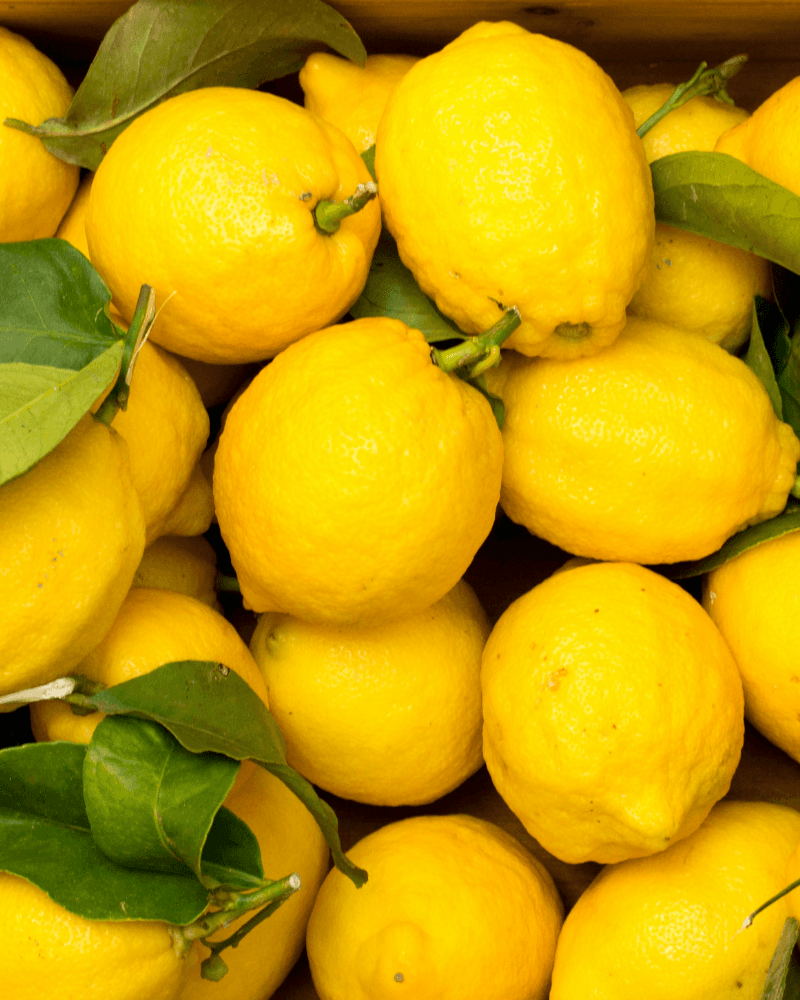
Limoncello is a traditional Italian lemon liqueur made from lemon zest, alcohol, water, and sugar. It is particularly associated with the local culinary culture of the Amalfi Coast and Sorrento in Southern Italy.
Discover cultural highlights, arts, festivals, and local experiences that reflect the character of Italy.
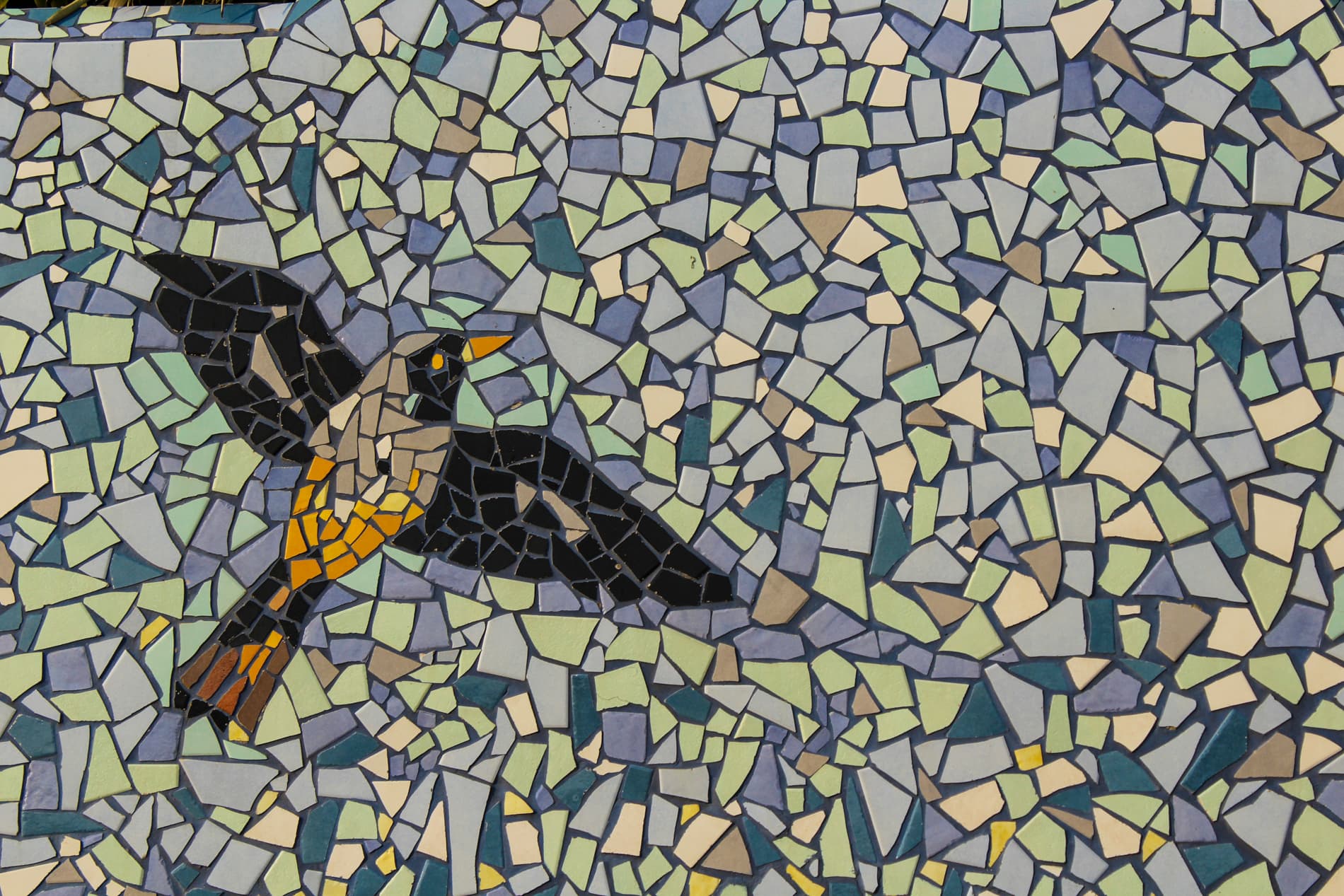
Italian mosaic art has a rich visual tradition stretching from antiquity through Byzantine influences and the Renaissance. Through churches, palaces, and historic buildings, it reflects Italy’s artistic heritage.
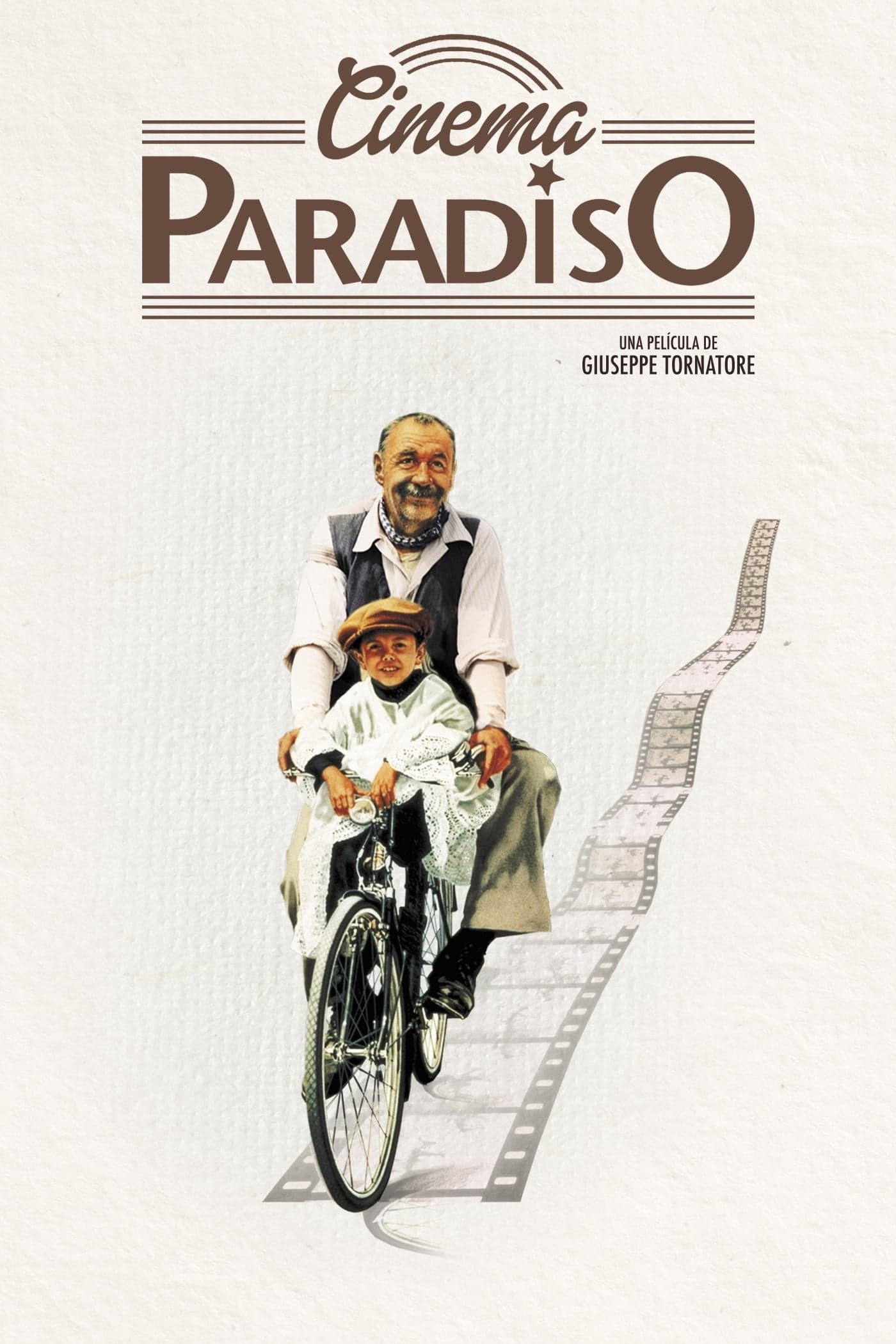
Directed by Giuseppe Tornatore, Cinema Paradiso is one of the unforgettable films of Italian cinema, telling the story of a boy’s bond with cinema and the shared memory of a small Sicilian town with a deeply emotional tone.
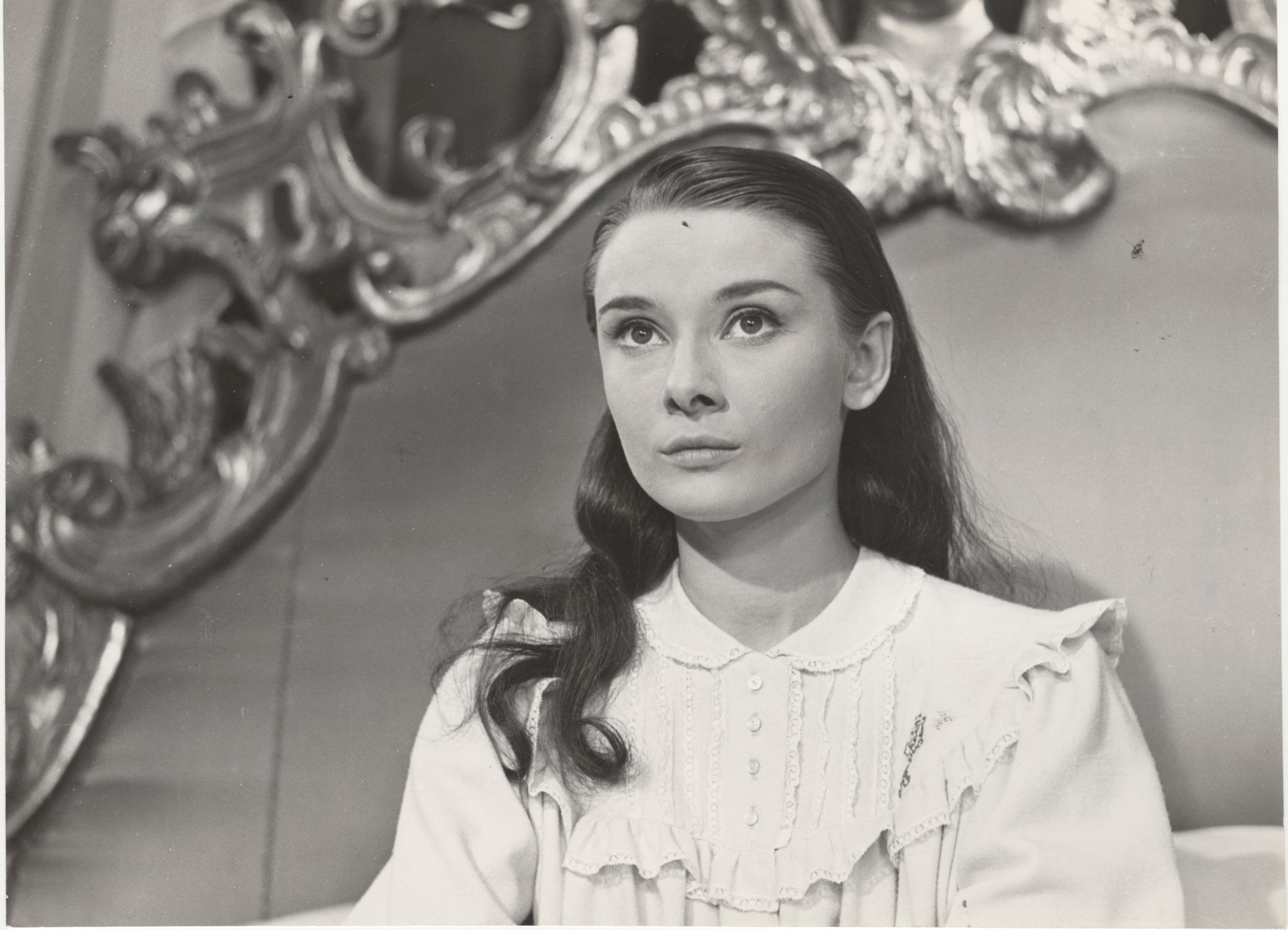
Roman Holiday is a classic film that captures the romantic atmosphere of Rome through Vespa rides, historic squares, and iconic streets. Starring Audrey Hepburn and Gregory Peck, it is considered one of cinema’s most memorable portrayals of Rome.
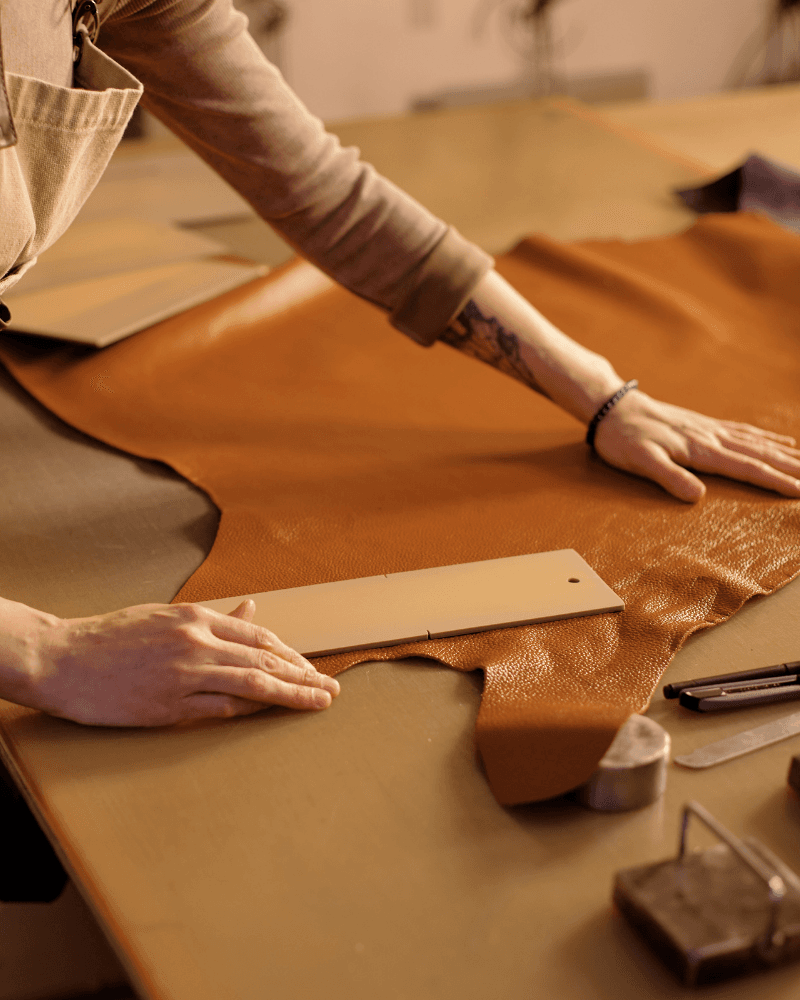
Florentine leather craft is one of the strongest expressions of the city’s artisan tradition. Through workshops, markets, and handmade products, it reflects Florence’s refined sense of design.
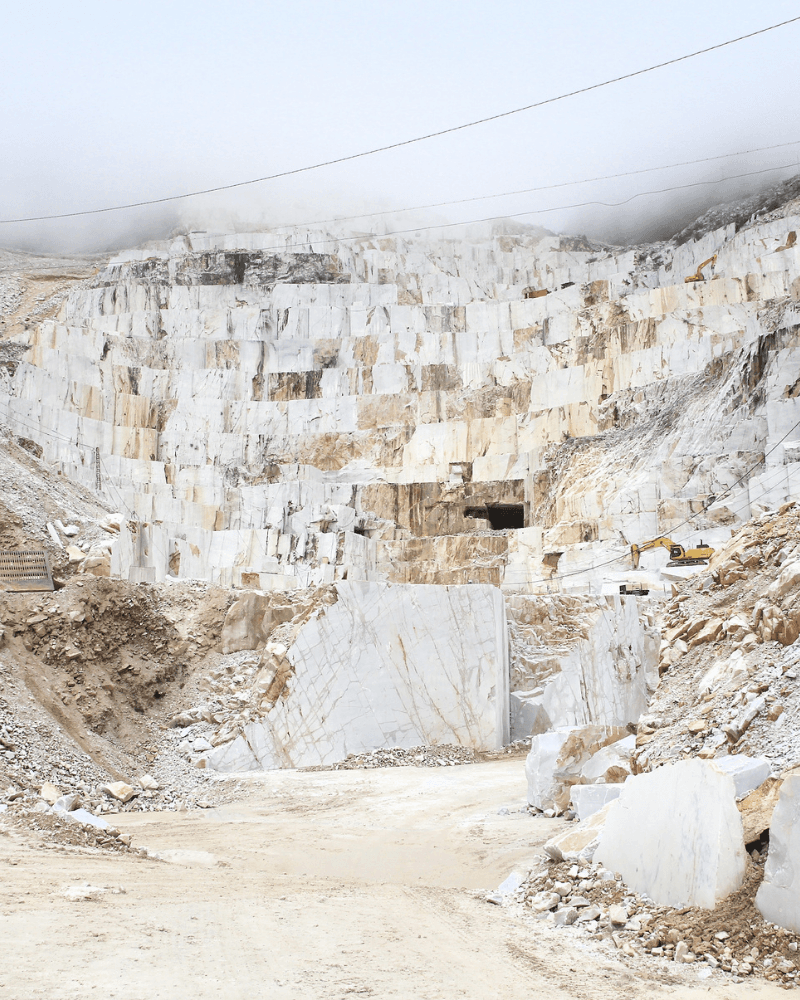
Carrara marble is one of Italy’s most valued natural and artistic treasures. Used by great artists such as Michelangelo, it has a strong connection with sculpture and architecture.

Italo Calvino was an influential Italian writer known for his imagination, allegories, and modern narrative techniques. Through works such as Invisible Cities and If on a Winter’s Night a Traveler, he left a lasting impact on world literature.

Umberto Eco’s The Name of the Rose is an important work of modern Italian literature, set in medieval Italy and exploring mystery, philosophy, religion, knowledge, and power within the atmosphere of a monastery.
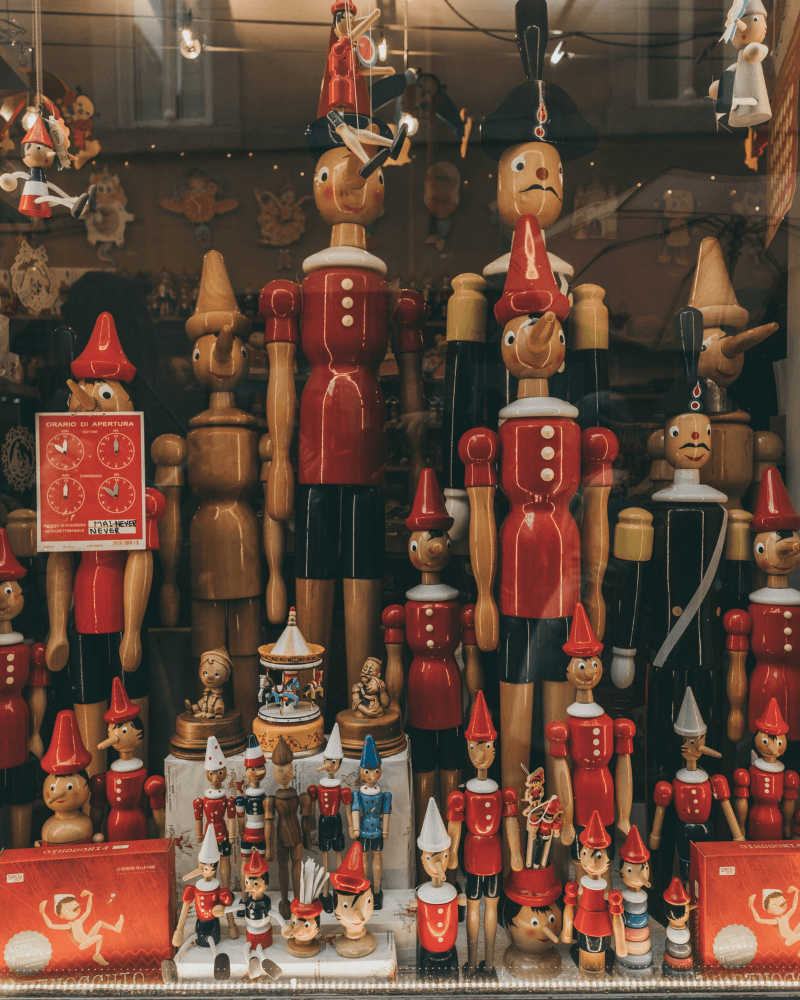
Written by Carlo Collodi, Pinocchio is one of the world-famous classics of Italian literature. Through the journey of a wooden puppet who dreams of becoming a real boy, it explores themes of honesty, responsibility, and growing up.

Federico Fellini is regarded as one of the most influential directors in Italian cinema. With his unique storytelling style blending realism and imagination, he left a lasting mark on world cinema through films such as La Dolce Vita and 8½.
Directed by Roberto Benigni, Life Is Beautiful is a powerful Italian film that tells the story of love, hope, and imagination within the dark atmosphere of war. It approaches its tragic subject with a deeply human and emotional tone.
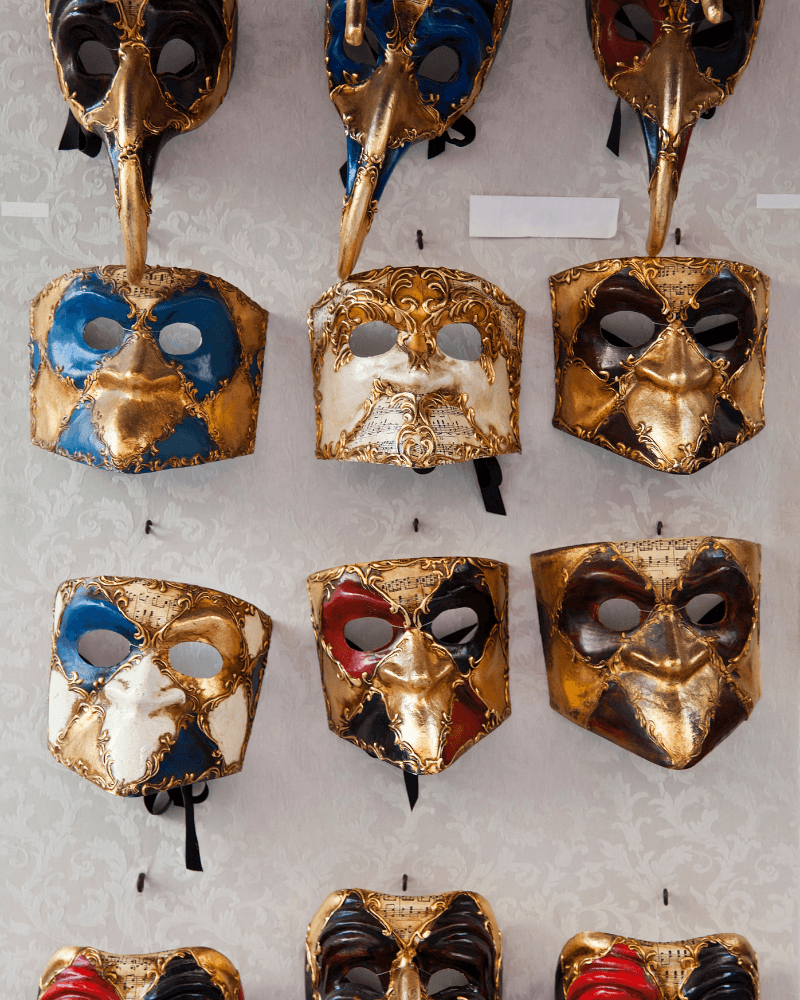
Venetian masks are among the most recognizable symbols of the Venice Carnival. Traditionally handcrafted, they reflect the city’s culture of theater, costume, and festive identity.
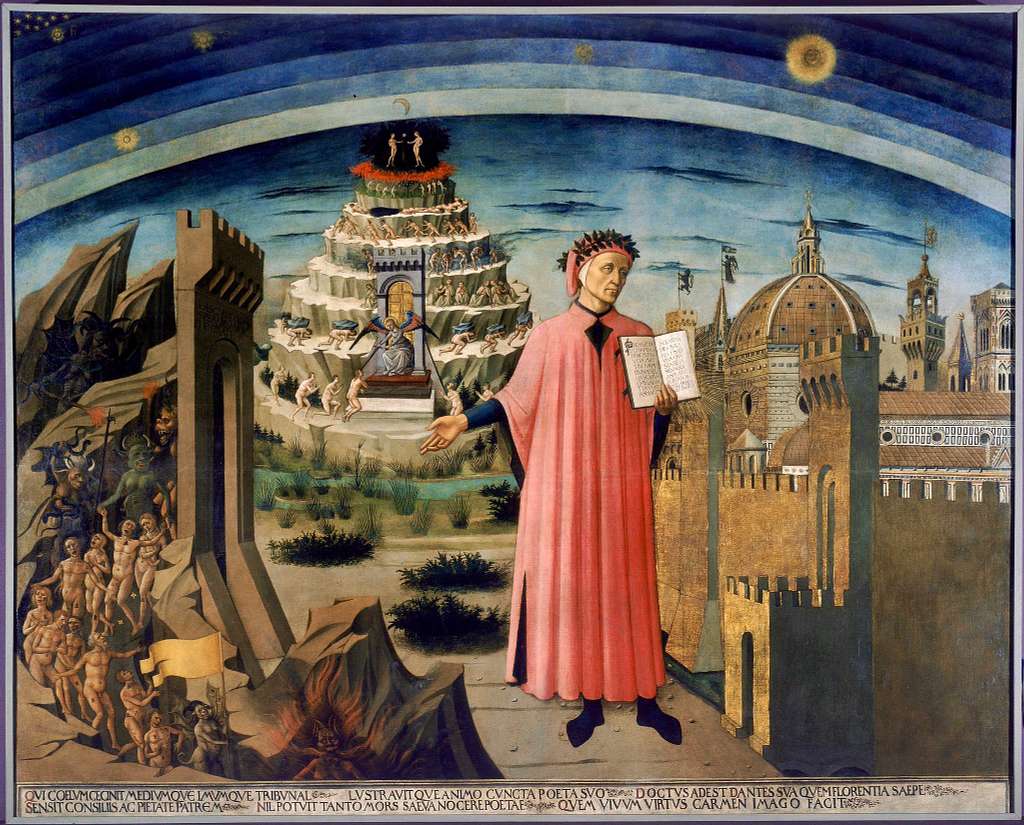
The Divine Comedy by Dante Alighieri is one of the most important literary works of medieval Europe. Composed of Inferno, Purgatorio, and Paradiso, the work explores the journey of the human soul and moral values through a profound narrative.
.jpg&w=3840&q=75)
Directed by Federico Fellini, La Dolce Vita is an iconic Italian film that critically explores the elite lifestyle of Rome and the superficial aspects of modern society.
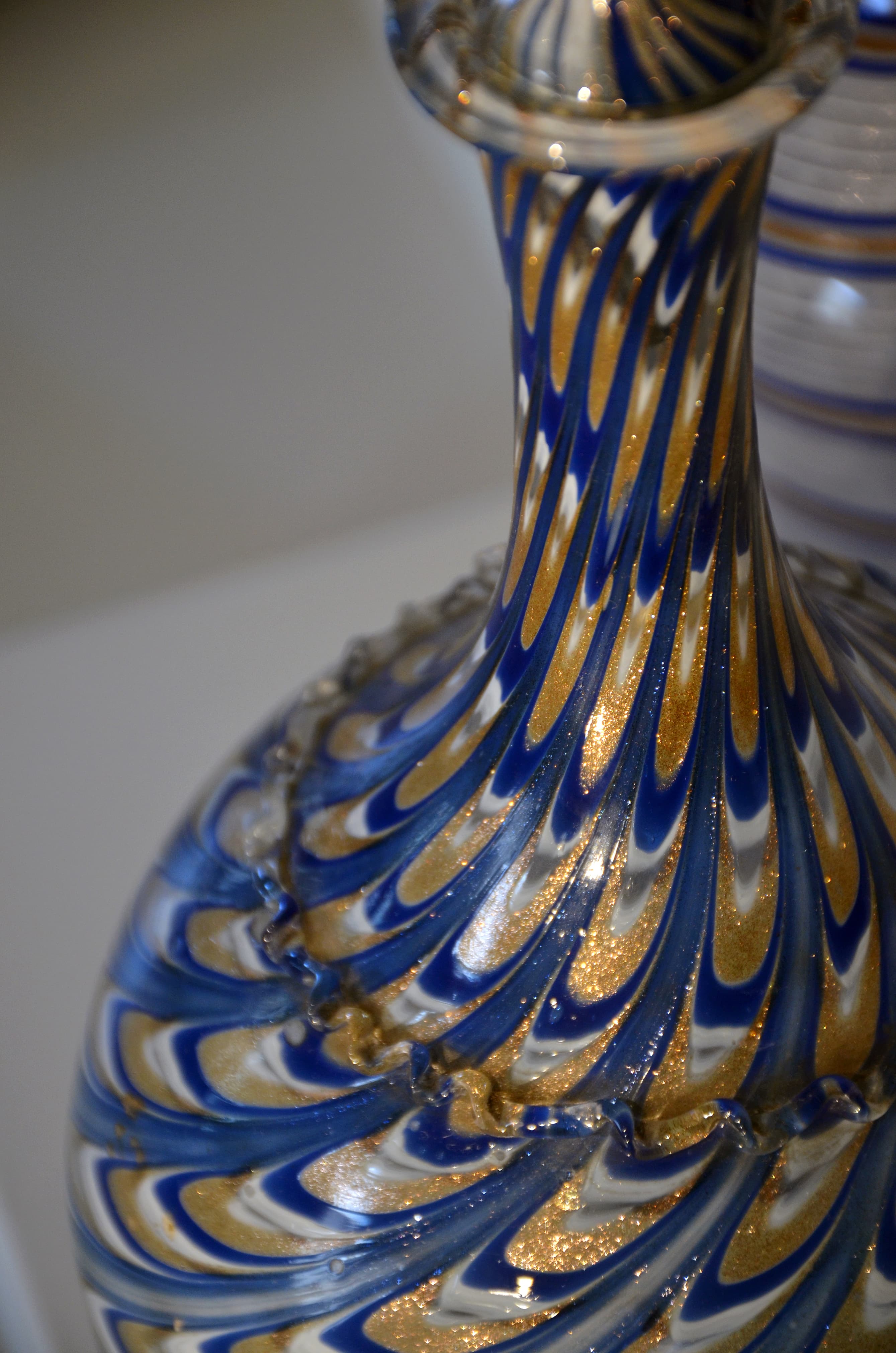
Murano glass art, produced for centuries on the island of Murano near Venice, is one of Italy’s most renowned craft traditions, famous worldwide for its handmade quality.

Milano Fashion Week is a prestigious event held in Milan and regarded as one of the most important gatherings in the international fashion world. With runway shows, presentations, and industry events, it creates a strong fashion atmosphere across the city.
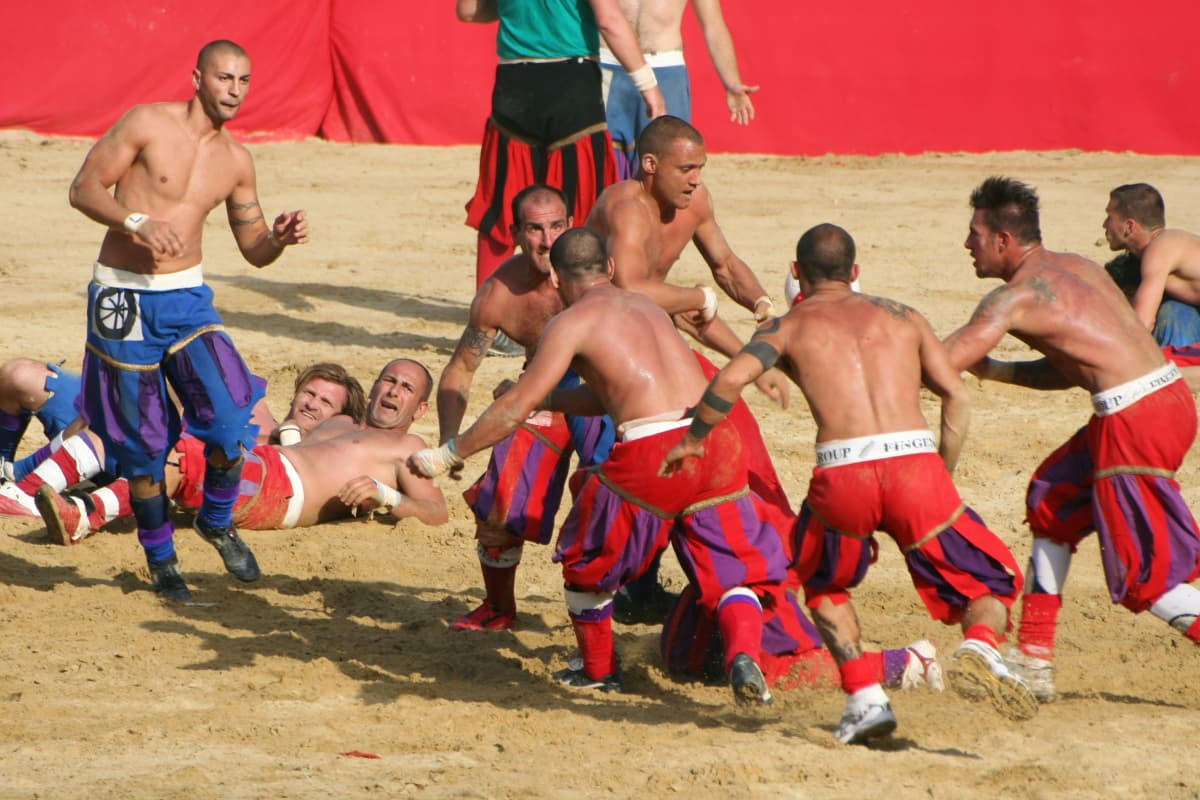
Calcio Storico Fiorentino is a historic sporting event held annually in Florence, with roots dating back to the Renaissance. With its traditional costumes, ceremonies, and intense style of play, it stands out as one of the city’s most distinctive cultural experiences.
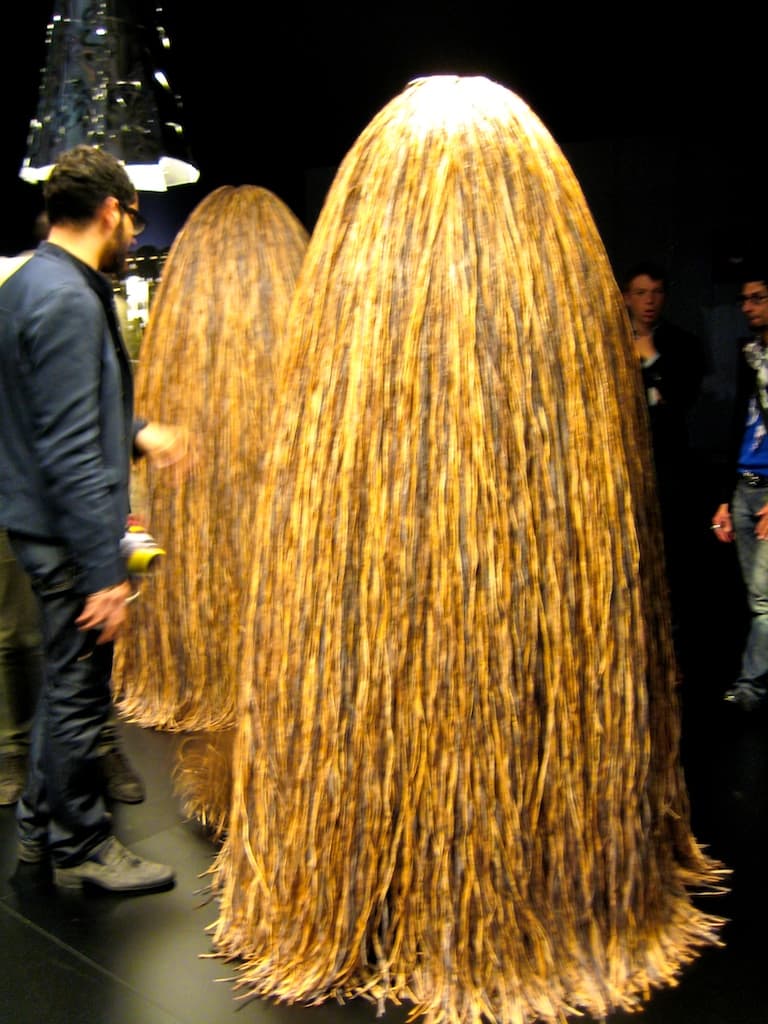
Salone del Mobile is a prestigious fair held in Milan and considered one of the most important events in the global design and furniture industry. With exhibitions, new collections, and innovative design presentations, it creates a strong design atmosphere across the city.
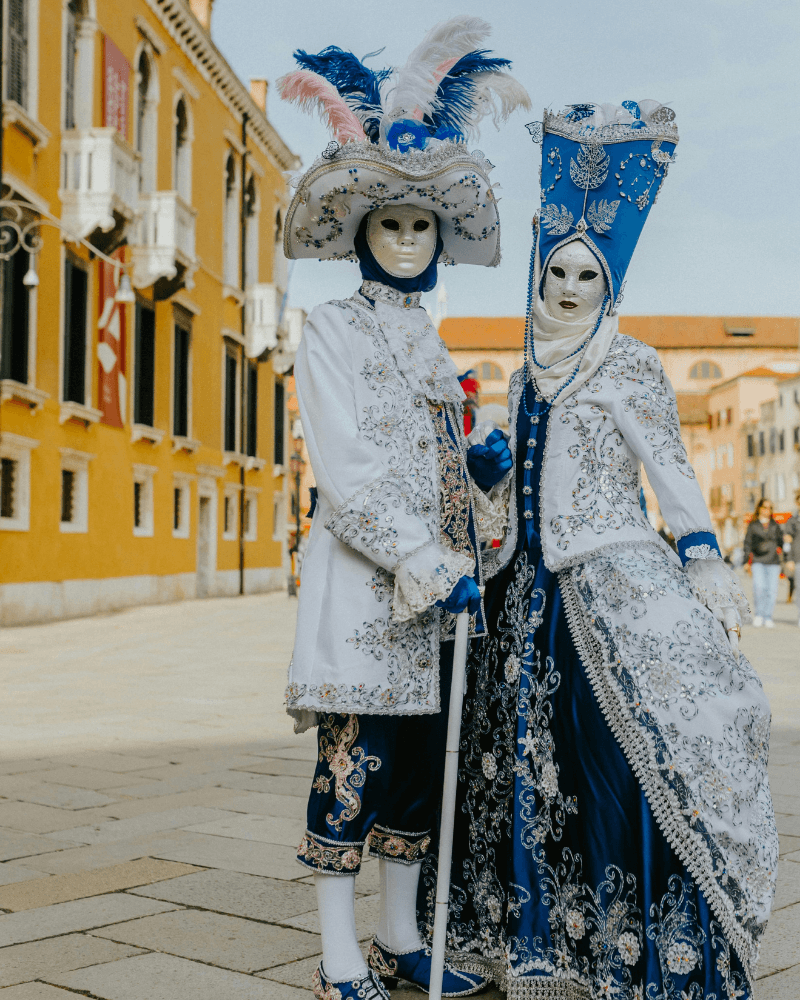
Famous for its masks and costumes, the Venice Carnival is one of Italy’s most iconic cultural events.

The Romaeuropa Festival is an international arts event held in Rome, bringing together theatre, dance, music, and contemporary performances. A major part of the city’s cultural calendar, it presents innovative productions from different artistic disciplines on a single platform.
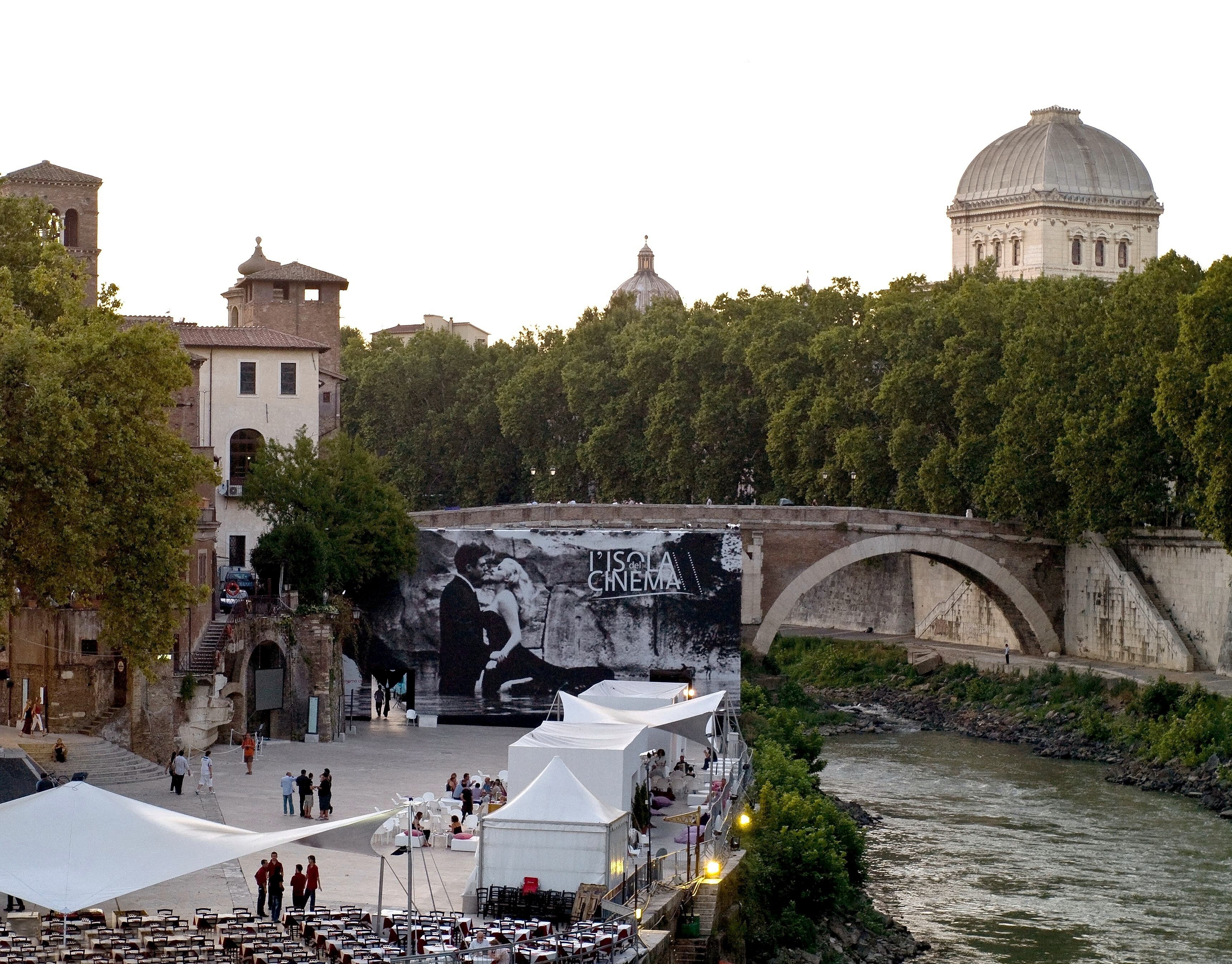
The Rome Film Fest is a major film event held in Rome, bringing together the international cinema world. With screenings, premieres, and special programs, it creates a vibrant cultural atmosphere in the city.
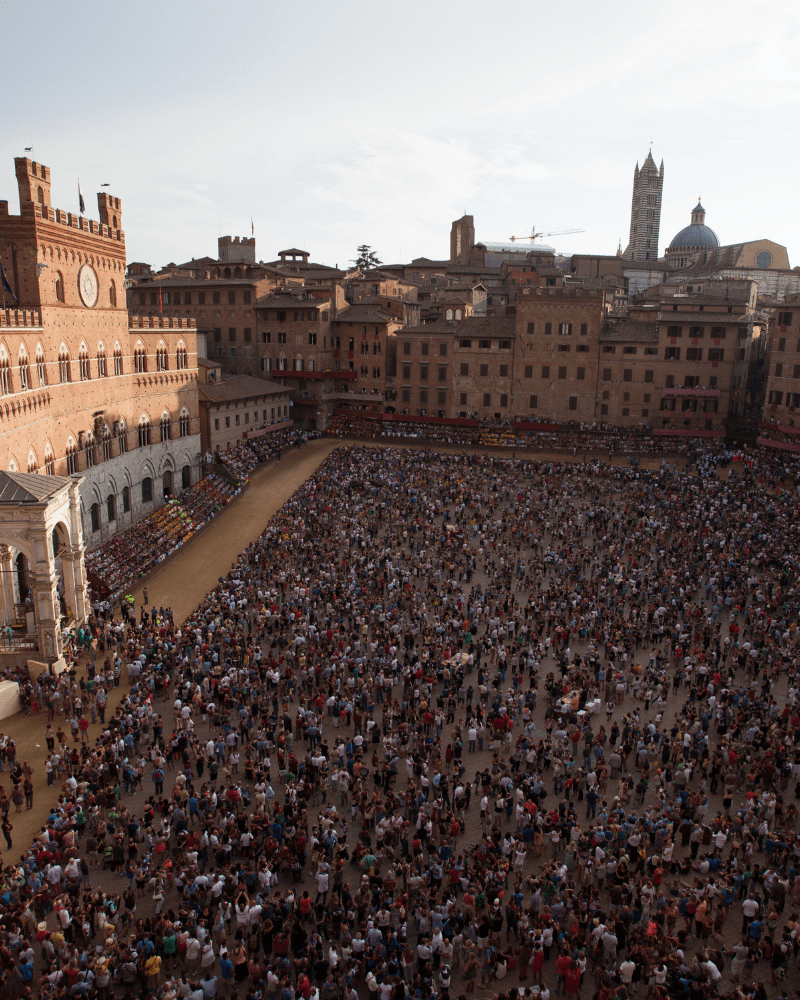
Palio di Siena is a famous horse race festival held in Siena, carrying a medieval tradition into the present day. This historic event, contested between the city districts, is considered one of Italy’s most distinctive cultural experiences.
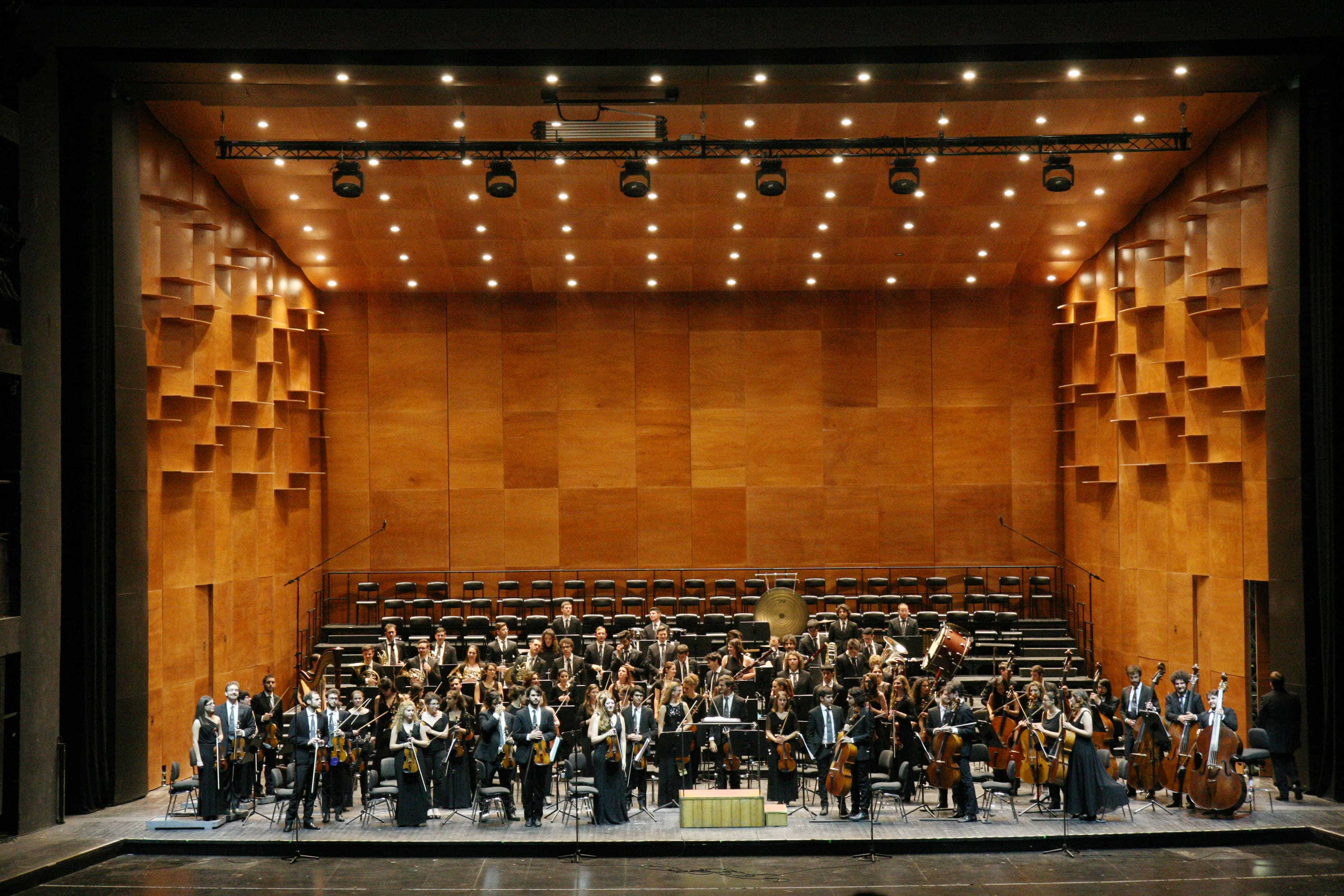
Maggio Musicale Fiorentino is an international music and opera festival, considered one of Florence’s most prestigious cultural events. With concerts, opera productions, and stage performances, it creates a vibrant artistic atmosphere in the city.
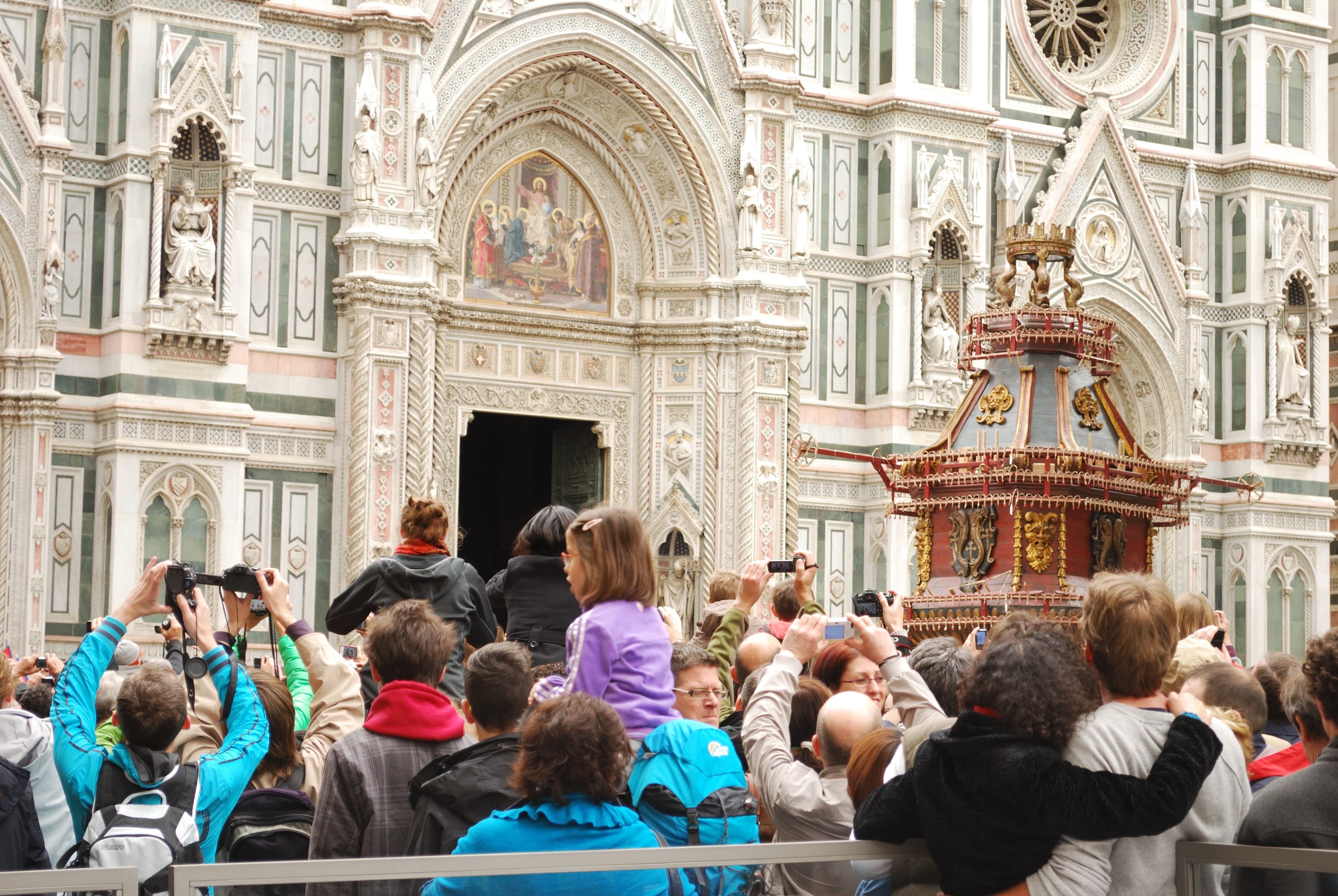
Scoppio del Carro is one of Florence’s most famous traditional Easter celebrations. Featuring a decorated historic cart and fireworks, the event is one of the most striking symbols of the city’s religious and cultural heritage.

One of Italy’s most famous music events, the Sanremo Festival is held annually and plays a major role in shaping the country’s popular music scene.
Italy’s history spans some of the world’s most influential civilizations, from Ancient Rome to the Renaissance and the modern Italian Republic. In ancient times, Italy was the center of the Roman Empire, which deeply shaped Europe and the Mediterranean world through its achievements in law, architecture, engineering, and governance. Roman roads, amphitheaters, temples, and ancient cities can still be seen across many parts of the country today. During the Middle Ages, Italy became a major center of trade, maritime power, and finance through powerful city-states such as Venice, Florence, Genoa, and Milan. The Renaissance, which began especially in Florence, brought a profound transformation to art, science, and intellectual life. Artists such as Leonardo da Vinci, Michelangelo, and Raphael helped establish Italy as one of the cultural capitals of Europe. Cathedrals, palaces, and public squares built during this period remain among the country’s most important cultural treasures. In the 19th century, modern Italy was formed through the unification of various kingdoms and regions. After experiencing wars and political changes during the 20th century, the country gradually became one of Europe’s leading economic and cultural centers. Today, Italy is one of the world’s most visited countries, known for its historic cities, artistic heritage, cuisine, fashion culture, and Mediterranean lifestyle, all of which preserve the legacy of its rich past.
The founding of Rome marks the beginning of a civilization that shaped Western history.
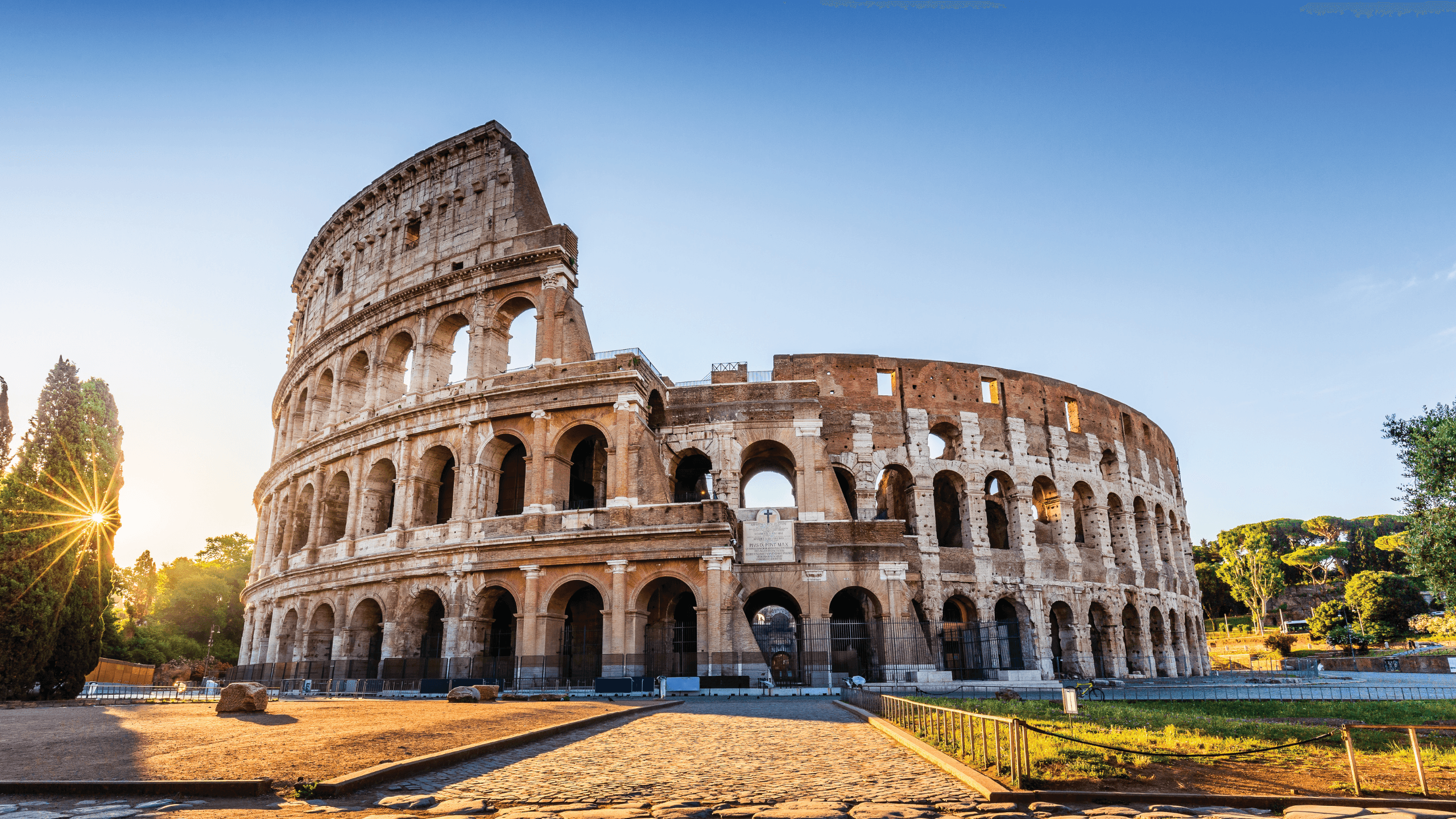
Rome grew into a powerful empire that left lasting influences in law, engineering, and governance.
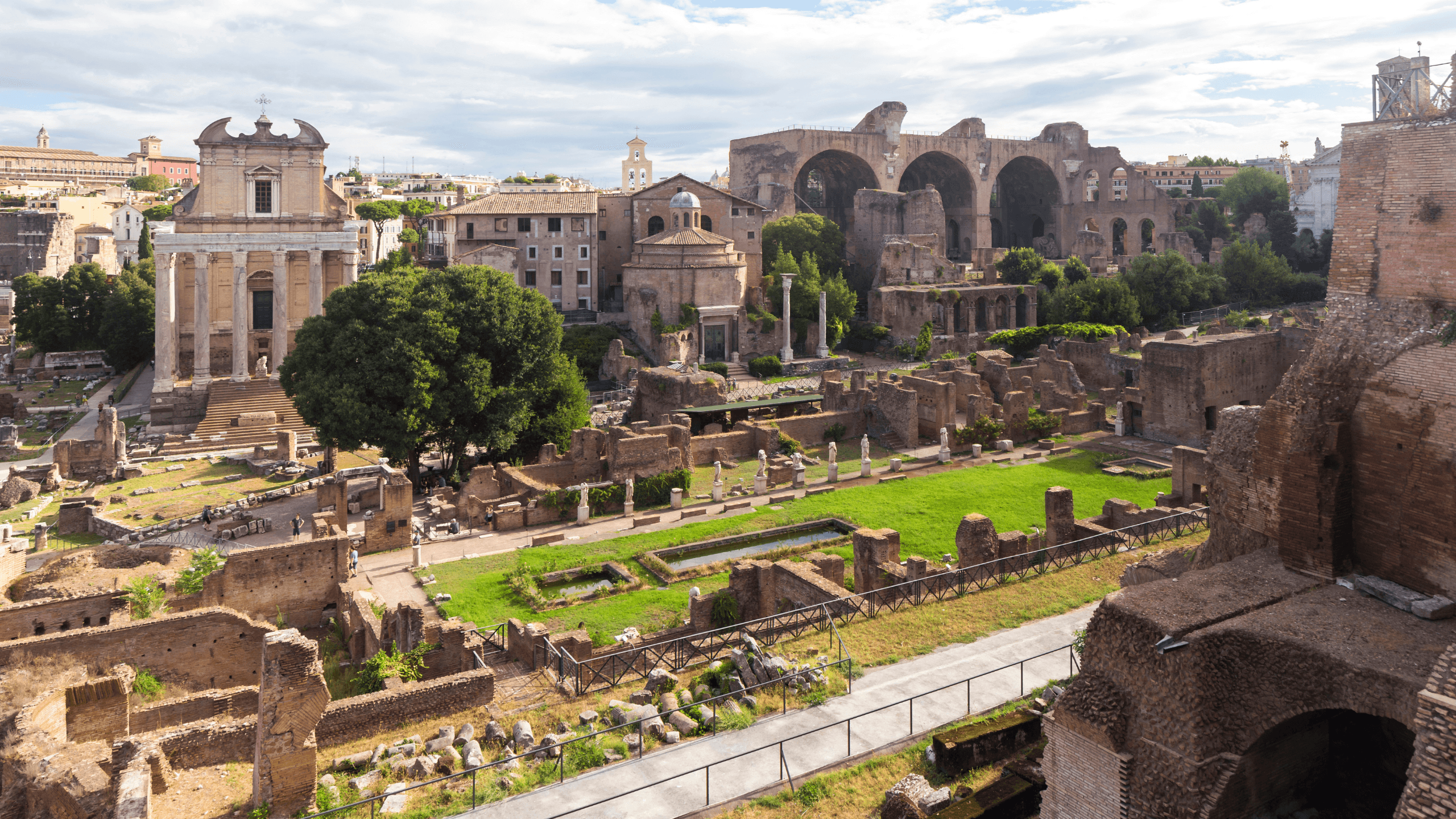
The fall of Western Rome marked the end of the ancient era and the beginning of the Middle Ages in Europe.
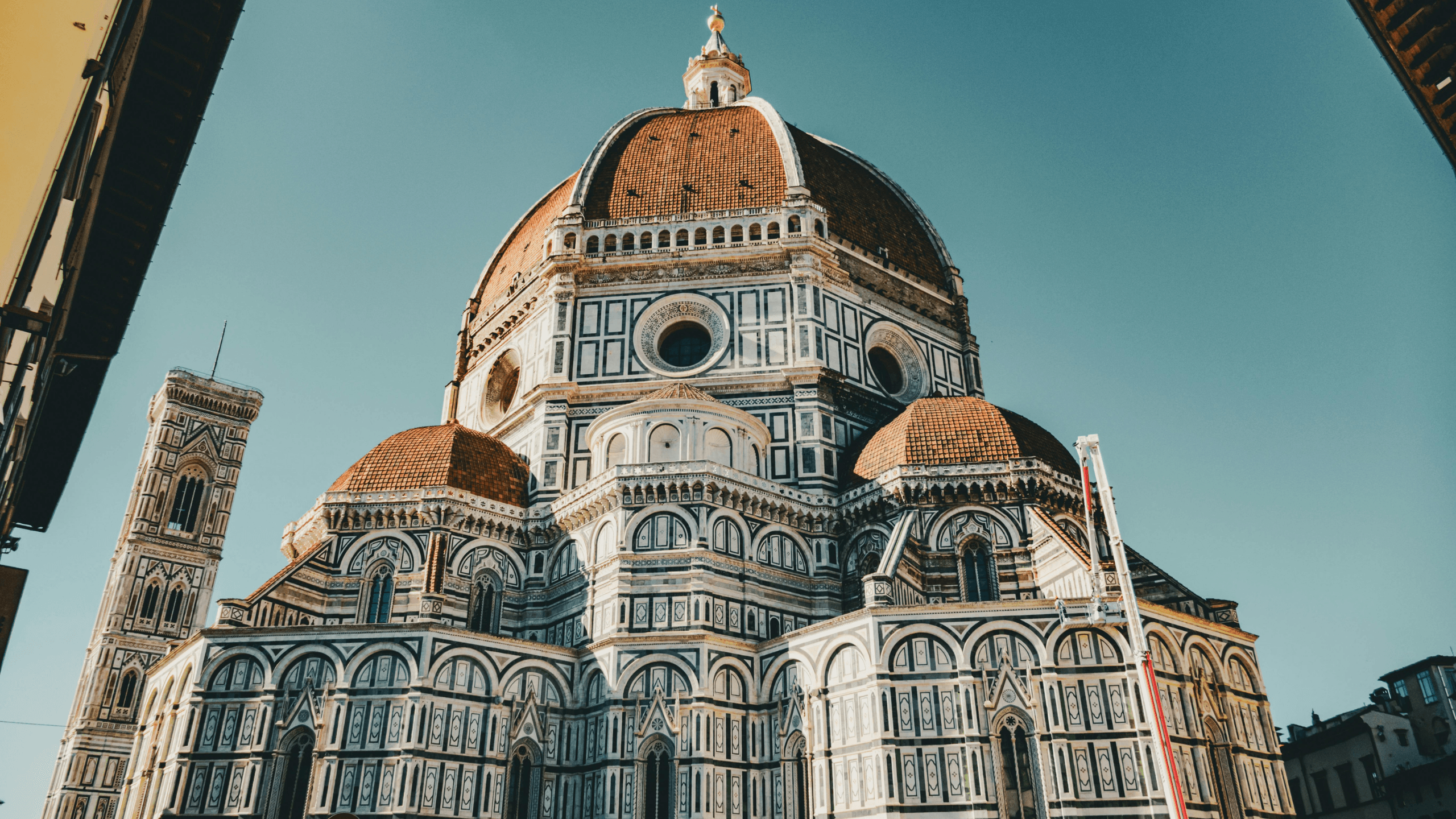
The Renaissance, which began in Italy, made the region the cultural center of Europe through major advances in art, science, and thought.
.png&w=3840&q=75)
The modern Italian state was formed through the unification of various kingdoms into a single nation.
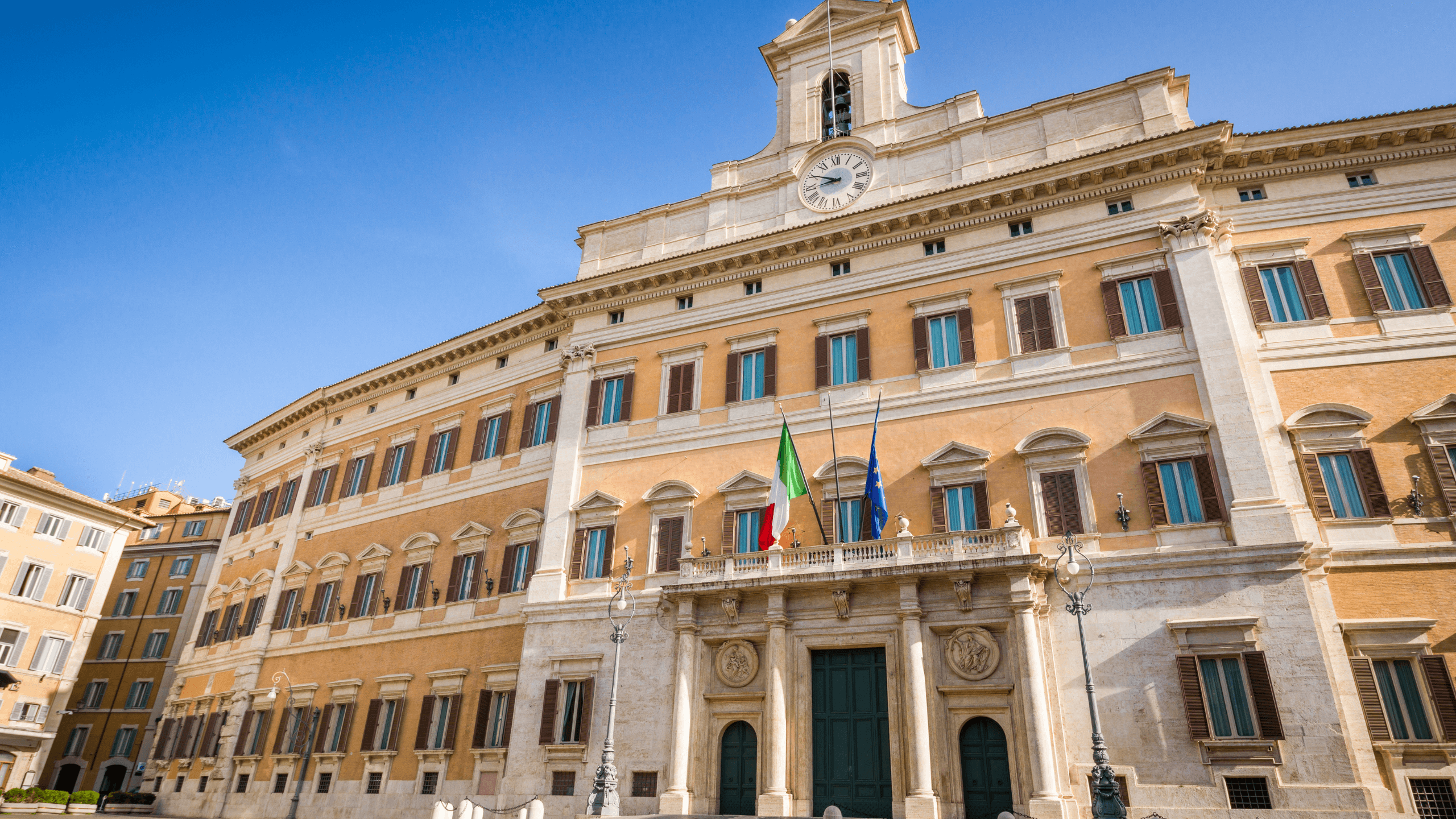
Italy became a republic after the end of the monarchy, shaping its modern political system.
Explore the location, climate, landscapes, mountains, coasts, and natural features that shape Italy.
Overall, Italy has a Mediterranean climate, with hot, dry summers and mild, rainy winters. In the northern Alpine regions, the climate is colder and more continental.
The Alps form a natural northern boundary, while the Apennine Mountains run along the country, forming its backbone from north to south.

The Mediterranean coastline is highly indented, featuring numerous bays and scenic shorelines. Italy has coastlines along the Adriatic, Tyrrhenian, and Ionian Seas. The Amalfi and Ligurian coasts are particularly notable for their landscapes.
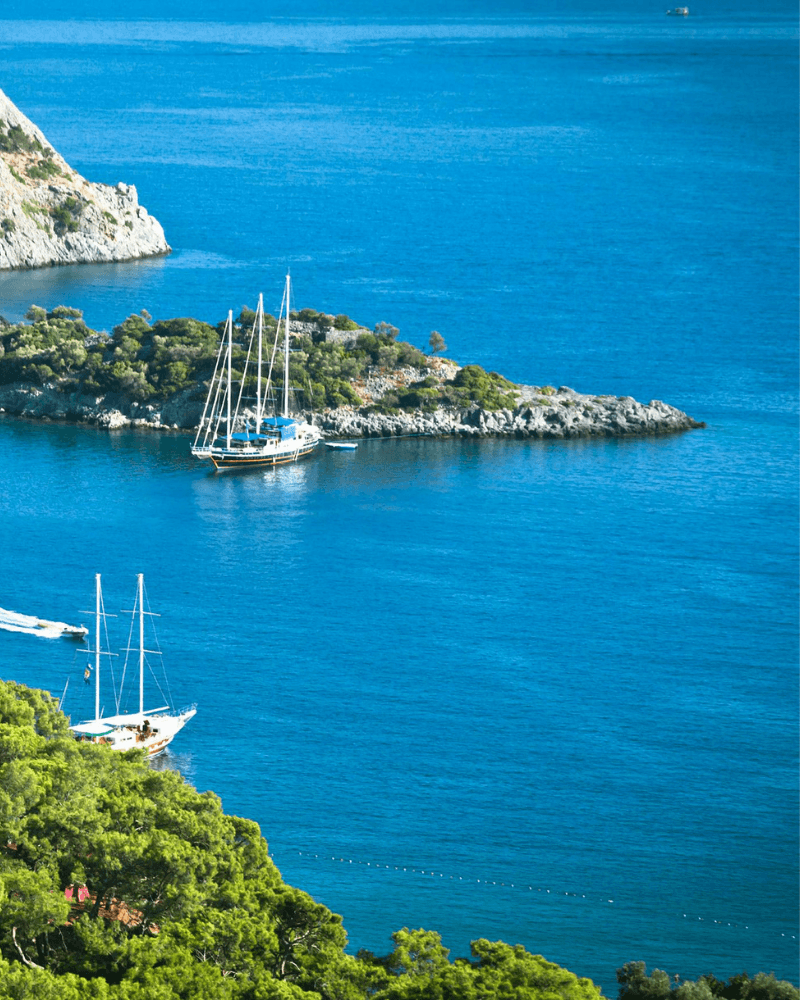
The Po River is the longest river in the country, while Lakes Garda, Como, and Maggiore are among the most significant.
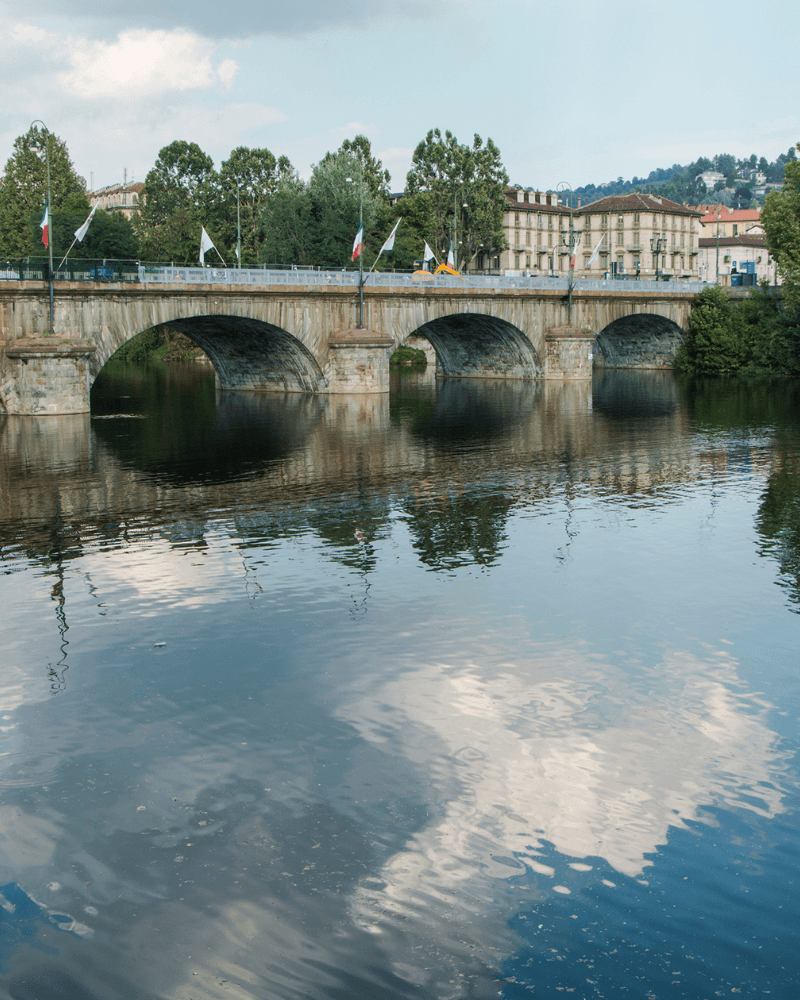
Italy is known for its volcanic activity, particularly in the southern regions. Throughout history, eruptions have shaped both the natural landscape and cultural heritage; one of the most notable examples is Pompeii, which was destroyed by the eruption of Mount Vesuvius. Today, Mount Etna, Mount Vesuvius, and Stromboli are among the most well-known active volcanoes in the country.

Mediterranean vegetation (maquis) is widespread across Italy, with olive, cypress, and pine trees being the most characteristic. In the northern regions, denser forests and Alpine vegetation are more common.

In Italy, mountain and rural areas are home to species such as ibex, wild boar, and wolves, while coastal and marine areas host species like the Mediterranean monk seal.

Explore the population, urbanization, social diversity, and key demographic characteristics of Italy.
Social diversity in Italy is moderate and is increasing in major cities due to migration and tourism.
Religion in Italy is predominantly Catholic, although secularization has been increasing in recent years.
Family ties are very strong in Italy, and traditional family structures play an important role in daily life. Shared meals, spending time with family, and close intergenerational relationships are central to the culture, and it is common for young adults to live close to their families for longer.
Italy has a well-developed education system and is known for its long academic tradition. Primary and secondary education are widespread, and the country is home to many higher education institutions, including some of the oldest universities in the world such as Bologna.
Italy is a country that receives immigration, particularly from Africa and Eastern Europe, with migrant populations concentrated in major cities.
Life expectancy in Italy is approximately 83 years.