Best Time to Visit
Austria can be visited year-round; however, spring through autumn is ideal for city trips and outdoor activities, while December to March is the most popular period for skiing and winter experiences.
Central Europe
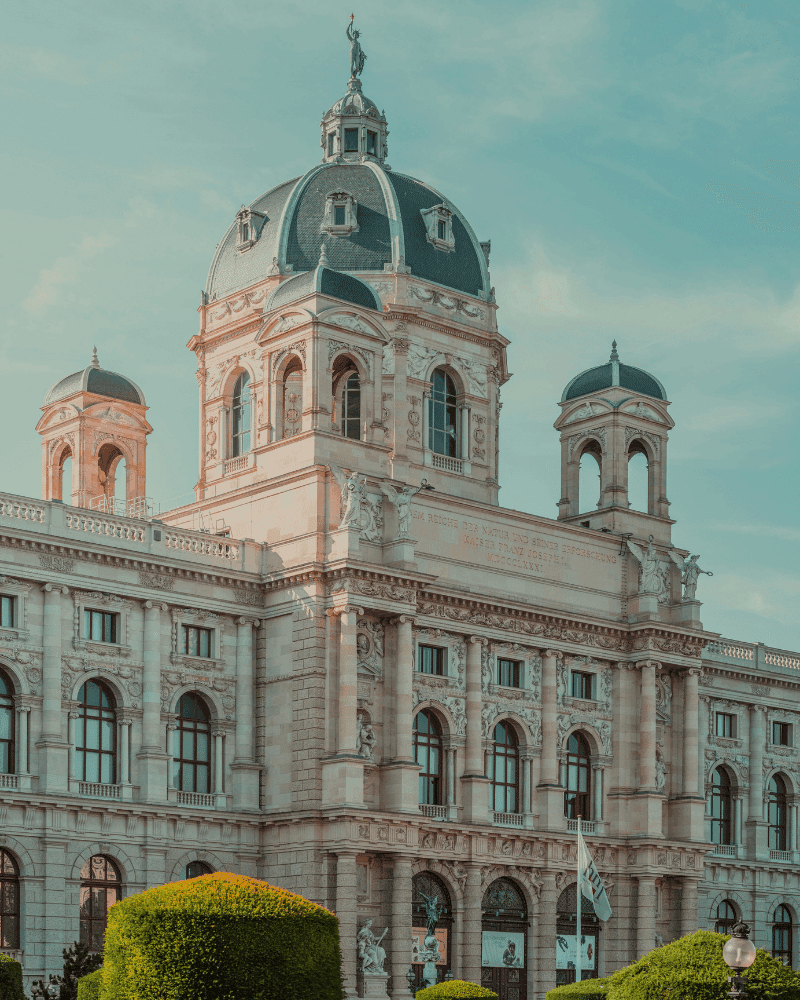
Austria is a Central European country known for the Alps, historic cities, musical heritage, and high quality of life. Its capital, Vienna, is one of Europe’s most important cultural centers.
Austria can be visited year-round; however, spring through autumn is ideal for city trips and outdoor activities, while December to March is the most popular period for skiing and winter experiences.
Historically, Christianity—especially Catholicism—has played an important role in Austria. Today, the country is home to a culturally diverse society with communities of different beliefs and backgrounds.
Federal Parliamentary Republic
Discover remarkable cities, local culture, and places worth exploring across Austria.
Plan your trip to Austria with practical information on transport, entry requirements, payments, safety, health, and local etiquette.
Public transport in Austria is efficient, reliable, and easy to use. Cities such as Vienna, Salzburg, and Innsbruck have strong tram, metro, and bus networks. For intercity travel, trains are among the most comfortable options. Renting a car can be useful in rural or alpine areas; some motorways require a vignette toll sticker.
The best time to visit Austria depends on your travel style. Late spring and early autumn are excellent for city breaks, culture, and nature. Summer is ideal for lakes, hiking, and outdoor events. Winter is the most popular season for skiing and alpine holidays.
Austria uses 230V / 50Hz electricity. Standard two-pin European plugs are common, so some travellers may need an adapter. Wi-Fi is widely available in hotels, cafés, and restaurants. Local SIM and eSIM options are practical for both short and longer stays.
Austria is part of the Schengen Area. Entry is generally straightforward for EU/EEA and Swiss citizens. Travellers from many other countries may need a Schengen visa. Passport validity rules and current entry requirements should always be checked through official sources before travelling.
The currency is the euro. Card payments are common in major cities and tourist areas, but cash may still be needed in smaller businesses or rural areas. Austria is generally a mid- to upper-budget destination by Central European standards. In restaurants and taxis, rounding up the bill or leaving around 5–10% tip is common.
Austria is generally a very safe country. Still, travellers should stay alert for pickpocketing in major cities, train stations, and crowded tourist areas. In winter, weather conditions in mountain and ski regions can change quickly, so local guidance should be followed during outdoor activities.
People in Austria are generally polite, calm, and respectful of rules. Quiet behaviour on public transport, waiting in line properly, and keeping public spaces orderly are appreciated. Communication in service settings is usually formal but courteous. Big cities feel more cosmopolitan, while smaller towns can be more traditional.
Health and hygiene standards are high. Pharmacies are common and access to medical care is generally good. Tap water is safe to drink in most areas. In winter, cold weather and alpine conditions require extra care, while summer travellers should pay attention to sun exposure and hydration during outdoor activities.
The European emergency number is 112. In Austria, the specific direct numbers are also 133 for police, 144 for ambulance, and 122 for fire services.
Visa, health, and safety information may change over time. Check current information from official sources before traveling.
Austrian cuisine reflects Central European influence. Pastries and dishes like schnitzel and strudel are highlights.
Breakfast is light, lunch is filling. Coffee and dessert culture is very strong.
"Mahlzeit" or "Guten Appetit" is said before meals. Table manners are formal.
Tap water is high quality and drinkable. Restaurants usually charge for it.
Pork is common. Desserts and pastries play an important role.
Coffee culture is very strong. Wine is also popular. Traditional cafés are important.
Tipping is usually 5-10%. Bills are often rounded up.
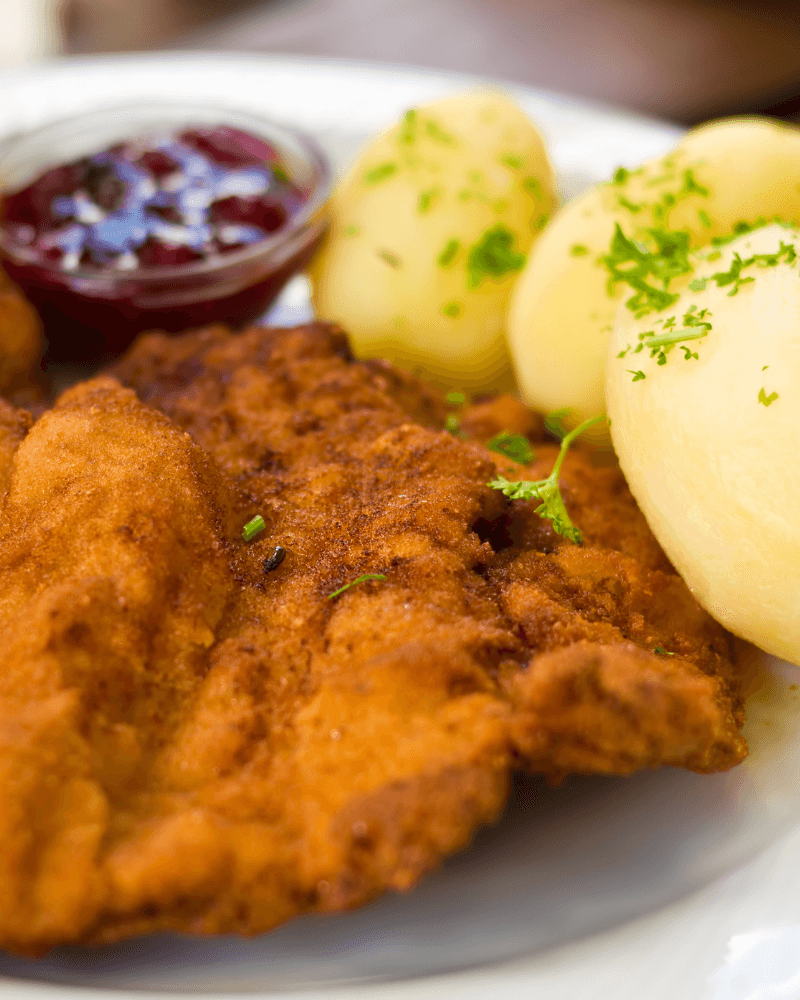
Wiener Schnitzel is Austria’s most famous traditional dish, made from thin veal cutlets coated in breadcrumbs and fried until golden and crispy. Originating from Vienna, it is commonly served with potato salad, parsley potatoes, or lemon.
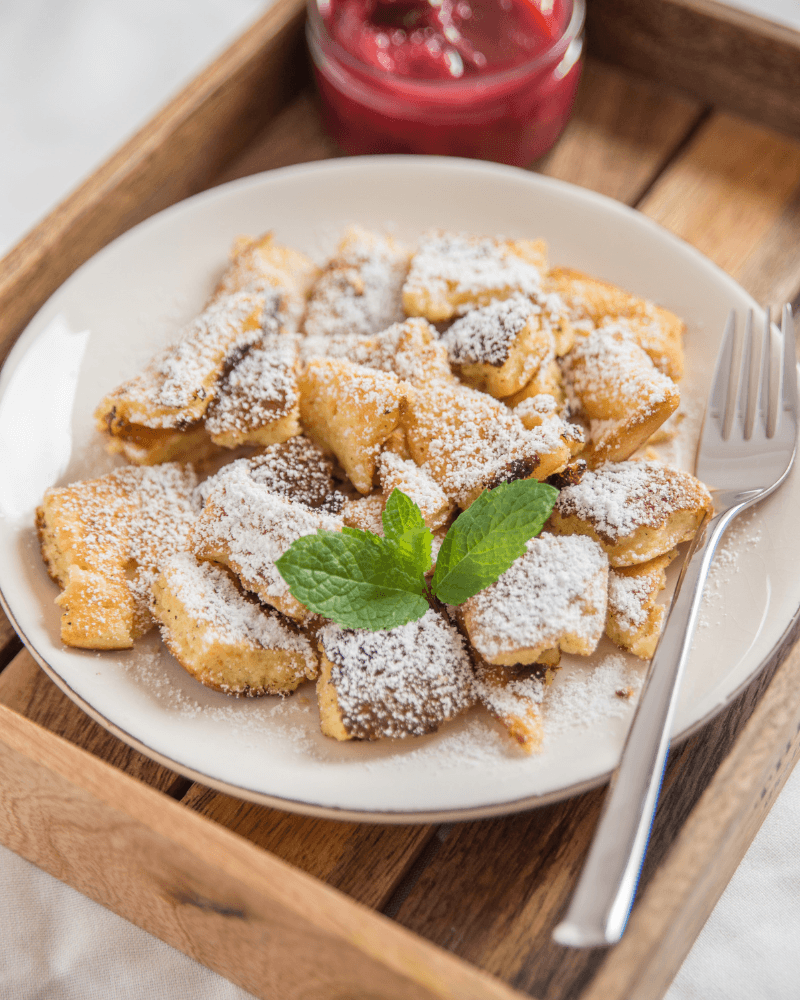
Kaiserschmarrn is a traditional Austrian shredded pancake dessert made with fluffy caramelized batter, often served with powdered sugar and fruit compote. It is especially associated with Viennese and Alpine cuisine.
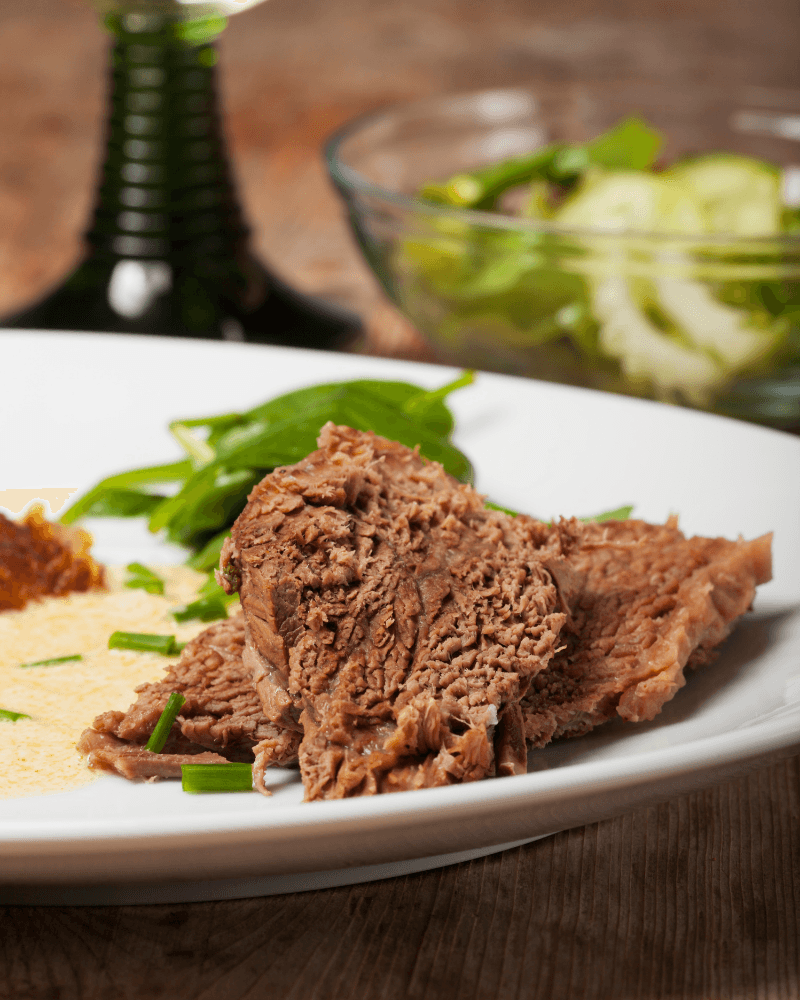
Tafelspitz is a classic Austrian dish made from boiled beef slowly cooked with root vegetables, herbs, and broth. Traditionally associated with Viennese cuisine, it is often served with apple horseradish sauce, chive sauce, and potatoes.

Cordon Bleu is a breaded and fried meat dish filled with ham and melted cheese, commonly made with veal, pork, or chicken. Popular in Austrian and Central European cuisine, it is usually served with potatoes, salad, or fries.
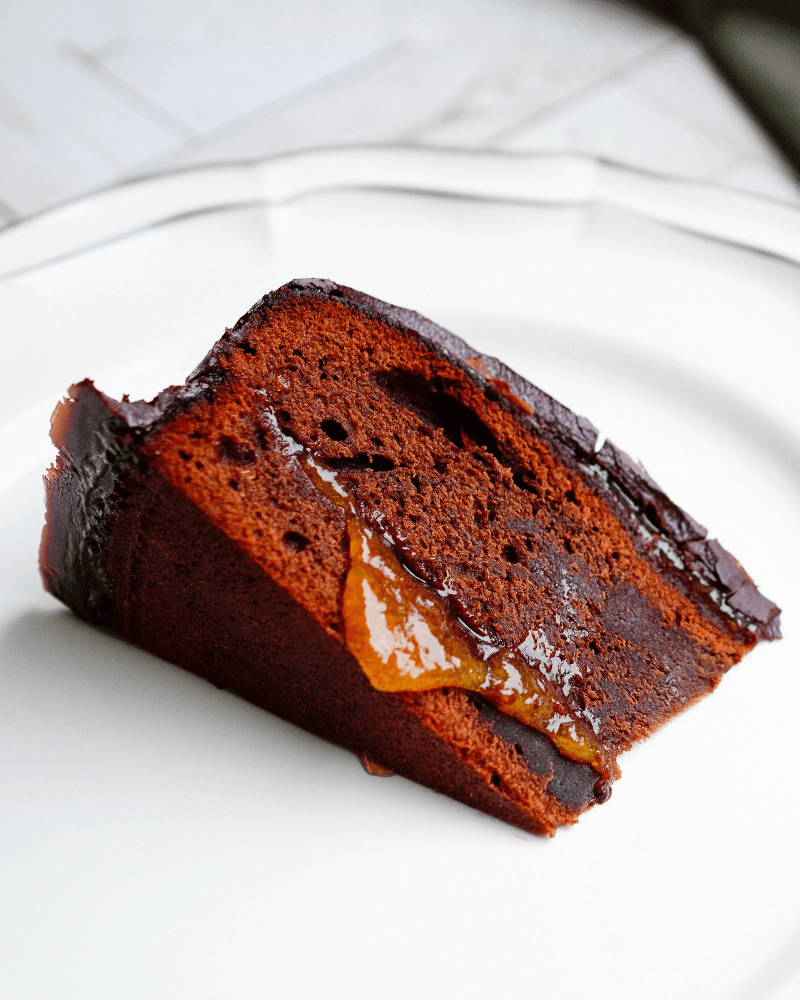
Sachertorte is Austria’s most famous chocolate cake, created in Vienna in the 19th century. It consists of dense chocolate sponge cake layered with apricot jam and covered in dark chocolate glaze, traditionally served with whipped cream.
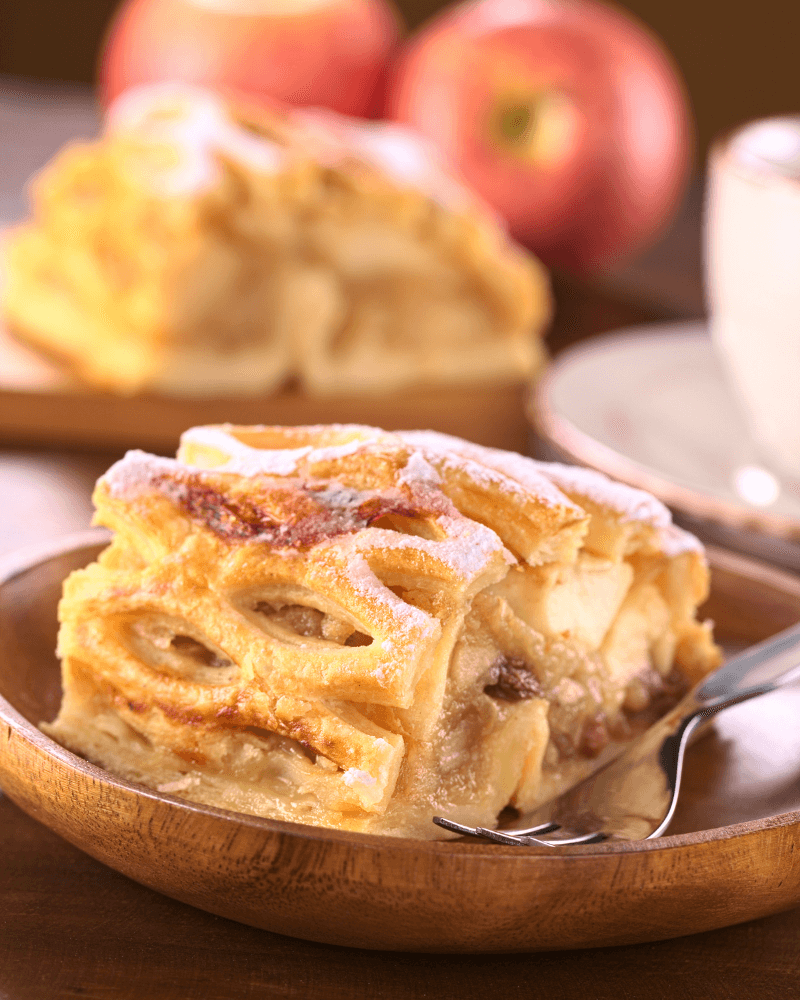
Apple Strudel is a traditional Austrian pastry made with thin layers of dough filled with apples, cinnamon, raisins, and sugar. Especially associated with Viennese café culture, it is often served warm with powdered sugar, cream, or vanilla sauce.
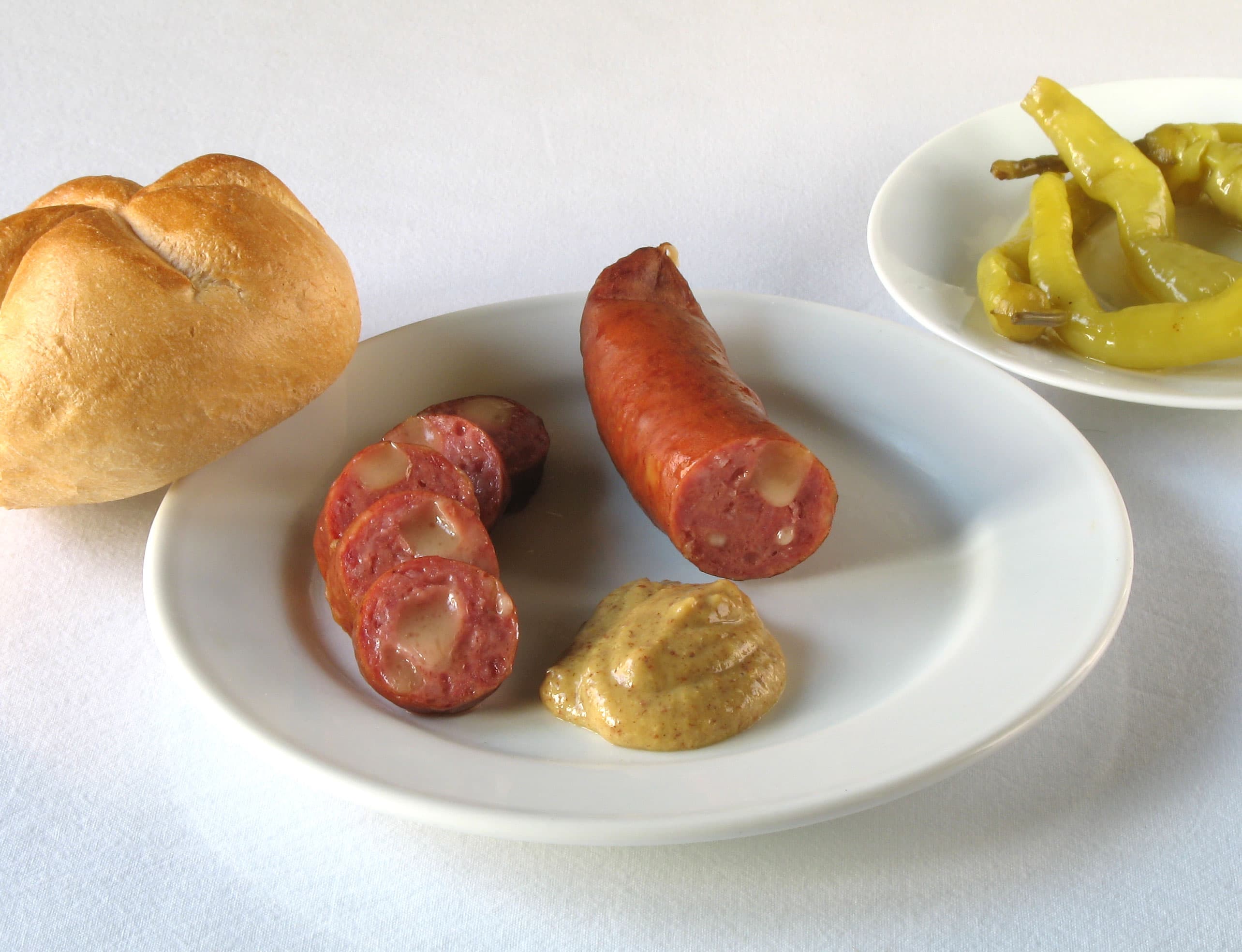
Käsekrainer is a popular Austrian sausage filled with melted cheese, traditionally grilled or pan-fried and commonly served with mustard and bread. It is especially associated with Vienna’s street food culture.
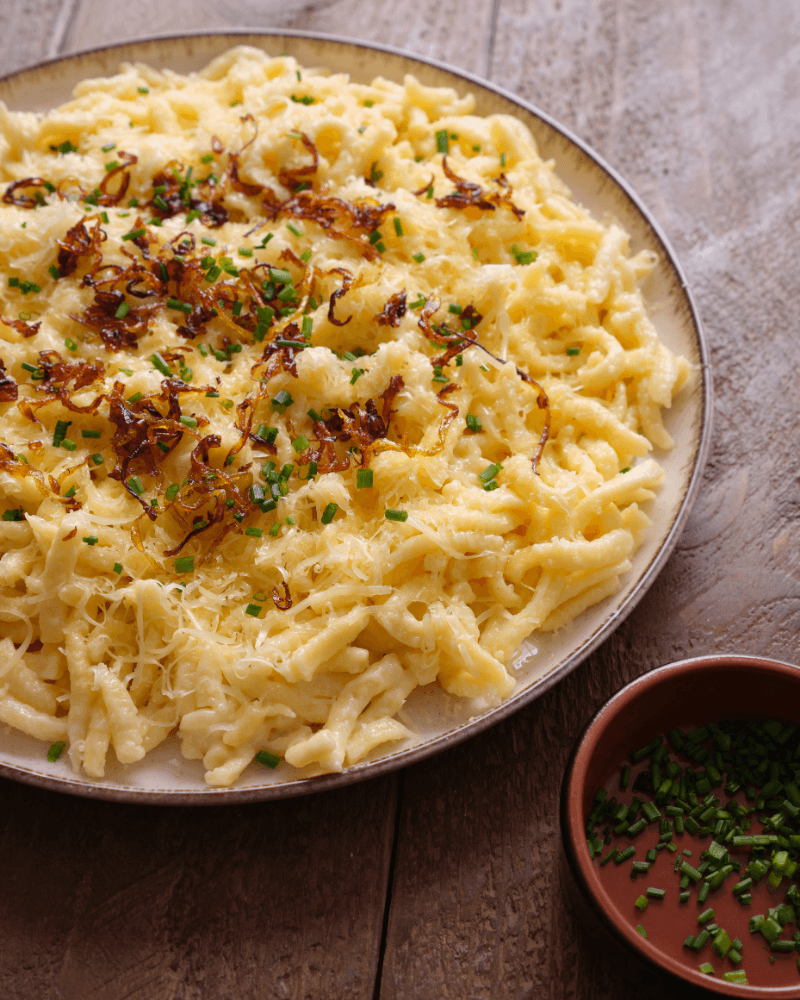
Käsespätzle is a traditional Austrian and Alpine dish made with soft egg noodles layered with melted cheese and topped with crispy fried onions. Often described as the Alpine version of mac and cheese, it is especially popular in mountain regions.
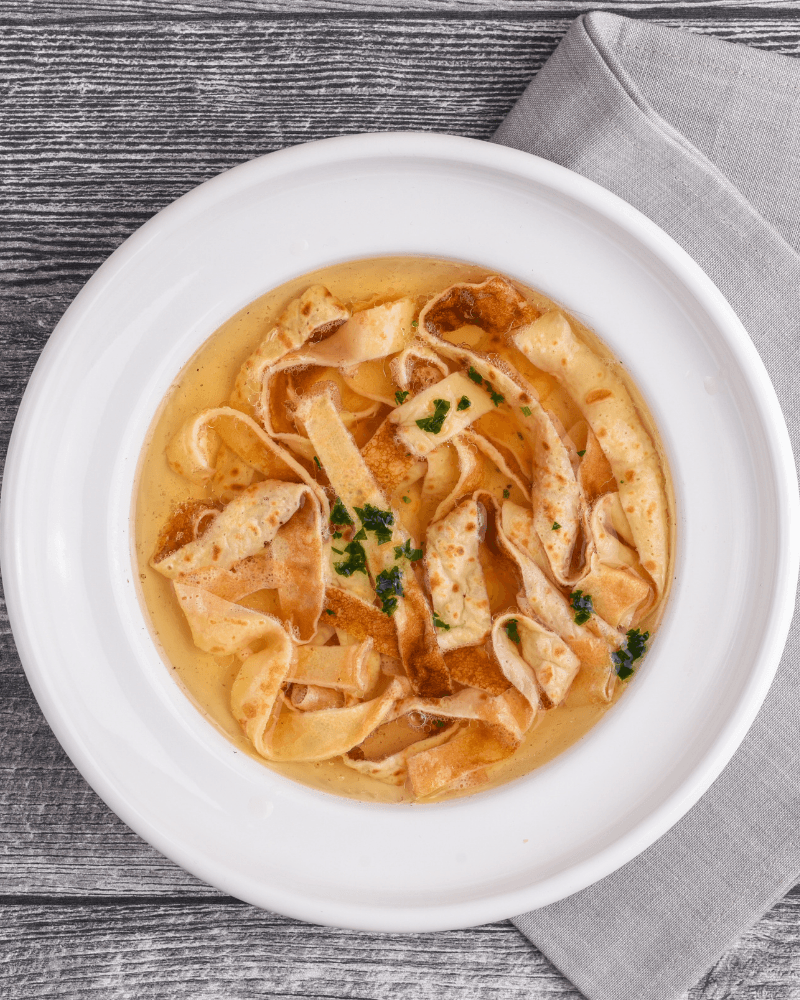
Frittatensuppe is a traditional Austrian soup made with clear beef broth and thin sliced pancake strips. Commonly served as a starter in Viennese cuisine, it is known for its simple yet comforting flavor.
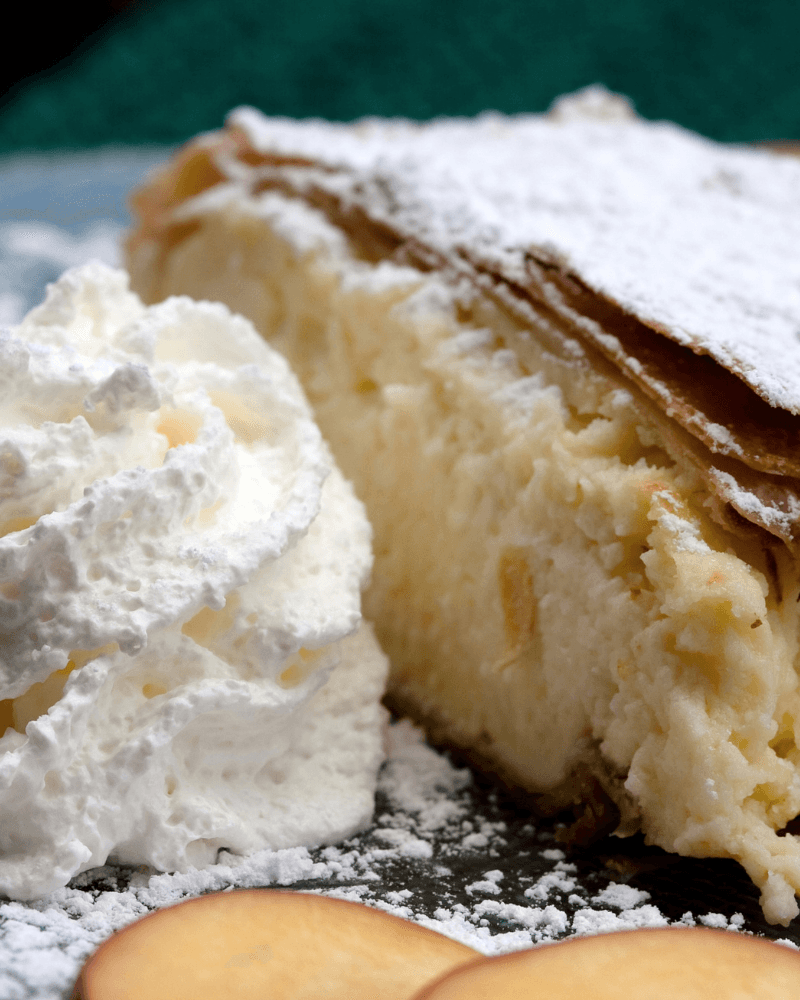
Topfenstrudel is a traditional Austrian pastry made with thin strudel dough filled with sweet quark cheese known as topfen. Popular in Viennese cafés, it is often served warm with powdered sugar or vanilla sauce.
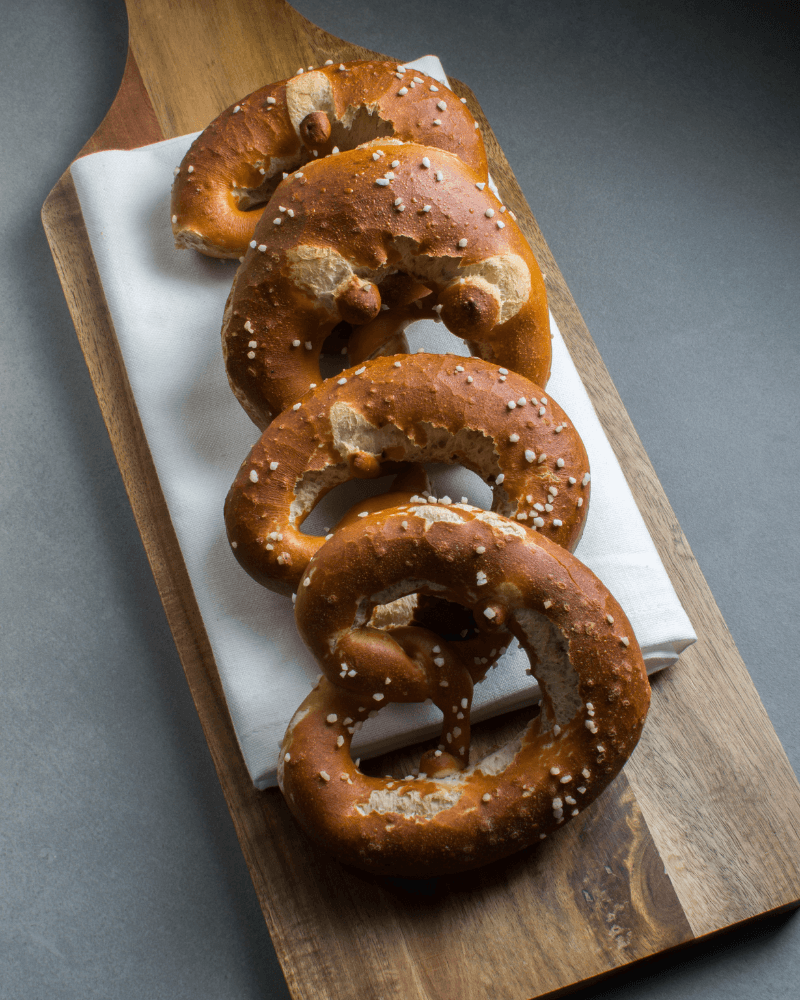
Brezn is a traditional Austrian and Bavarian pretzel made from baked dough with a distinctive knot shape and a slightly salty crust. It is commonly enjoyed as a snack, street food, or alongside beer.
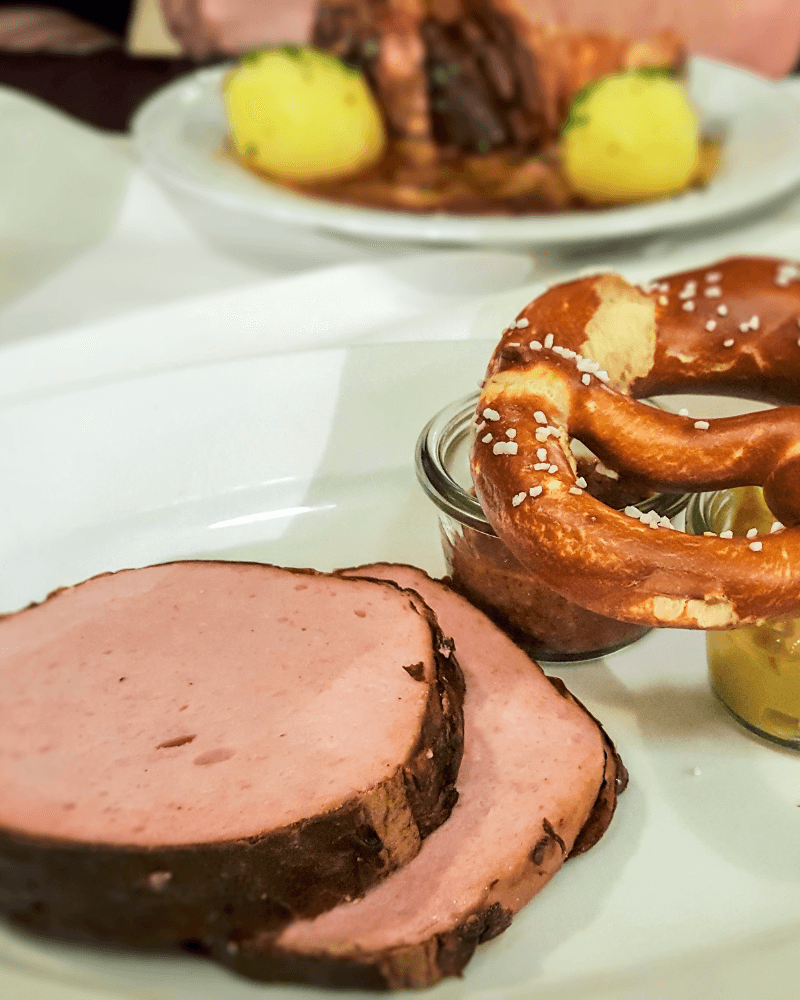
Leberkäse is a traditional Austrian and Bavarian meat loaf made from finely ground pork and beef, baked until it develops a crispy golden crust. It is commonly served hot in bread rolls with mustard as a popular street food.

Punschkrapferl is a traditional Austrian pastry made from sponge cake, jam, chocolate, and rum-flavored filling, covered with bright pink icing. Especially popular in Viennese pastry culture, it is known for its sweet and slightly boozy flavor.
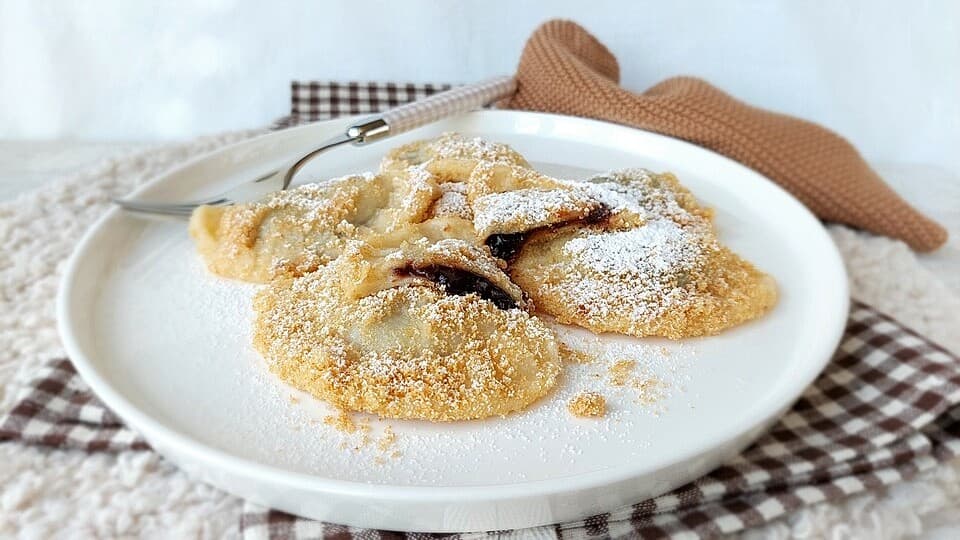
Powidltascherl is a traditional Austrian dumpling pastry filled with thick plum jam known as powidl. Common in Viennese and Bohemian cuisine, it is usually served warm with butter, sugar, or breadcrumbs.
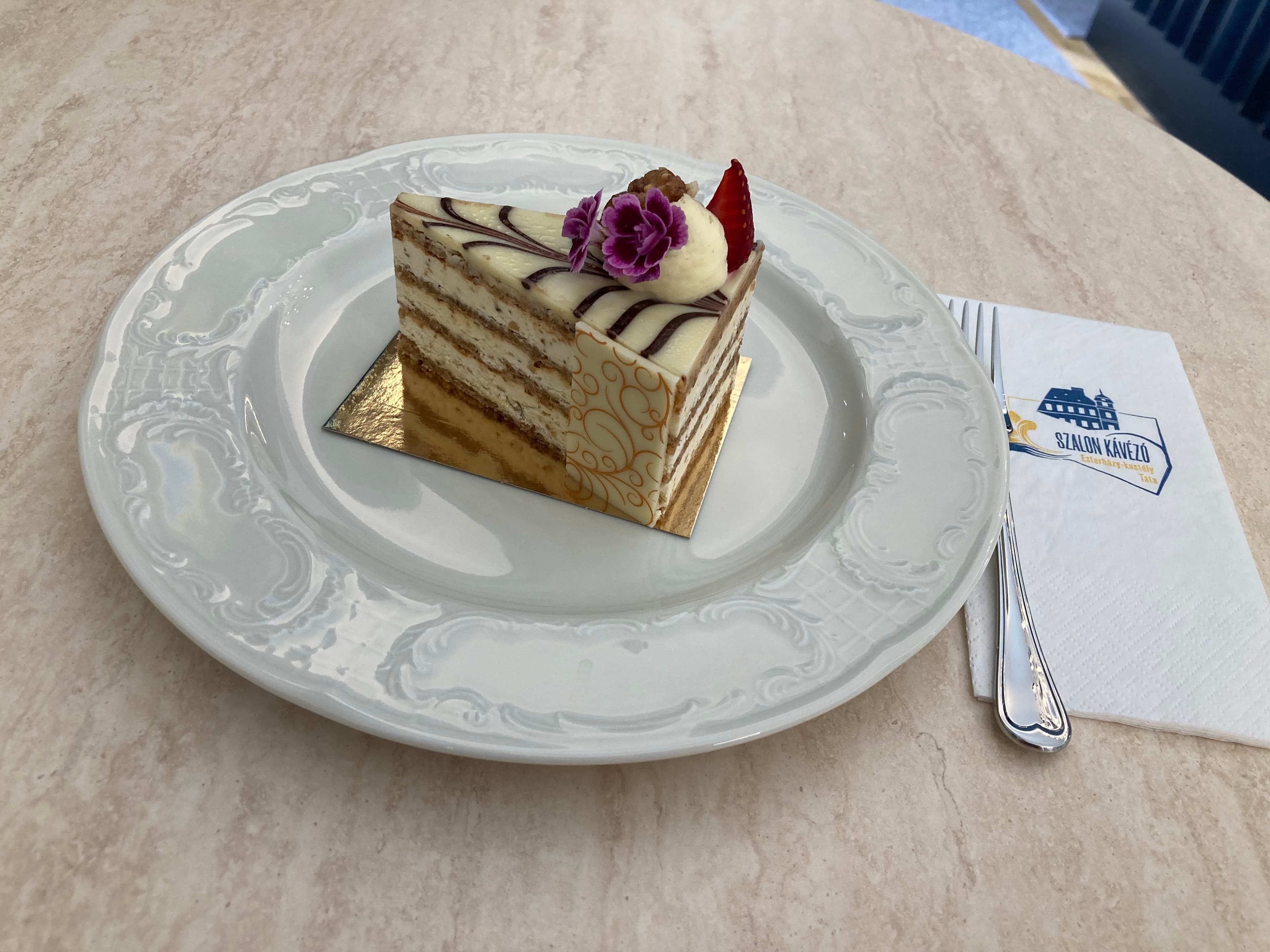
Esterházy Torte is a classic Central European cake made with layered almond or walnut meringue and rich buttercream, decorated with its distinctive web-pattern icing. It is especially popular in Austrian and Hungarian pastry culture.
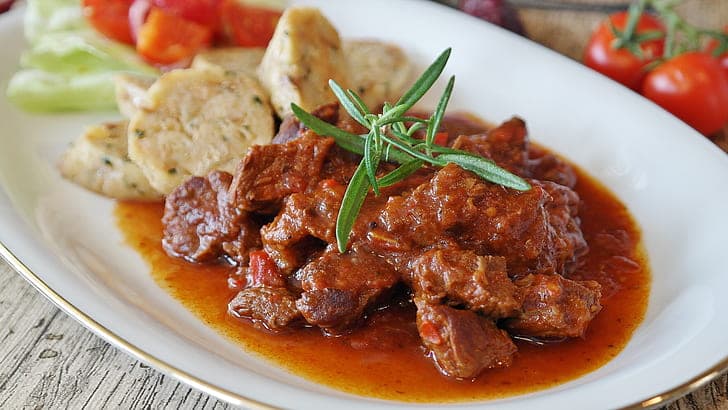
Viennese Goulash is a rich Austrian stew made with slow-cooked beef, onions, paprika, and spices. Inspired by Hungarian goulash but adapted to Viennese cuisine, it is known for its thick sauce and deep flavor.
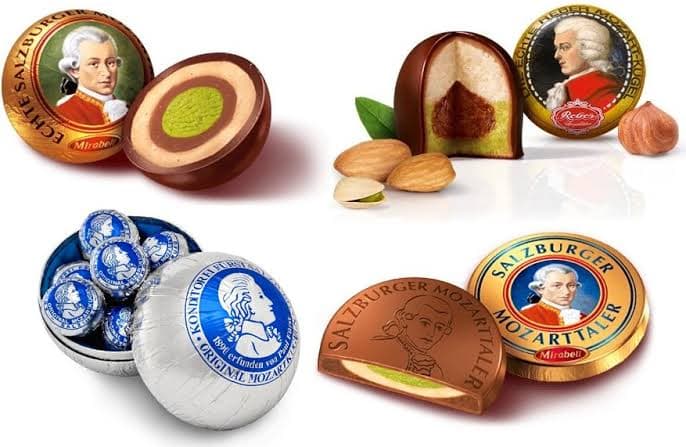
Mozartkugel, one of Salzburg’s most iconic sweets, is a traditional Austrian chocolate made with pistachio marzipan, nougat, and a chocolate coating. It was first created in Salzburg in 1890 by confectioner Paul Fürst to commemorate the 100th anniversary of Mozart’s death and was named after the world-famous composer Wolfgang Amadeus Mozart, who was born in Salzburg. Today, Mozartkugel is one of the city’s best-known culinary symbols and a popular sweet treat and souvenir among visitors.
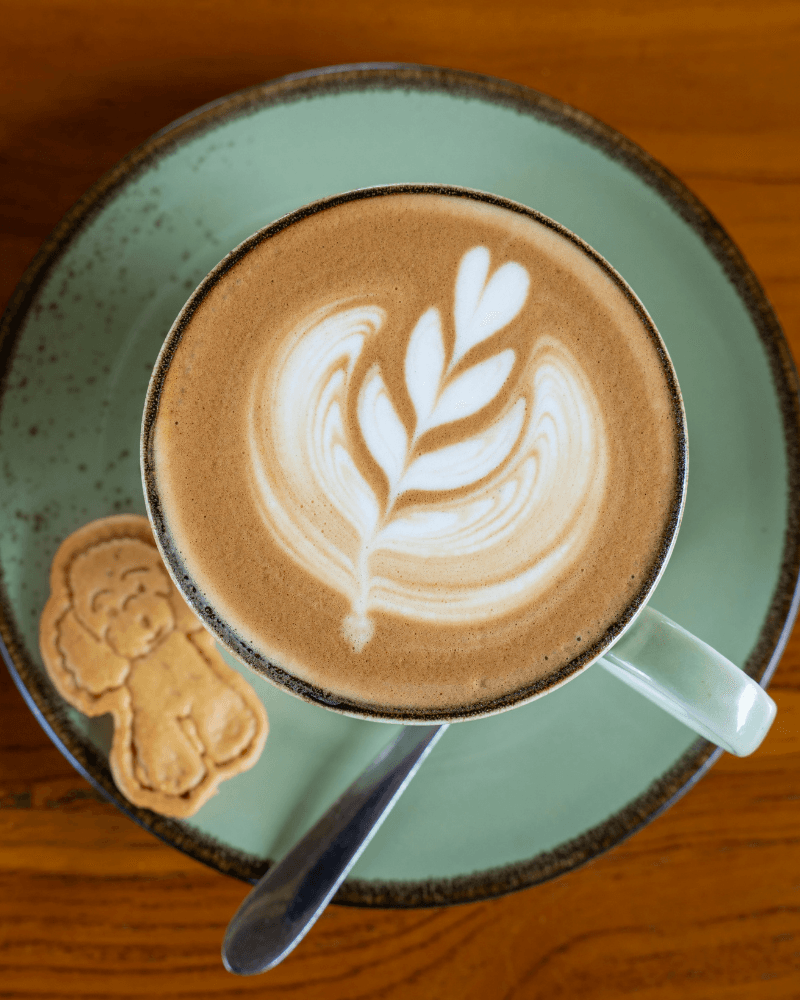
Café Melange is a classic Viennese coffee drink made with espresso, steamed milk, and milk foam. Similar to a cappuccino but milder in flavor, it is an essential part of Vienna’s historic coffeehouse culture.
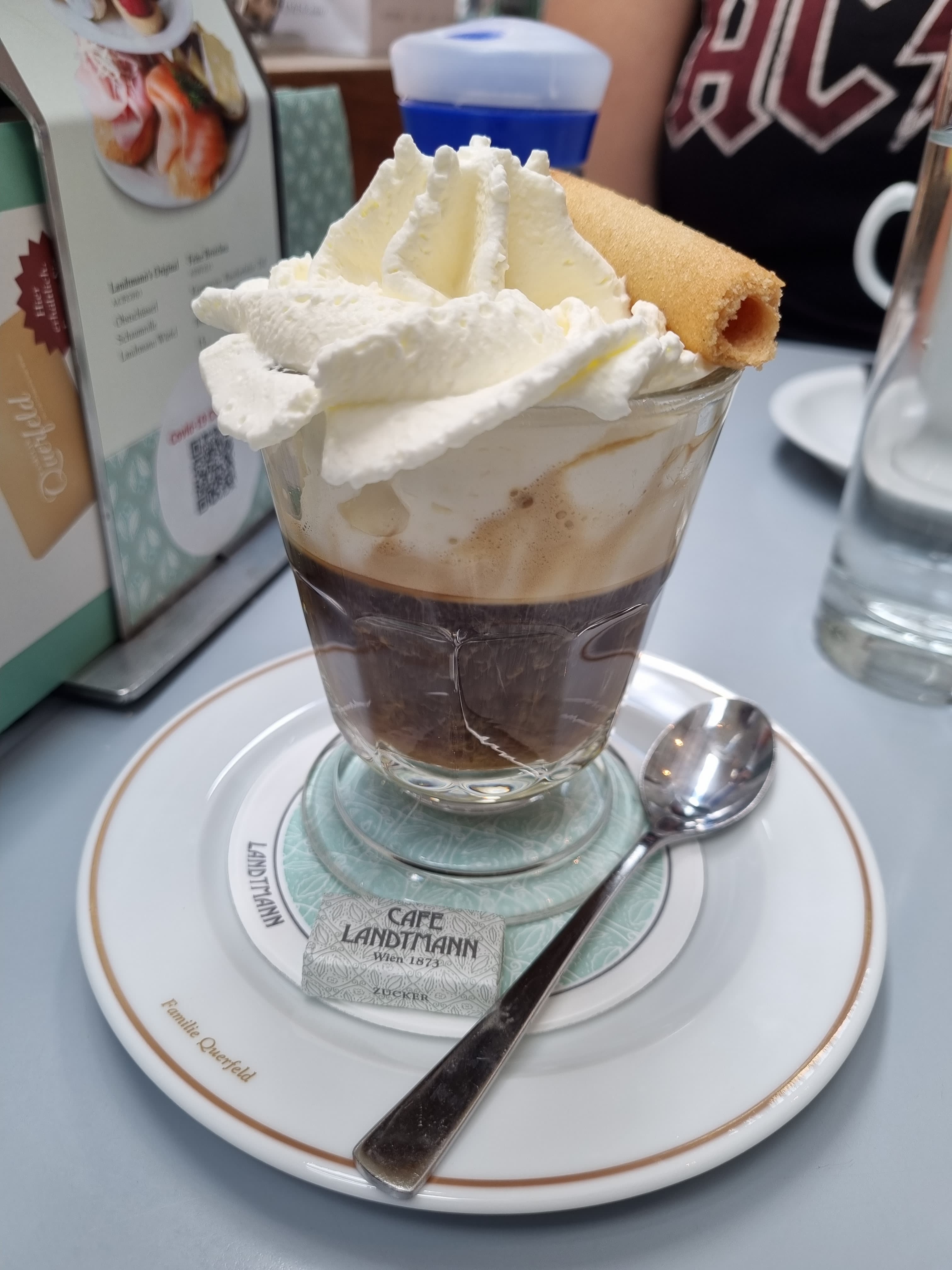
Einspänner is a traditional Viennese coffee drink made with strong black coffee or espresso topped with a thick layer of whipped cream. Originally popular among carriage drivers, it is known for its rich flavor and elegant presentation.
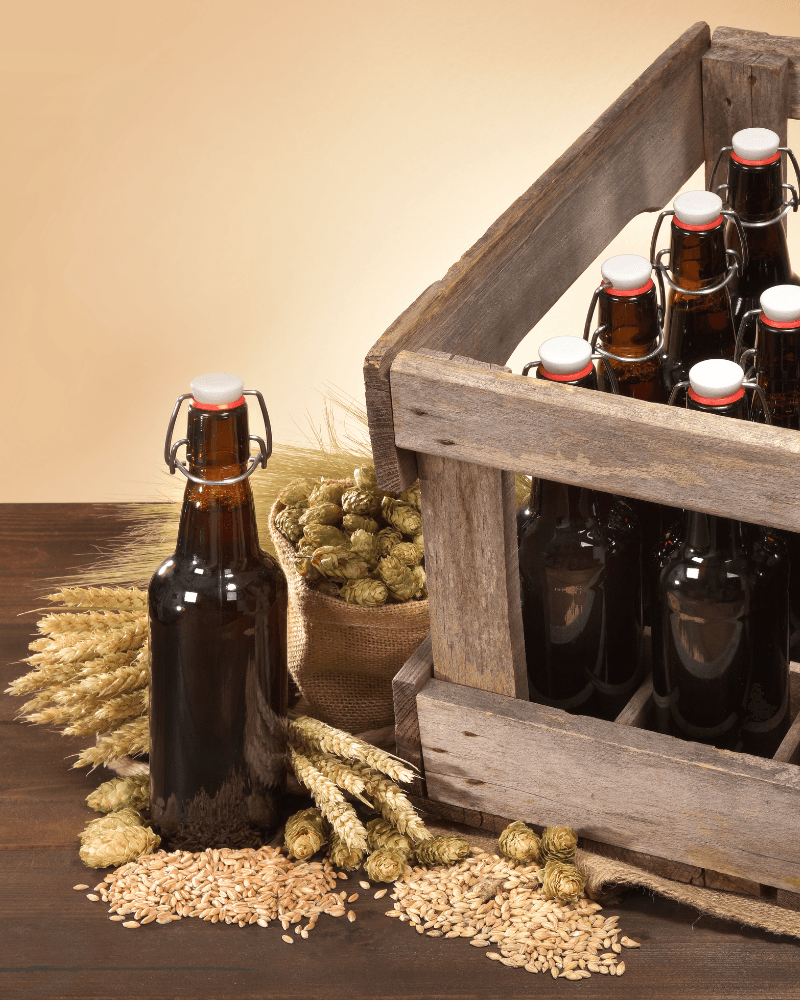
Märzen is a traditional amber lager style associated with the beer culture of Austria and Bavaria. Its name derives from its historical production in March, and it remains a commonly encountered beer style in Austria today.
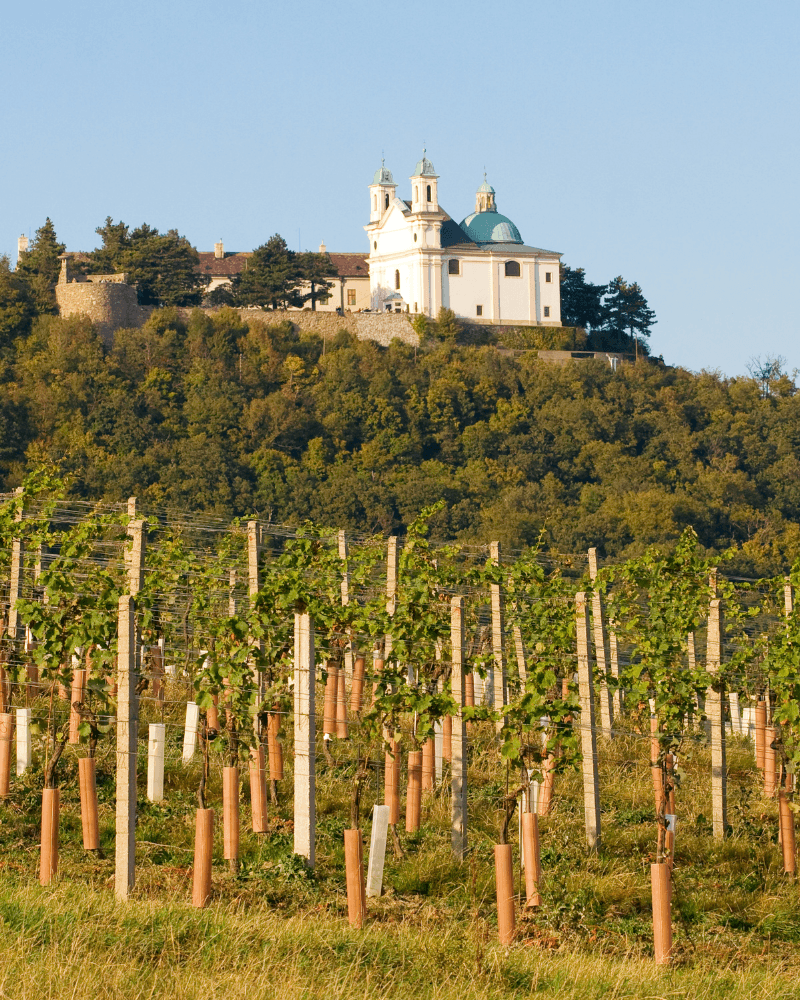
Wiener Gemischter Satz is a traditional Viennese white wine made by harvesting and fermenting different grape varieties grown in the same vineyard together. This production tradition is a characteristic part of Vienna’s viticulture and wine culture.
Discover cultural highlights, arts, festivals, and local experiences that reflect the character of Austria.
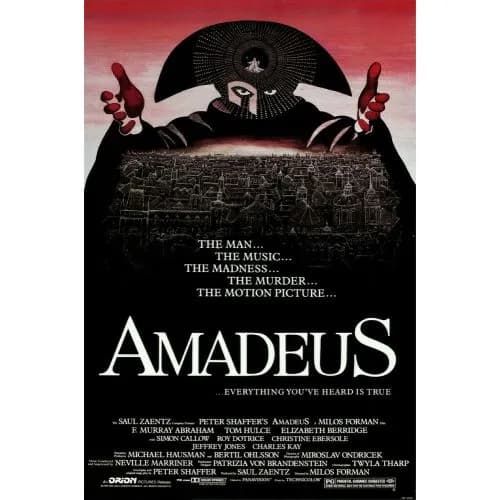
Amadeus is an Academy Award-winning film portraying the life of Wolfgang Amadeus Mozart and the musical world of Vienna. The movie beautifully reflects Austria’s 18th-century artistic atmosphere, aristocratic society, and classical music culture. Centered on the rivalry between Mozart and Antonio Salieri, it is considered one of the key works for understanding Austrian cultural heritage.
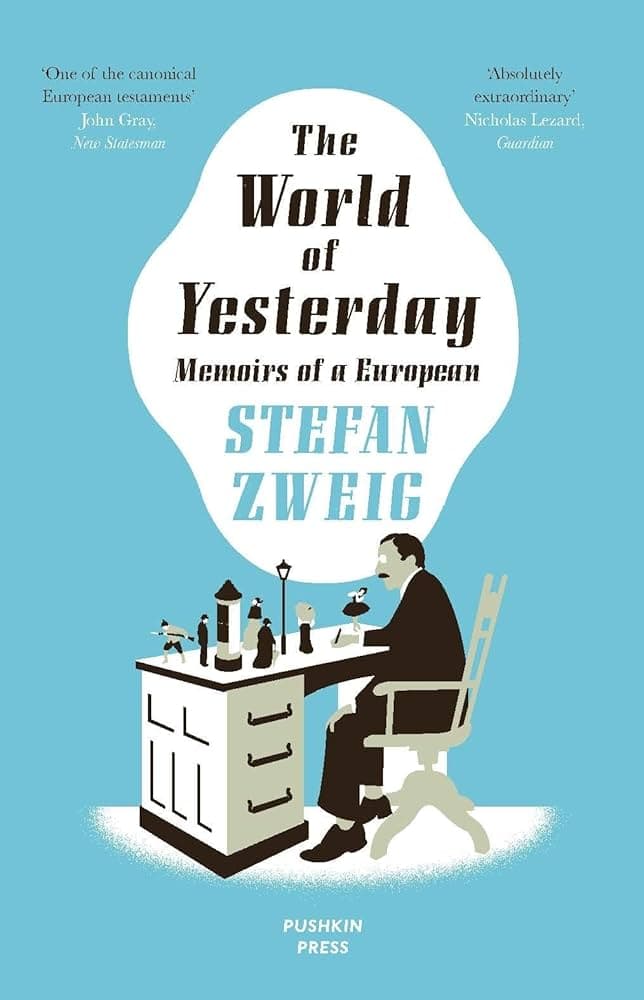
The World of Yesterday is Stefan Zweig’s autobiographical work describing the cultural atmosphere of pre-war Vienna, the intellectual life of Europe, and the final years of the Austro-Hungarian Empire. Through coffeehouse culture, artistic circles, classical music, and a changing European society, the book offers a powerful insight into Austria’s cultural identity.
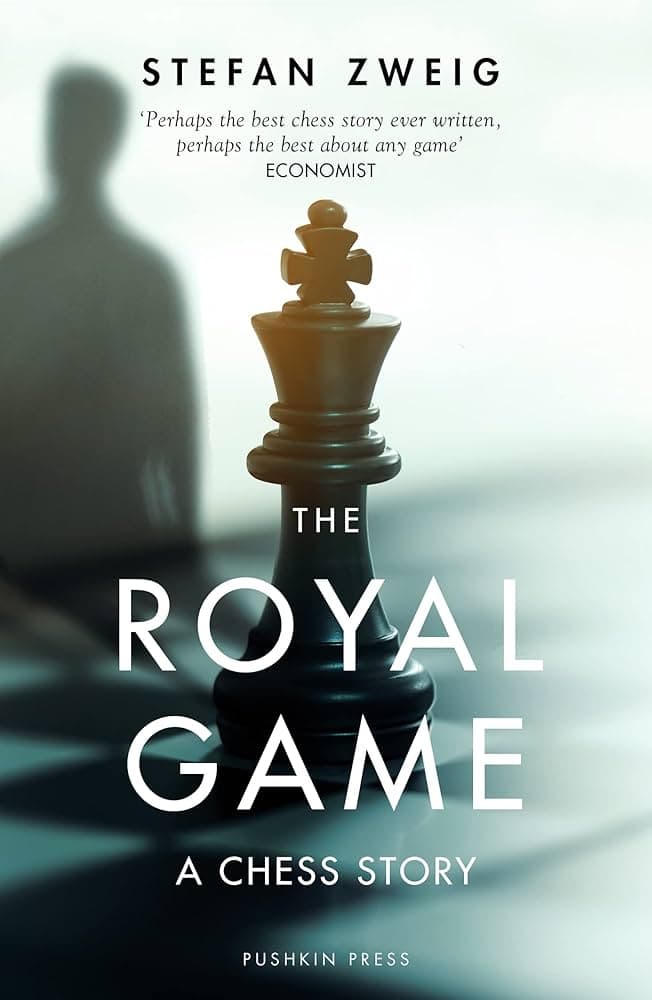
One of Stefan Zweig’s most famous works, The Royal Game is a powerful novella about psychological pressure, isolation, and the resilience of the human mind. Using chess as a metaphor, the story reflects the traumas of the Nazi era and is considered one of the most important classics of Austrian literature.
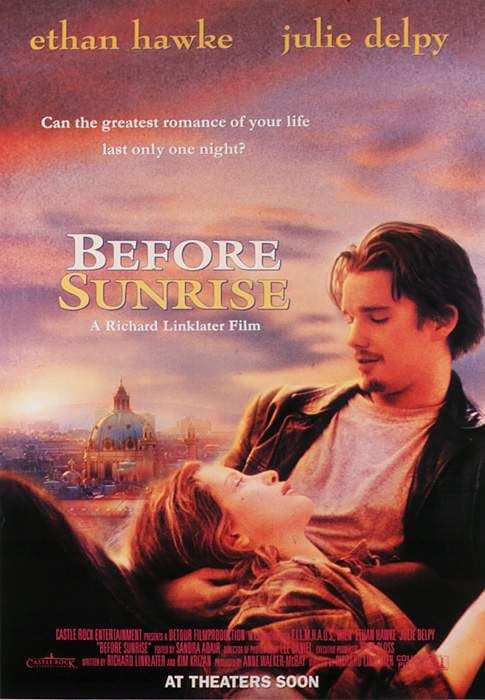
Before Sunrise is a romantic film following two strangers who meet by chance in Vienna and spend an entire night exploring the city together. Showcasing Vienna’s streets, cafés, trams, and cultural atmosphere in a natural way, the movie highlights the city’s romantic and intellectual spirit. It is considered one of the most iconic films capturing the essence of modern Vienna.
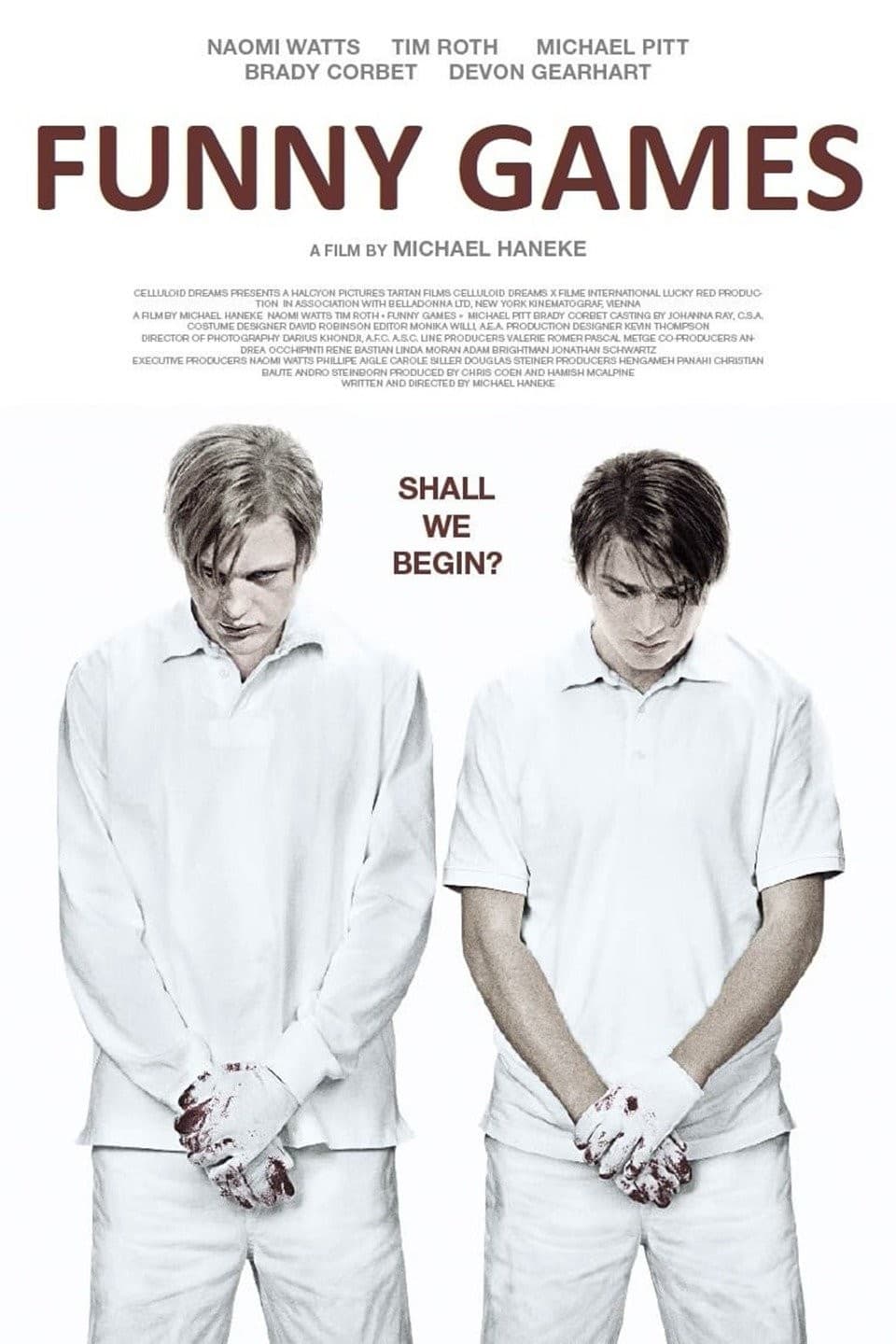
Directed by Michael Haneke, Funny Games is a disturbing psychological thriller about a family terrorized by two young men during a peaceful vacation. Offering a harsh critique of violence, media influence, and human nature, the film is regarded as one of the most influential works of modern Austrian cinema.
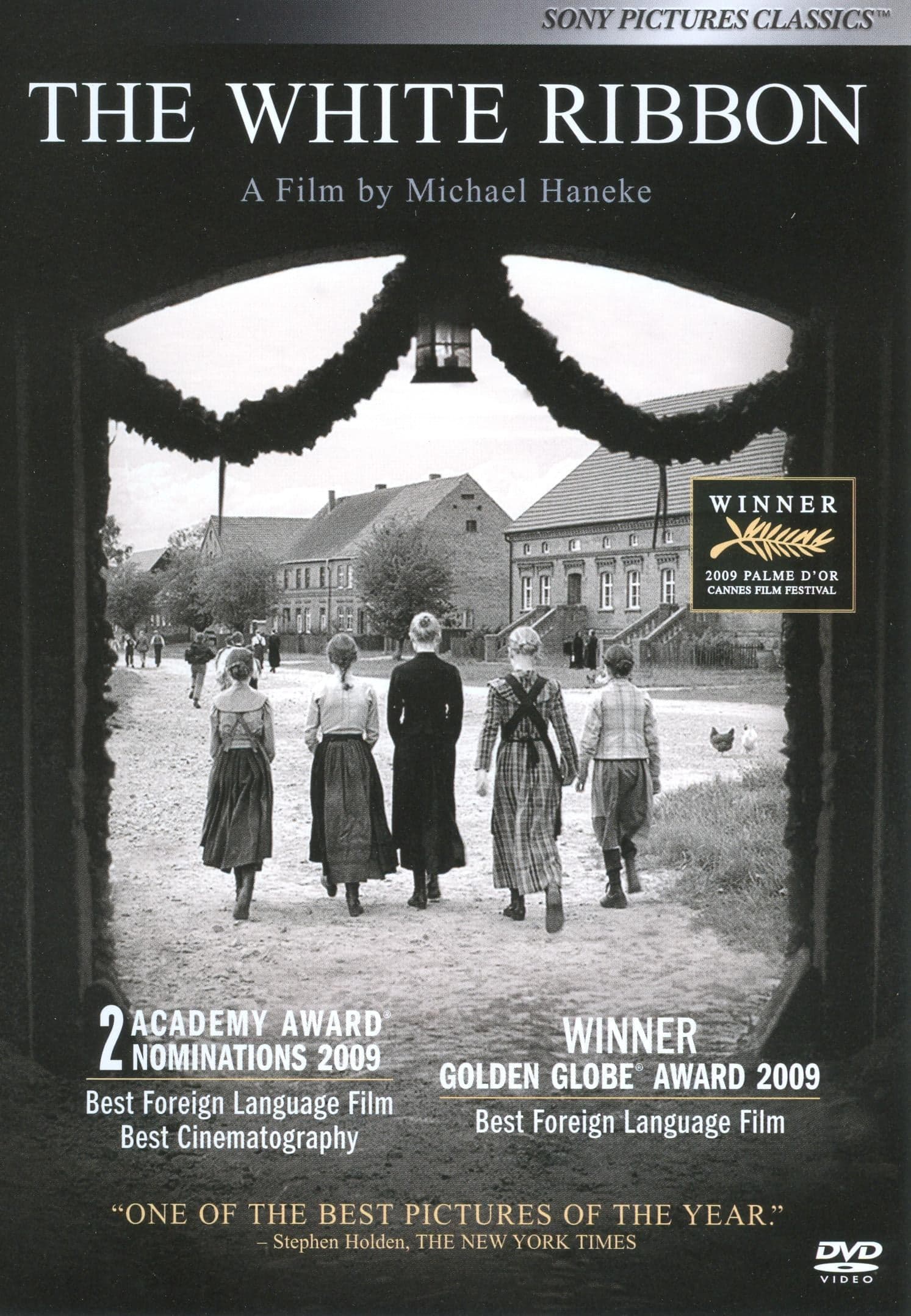
Directed by Michael Haneke, The White Ribbon is a powerful drama centered on mysterious events in a German village before World War I. Exploring themes of authority, repression, discipline, and social structure, the film reflects the dark atmosphere of Central Europe through striking cinematography. It is widely regarded as one of the most important works of modern European cinema.
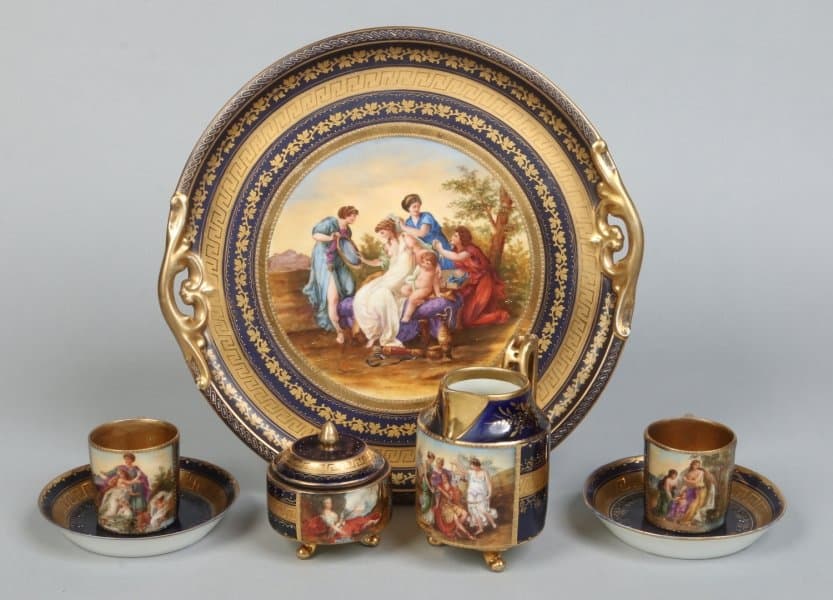
Viennese Porcelain is an elegant ceramic art tradition that flourished in the 18th century and became closely associated with Austrian aristocracy. Known for its fine craftsmanship, gold details, and classical European motifs, it remains an important part of Vienna’s artistic and decorative heritage.
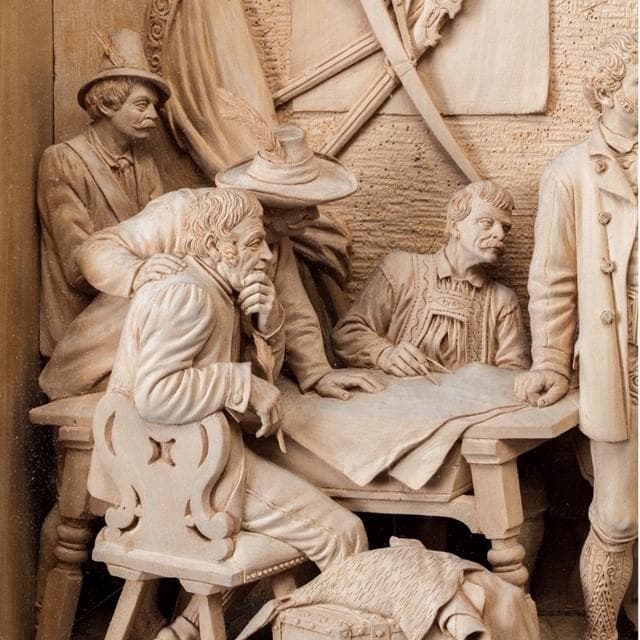
Tyrolean Woodcarving is a traditional craft that developed in Austria’s Alpine region. Featuring religious figures, mountain life, and folkloric motifs, these carved wooden artworks are considered one of the most important artistic traditions of Tyrolean culture.
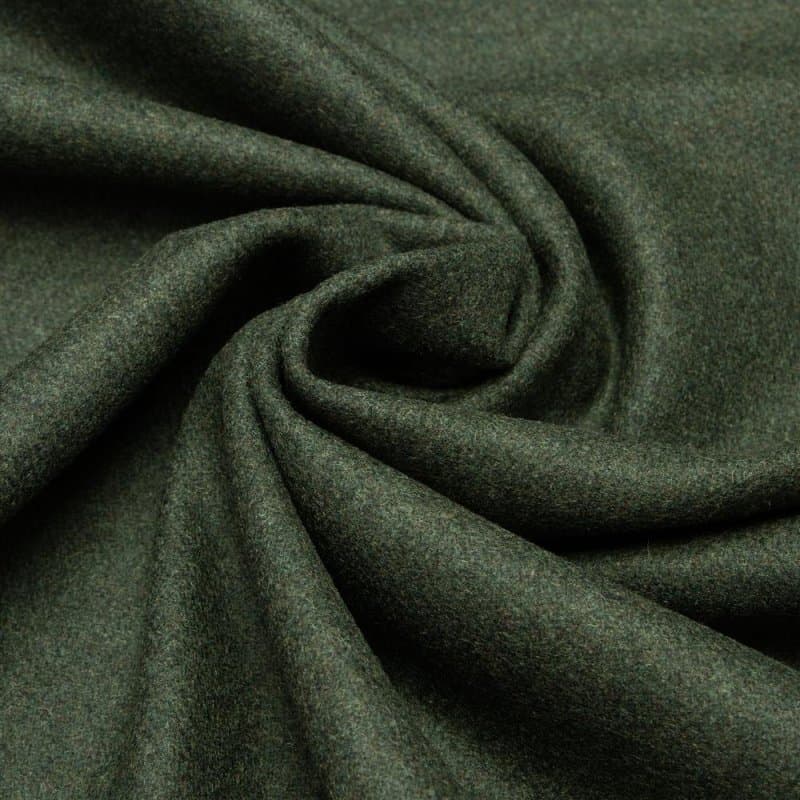
Loden Fabric is a traditional wool textile associated with Austrian Alpine culture. Known for its durability and resistance to cold weather, it has long been used in traditional clothing and rural life, especially in the Tyrol region.
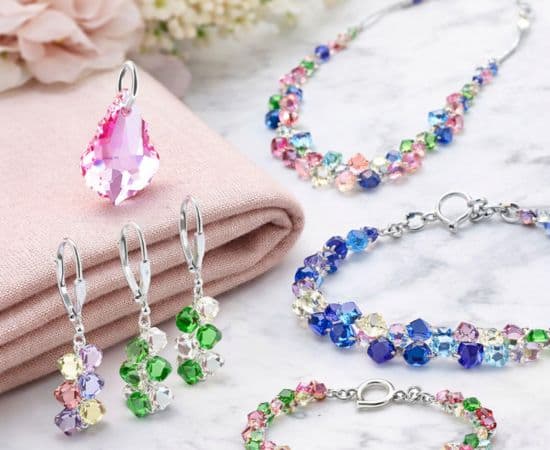
Austrian Crystal Craftsmanship is a renowned tradition of glass and crystal artistry, internationally recognized through brands such as Swarovski. Developed mainly in the Tyrol region, this craft became one of the symbols of Austrian modern design thanks to its precise cutting techniques and brilliant decorative style.
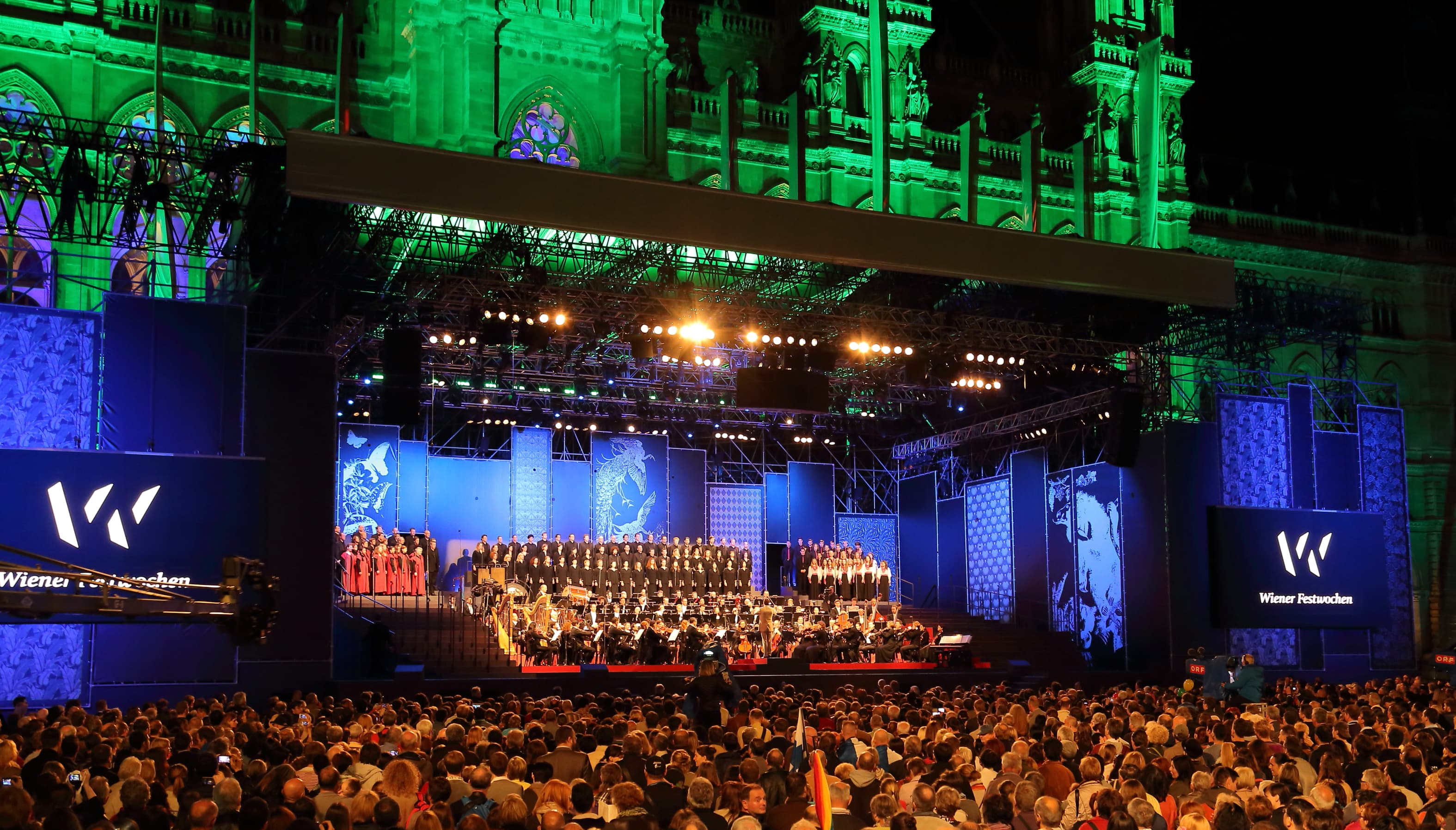
Wiener Festwochen is one of Vienna’s most important cultural festivals. Every year, the city transforms into a large stage filled with theater, opera, contemporary dance, music, and performance art events. Artists from around the world perform across Vienna during the festival.
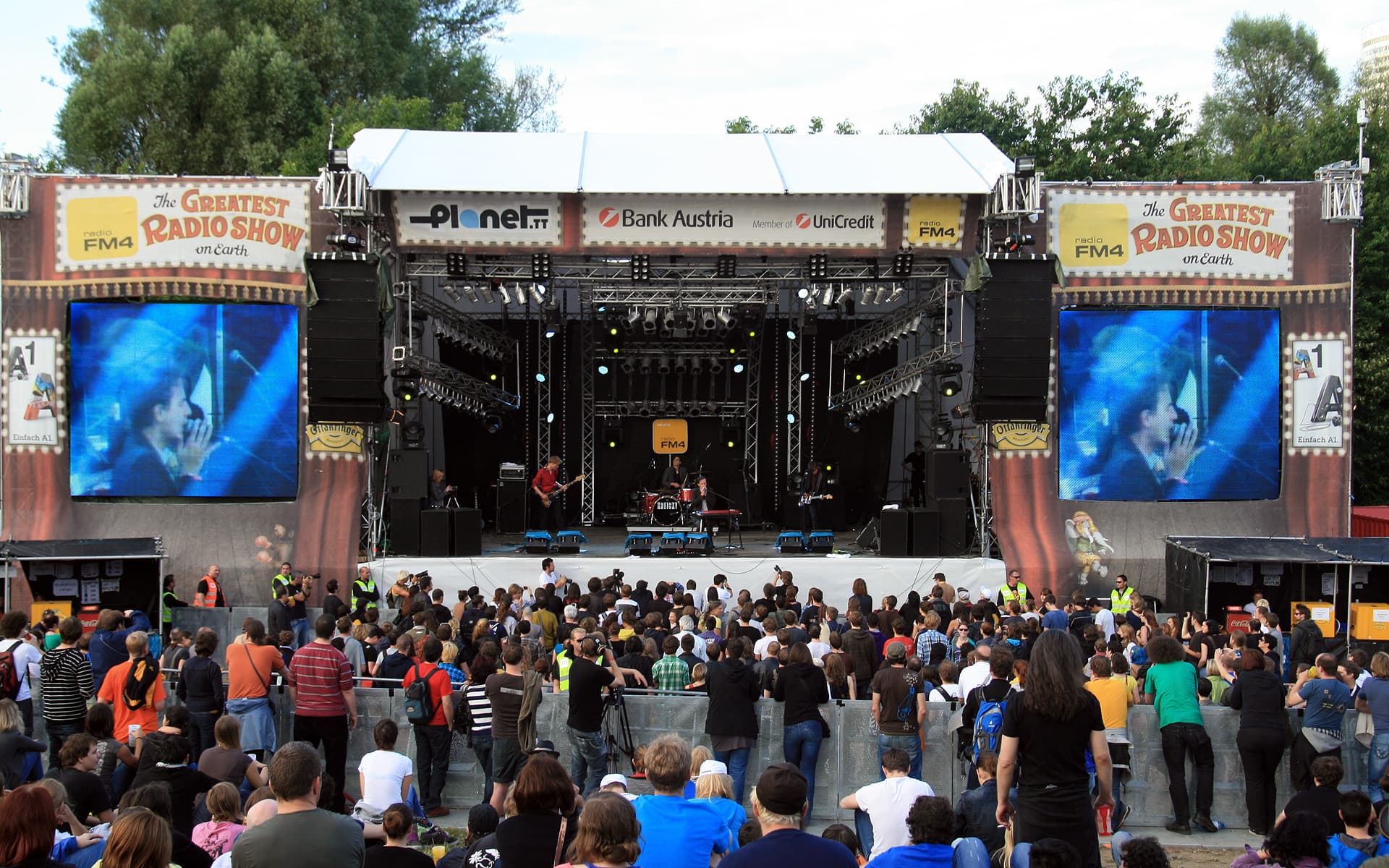
Donauinselfest is one of Europe’s largest free open-air music festivals. Multiple stages along Danube Island host pop, rock, electronic, and local music performances. It is a vibrant summer event attracting millions of visitors every year.
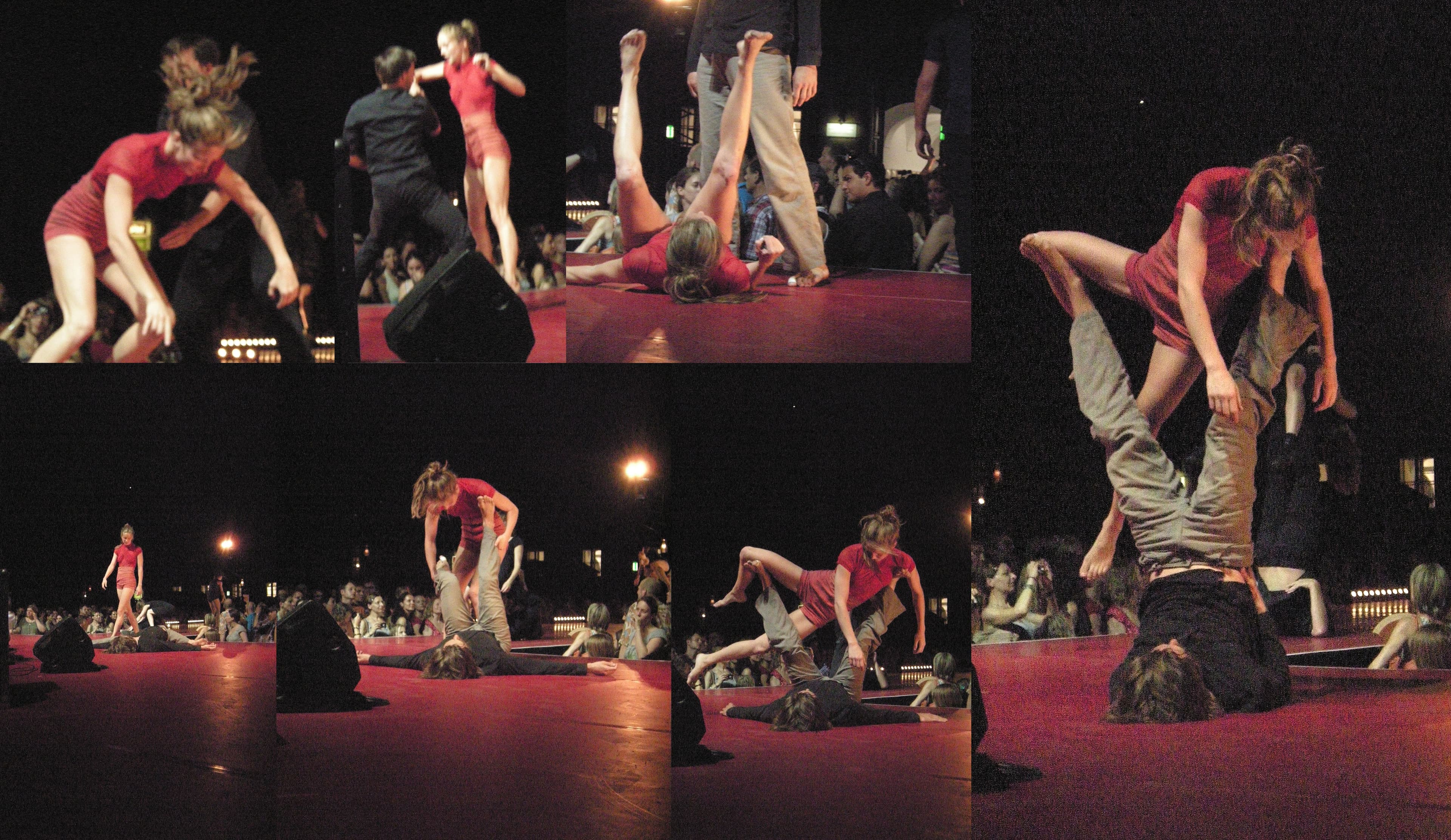
ImPulsTanz is one of the world’s largest contemporary dance festivals. The festival includes dance performances, workshops, and international productions. Various theaters and cultural venues across Vienna host artistic events throughout the festival.
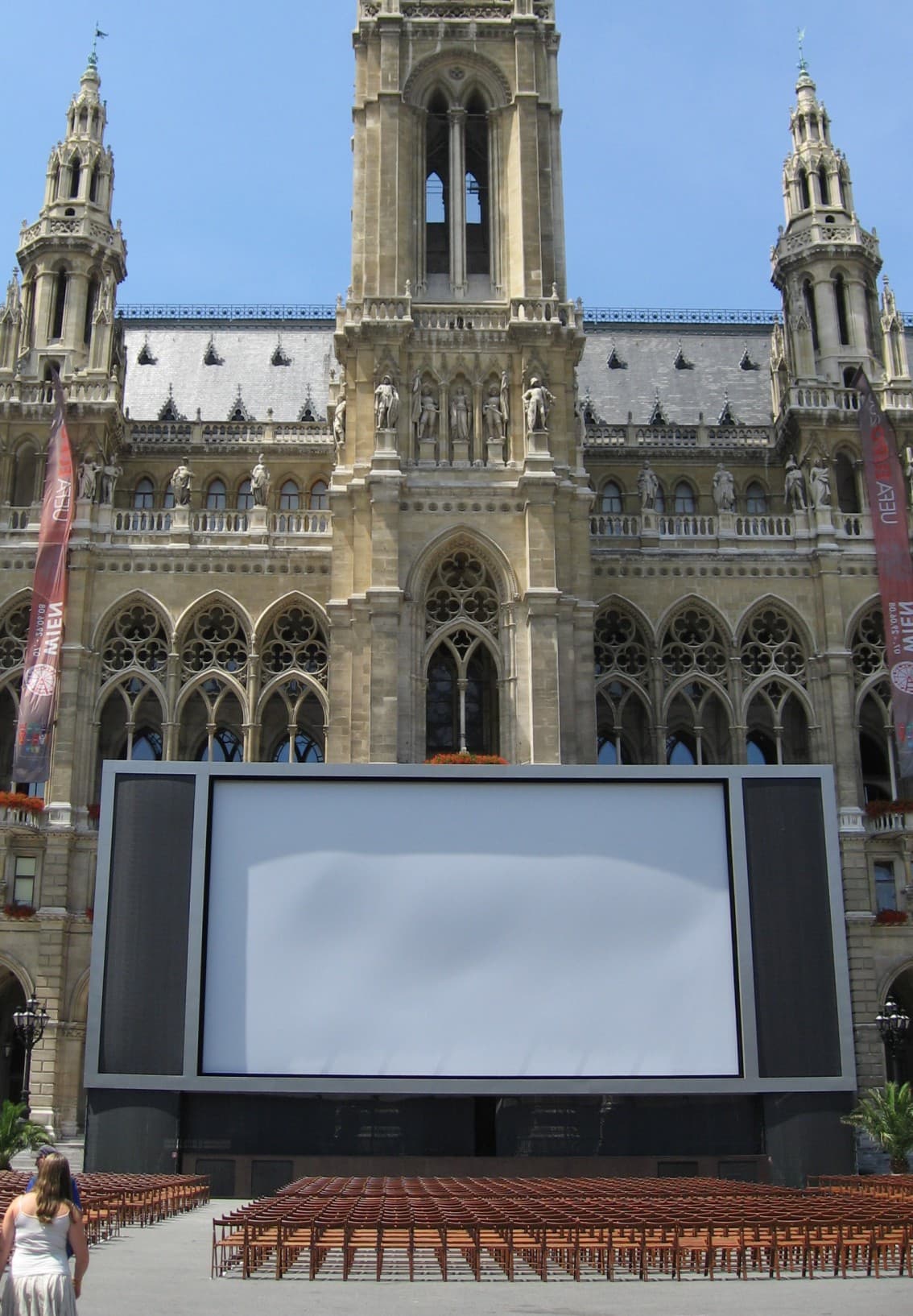
The Rathausplatz Film Festival is an open-air film and music event held in front of Vienna City Hall. Giant screen performances, classical concert recordings, and international food stands make it one of the city’s most popular summer attractions.
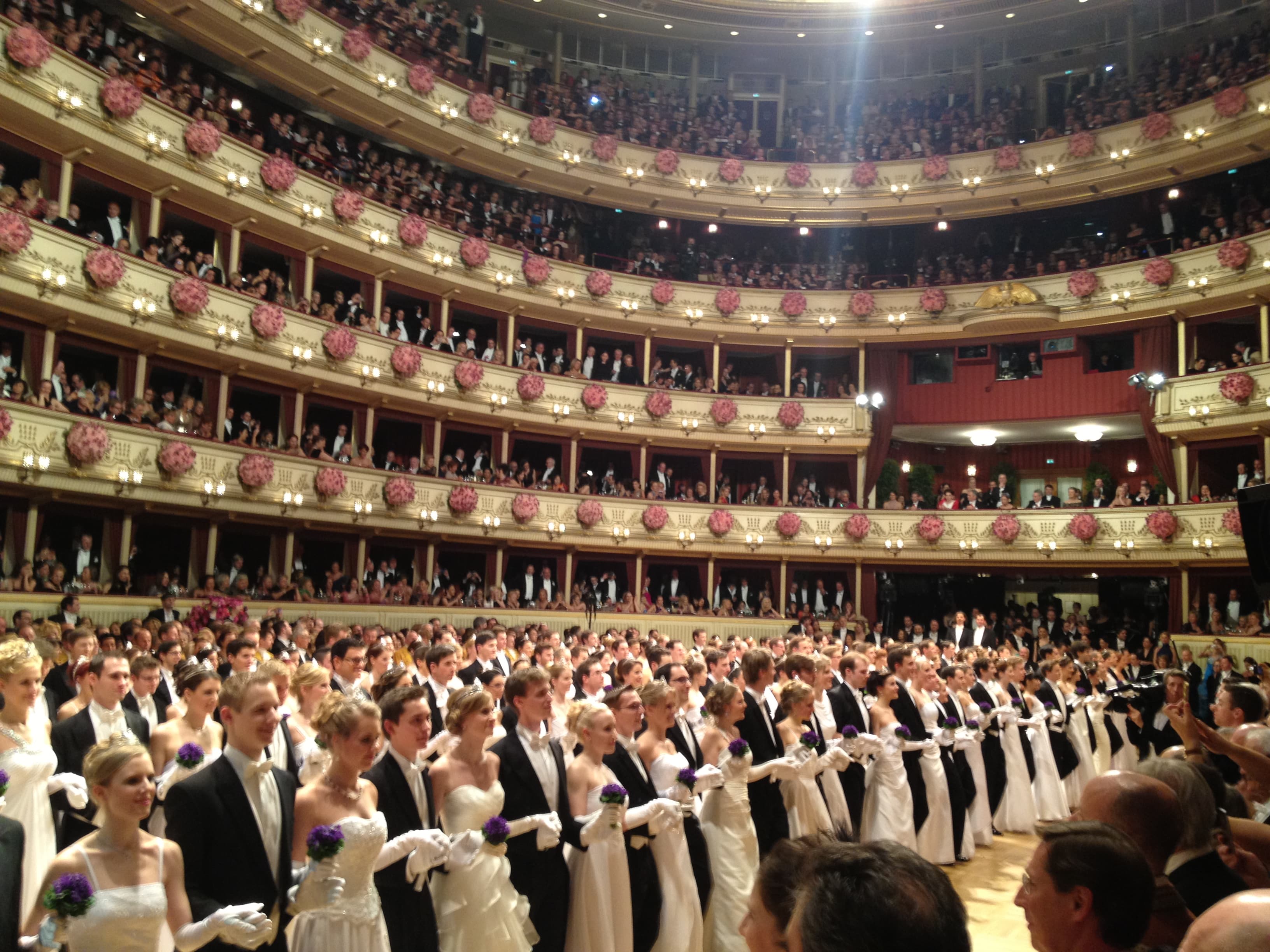
The Vienna Opera Ball is one of Austria’s most prestigious cultural events. Famous for its elegant waltzes, classical music, and glamorous atmosphere, the ball takes place inside the Vienna State Opera.
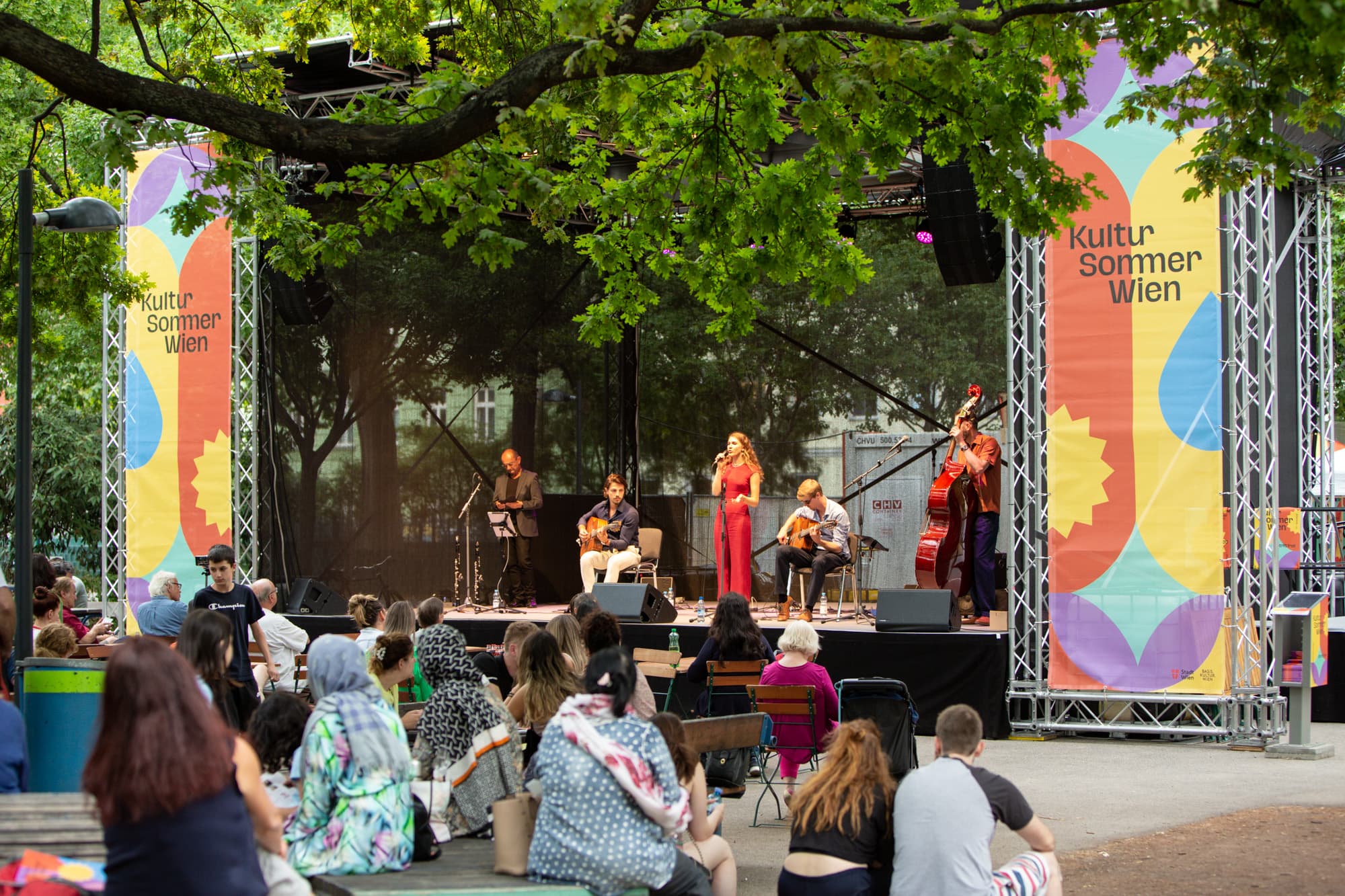
Kultursommer Wien is a free summer cultural festival held across various locations in Vienna. Concerts, theater performances, dance shows, literary events, and open-air stages bring the city’s artistic atmosphere to visitors throughout the summer. The festival features both local and international artists.
Austria’s history holds an important place in the political, cultural, and artistic development of Europe. In ancient times, these lands formed part of the frontier regions of the Roman Empire, and during the Middle Ages they became one of the centers of European history under the increasingly powerful Habsburg dynasty. For centuries, the Habsburgs influenced a vast region extending beyond present-day Austria into Central Europe, the Balkans, Italy, and even Spain. Vienna, especially during Habsburg rule, became a major center of diplomacy, architecture, music, and art as the capital of the empire. Palaces, opera houses, museums, and monumental buildings still reflect the rich cultural heritage of this era. In the 19th century, the Austro-Hungarian Empire became one of the largest multinational empires in Europe; however, after World War I, the empire dissolved and the foundations of the modern Republic of Austria were established. In the 20th century, following World War II and a period of reconstruction, Austria adopted a policy of neutrality and developed a reputation as a stable European nation. Today, Austria is known for its historic cities, classical music tradition, palaces, museums, and cultural heritage, offering a unique blend of historical legacy and modern life.
Explore the location, climate, landscapes, mountains, coasts, and natural features that shape Austria.
Austria experiences both continental and Alpine climates. Winters are cold and snowy, especially in mountainous areas, while summers are generally mild and pleasant.
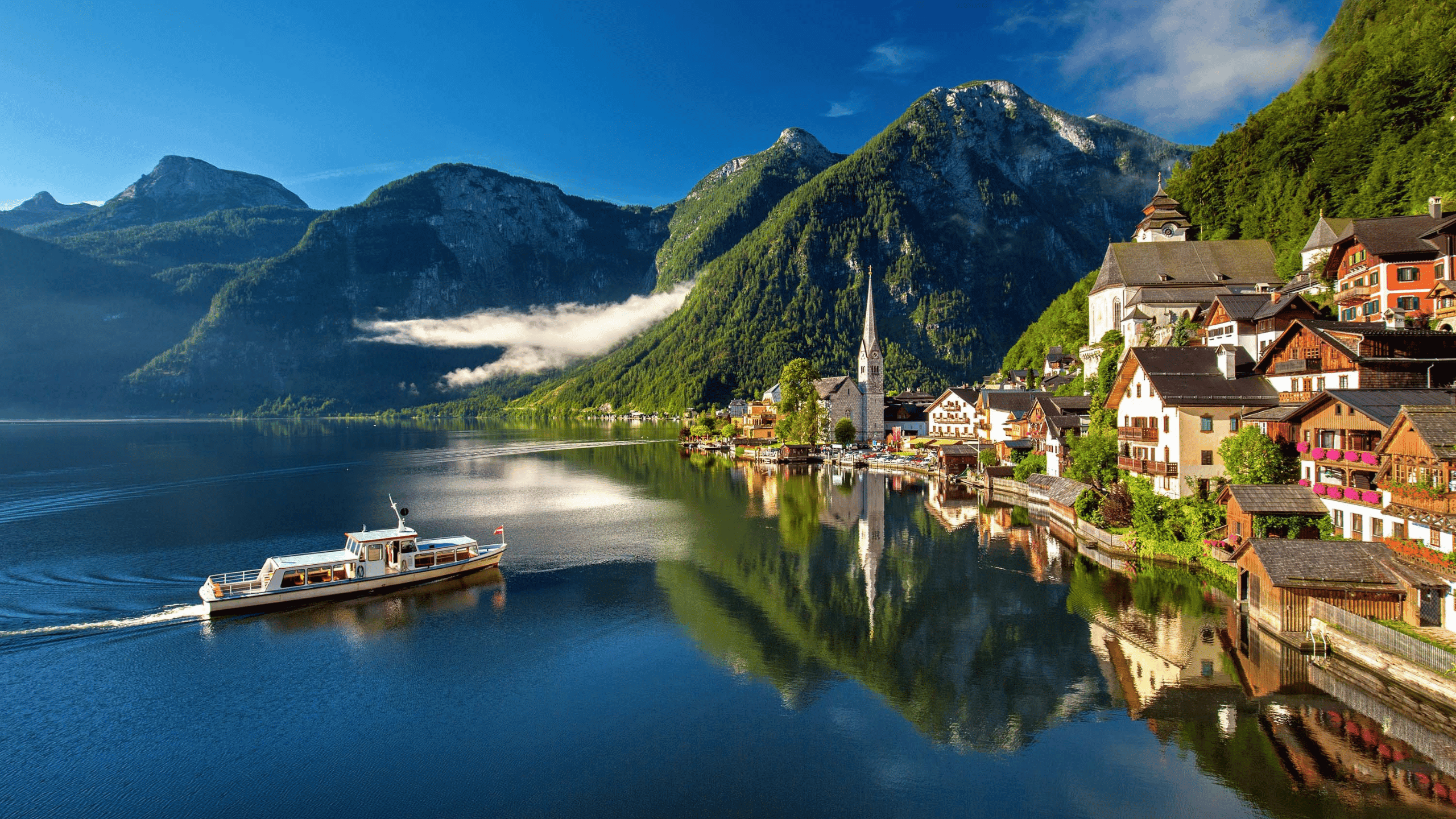
The Alps make up a large part of Austria’s geography and give the country its iconic mountain landscapes. Regions such as Tyrol, Salzburg, and Vorarlberg are known for ski resorts, hiking trails, and outdoor activities.
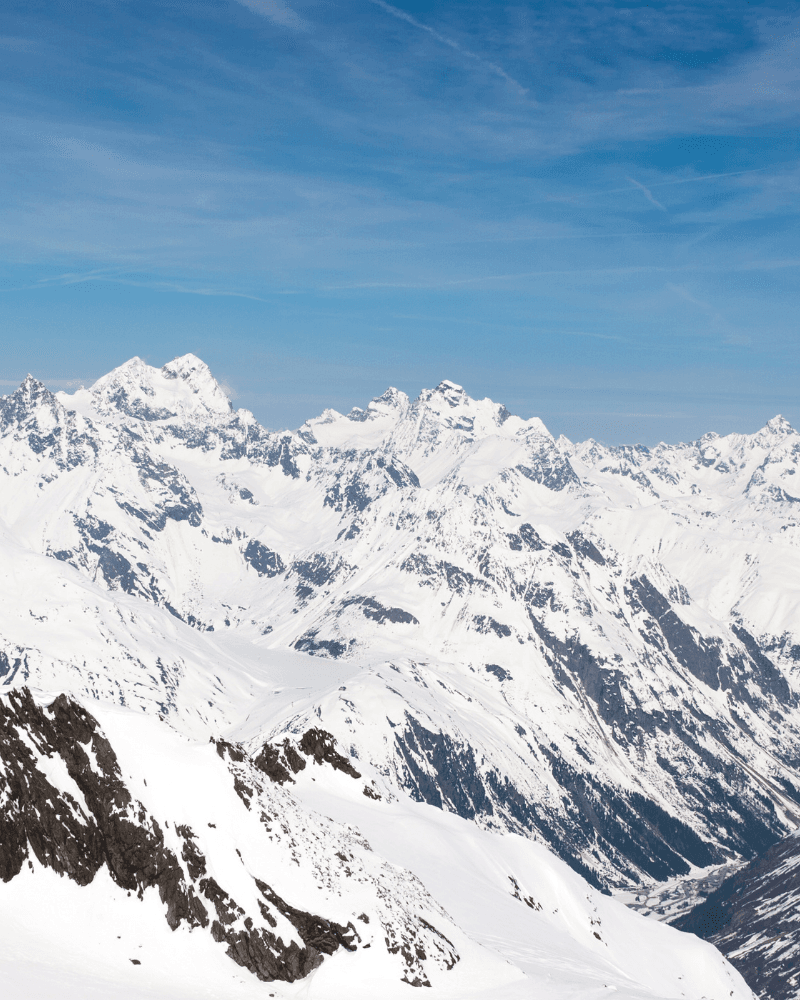
Austria has no coastline. However, the country offers rich natural scenery through its lakes, rivers, and Alpine landscapes.
Austria is home to scenic lakes such as Hallstatt Lake, Wolfgangsee, and Lake Neusiedl, as well as major river systems led by the Danube River. These natural areas are popular for both sightseeing and outdoor activities.
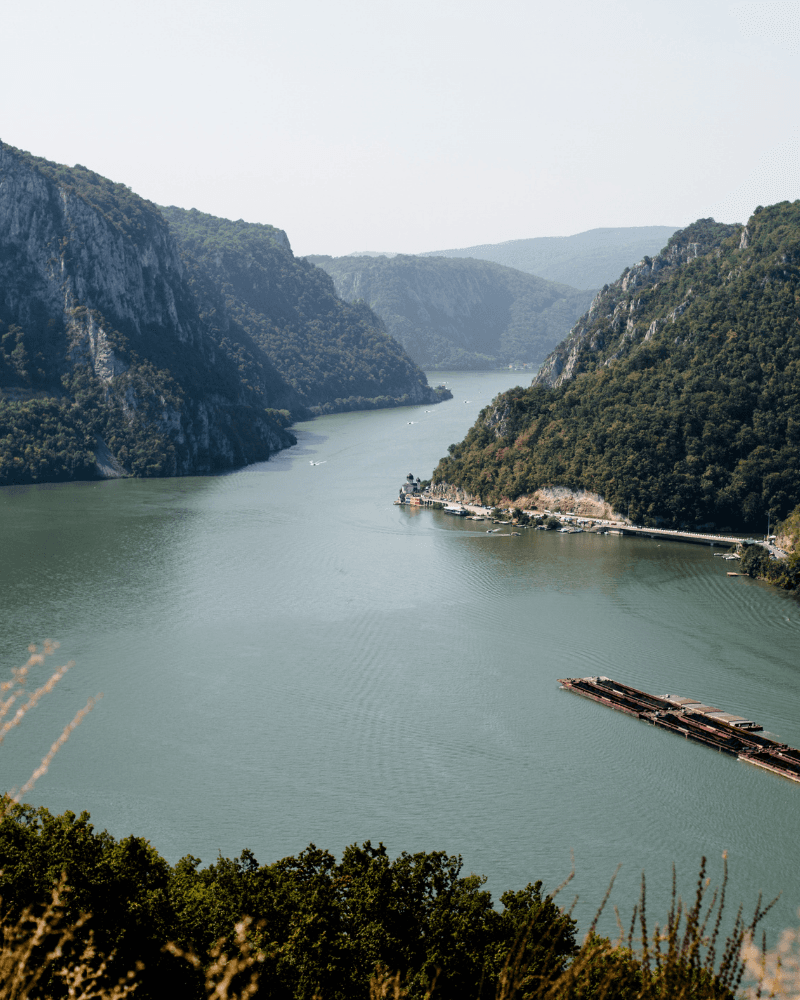
Austria does not have any active volcanoes. The country’s landscape is primarily shaped by the Alps, valleys, and lakes.
Austria features dense forests, Alpine meadows, and mountain vegetation. Its natural landscapes are known for pine forests, green valleys, and seasonal color changes.
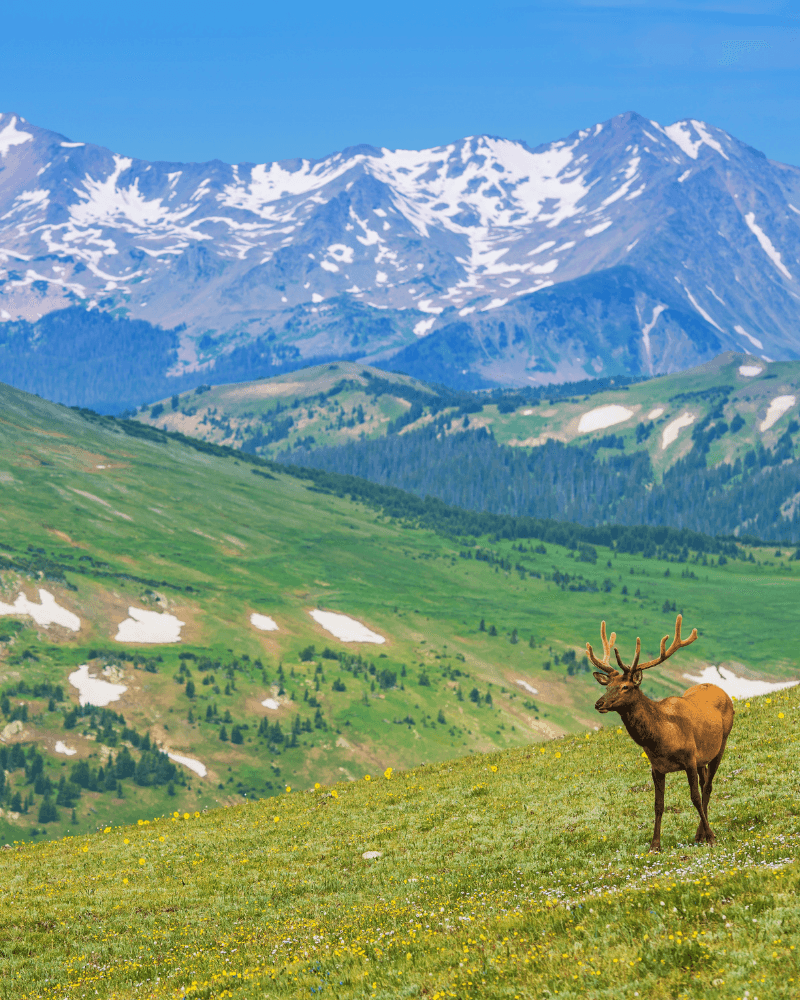
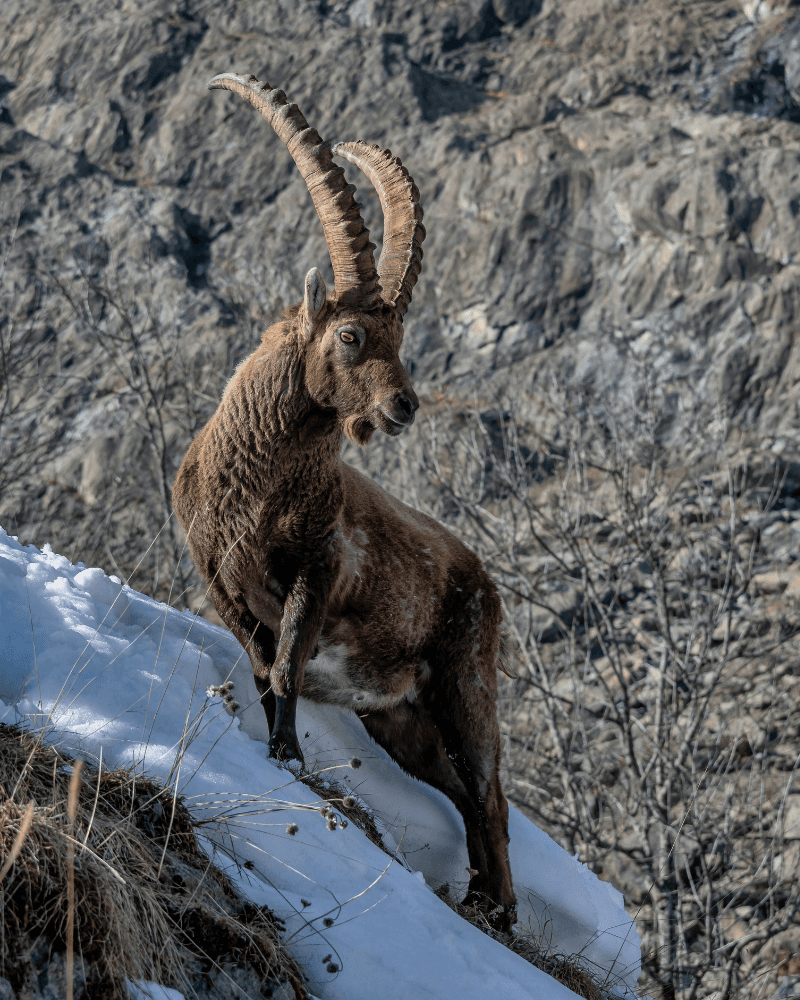
Austria’s mountainous and forested regions are home to deer, ibex, foxes, eagles, and various bird species. The Alpine ecosystem plays an important role in the country’s wildlife diversity.
Explore the population, urbanization, social diversity, and key demographic characteristics of Austria.
Austria has a culturally diverse society, especially in its larger cities where international communities live. In cities like Vienna, influences from different languages, cuisines, and lifestyles can easily be seen.
Religious traditions have historically been an important part of life and culture in Austria. Today, the country is home to a modern and diverse society with communities of different beliefs and lifestyles.
Family life and work-life balance are important aspects of society in Austria. The culture is generally organized, calm, and respectful of personal space and privacy.
Austria is known for its long-established universities and strong education system. Vienna, in particular, is considered one of Europe’s important centers for international education and research.
Austria is one of the European countries that receives international migration, especially in its larger cities. Communities coming for education, work, and quality of life contribute to the country’s social structure.
Austria has a high life expectancy, supported by its advanced healthcare system and overall quality of life.