Türkiye
Europe and Asia
General Info
Popular Cities

Geography & Physical Structure
Elevation
Türkiye has an average elevation of approximately 1,100 meters above sea level. Much of the country consists of plateaus and mountainous terrain. Its highest point is Mount Ararat, which rises to 5,137 meters.
Location
Türkiye is located at the crossroads of Europe and Asia. It is bordered by the Black Sea to the north, the Aegean Sea to the west, and the Mediterranean Sea to the south. It shares land borders with Georgia, Armenia, Azerbaijan, Iran, Iraq, Syria, Greece, and Bulgaria.
Area
783,562 km²
Water Resources
Türkiye possesses extensive water resources, including rivers, lakes, reservoirs, and groundwater systems. The Euphrates and Tigris rivers are among the country's most significant water networks, while dams play a vital role in energy production and irrigation.
Climate Features
Türkiye experiences a variety of climates depending on the region. The Mediterranean and Aegean coasts have hot, dry summers and mild winters, while the Black Sea coast receives abundant rainfall throughout the year. Central Anatolia has a continental climate with hot summers and cold winters, and Eastern Anatolia experiences harsher winter conditions.
Mountains
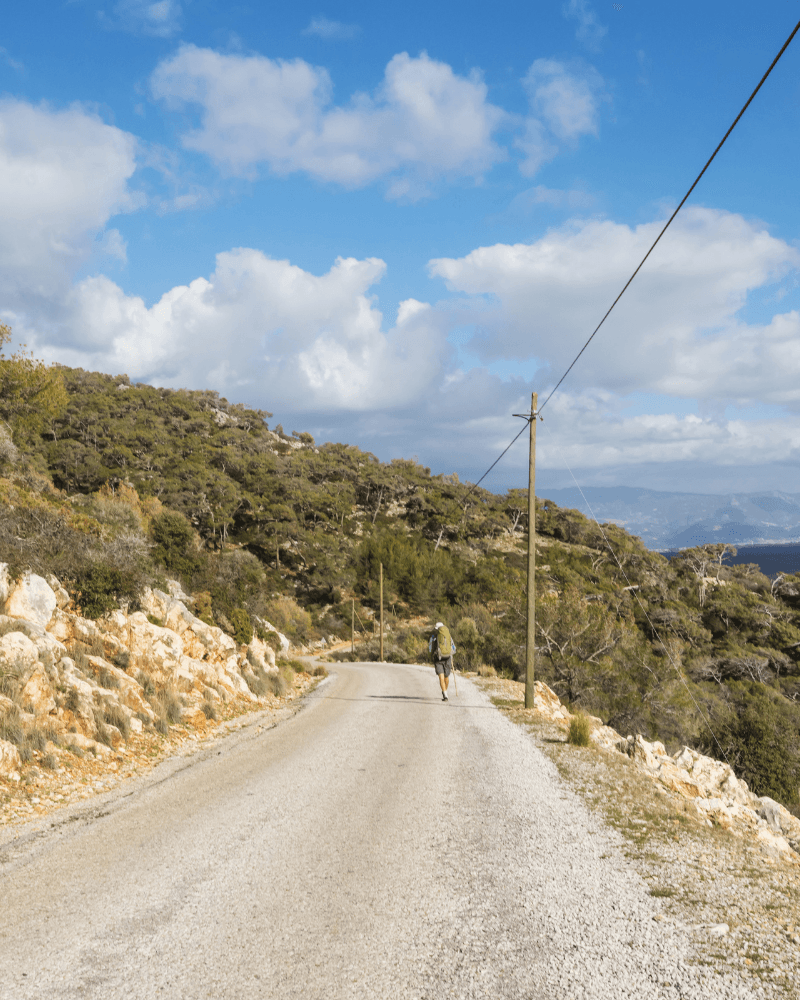
Much of Türkiye's terrain is mountainous. Major mountain ranges and peaks include Mount Ararat, the Kaçkar Mountains, the Taurus Mountains, the Munzur Mountains, and Mount Erciyes. These areas are popular destinations for hiking, mountaineering, and winter sports.

Coasts
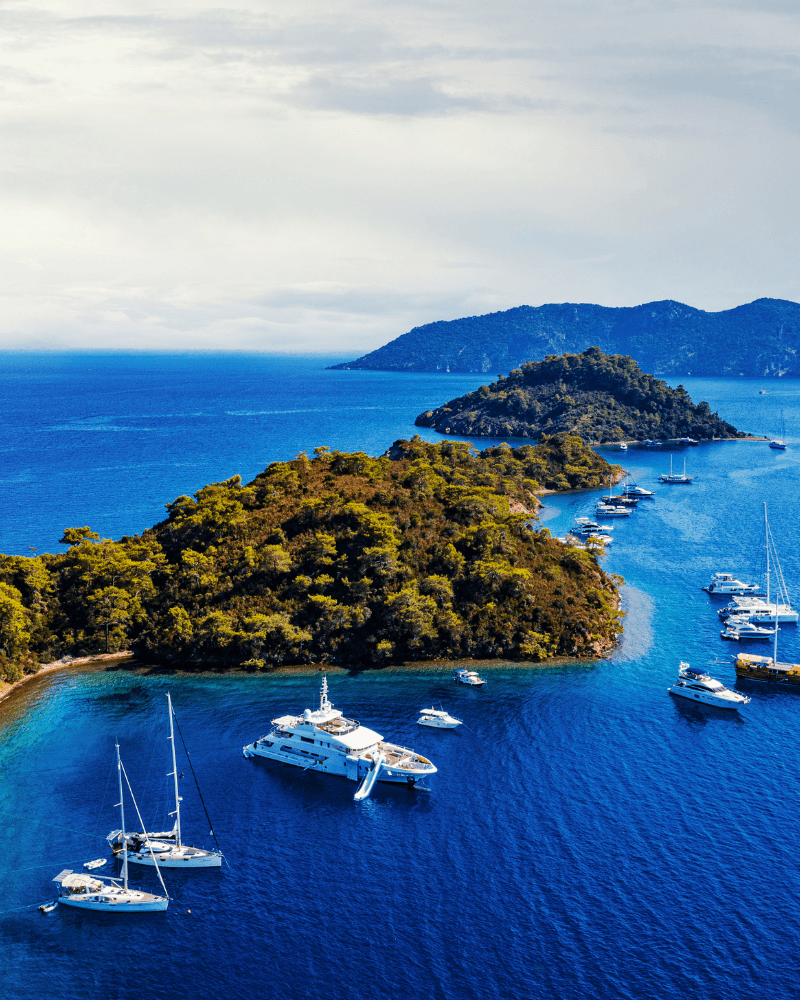
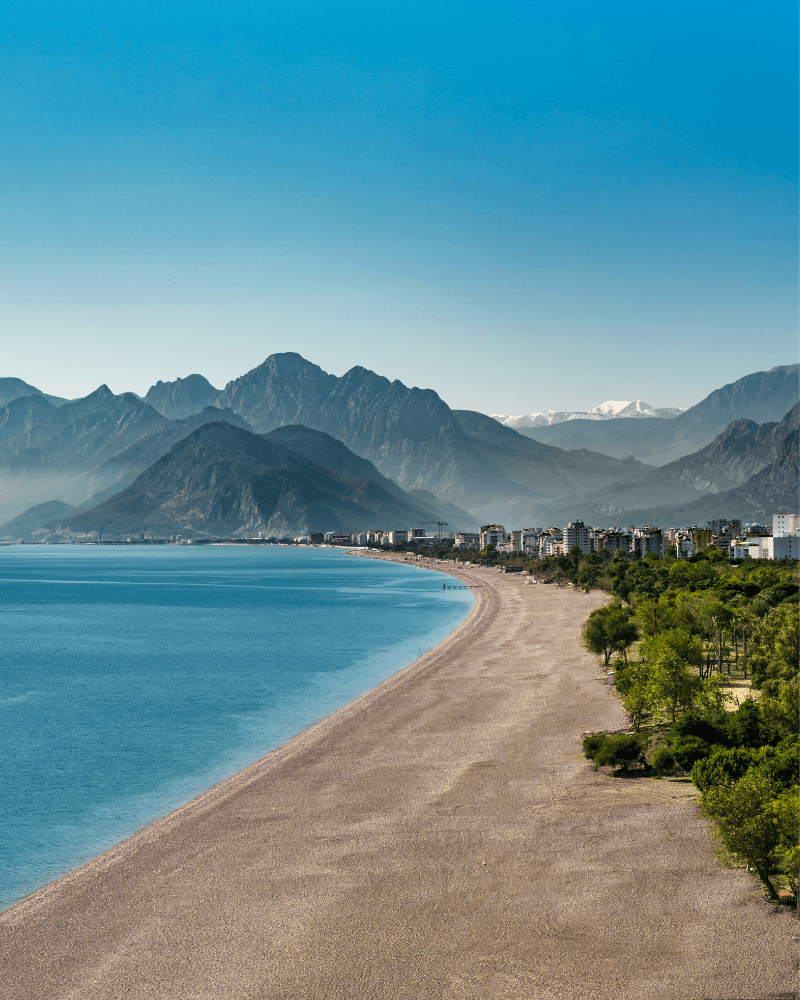
Türkiye has approximately 8,300 kilometers of coastline. Its shores along the Black Sea, Aegean Sea, Mediterranean Sea, and Sea of Marmara feature beaches, bays, port cities, and resort destinations that form a major part of the country's tourism appeal.

Lakes & Rivers
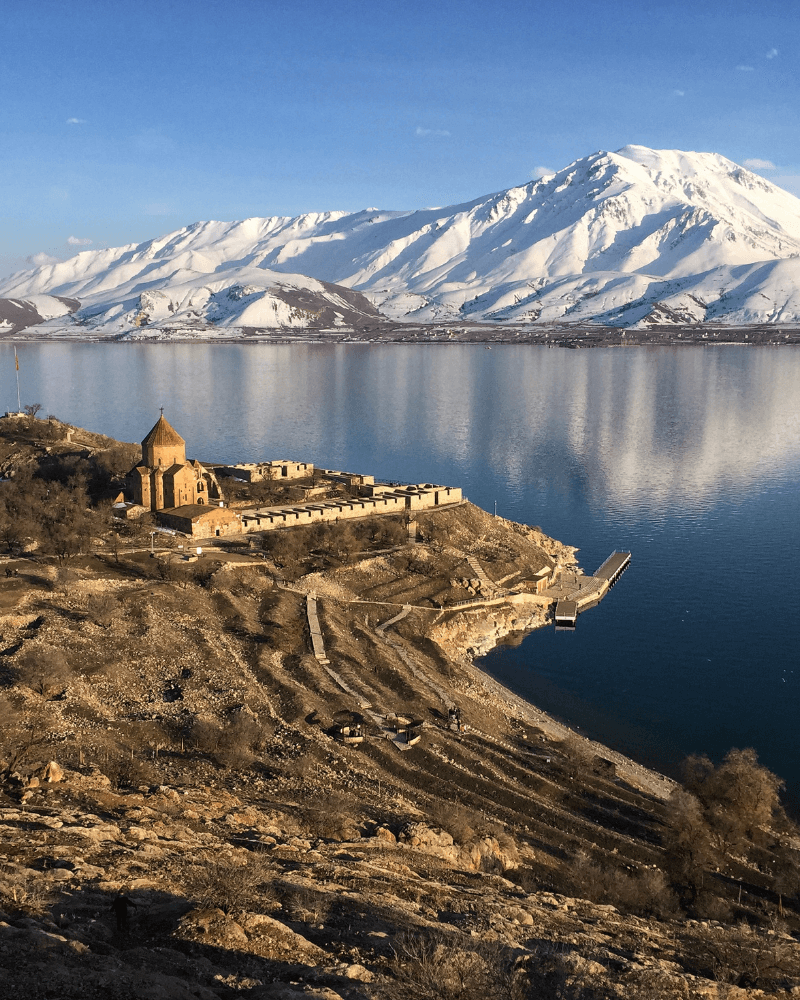
Türkiye is home to large lakes such as Lake Van and Lake Tuz. Major rivers include the Euphrates, Tigris, Kızılırmak, Yeşilırmak, and Sakarya. These water bodies are important for biodiversity, agriculture, and economic activities.

Volcanoes
Türkiye currently has no actively erupting volcanoes. However, extinct or dormant volcanic formations such as Mount Ararat, Mount Erciyes, Mount Hasan, and Mount Nemrut provide insight into the country's geological history.

Vegetation
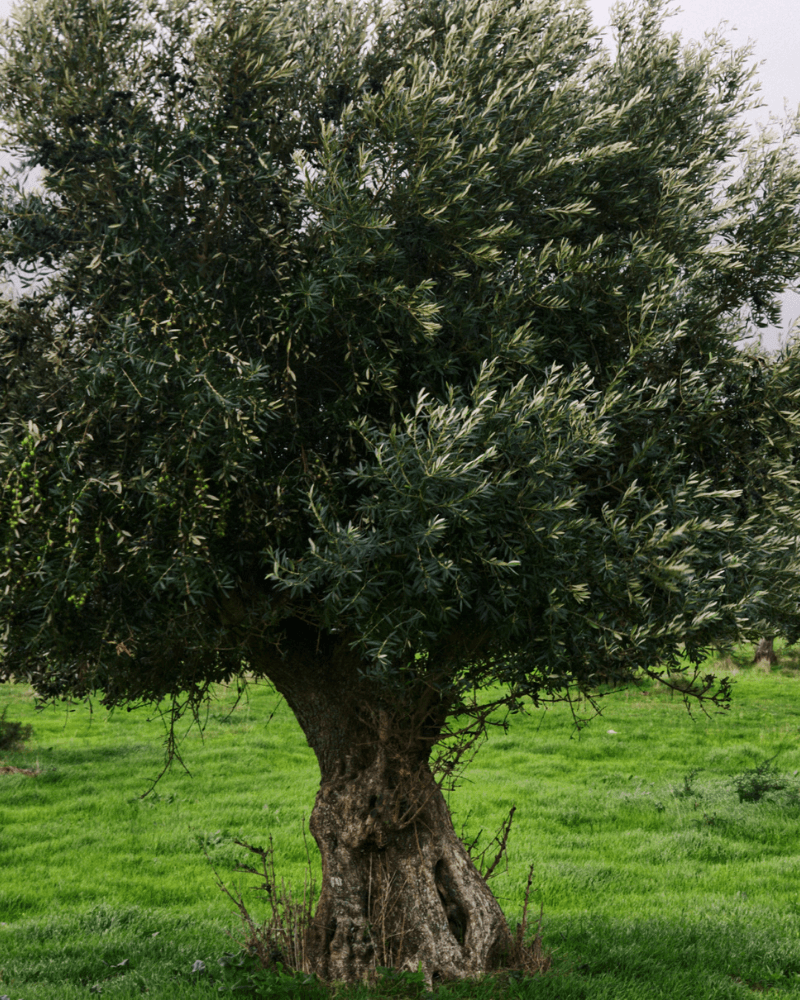
Thanks to its diverse climate zones, Türkiye has rich vegetation. Mediterranean regions are characterized by maquis shrublands and pine forests, the Black Sea region is covered by dense forests, while Central Anatolia is dominated by steppe landscapes and alpine meadows are common in higher elevations.

Wildlife
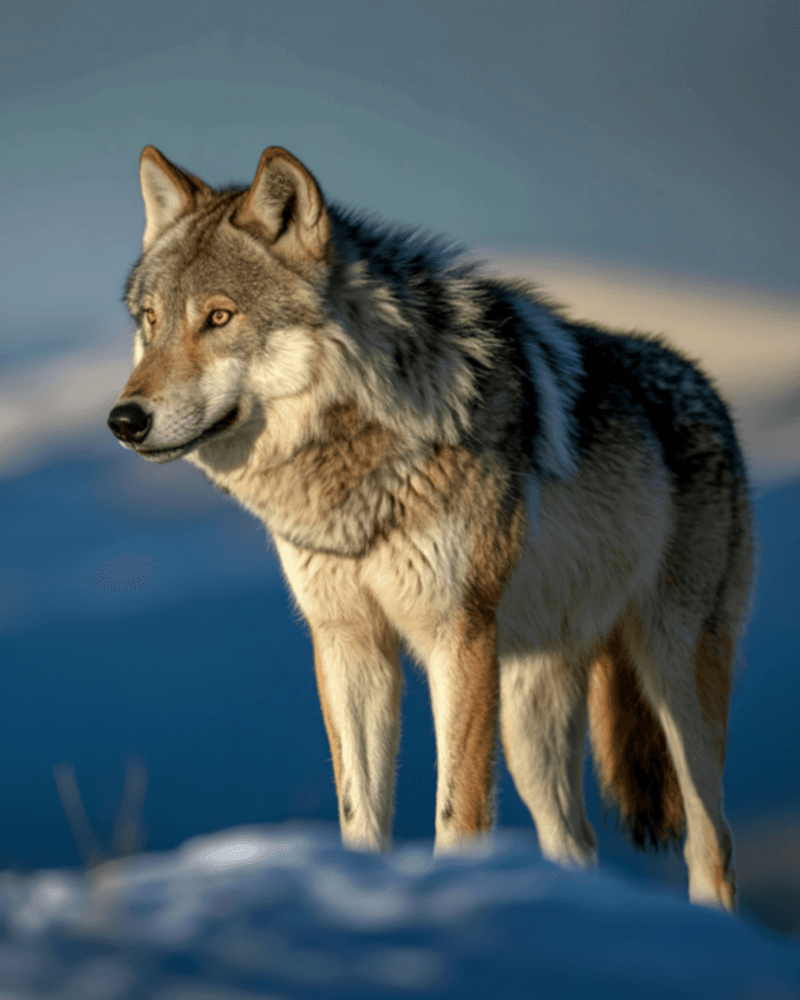
Türkiye's position between Europe and Asia contributes to its remarkable biodiversity. Wildlife includes brown bears, wolves, lynxes, wild goats, flamingos, and numerous migratory bird species. Wetlands and national parks are among the best places to observe the country's wildlife.

Demographics & Society
Social Diversity
Türkiye is a multicultural country shaped by centuries of interaction among different civilizations. Alongside Turks, communities such as Kurds, Arabs, Laz people, Circassians, and others contribute to the country's social fabric. This diversity is reflected in cuisine, music, traditions, and local cultures.
Religion & Belief
Islam is the most widely practiced religion in Türkiye. The country is also home to various religious and cultural communities. Historic mosques, churches, and synagogues reflect its diverse heritage.
Family & Society
Family plays a central role in Turkish society. Family ties are generally strong, and relationships among relatives remain influential in daily life. Hospitality, mutual support, and a sense of community are widely valued across the country.
Education
Türkiye's education system consists of both public and private institutions. Literacy rates are high, and the country is home to numerous universities. International schools can also be found in major cities.
Migration Structure
Türkiye has long been located at the crossroads of major migration routes. Internal migration has contributed to the growth of large cities, while international migration also plays an important role in the country's demographic structure.
Life Expectancy
Life expectancy in Türkiye is approximately 78 years. Improvements in healthcare access have contributed to increasing longevity over recent decades.
Historical Journey
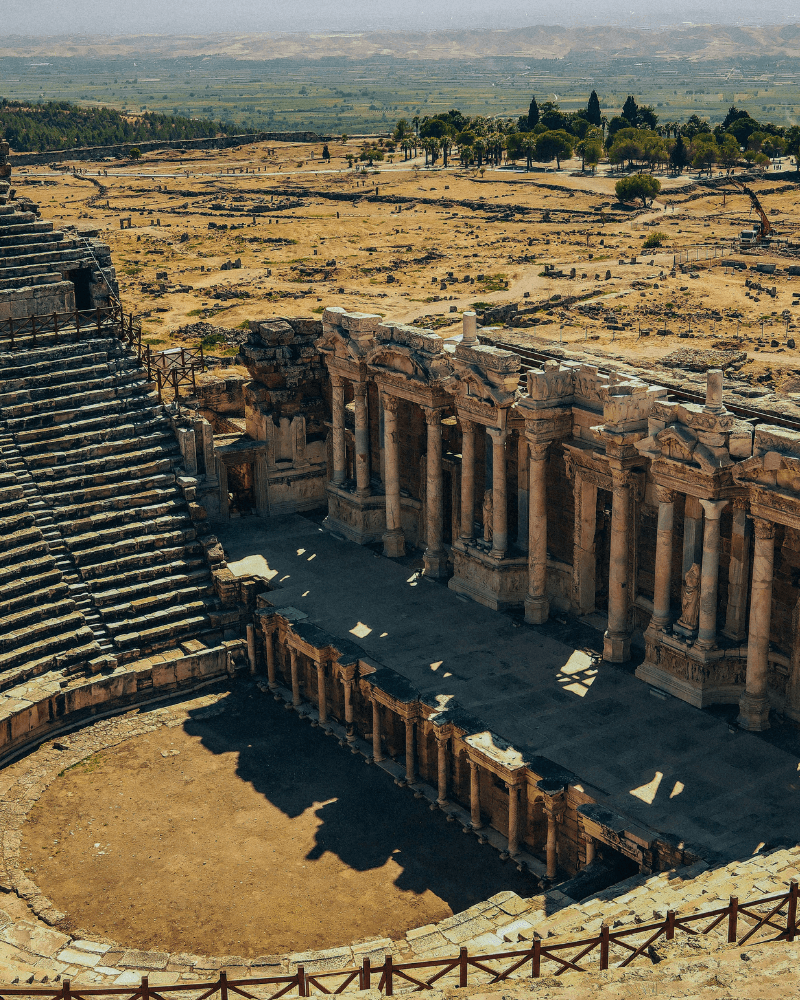
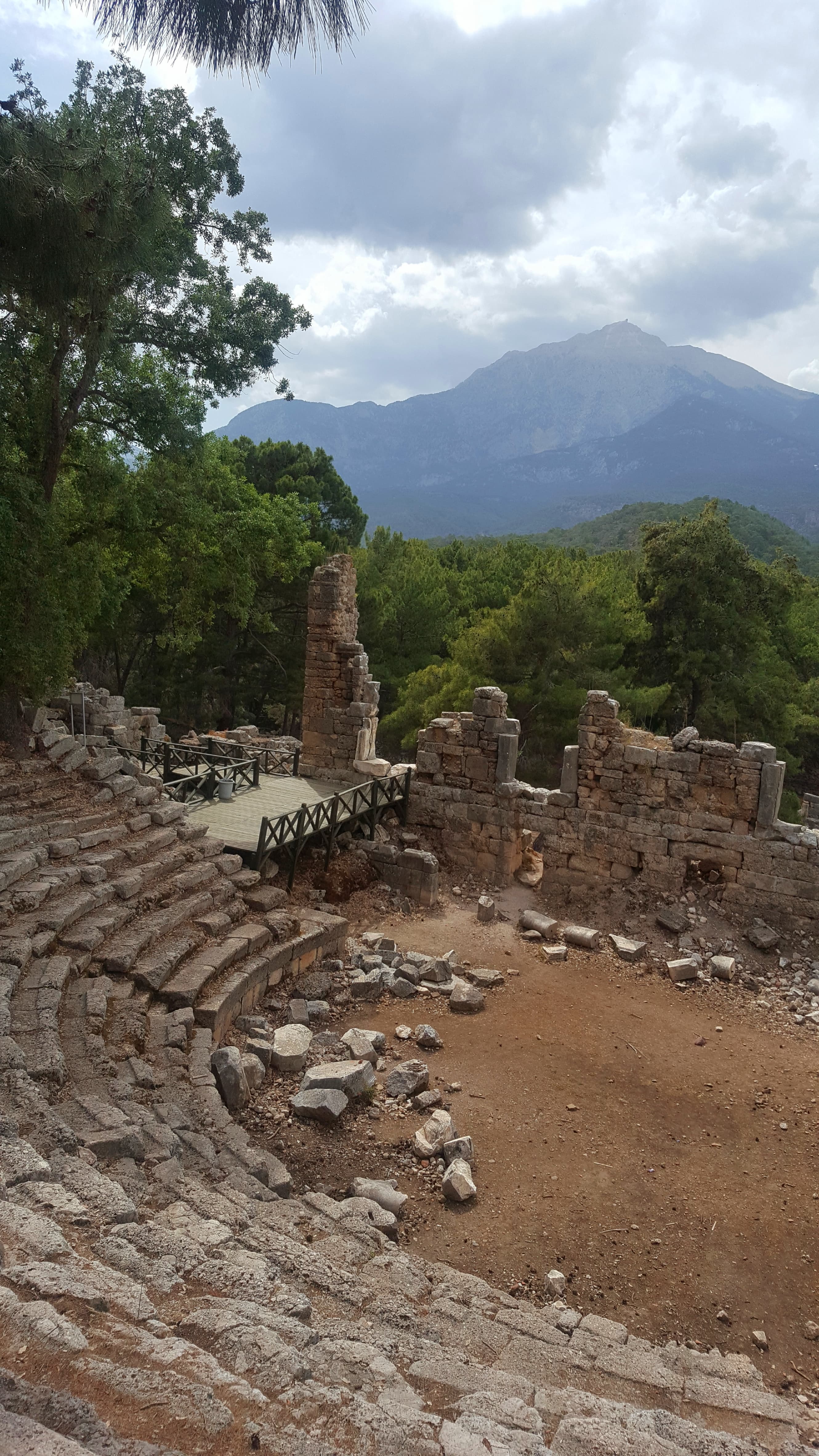
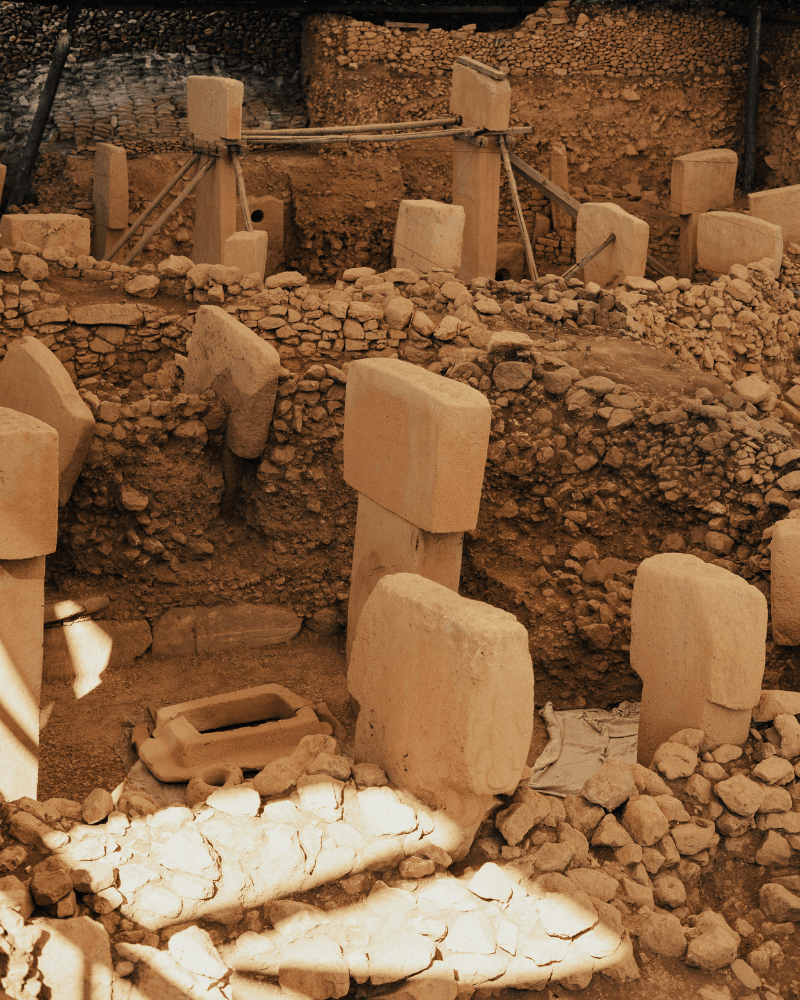
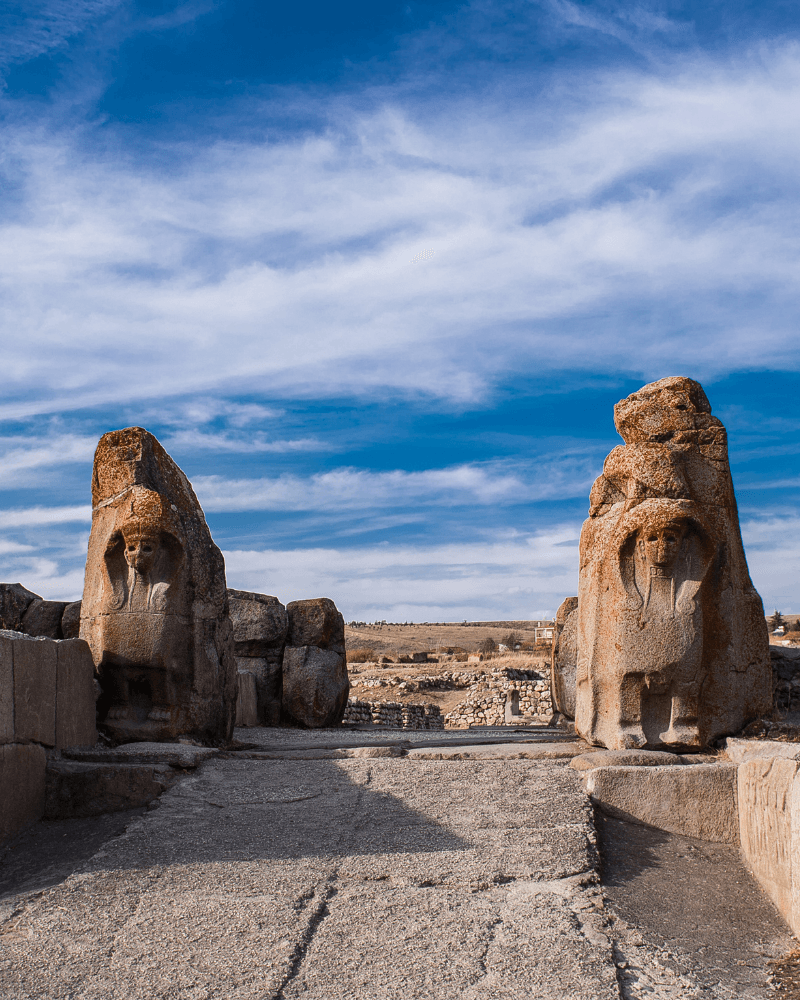
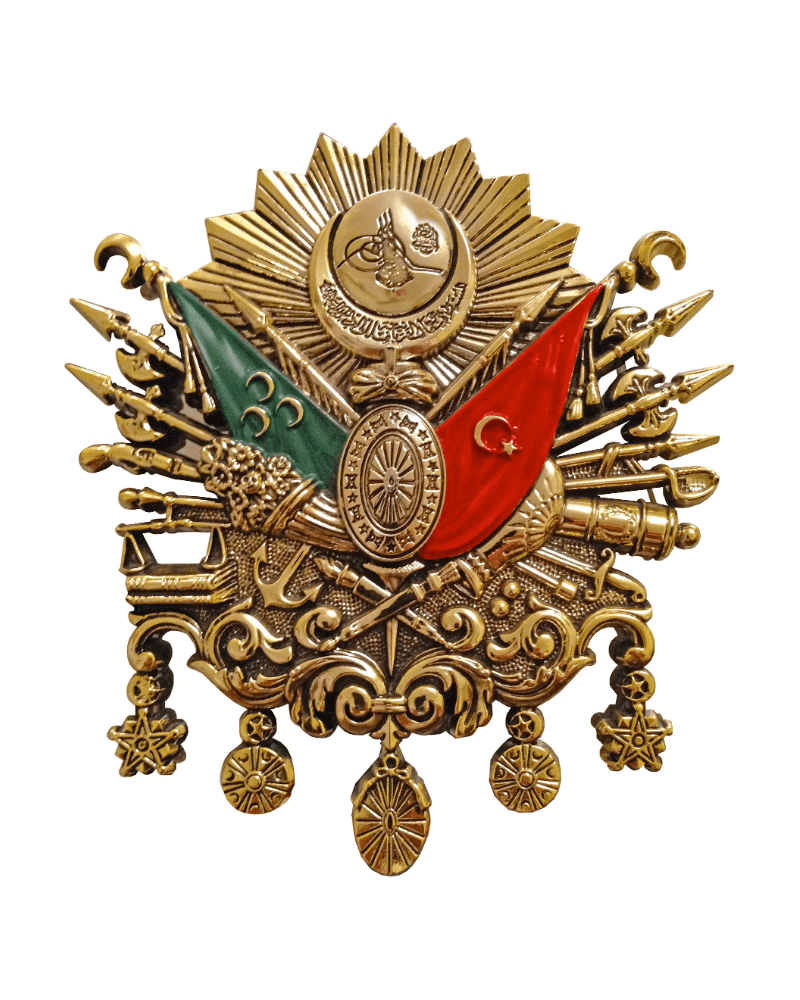
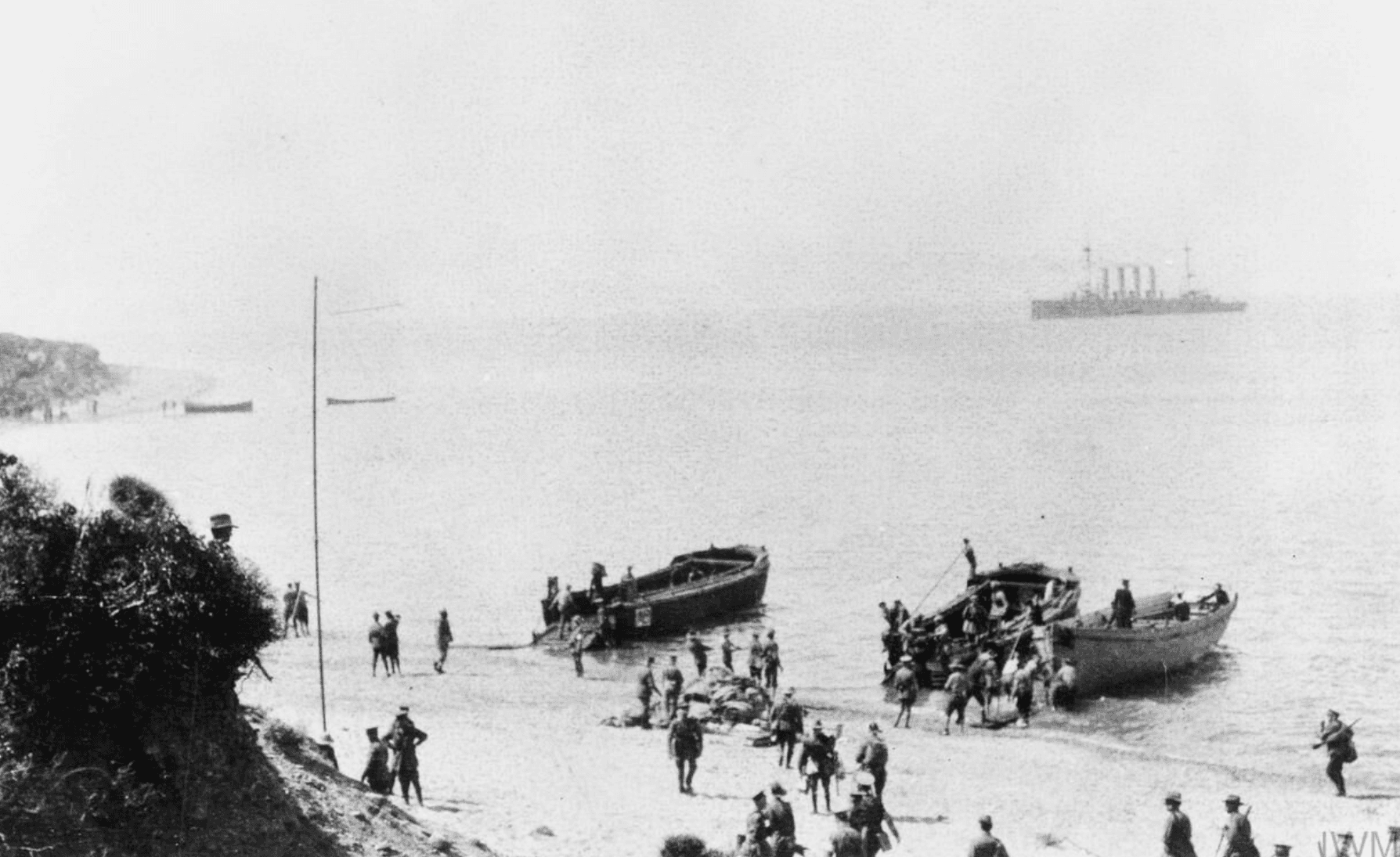
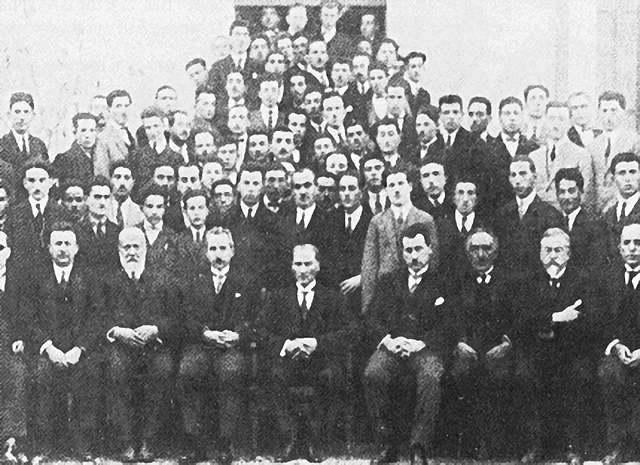
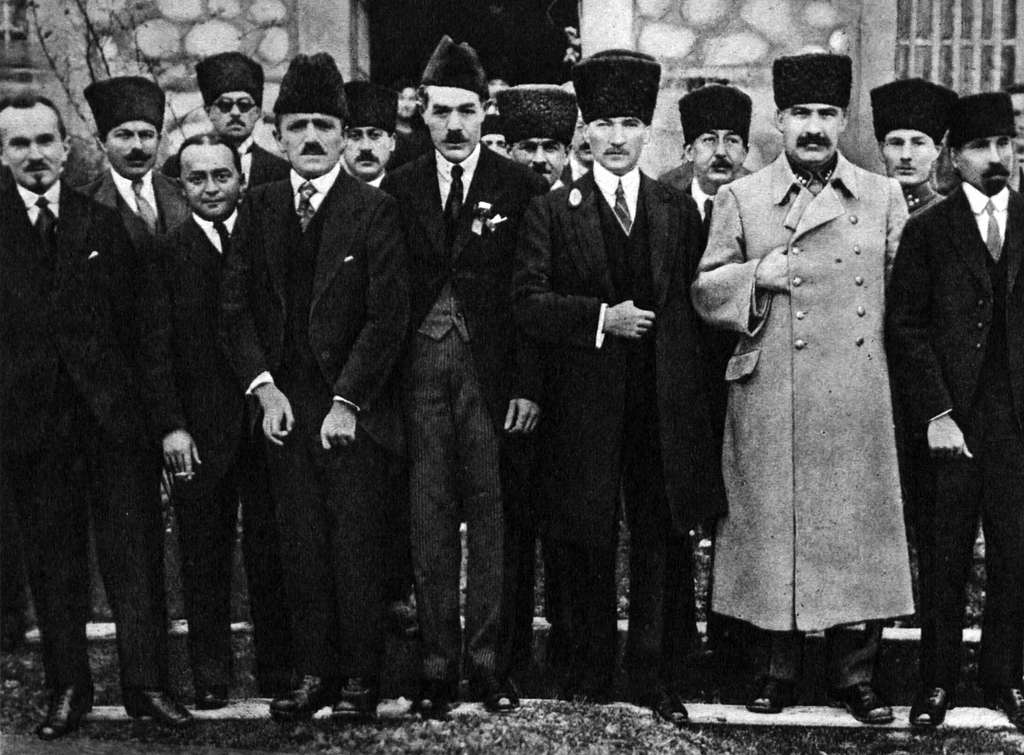
Turkey’s history reflects the rich cultural heritage of Anatolia and its surrounding regions, which have been home to many great civilizations for thousands of years. Ancient civilizations such as the Hittites, Urartians, Phrygians, Lydians, and Lycians established important cities, trade routes, and cultural traditions across Anatolia. Later, the Persians, Hellenistic kingdoms, and the Roman Empire influenced the region. Constantinople, now known as Istanbul, became the capital of the Eastern Roman (Byzantine) Empire and served for centuries as a political, religious, and commercial center between Europe and Asia. Hagia Sophia, ancient theaters, temples, rock tombs, and city walls are among the surviving landmarks of this long history. From the 11th century onward, the arrival of the Turks in Anatolia marked the beginning of the Seljuk period. The Seljuks shaped Anatolia’s cultural and economic structure through caravanserais, madrasas, mosques, and trade networks. Later, the Ottoman Empire rose from a small principality into a vast world empire stretching across Europe, the Middle East, and North Africa. The conquest of Istanbul in 1453 is considered one of the major turning points in world history. During the Ottoman era, architecture, calligraphy, music, cuisine, and urban life flourished. Landmarks such as Topkapı Palace, Süleymaniye Mosque, historic bazaars, and bridges remain important symbols of this period. In the 19th century, the Ottoman Empire entered a period of transformation through modernization reforms, but gradually weakened due to wars and political challenges. After World War I, the empire collapsed, and following the Turkish War of Independence led by Mustafa Kemal Atatürk, the Republic of Turkey was established in 1923. The republican era introduced major reforms in law, education, language, and social life. Ankara became the new capital, and Turkey adopted a modern and secular state structure. Today, Turkey possesses one of the world’s richest cultural heritages, spanning from ancient cities and Byzantine monuments to Ottoman palaces and modern urban centers. Destinations such as Istanbul, Cappadocia, Ephesus, Göbeklitepe, Pamukkale, and Mount Nemrut showcase the country’s layered history and cultural diversity. Turkey also continues to serve as a bridge between Europe and Asia, where different cultures, traditions, and lifestyles come together in a unique geography.
Food & Drink Culture
Turkish cuisine is considered one of the world's richest culinary traditions, blending influences from Anatolia, the Balkans, the Middle East, and the Mediterranean.
Meal Patterns
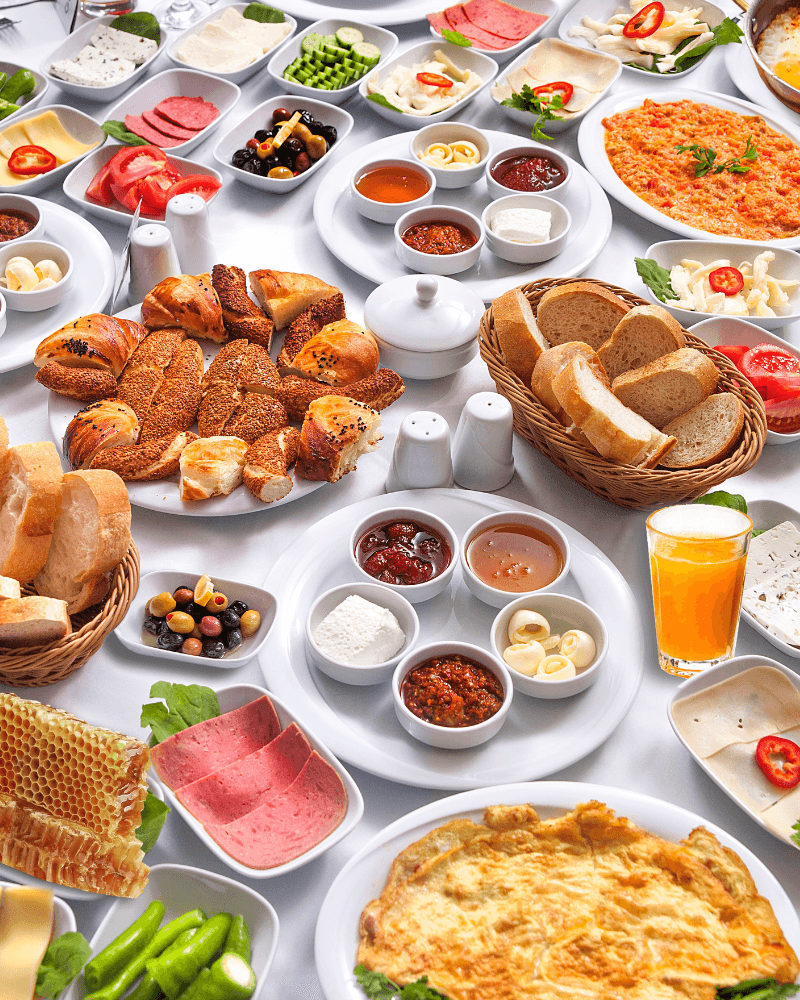
Breakfast holds a special place in Turkish culture. Lunch and dinner often consist of multiple dishes and are frequently shared among family or friends.
Table Etiquette
It is customary to wait until everyone is seated before beginning a meal. Offering food to guests is an important tradition, and politely accepting or declining offers is appreciated.
Tap Water Safety
Bottled drinking water is widely available and commonly consumed. It is often served for an additional charge in restaurants.
Food & Drink Restrictions
Pork is not traditionally used in Turkish cuisine. Vegetarian options are widely available, while vegan choices may be more limited. Travelers with dietary restrictions are advised to communicate their needs in advance.
Drink Culture
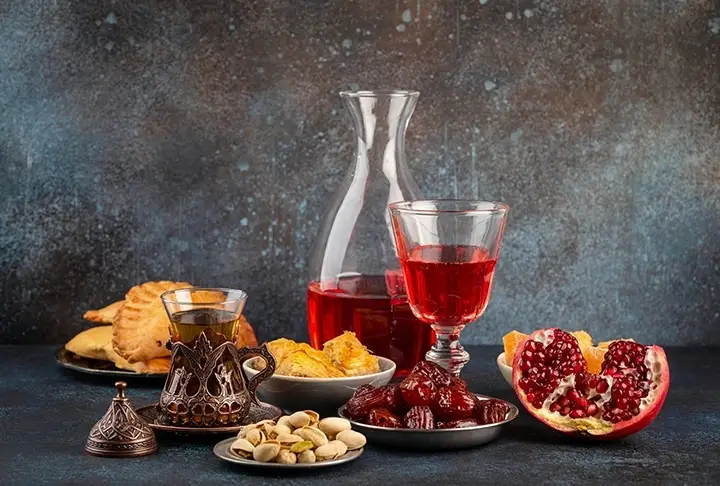
Although coffee spread to Europe through Ottoman lands, tea is today the most widely consumed hot beverage in Türkiye and an important symbol of hospitality. Turkish coffee also holds a special cultural significance and is recognized on UNESCO’s Intangible Cultural Heritage list. Rakı, a traditional anise-flavored spirit, is closely associated with seafood and meze culture. Alcohol consumption habits may vary across different regions of the country.
Tipping & Bill
Tipping is not mandatory but is commonly practiced for good service. In restaurants, leaving around 5–10% of the bill is generally considered appropriate.
Popular Tastes

Doner
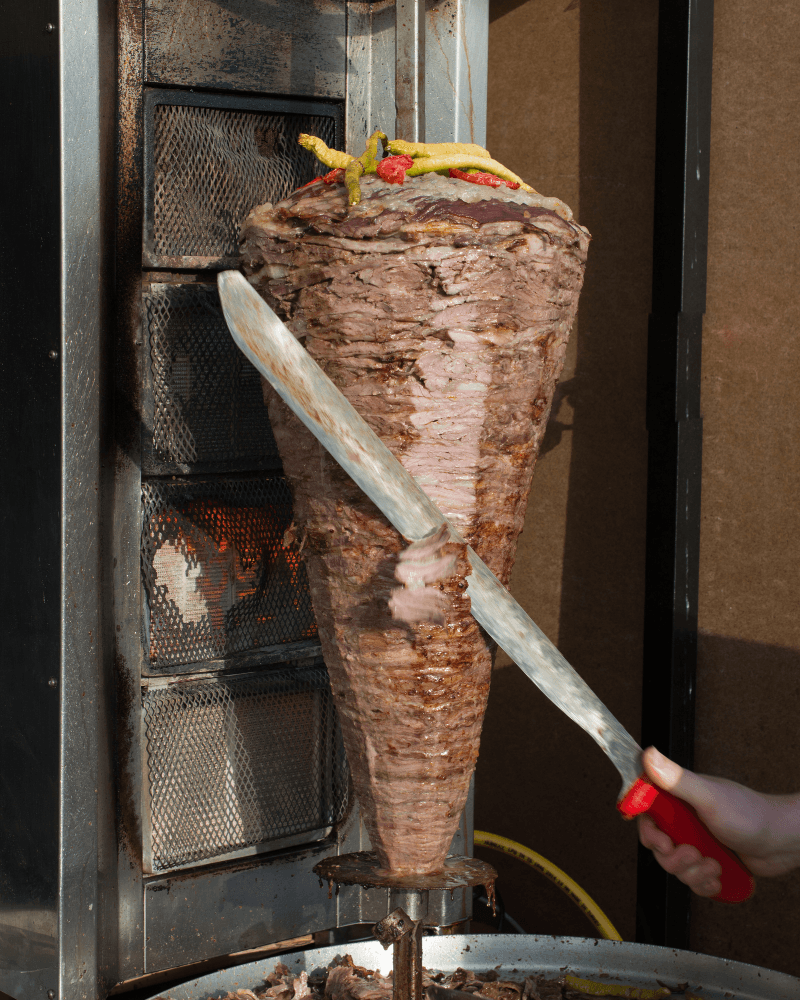
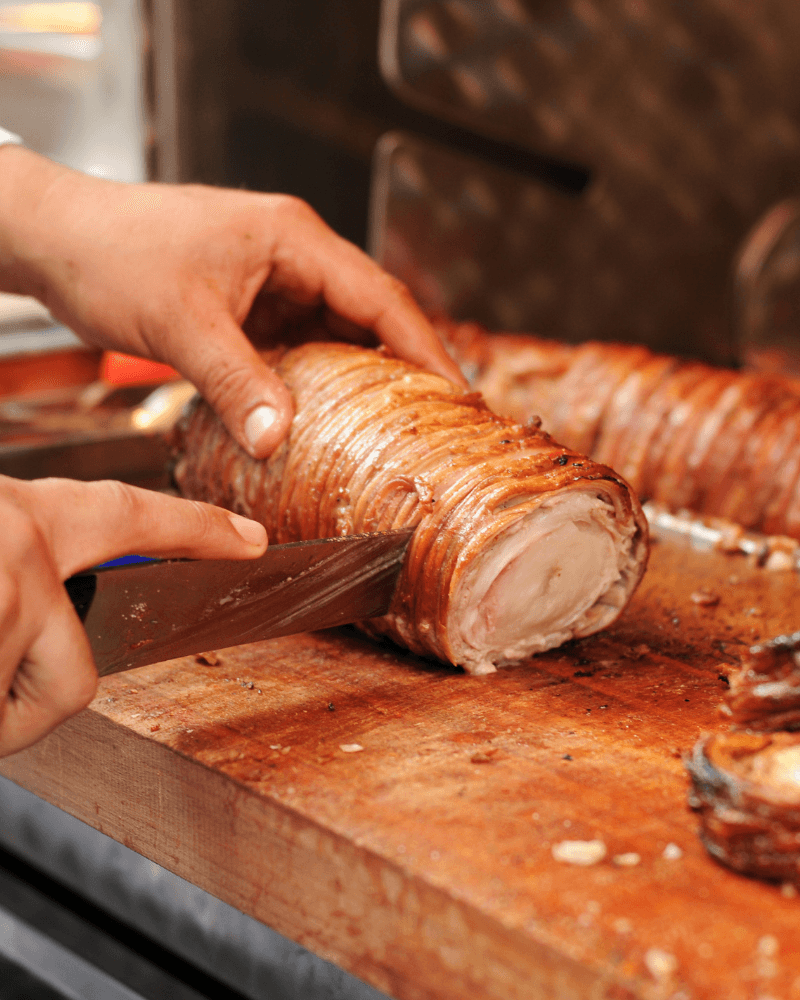
Doner Kebab is one of Türkiye’s most internationally recognized dishes. It is prepared by slowly roasting marinated meat on a vertical rotisserie. Beef, lamb, or chicken are commonly used. The meat is thinly sliced and served with rice, wrapped in flatbread, or inside sandwiches. It is popular both as a street food and a restaurant dish.

Adana Kebab
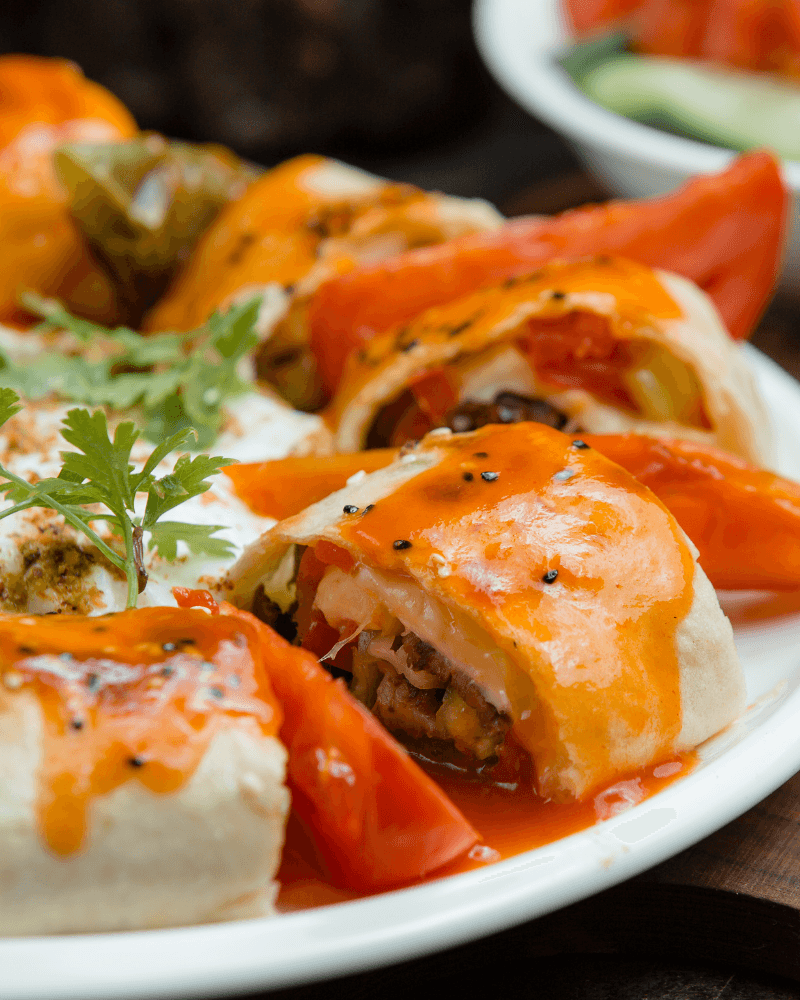
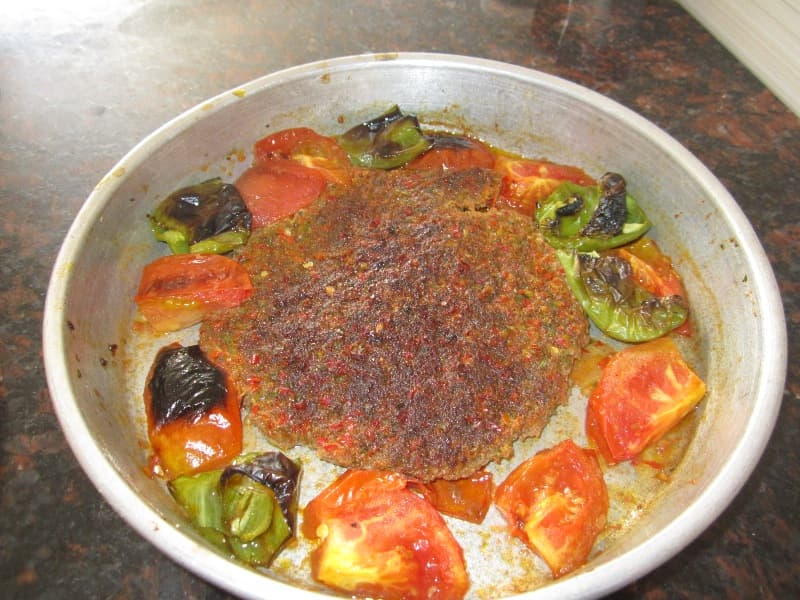
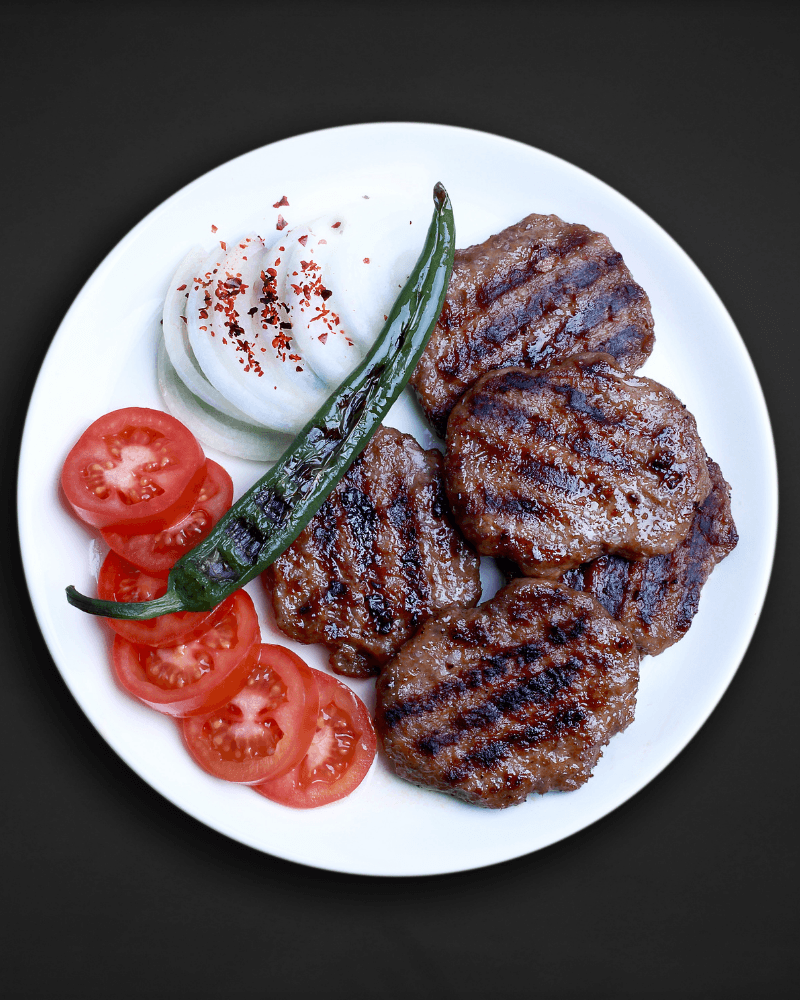
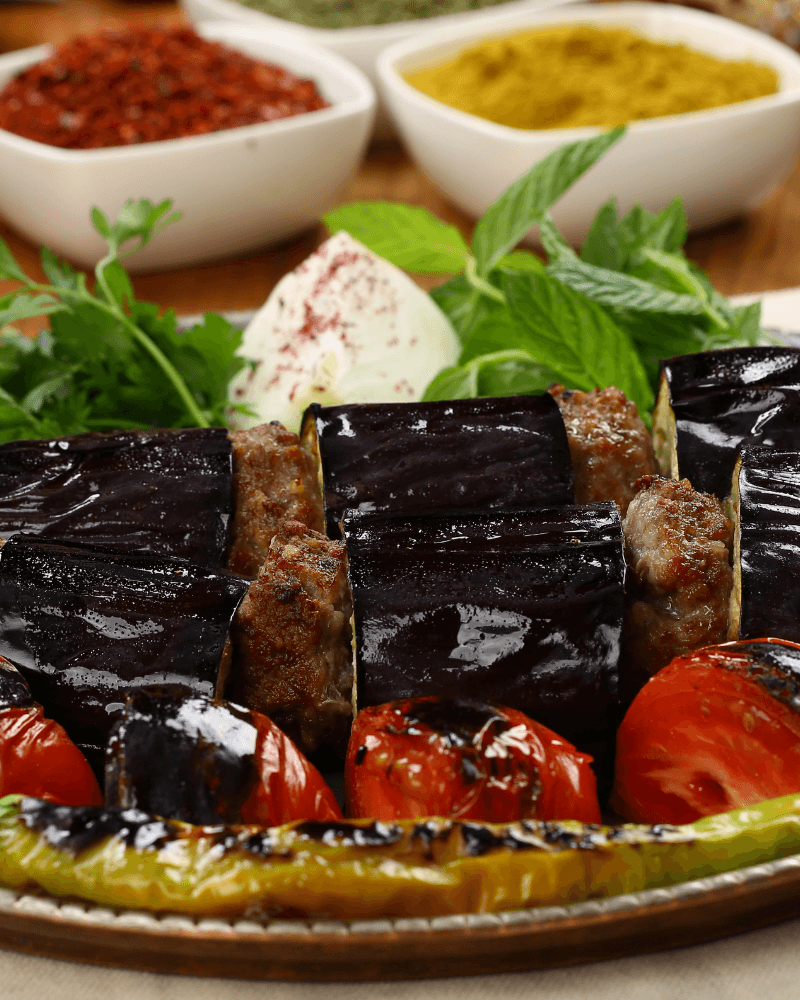
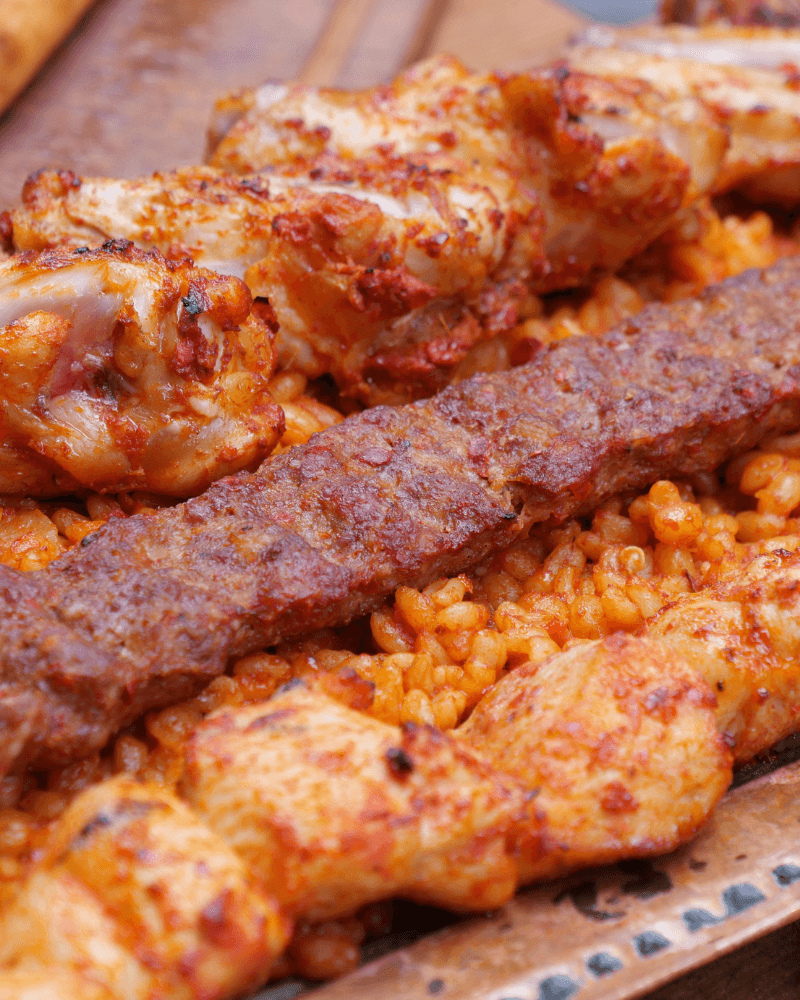
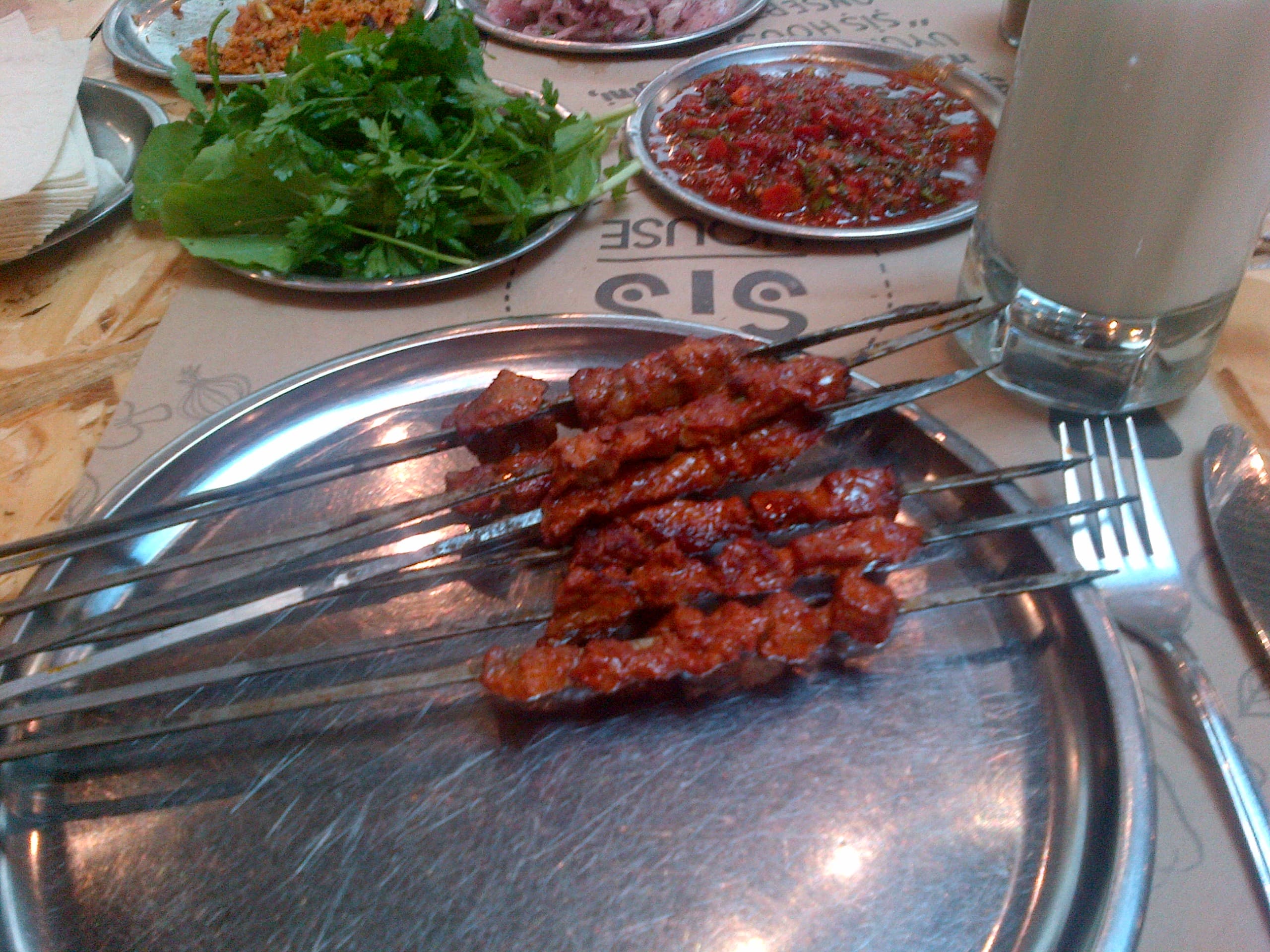
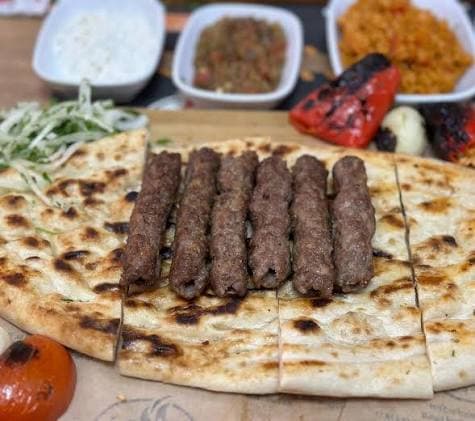
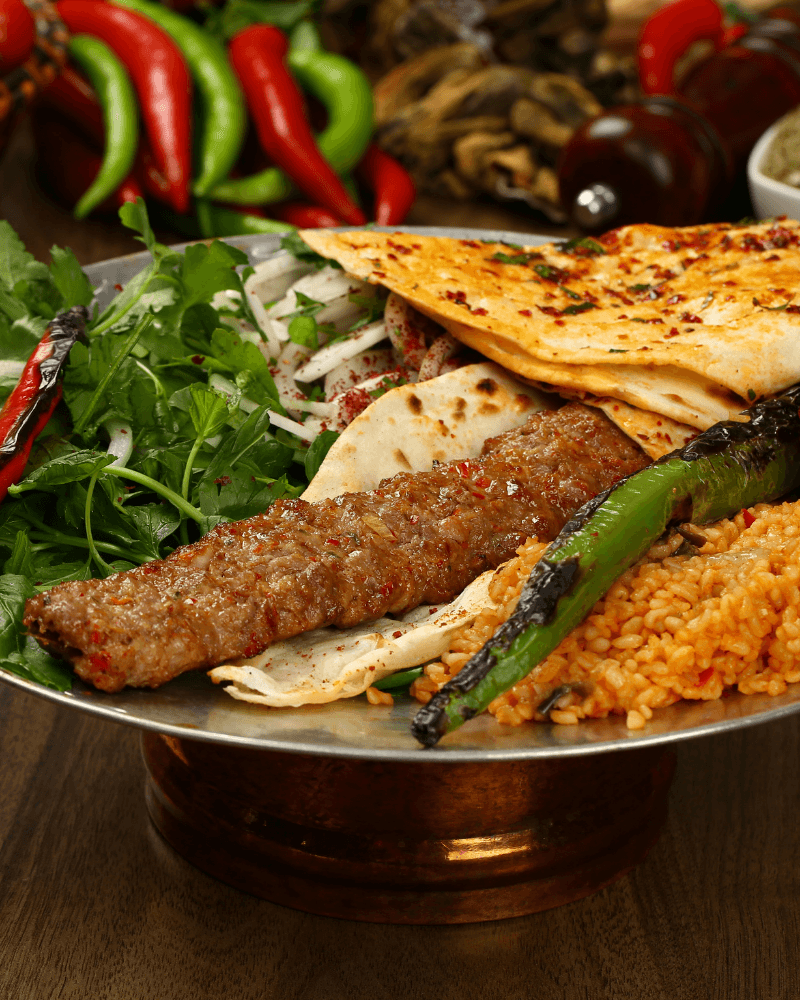
Adana Kebab is a spicy minced meat kebab originating from Adana in southern Türkiye. It is traditionally made with hand-minced lamb, tail fat, and regional spices, then grilled over charcoal on wide skewers. It is commonly served with flatbread, grilled peppers, tomatoes, and onion salad with sumac.

Etli Ekmek
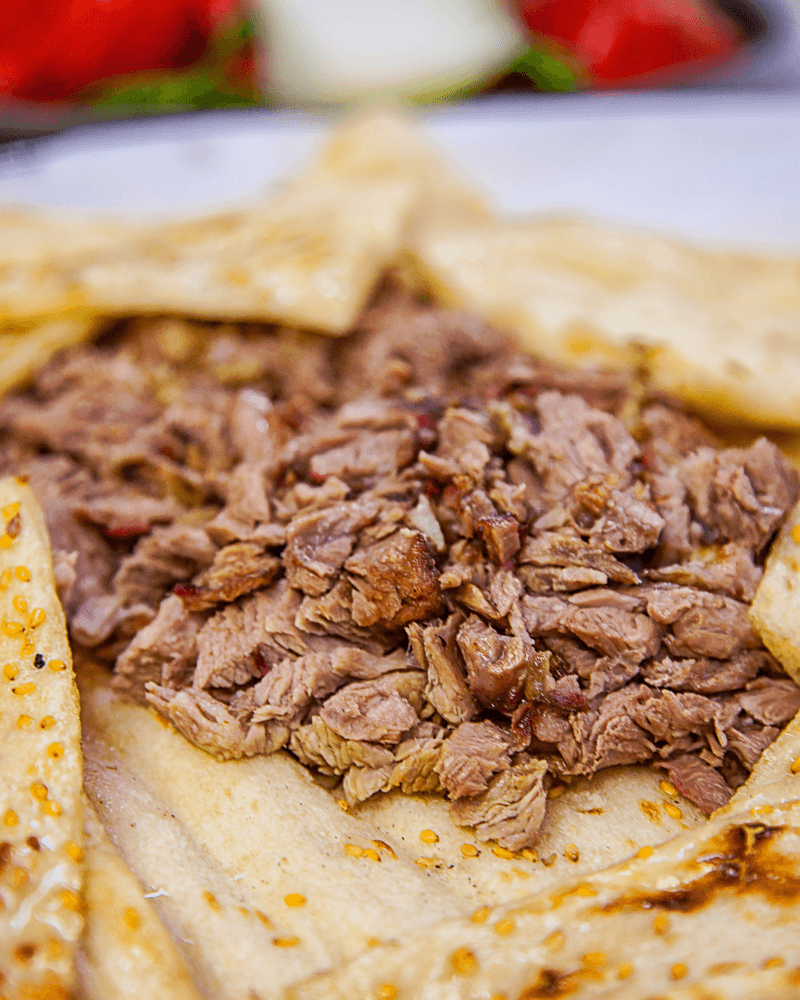
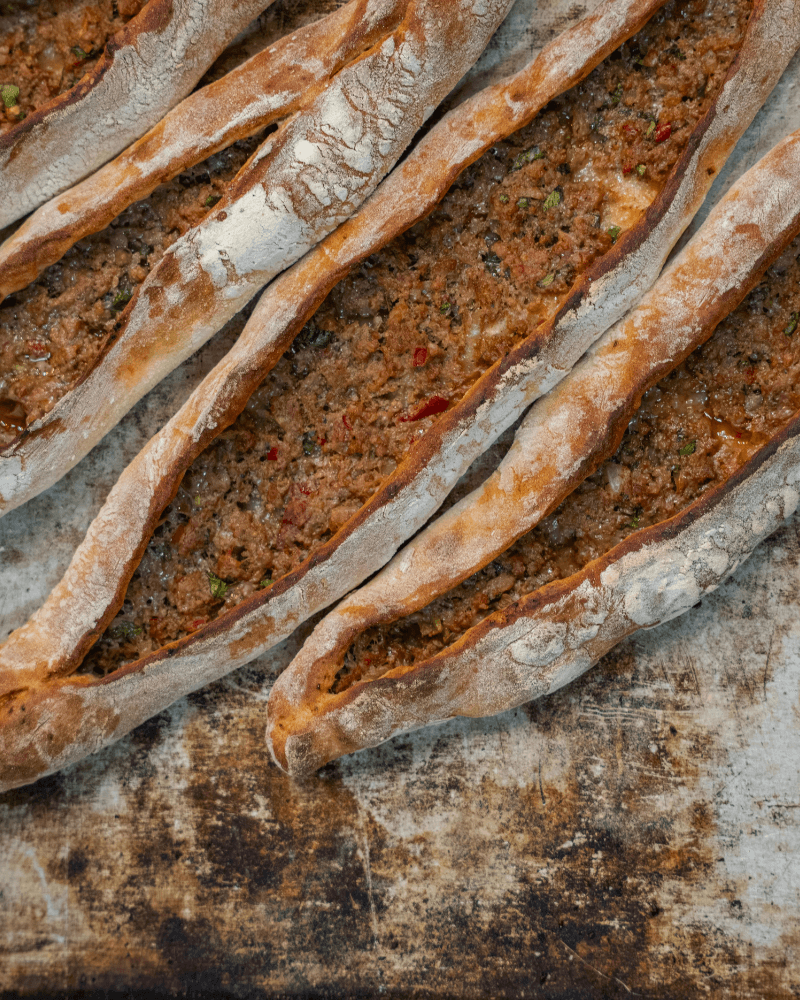
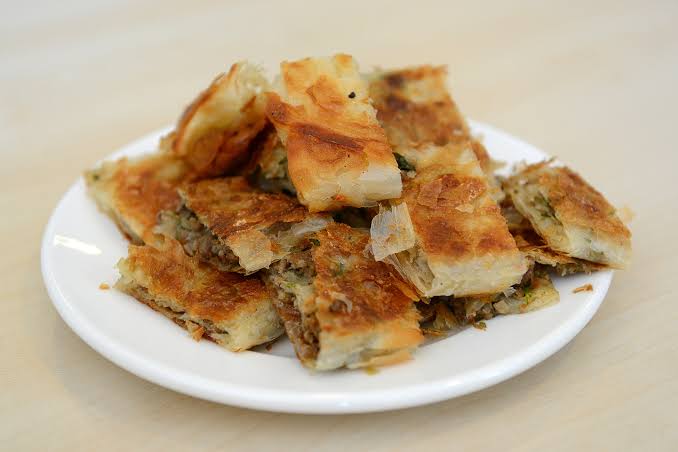
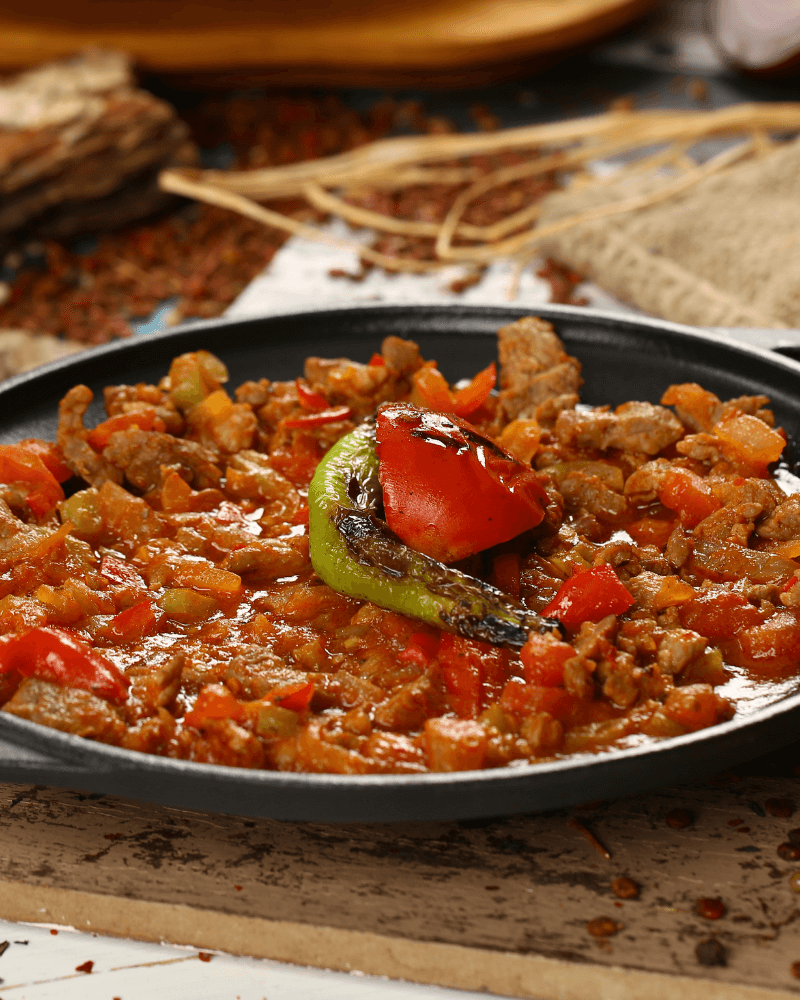
Etli Ekmek is a traditional Turkish dish closely associated with the cuisine of Konya. A thin and elongated dough is topped with minced meat, tomatoes, peppers, and spices, then baked until crispy in a stone oven. Although it resembles Turkish pide, it is distinguished by its thinner and longer shape.

Lahmacun
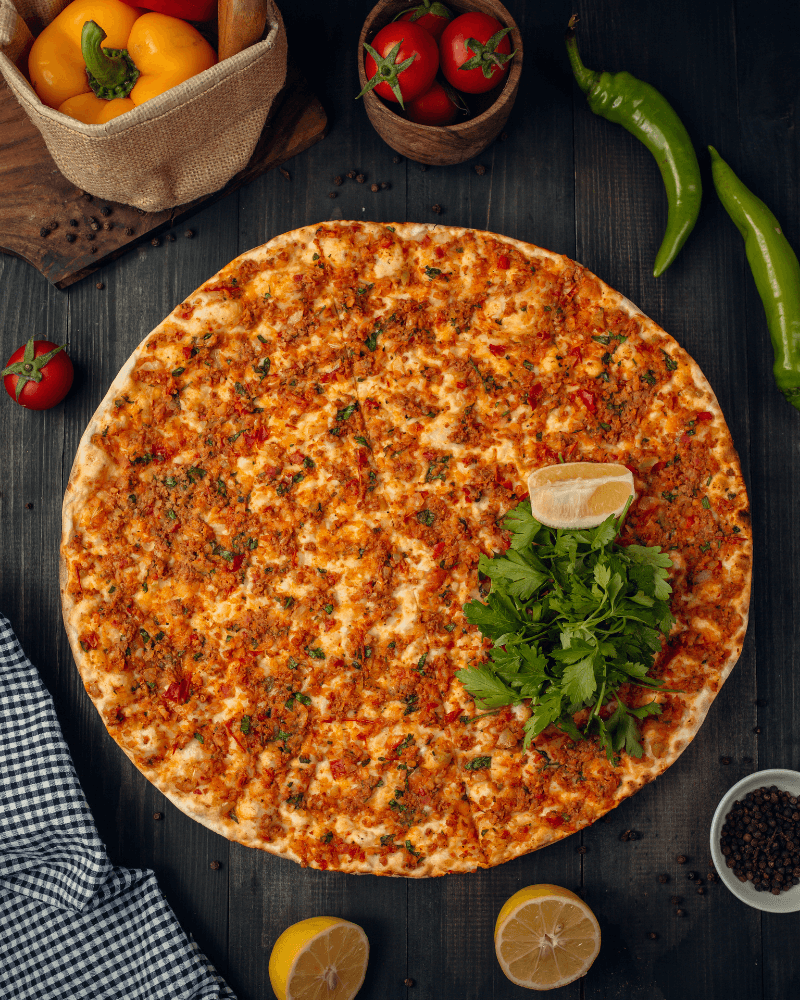
Lahmacun is a traditional Turkish dish made by spreading a mixture of minced meat, tomatoes, onions, parsley, and spices over thin dough, then baking it in a stone oven. It is especially popular in Southeastern Anatolian cuisine. It is commonly eaten rolled with parsley, greens, and a squeeze of lemon.

Pide
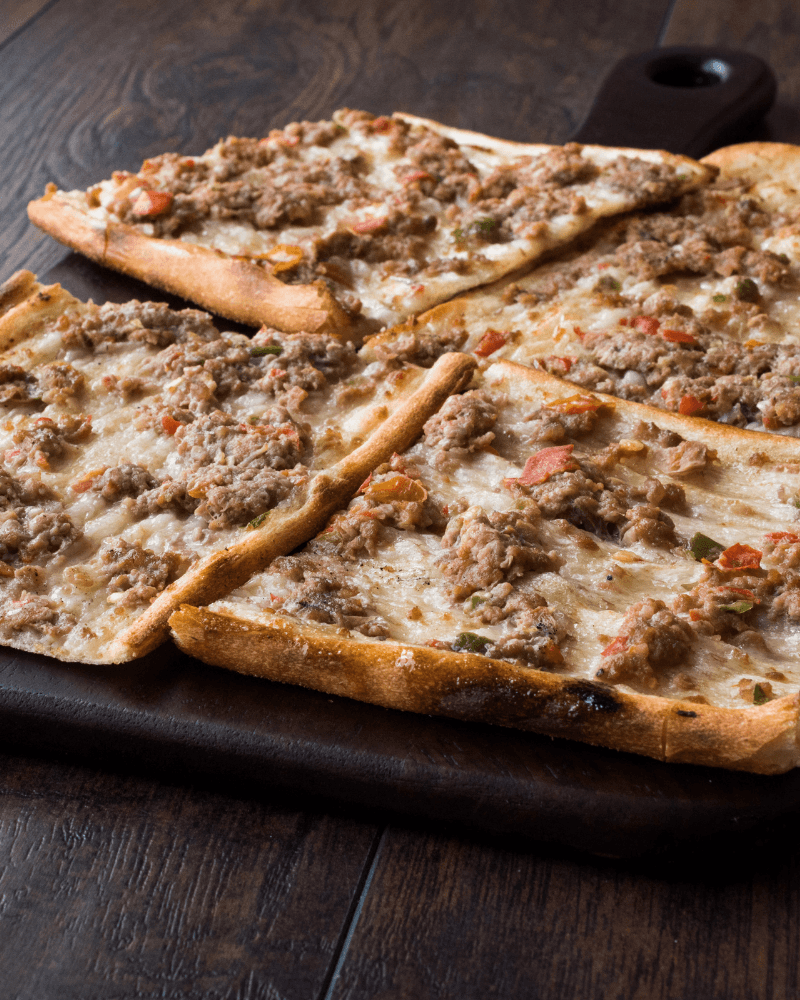
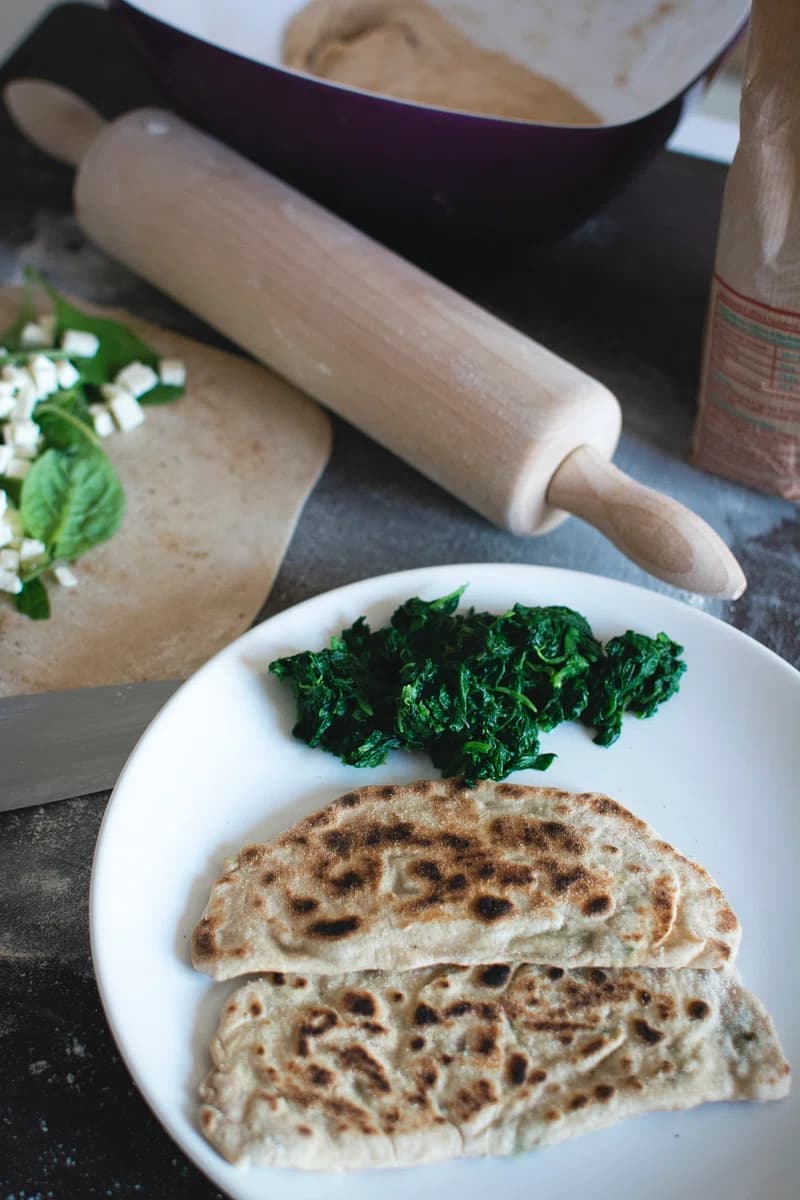
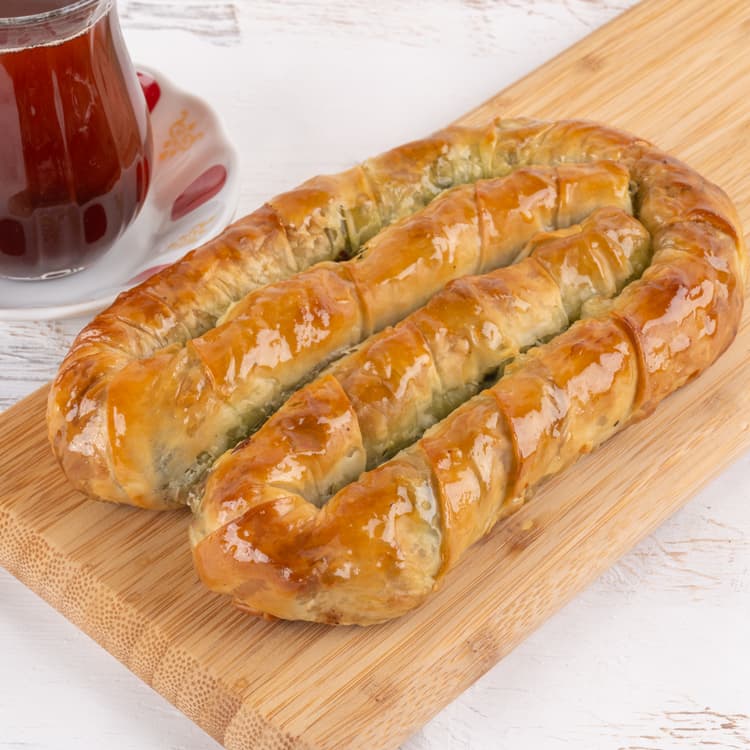
Turkish Pide is a traditional dish made by baking soft, thin dough with various toppings in a stone oven. Popular varieties include minced meat, cheese, sausage, and diced meat toppings. It is recognized by its long oval shape with folded edges.

Baklava
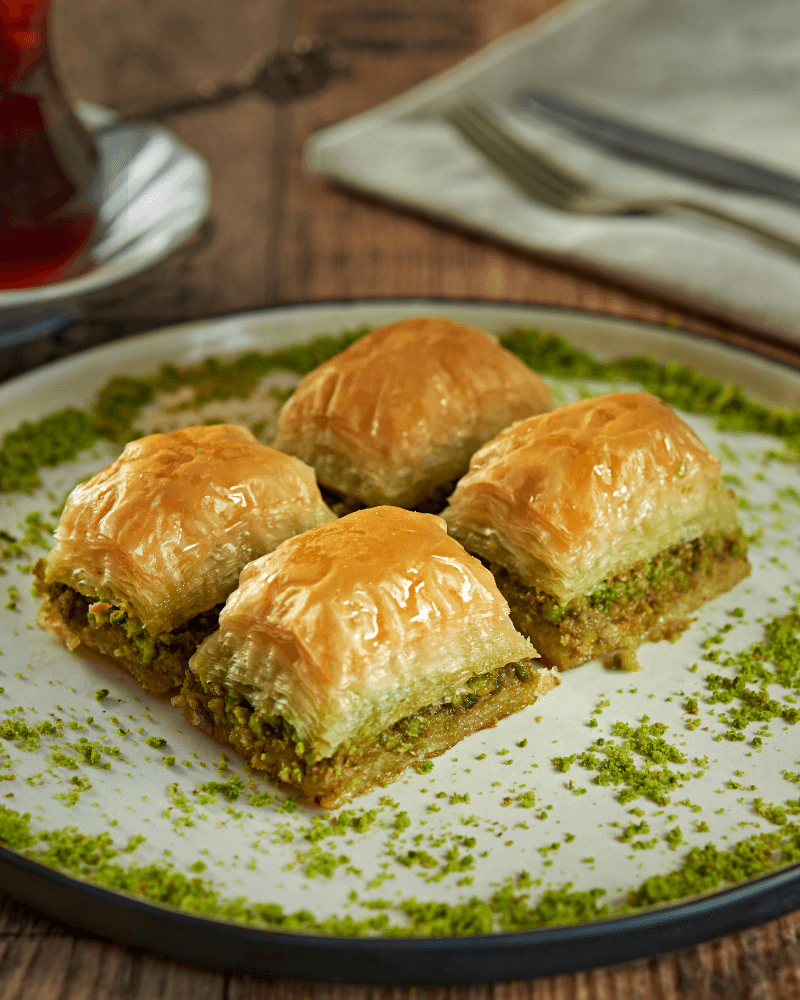
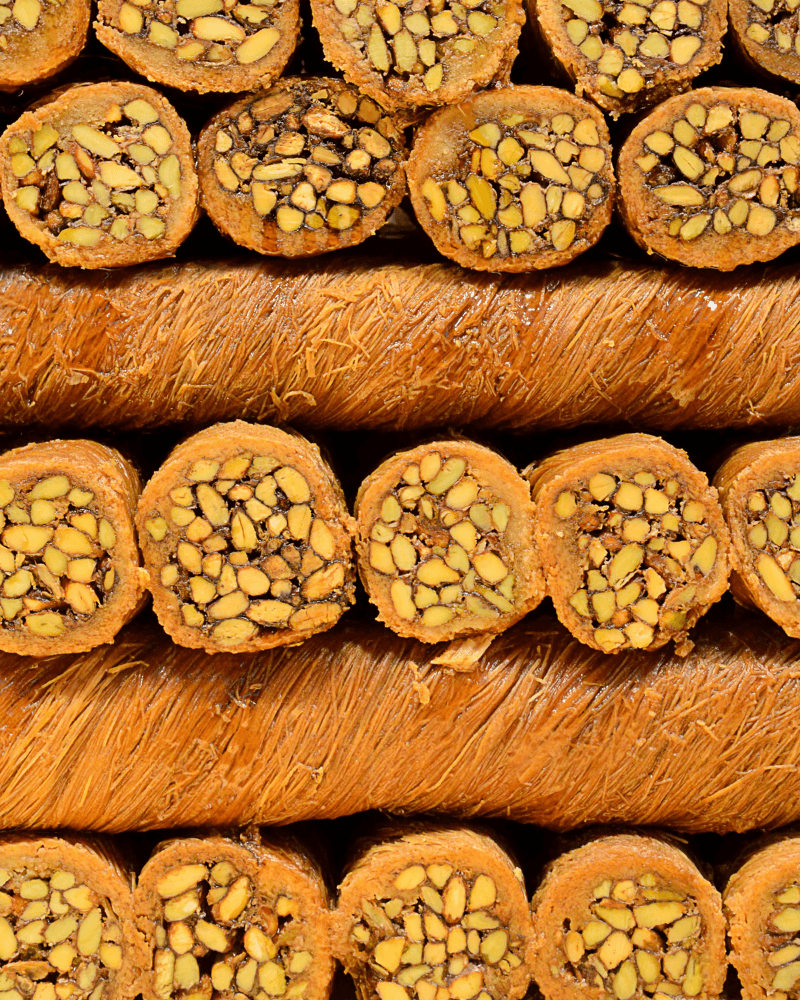
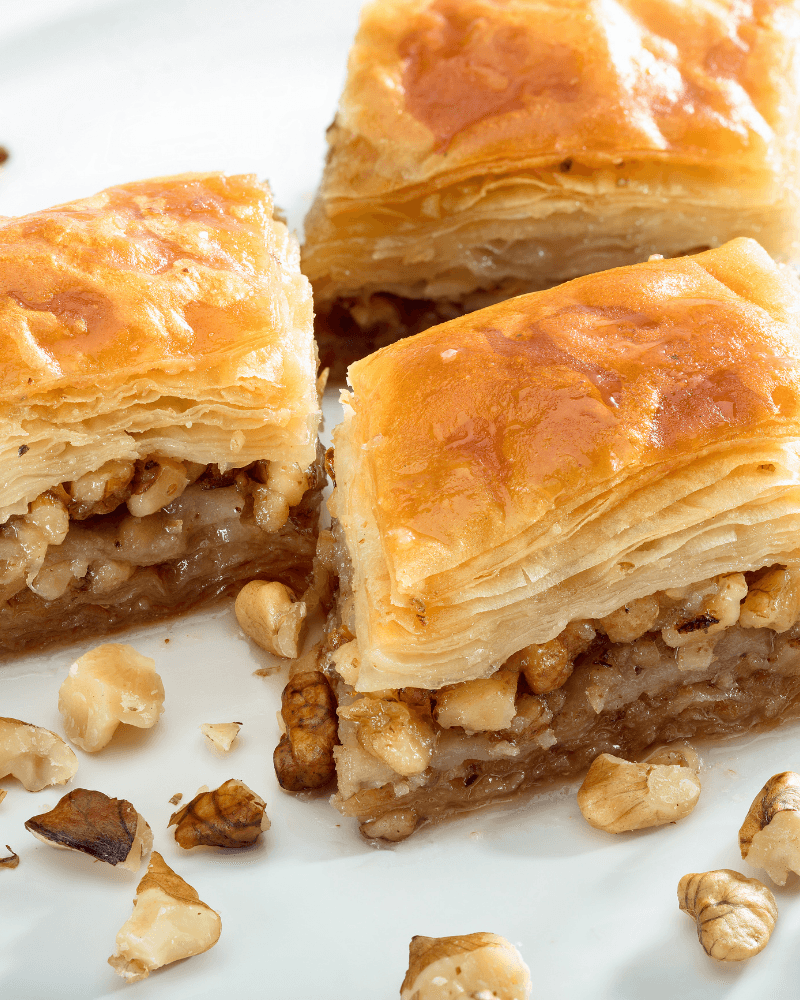
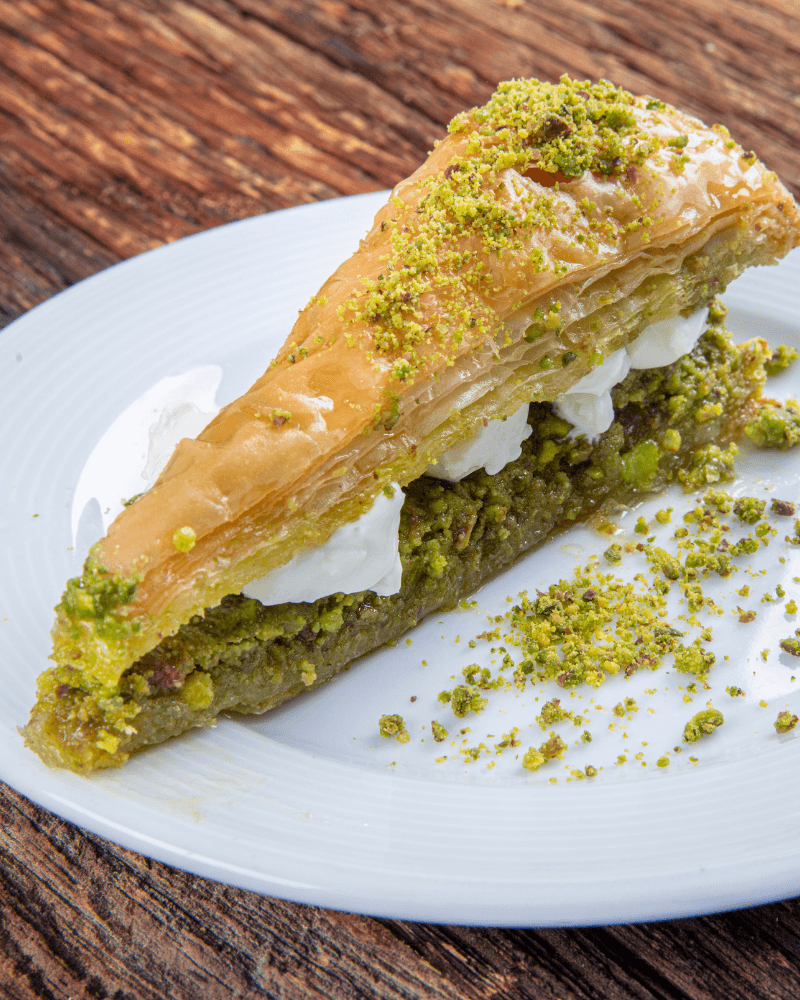
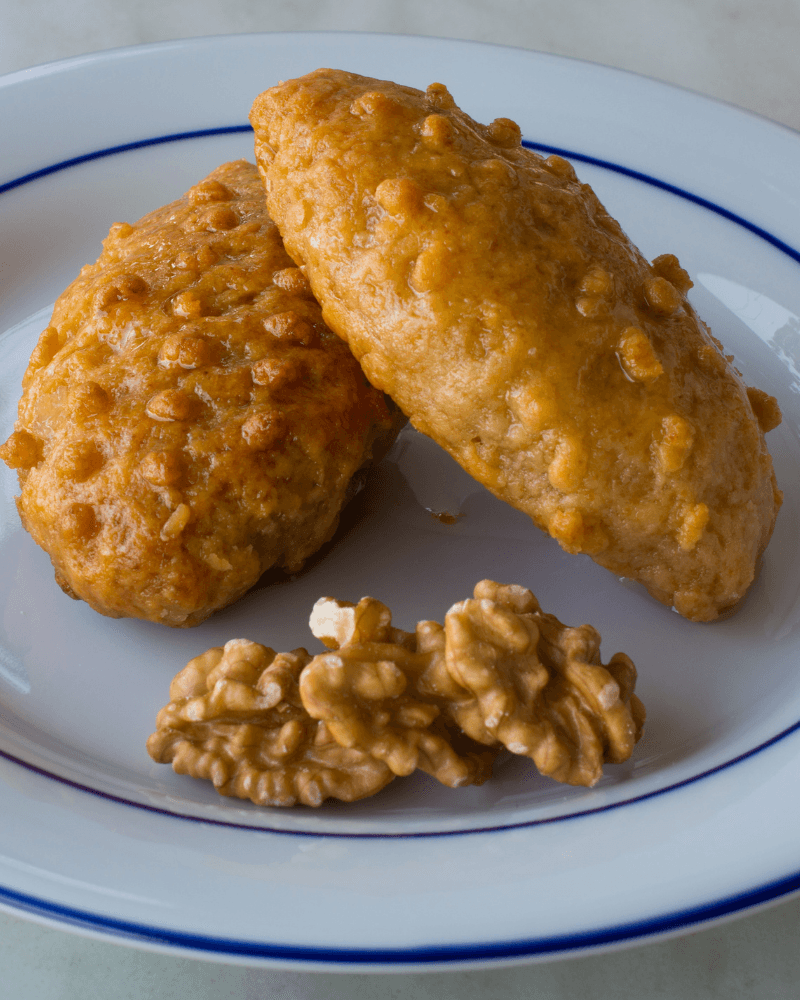
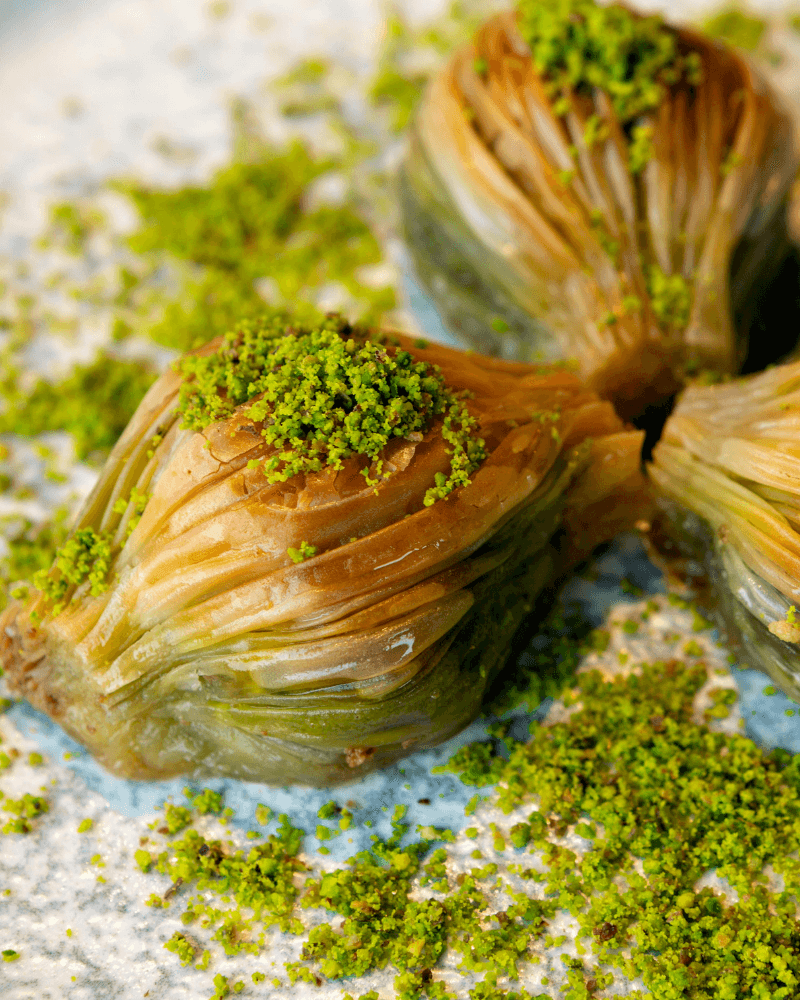
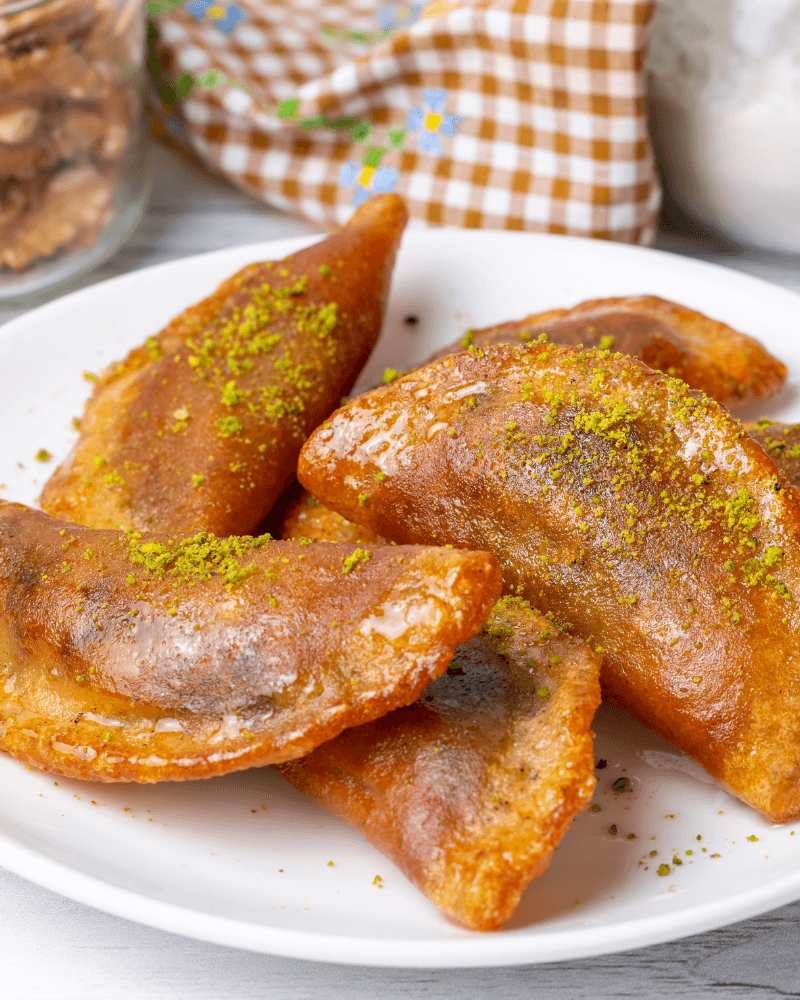
Baklava is a traditional Turkish dessert made with thin layers of pastry filled with pistachios or walnuts and soaked in sweet syrup. Famous for its rich flavor and crispy texture, Gaziantep-style baklava is internationally recognized as one of the iconic desserts of Turkish cuisine. It is commonly served during holidays, celebrations, and special occasions.
Local Drinks

Turkish Tea
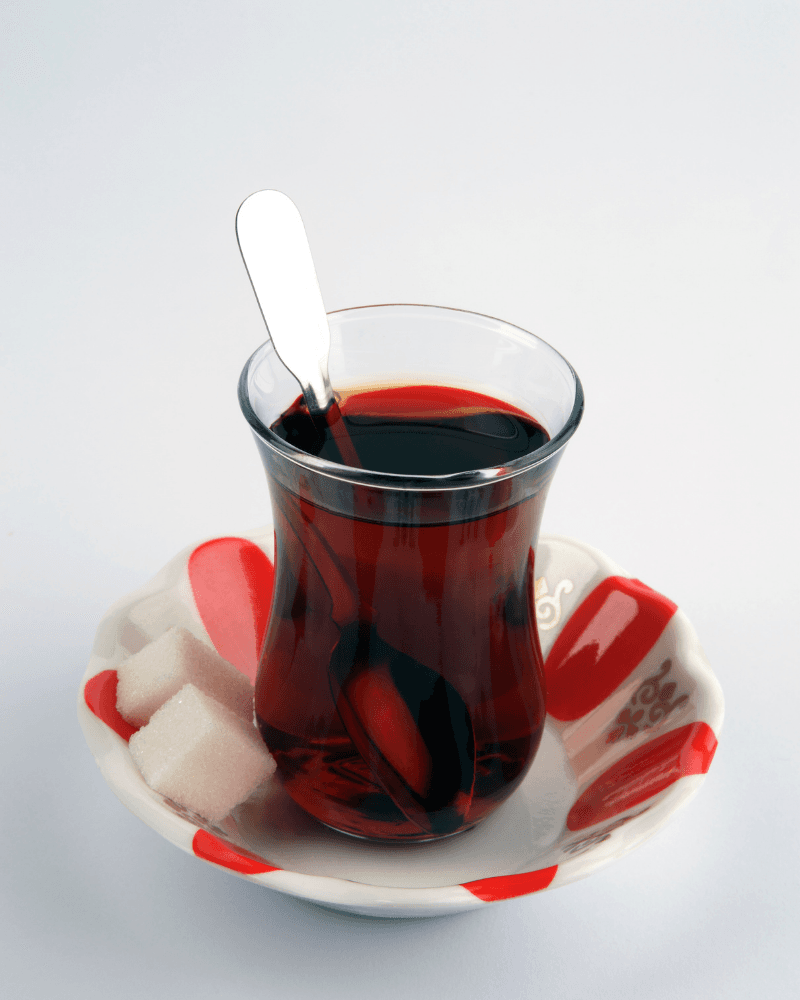
Turkish Tea is one of the most important parts of daily life and hospitality culture in Türkiye. It is traditionally served in small tulip-shaped glasses and brewed using a double teapot method. Black tea leaves grown in the Black Sea region are commonly used. It is enjoyed throughout the day, from breakfast to social gatherings.

Raki
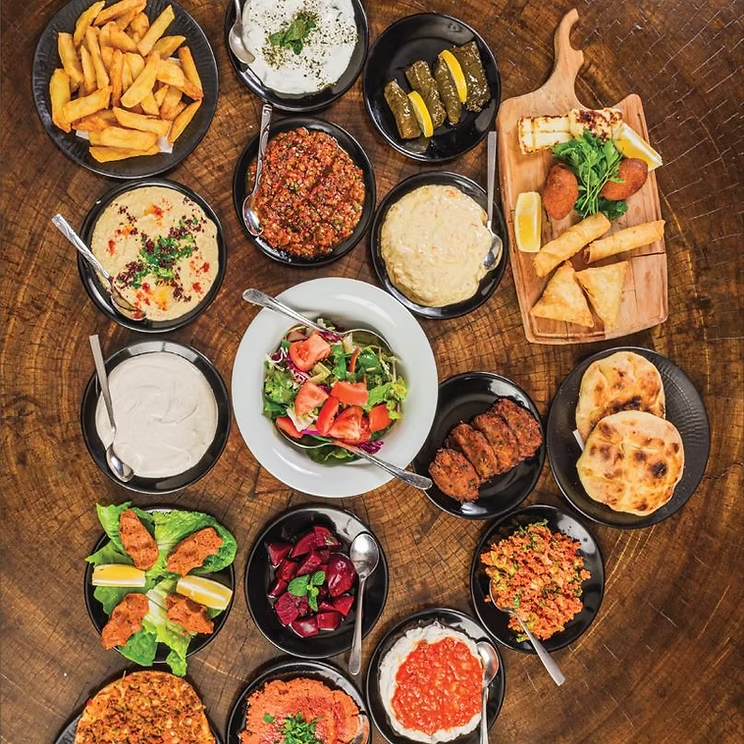
Raki is a traditional Turkish anise-flavored alcoholic drink. It is commonly mixed with water, which gives it a milky white appearance, earning it the nickname “lion’s milk.” It is typically enjoyed alongside meze dishes, seafood, cheese, and cold appetizers.

Turkish Coffee
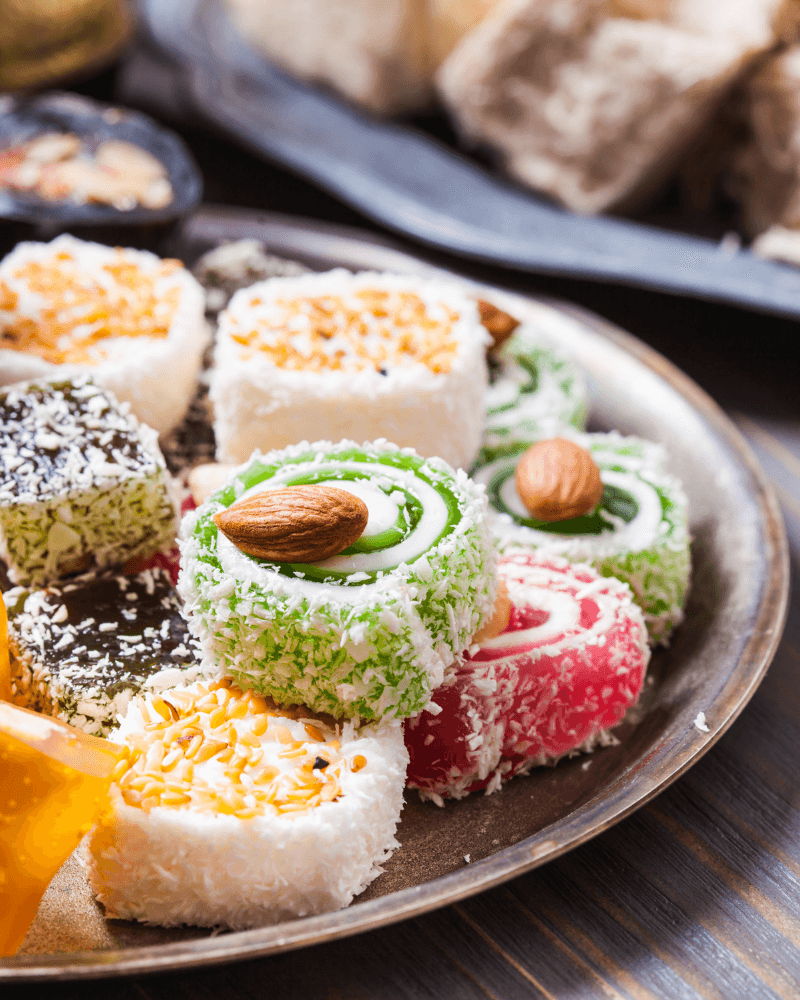
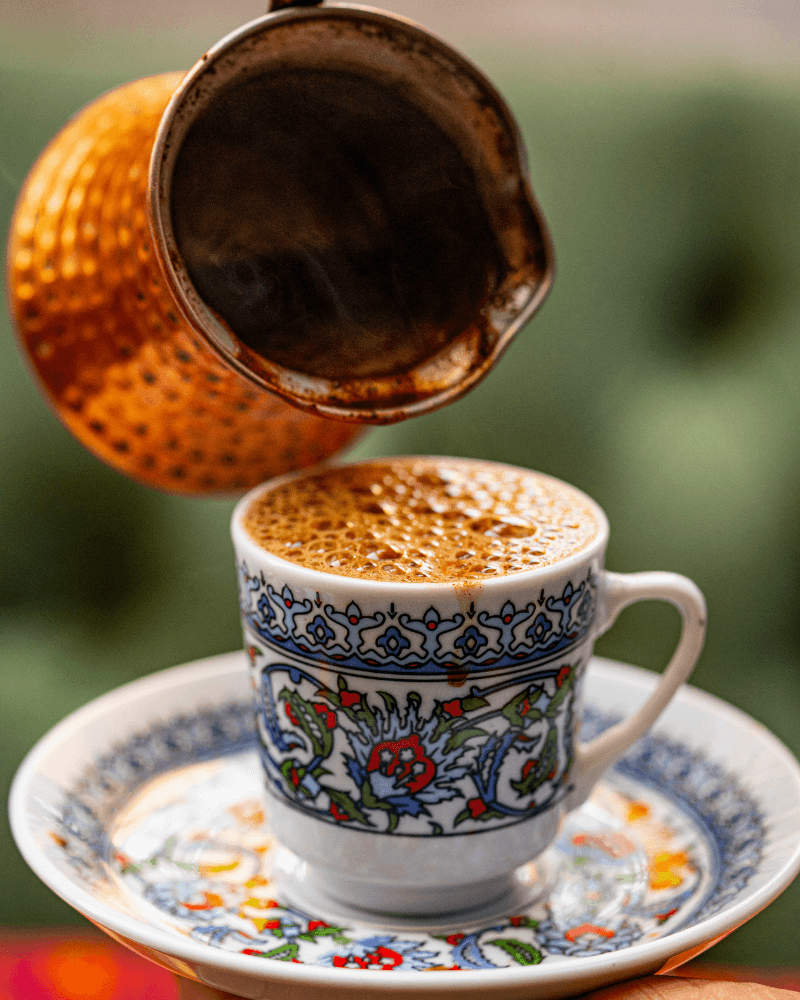
Turkish Coffee is a traditional coffee prepared by brewing finely ground coffee beans in a special pot called a cezve with water and optional sugar. It is known for its rich flavor, foamy texture, and coffee grounds that settle at the bottom of the cup. It is commonly served with Turkish delight or water.

Boza
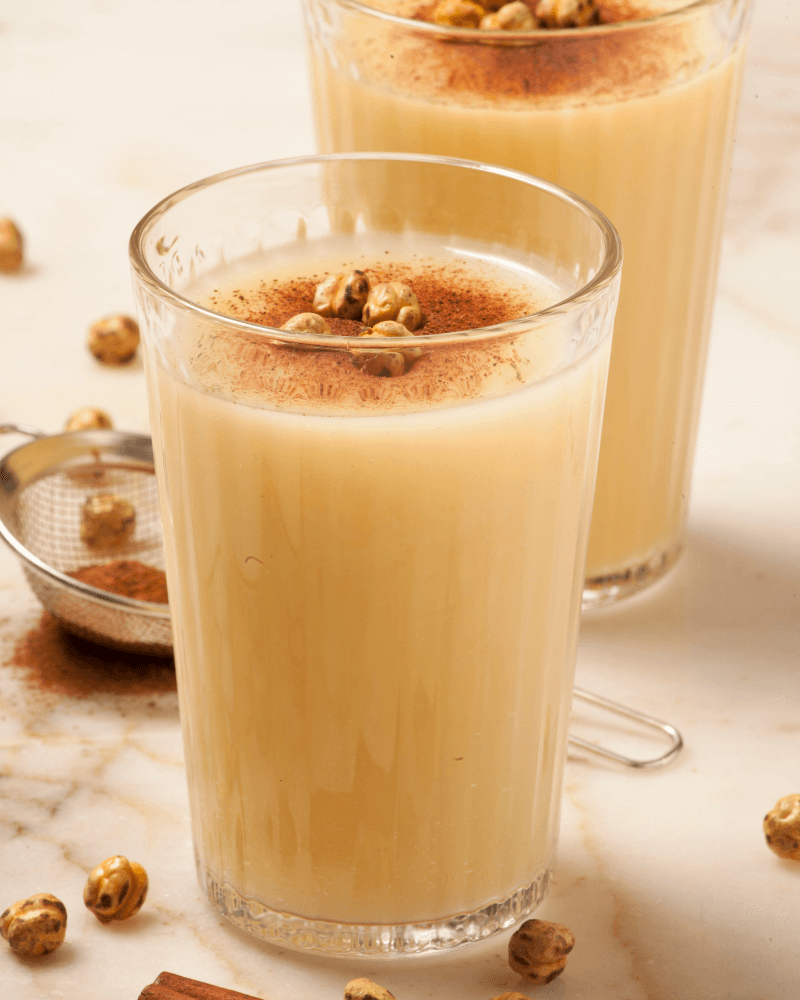
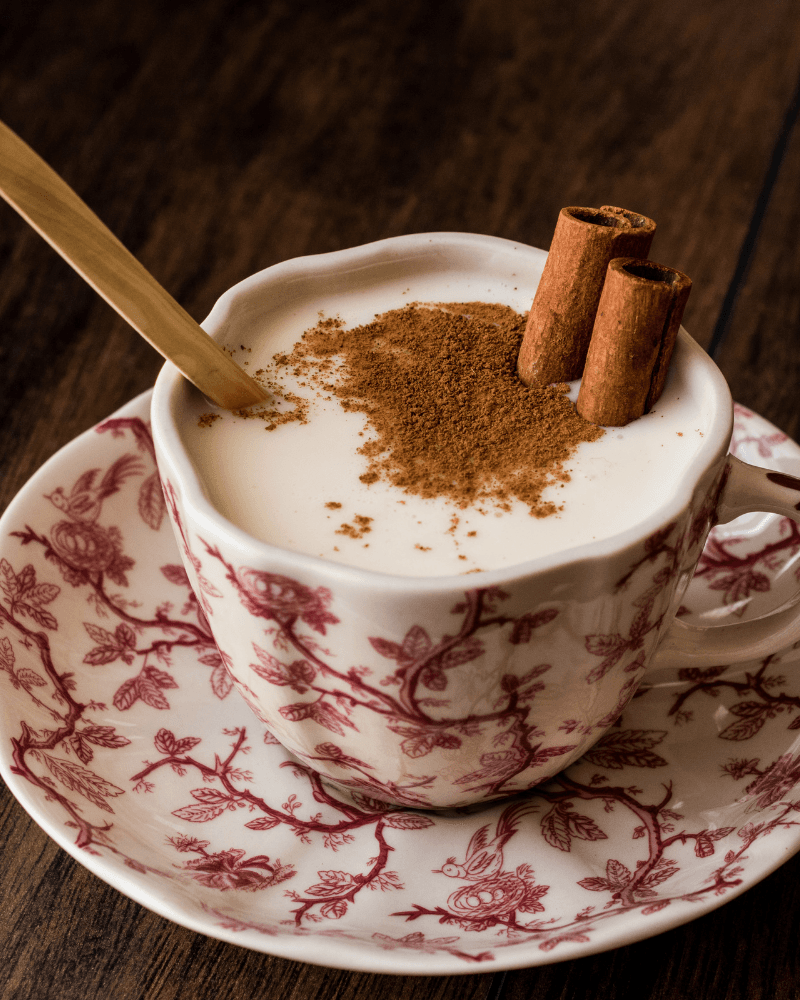
Boza is a traditional Turkish fermented beverage made from grains such as millet, bulgur, or corn. Known for its thick texture, slightly tangy flavor, and nutritious qualities, it is especially popular during the winter months. It is commonly served with cinnamon and roasted chickpeas. Dating back to the Ottoman era, boza remains an important part of Turkish street food culture.

Ayran
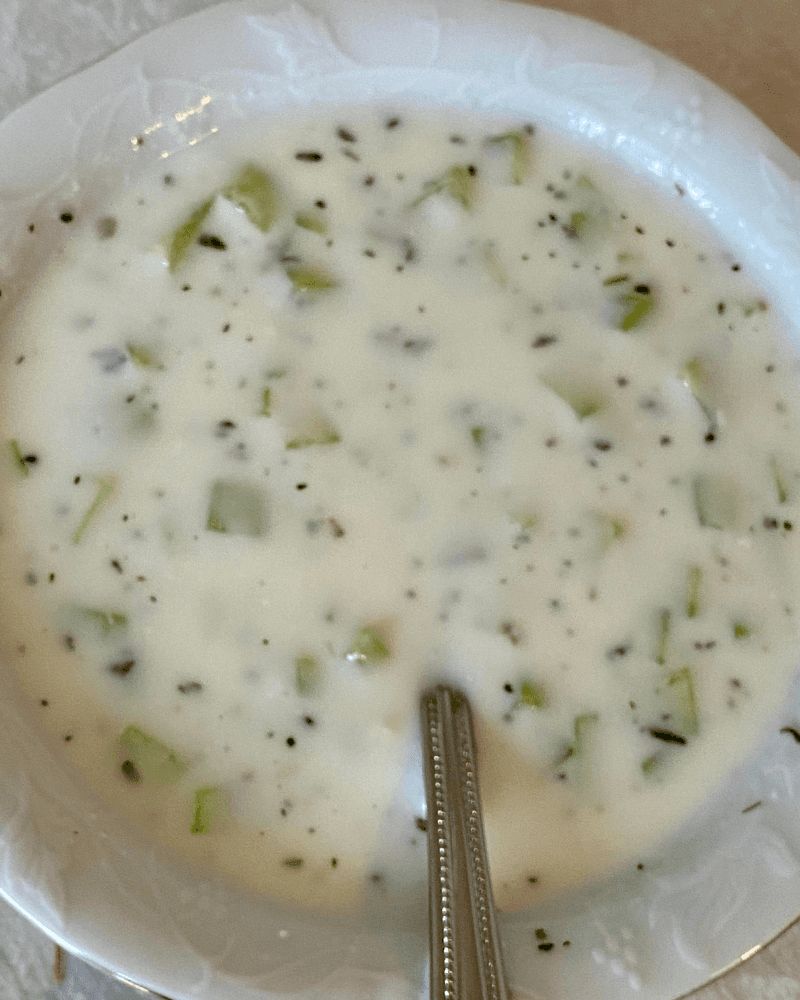
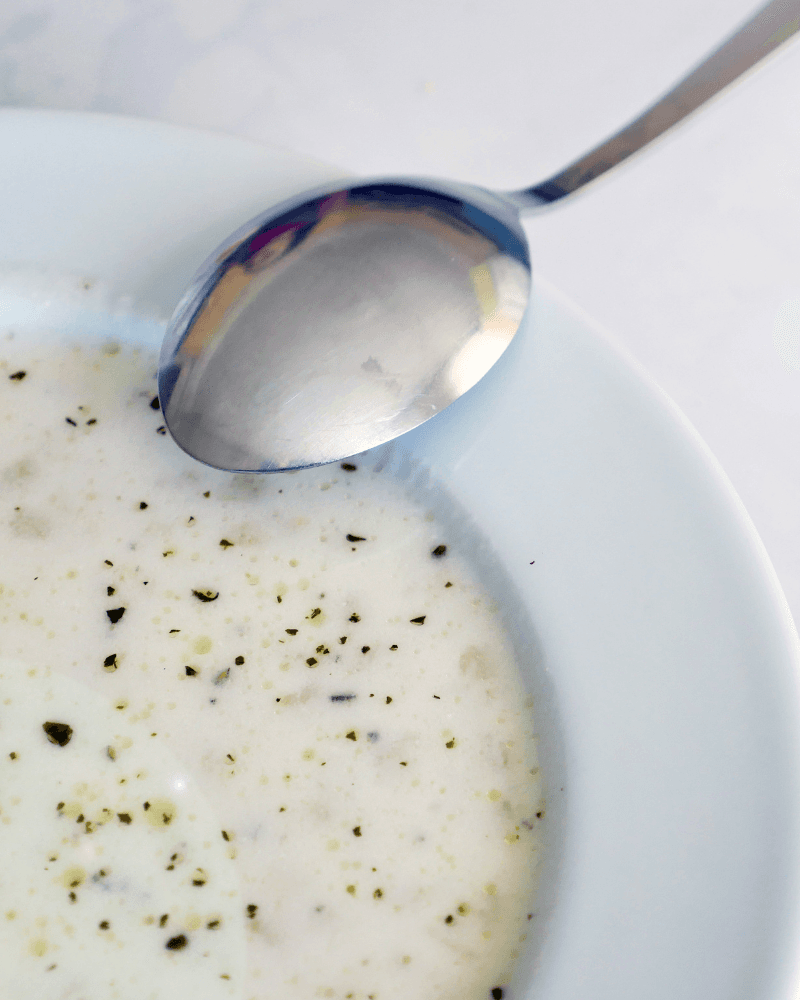
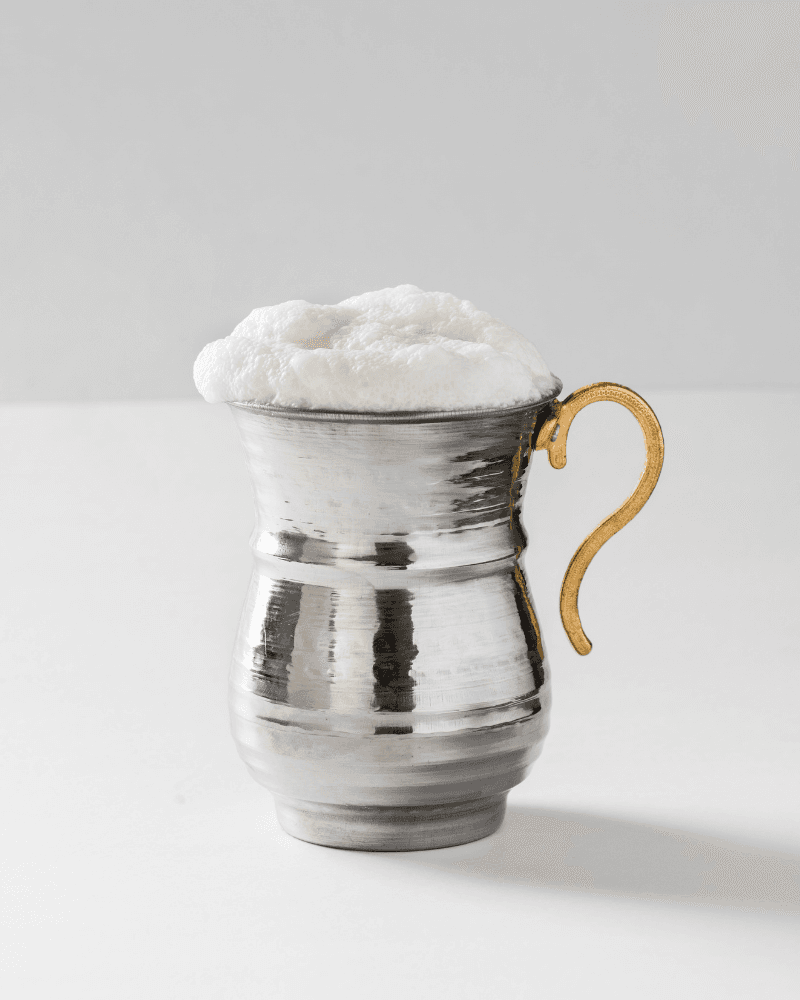
Ayran is a traditional Turkish drink made by mixing yogurt, water, and salt. Known for its refreshing taste, it is commonly served alongside kebabs, doner, and many other Turkish dishes. Originating from Central Asian Turkic culture, ayran is considered one of the most iconic and widely consumed beverages in Turkish cuisine.

Hosaf
Hosaf is a traditional Turkish drink and dessert made by boiling dried fruits with water and sugar. It is commonly prepared using dried apricots, raisins, plums, or figs. Originating from Ottoman cuisine, hosaf is often served alongside homemade meals and is especially popular during Ramadan.
Practical Info & Travel Guide
Transport
Türkiye has a well-developed transportation network. Intercity buses are widely available, and high-speed rail services connect several major cities. Urban transportation includes metro, tram, and bus systems, while domestic flights provide convenient access across the country.
Best Time
Spring and autumn are generally the most comfortable seasons for visiting Türkiye. Summer is ideal for coastal destinations, while inland areas can become quite hot. Winter is suitable for skiing and snow-covered landscapes.
Connectivity
Mobile internet and Wi-Fi access are widely available throughout Türkiye. High-speed connections are common in major cities and tourist destinations. Local SIM cards and eSIM options are available for visitors.
Emergency
Türkiye uses a unified emergency number system. Ambulance, police, fire, and other emergency services can all be reached by calling 112.
Visa & Entry
Visa requirements vary depending on nationality. Many travelers can enter visa-free or obtain an electronic visa. Visitors should always verify current entry requirements through official sources before traveling.
Money & Payment
The Turkish lira is the national currency. Credit and debit cards are widely accepted in cities and tourist areas, although carrying some cash is useful for smaller businesses and local markets. Türkiye is generally considered an affordable travel destination compared to many European countries.
Safety
Türkiye is generally considered a safe destination for travelers.Checking current travel advisories before departure is recommended.
Social Etiquette
Hospitality is an important part of Turkish culture. Polite greetings are appreciated, and modest clothing is recommended when visiting religious sites. Respect for local customs is generally well received.
Health & Hygiene
Healthcare services in Türkiye are well developed, with modern hospitals available in major cities. While tap water is generally treated, many visitors prefer bottled water for drinking.
Culture, Arts & Events
Cultural highlights, festivals, and experiences that reflect the soul of the country.
Cultural Highlights

Ebru Art
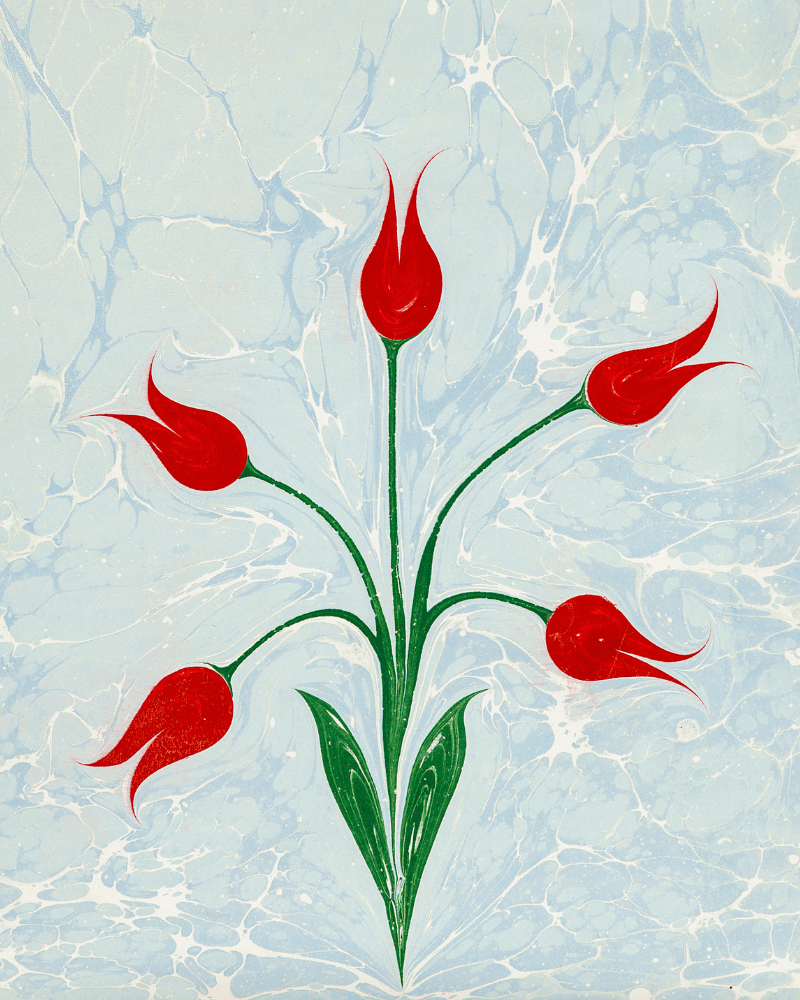
Ebru art is a traditional Turkish marbling art created by transferring colorful patterns floating on water onto paper. Dating back to the Ottoman era, this art form combines patience, craftsmanship, and creativity. Every piece is unique, and recreating the exact same pattern is nearly impossible.

Turkish Tile Art
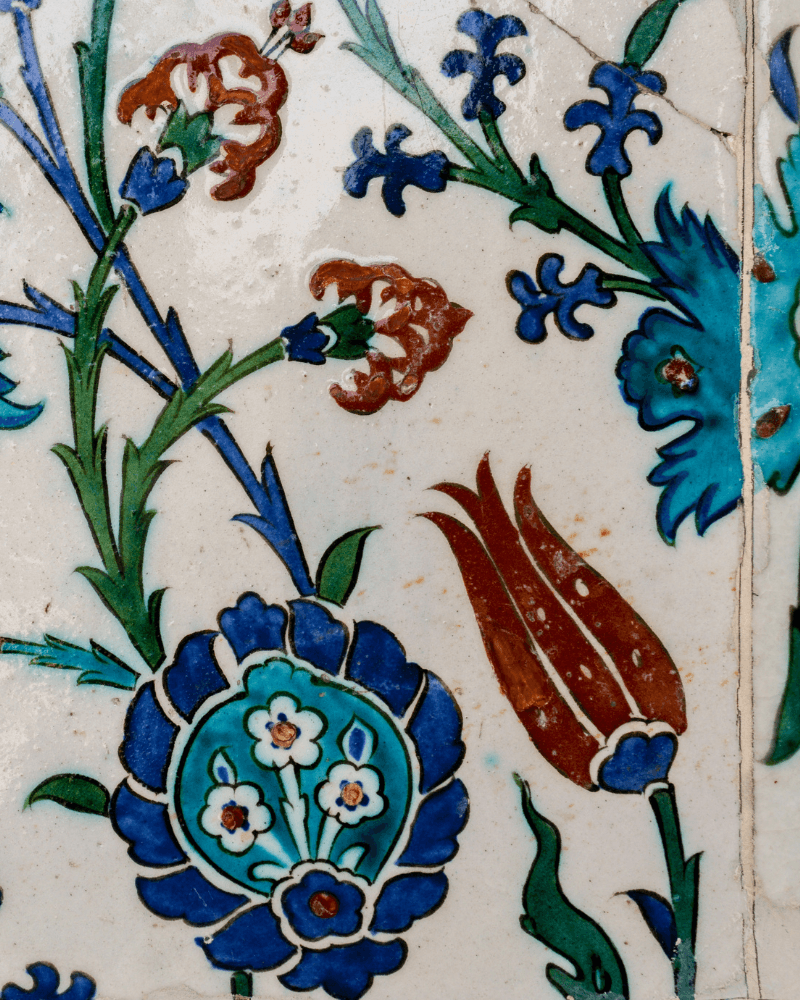
Turkish tile art is one of the most elegant decorative arts of Turkish-Islamic culture. It became especially prominent during the Ottoman era and is known for the handmade ceramic decorations used in mosques, palaces, and fountains. Featuring rich blue, turquoise, and red tones, these tiles combine geometric patterns, tulip motifs, and calligraphy to create a unique visual tradition. İznik and Kütahya are among Türkiye’s most important tile art centers.

Illumination Art
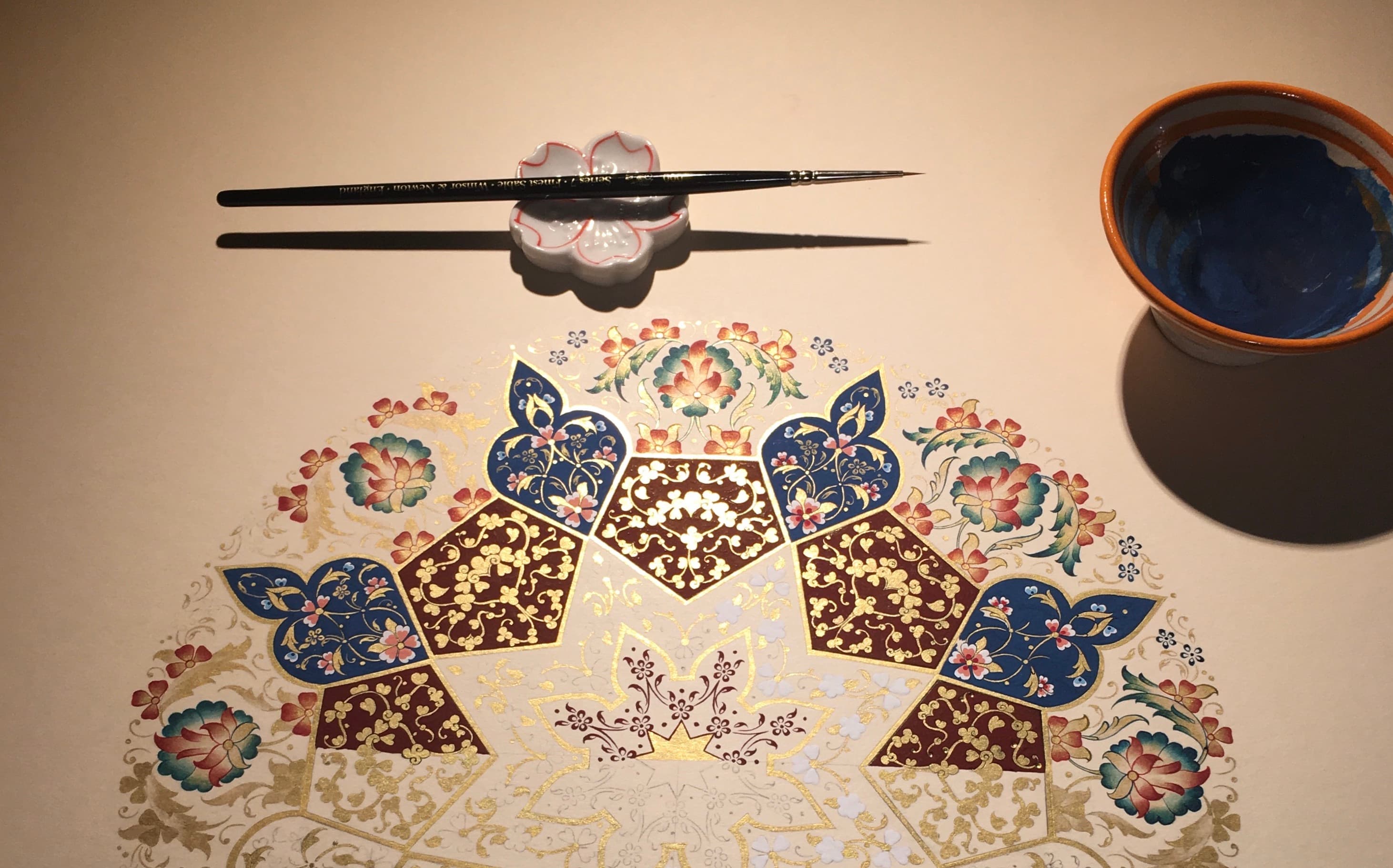
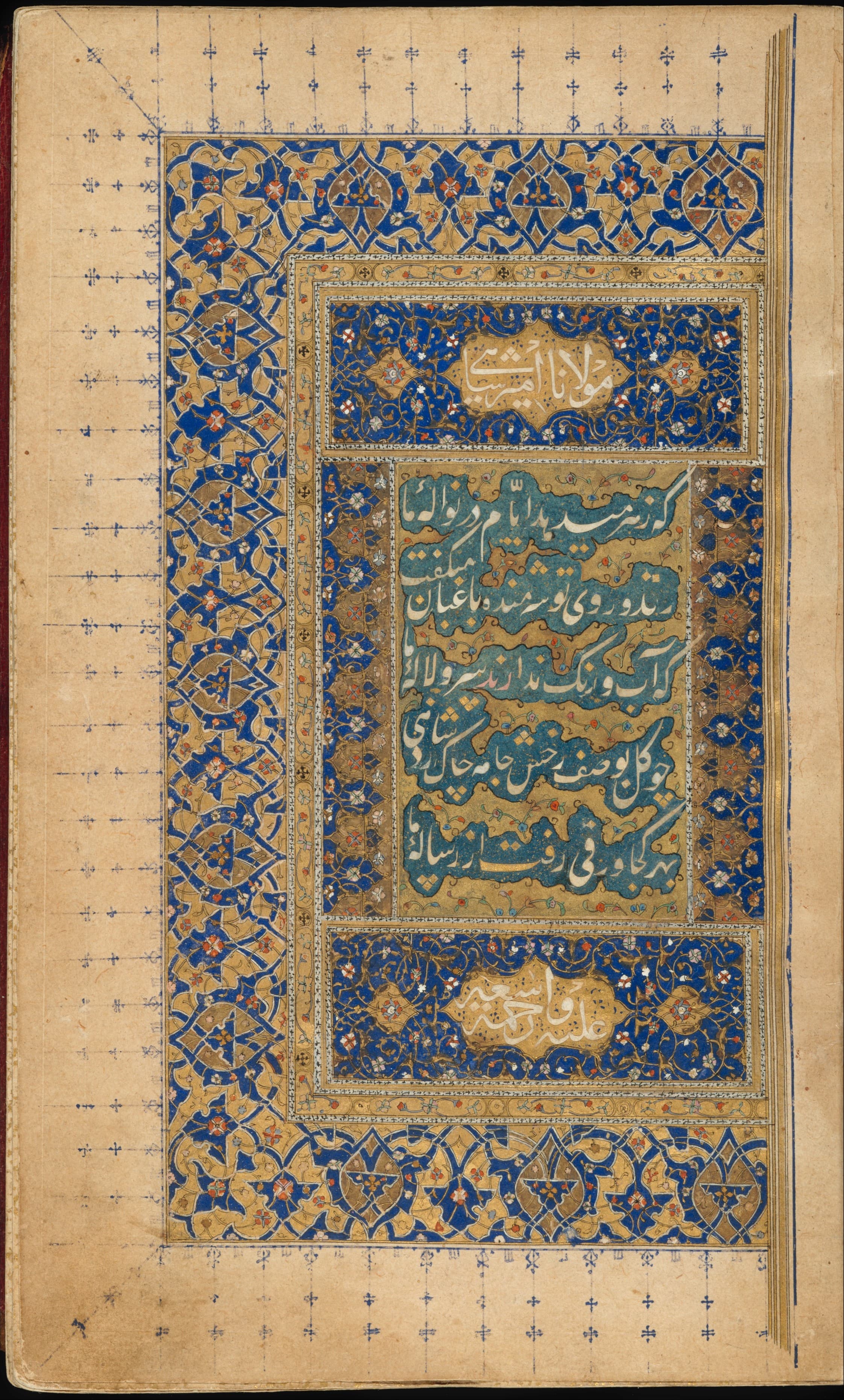
Illumination art is an elegant Ottoman art form based on decorating manuscripts and calligraphy works with gold embellishments. Featuring delicate motifs, floral patterns, and geometric details, illumination was widely used in Qur’ans, imperial decrees, and palace manuscripts. Requiring patience and exceptional craftsmanship, this art is considered one of the most valuable decorative traditions of Turkish-Islamic culture.

Calligraphy Art
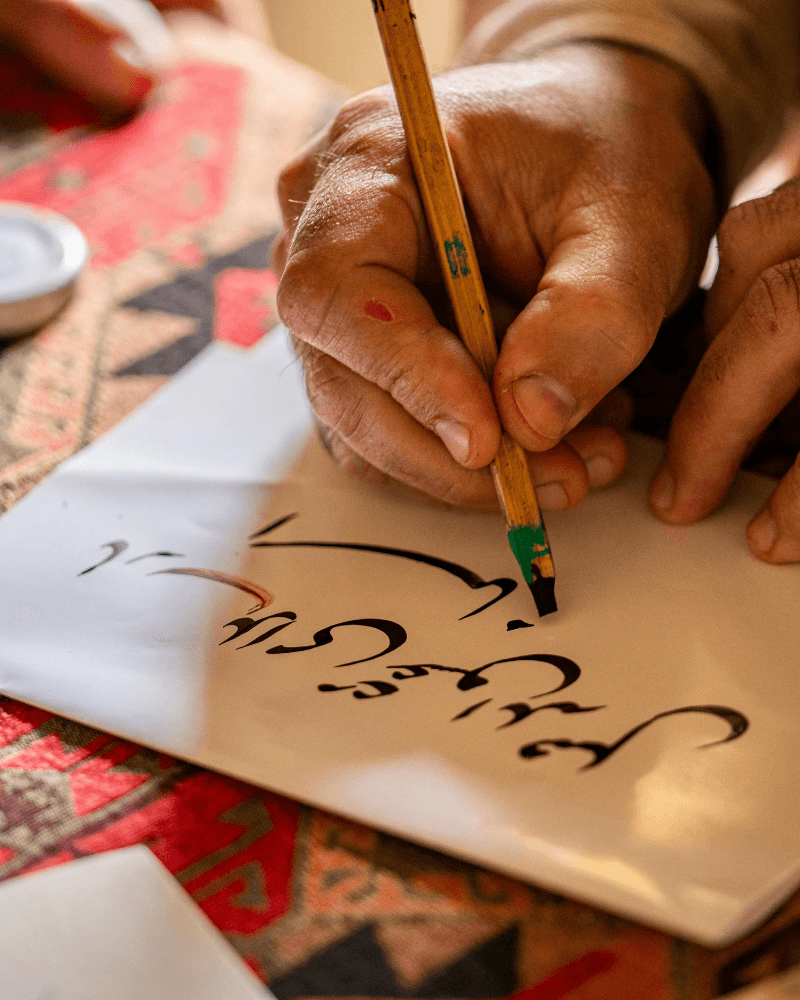
Calligraphy art is a traditional Turkish-Islamic art form based on the aesthetic writing of Arabic script. It flourished during the Ottoman era and was widely used in mosques, manuscripts, and palace decorations. Patience, balance, and mastery are essential elements of this art. Different script styles such as Thuluth, Naskh, and Ta’liq have remained an important part of cultural heritage for centuries.

Turkish Carpet and Kilim Weaving
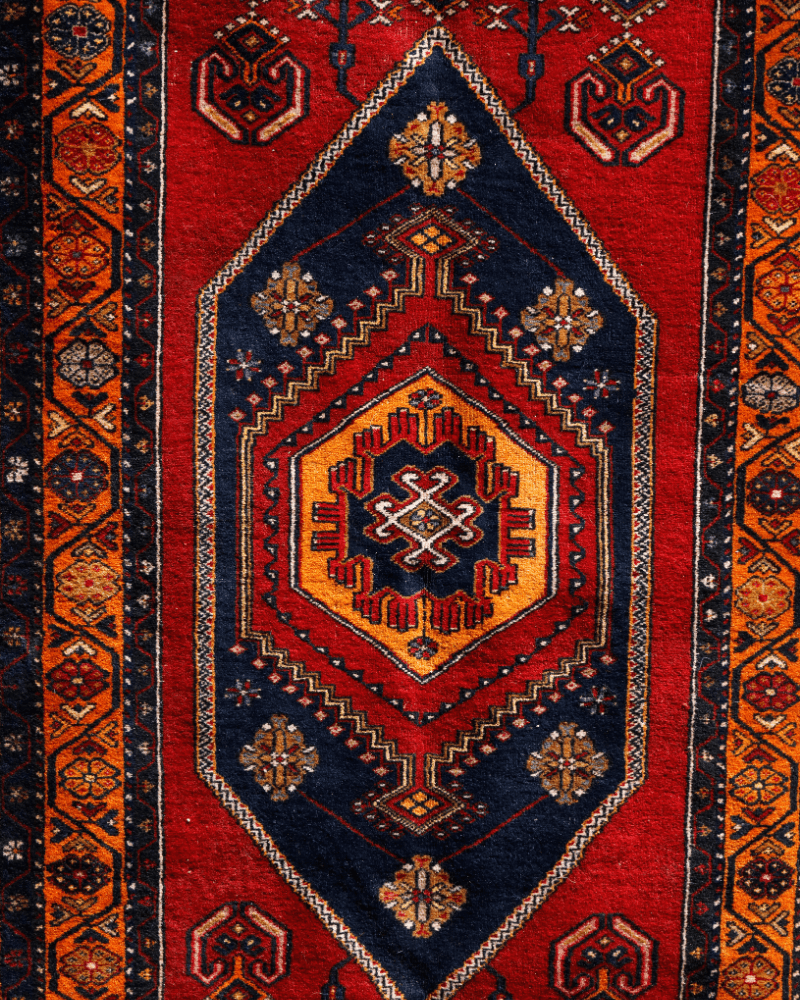
Turkish carpet and kilim weaving is a traditional handicraft that has been an important part of Anatolian culture for centuries. Handwoven on traditional looms, carpets and kilims are known for their geometric motifs, natural symbols, and regional patterns. Each motif represents a different story, emotion, or way of life. Regions such as Hereke, Uşak, Konya, and many parts of Anatolia are internationally recognized for their weaving traditions.

Copper Craftsmanship
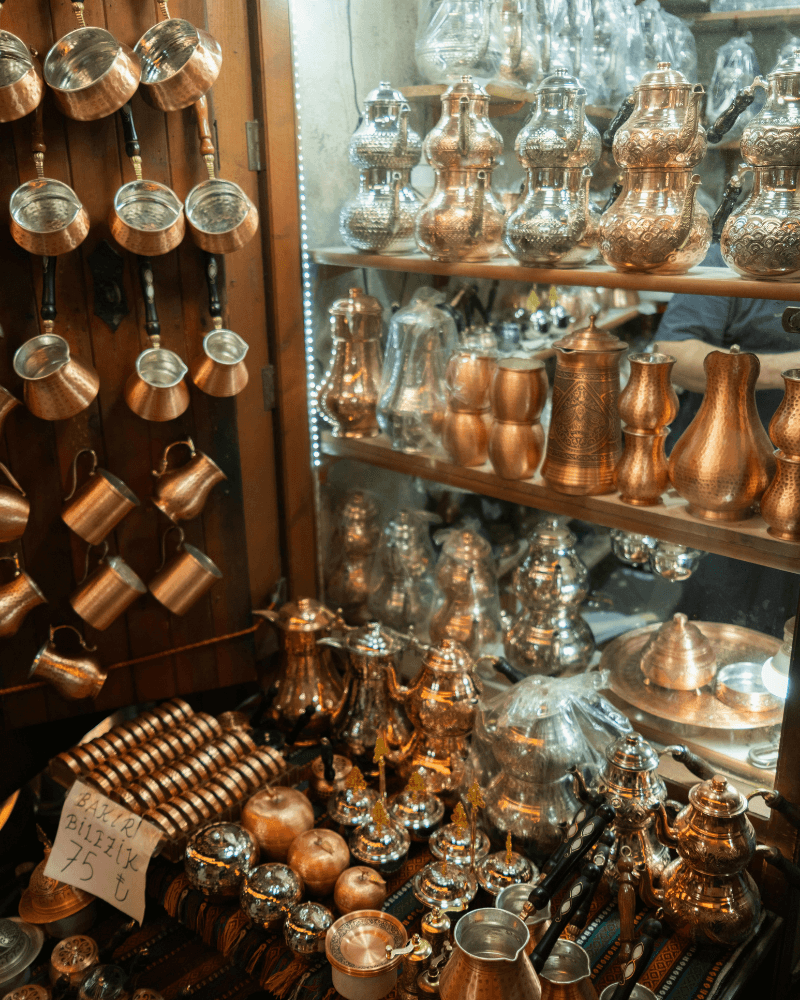
Copper craftsmanship is one of Anatolia’s long-standing traditional handicrafts. Handmade copper products are created for kitchenware, decorative items, and everyday use. Cities such as Gaziantep, Mardin, and Kahramanmaraş are especially known for their finely crafted copperwork. Shaped through detailed hammering techniques, this art reflects Türkiye’s rich artisan heritage.

Wood Carving Art
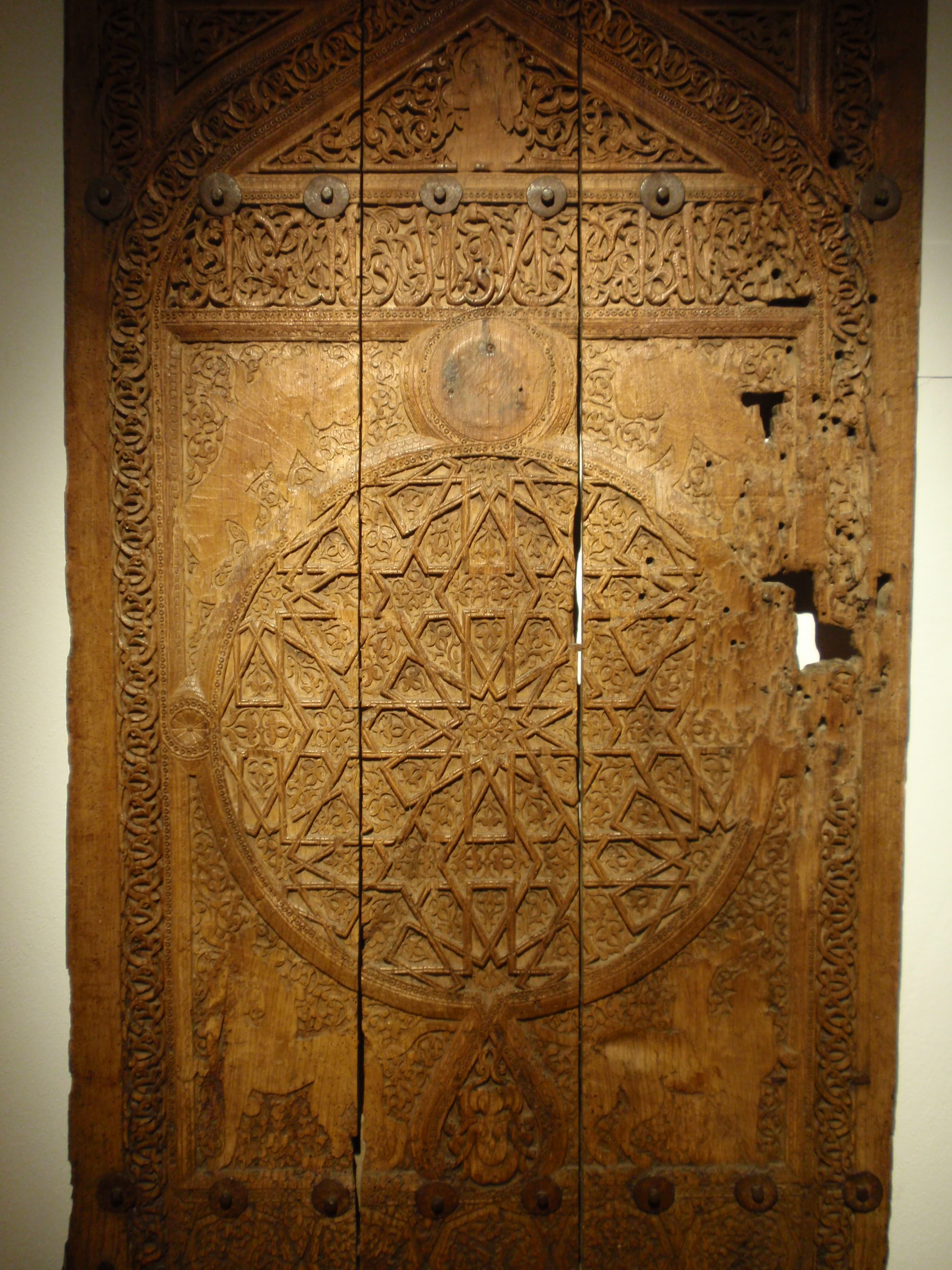
Wood carving art is a deeply rooted handicraft used in Anatolia for everything from mosque architecture to home decoration. Skilled artisans shape wood with intricate craftsmanship, creating geometric patterns, floral motifs, and traditional ornaments. The art flourished during the Seljuk and Ottoman periods and can be seen in doors, ceilings, pulpits, and furniture. Today, it continues to survive through traditional craftsmanship in many regions of Türkiye.

Glass Blowing Art
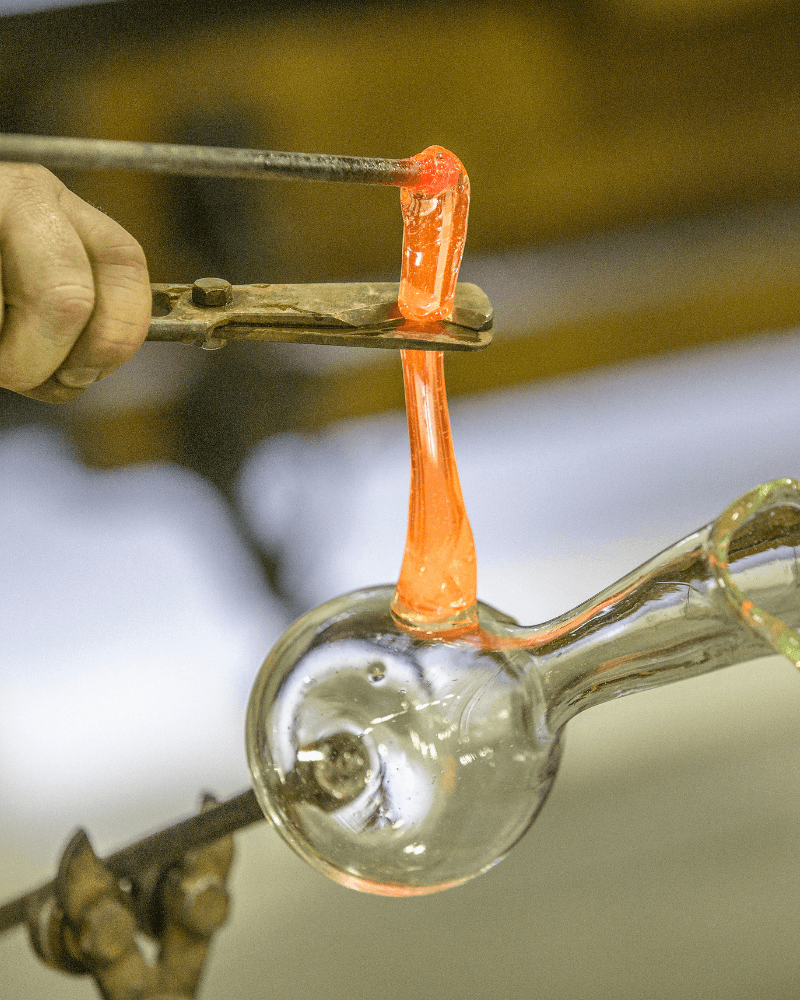
Glass blowing art is a traditional craft created by shaping molten glass through skilled handwork. Dating back from the Ottoman era to the present day, this art can be seen in decorative objects, lamps, evil eye ornaments, and everyday items. Requiring precision and craftsmanship, glass blowing makes each piece unique. It is still preserved today in traditional workshops, especially in Istanbul and various regions of Anatolia.

Pottery of Avanos
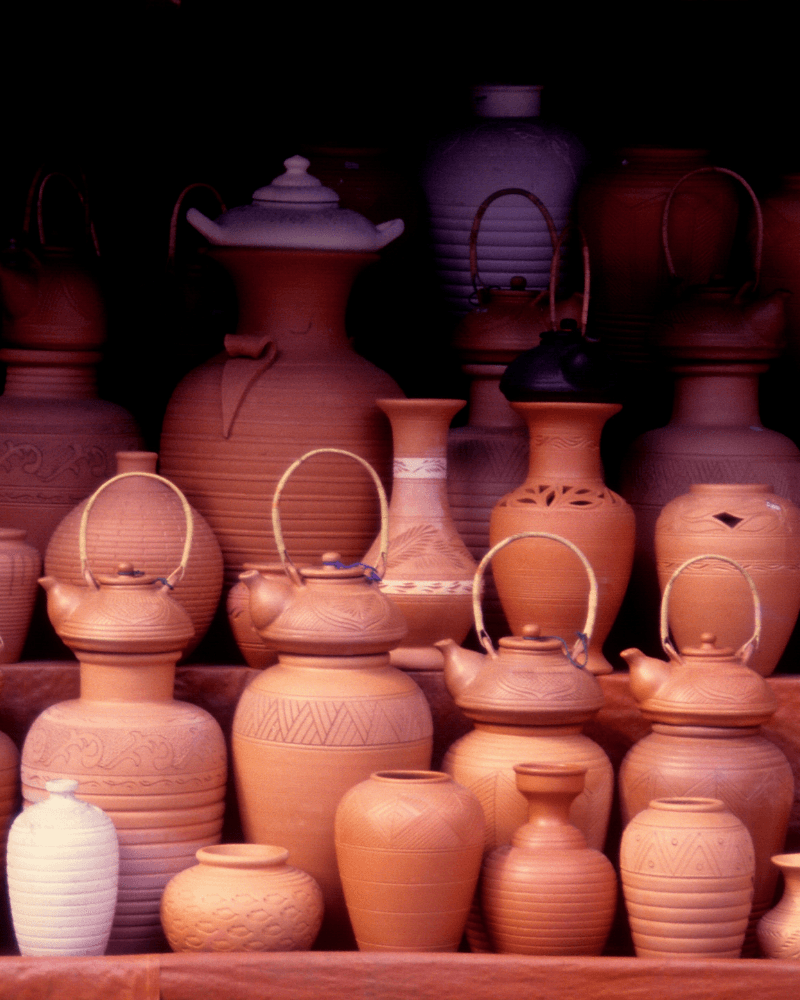
Pottery in Avanos is one of the oldest handicraft traditions in the Cappadocia region. Using the unique red clay collected from the Kızılırmak River, artisans shape pottery on traditional spinning wheels. Passed down from master to apprentice for generations, this craft includes decorative and practical items ranging from bowls to jugs. Workshops in Avanos also offer visitors the chance to experience pottery making firsthand.

Filigree Art
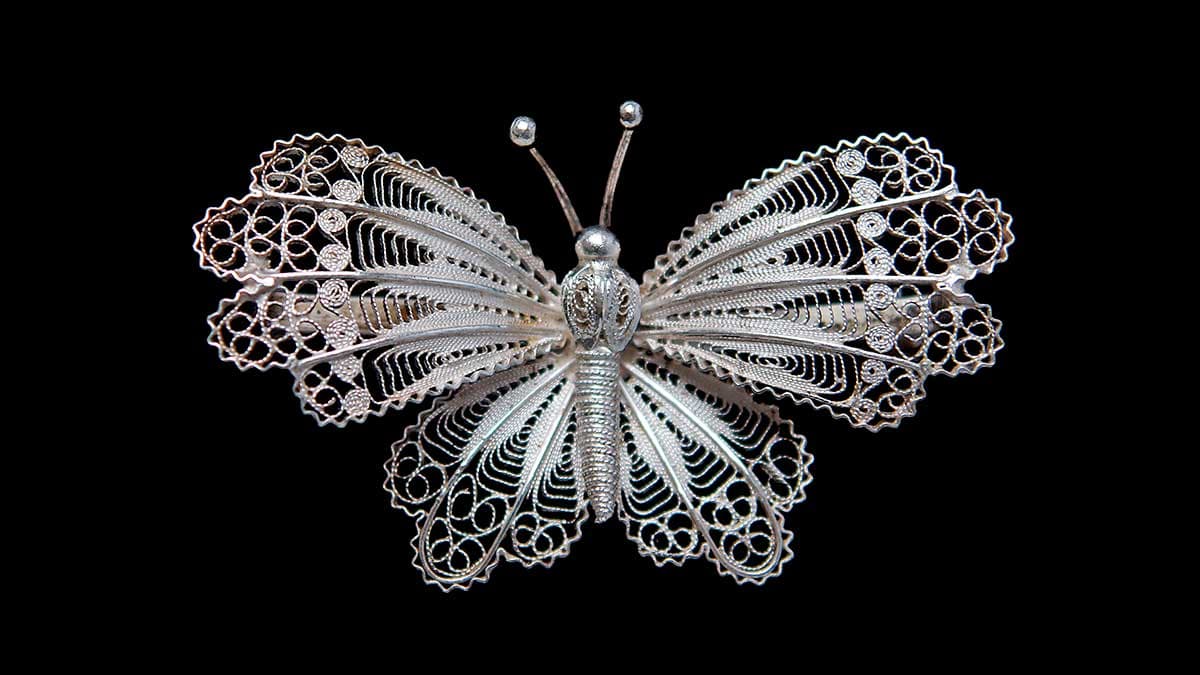
Filigree art is a traditional Anatolian craft created by shaping delicate silver wires into intricate decorative patterns. Especially prominent in the Mardin and Midyat regions, this art is used in jewelry, ornaments, and decorative objects. Requiring exceptional patience and craftsmanship, filigree reflects the cultural influences of both Ottoman and Mesopotamian traditions.

Kütahya Ceramics
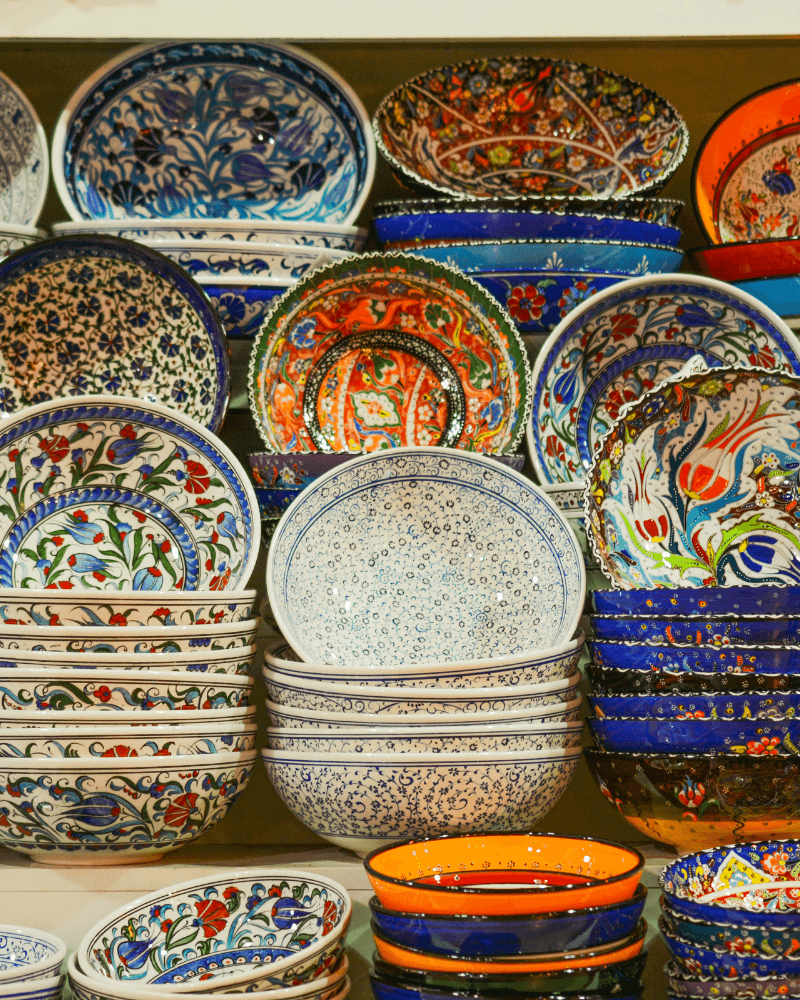
Kütahya ceramics represent a long-standing tradition of pottery and tile craftsmanship dating back to the Ottoman era. Featuring vibrant colors, floral motifs, and detailed handcraftsmanship, these works appear in decorative items ranging from plates to vases. Kütahya has been recognized for centuries as one of Türkiye’s most important ceramic production centers, where traditional techniques are still preserved today.

Mother-of-Pearl Inlay Art
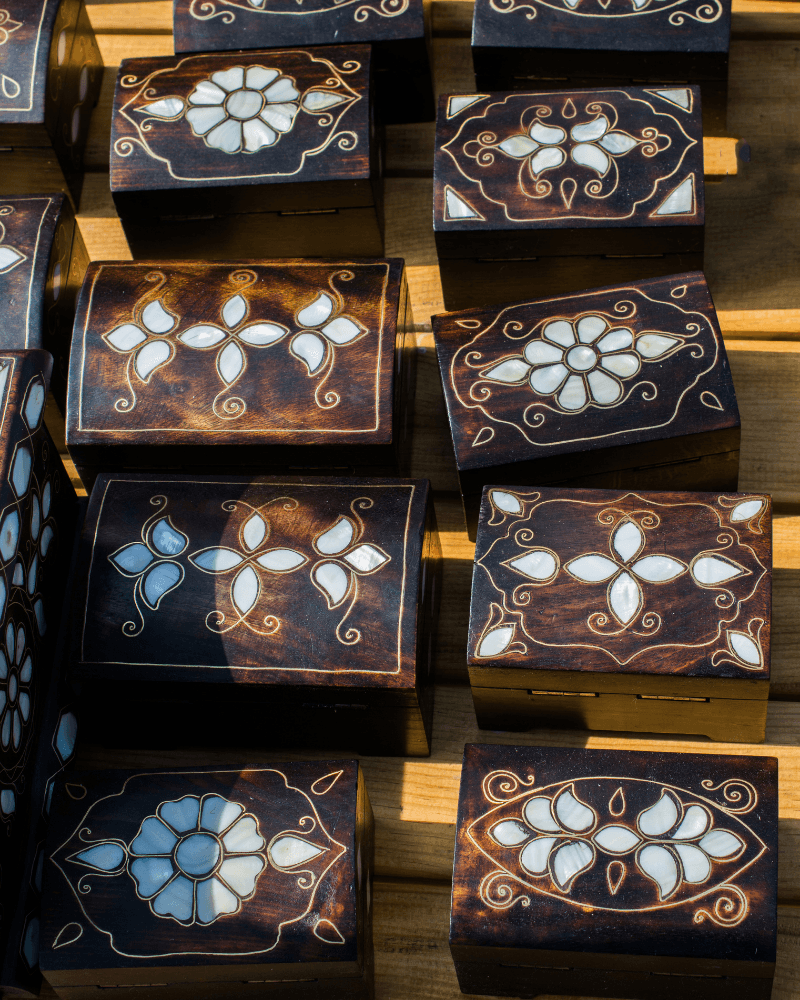
Mother-of-pearl inlay art is a traditional craft based on decorating wooden surfaces with mother-of-pearl, ivory, and other ornamental materials. During the Ottoman era, it was widely used in furniture, chests, Qur’an stands, and musical instruments. Requiring delicate craftsmanship and precision, this art is known for its geometric patterns and elegant motifs. It continues to survive today in traditional workshops, especially in Gaziantep and other parts of Türkiye.

Miniature Art
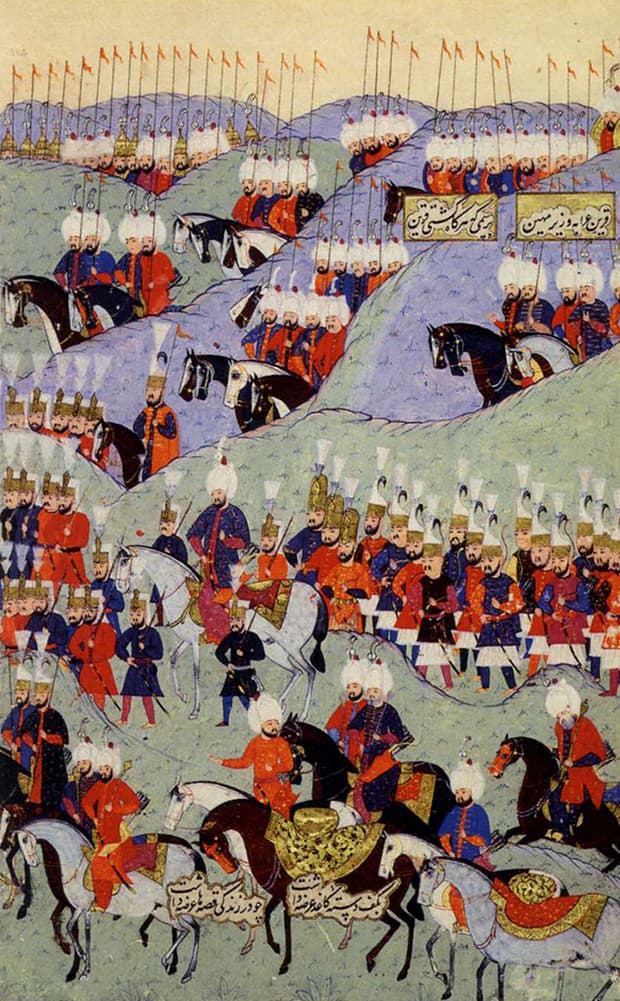
Miniature art is a traditional Turkish-Islamic art form that illustrates historical events, palace life, battles, and everyday scenes through highly detailed paintings. Flourishing during the Ottoman era as decoration for manuscripts, this art focuses more on storytelling and intricate detail than on perspective. Vibrant colors, delicate craftsmanship, and rich compositions are among the defining characteristics of miniature art.

Felt Making
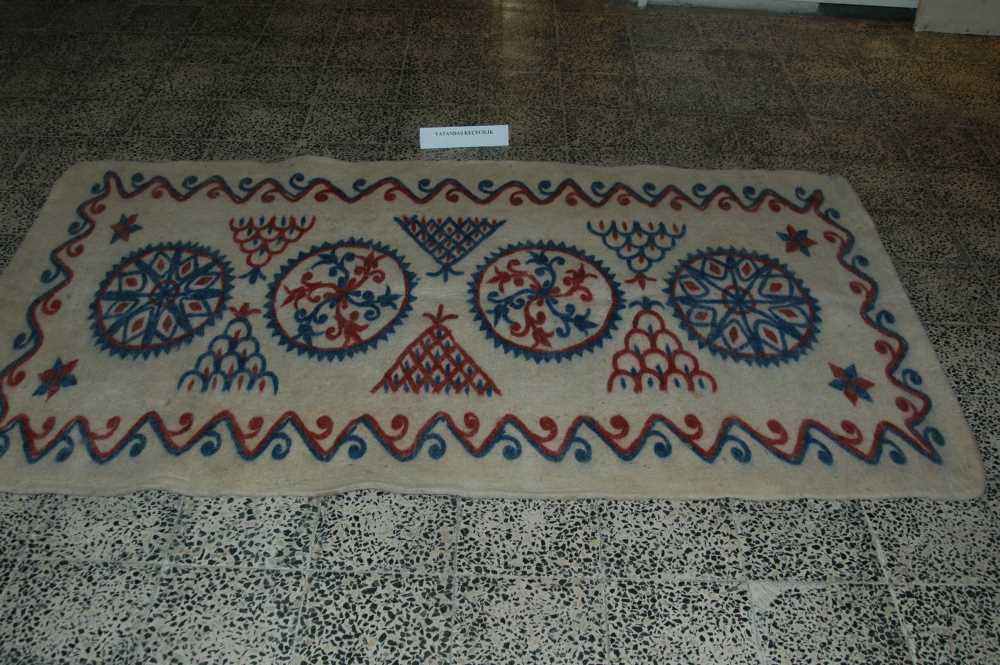
Felt making is a traditional Turkish handicraft created by compressing wool with water, soap, and pressure. Originating from Central Asia and carried into Anatolia, this craft has been used for centuries in tents, clothing, rugs, and decorative items. Especially significant in Mevlevi culture, felt making stands out for its use of natural materials and handcrafted production techniques.

Yemeni Shoemaking
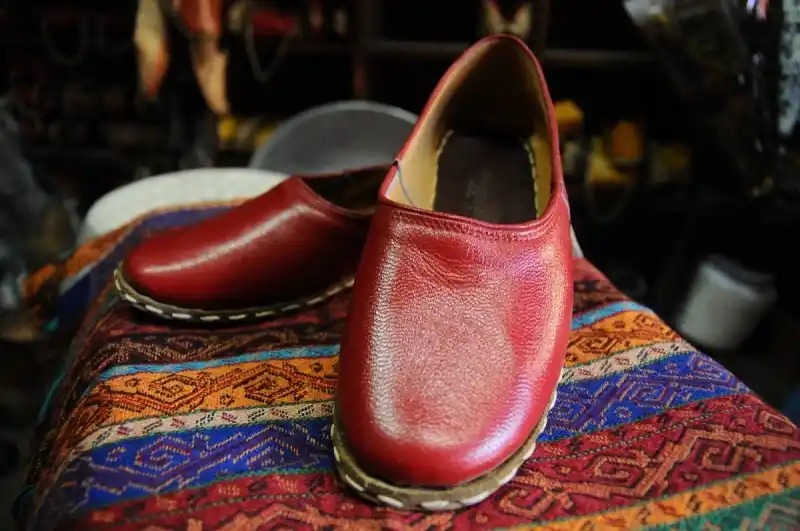
Yemeni shoemaking is a traditional Anatolian craft that produces handmade shoes using entirely natural leather materials. Known for being lightweight, flexible, and durable, Yemeni shoes have been crafted for centuries, especially in and around Gaziantep. Made without chemical processing, these shoes are considered an important part of traditional craftsmanship and cultural heritage in Türkiye.

Yeşilçam Cinema
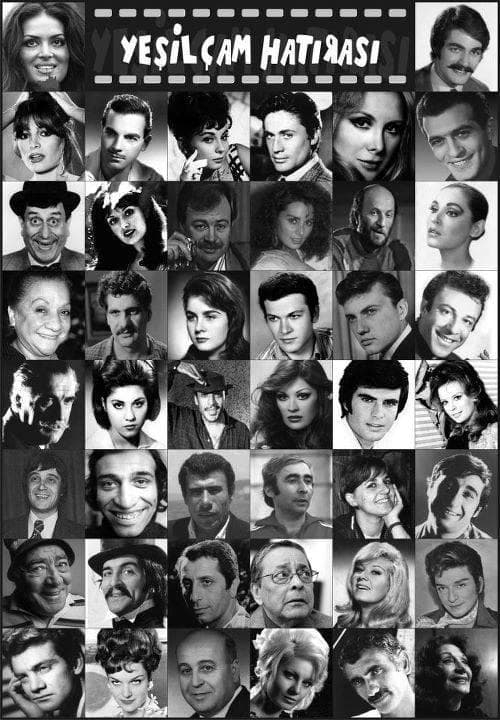
Yeşilçam is the symbol of the golden age of Turkish cinema. From the 1950s to the 1980s, thousands of films were produced, bringing romance, drama, comedy, and social stories to wide audiences. Legendary actors such as Türkan Şoray, Kemal Sunal, Cüneyt Arkın, and Kadir İnanır became iconic figures of the Yeşilçam era. Reflecting Turkish culture and everyday life, Yeşilçam films continue to hold an important place in Türkiye’s cultural memory today.

Divan Literature
Divan literature is the classical tradition of Turkish literature that developed around Ottoman court culture. Primarily centered on poetry, it explores themes such as love, nature, mysticism, and the human soul through an elegant literary style. Aruz meter, rich metaphors, and ornate language are among the defining characteristics of Divan literature. Poets such as Fuzûlî, Bâkî, and Nedim are regarded as some of its most important representatives.

Âşık Veysel
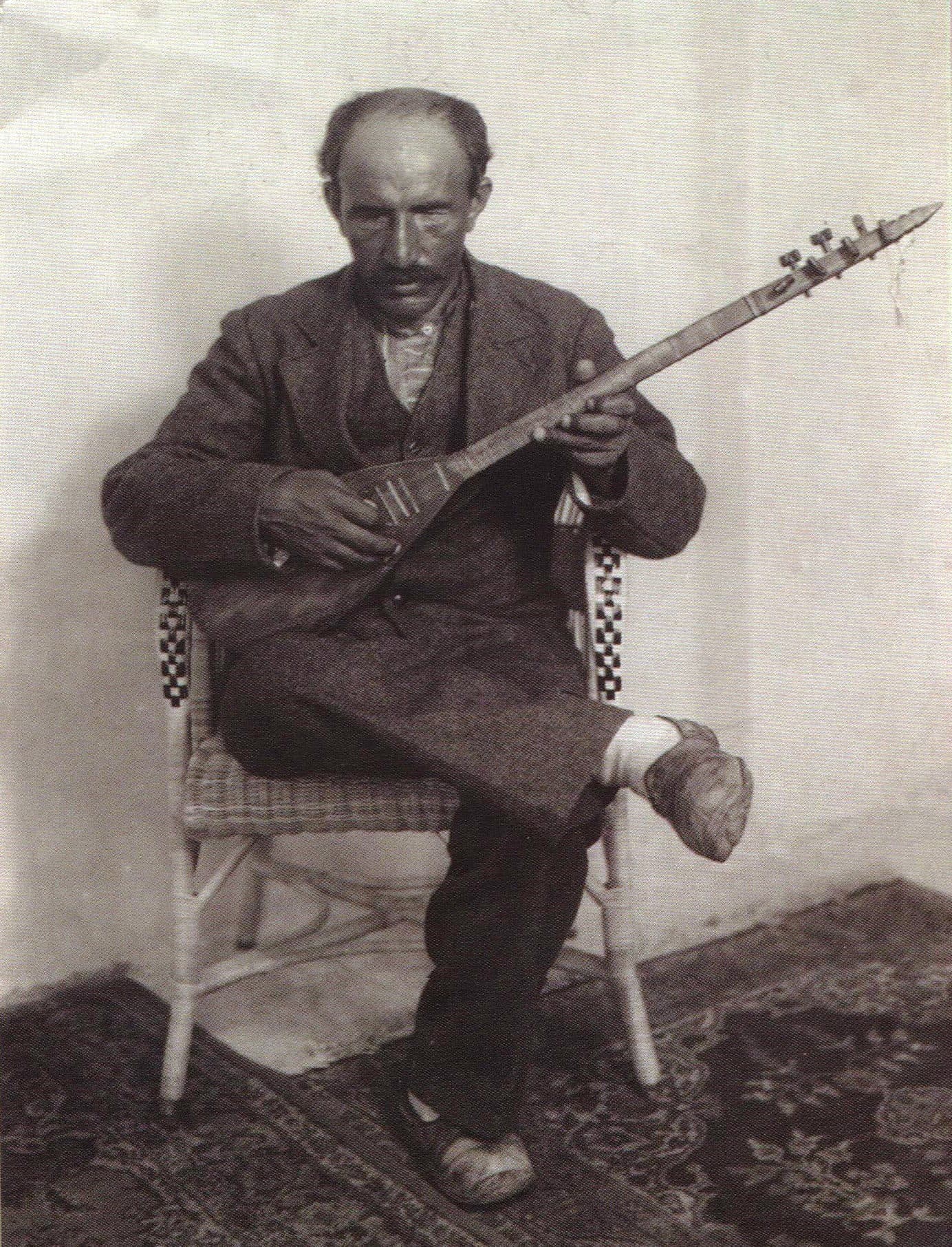
Âşık Veysel is one of the most important figures of Turkish folk literature and the minstrel tradition. Accompanying himself with the saz, he explored themes such as humanity, nature, unity, life, and Anatolian culture in his poetry and songs. Works like “Uzun İnce Bir Yoldayım” hold a special place in Türkiye’s cultural memory. With his simple language and profound storytelling, Âşık Veysel is regarded as an iconic symbol of Turkish folk poetry.

Nazım Hikmet
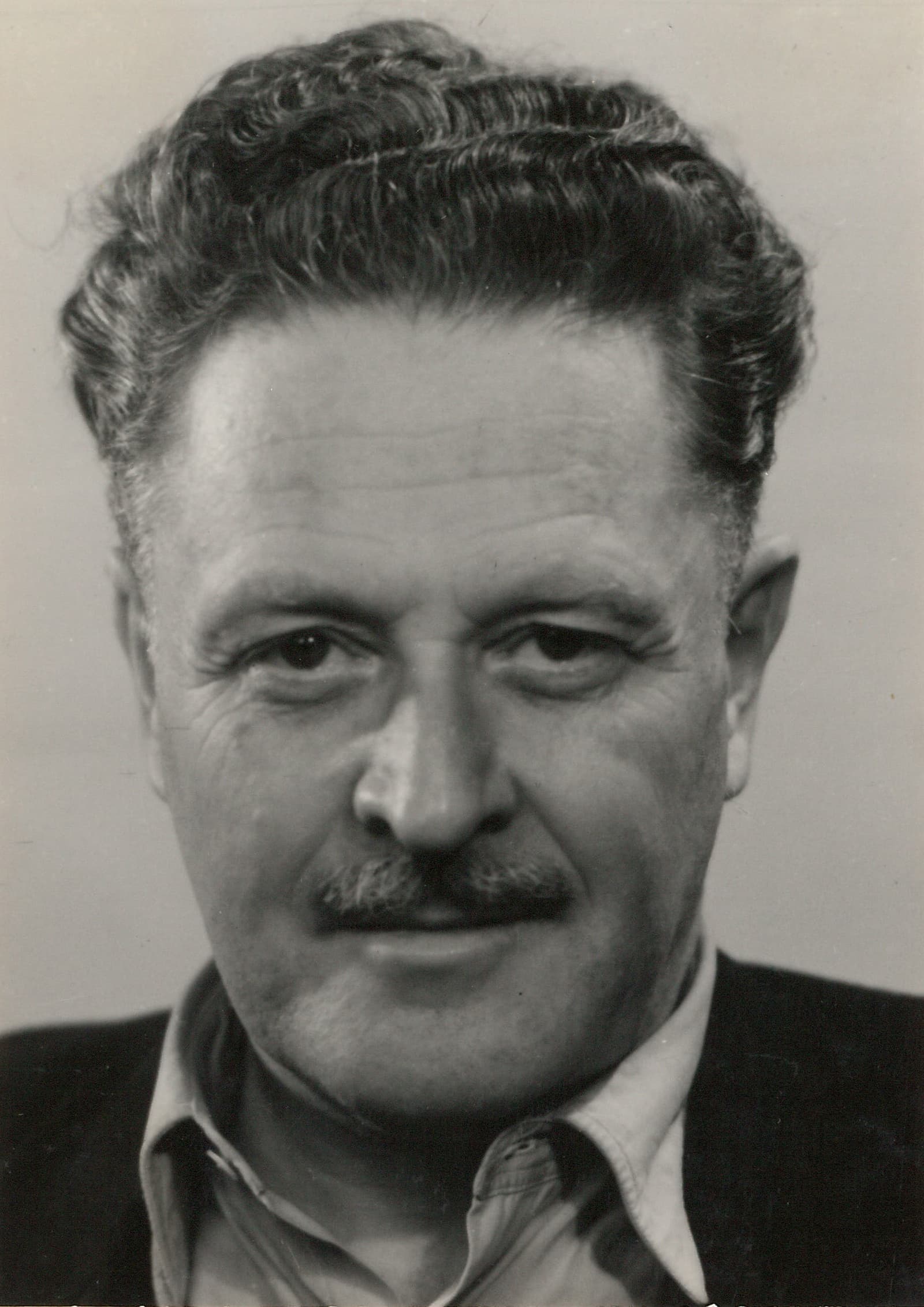
Nâzım Hikmet is one of the most influential and internationally recognized poets of modern Turkish literature. Known for pioneering free verse in Turkish poetry, he explored themes such as freedom, humanity, hope, and social life in his works. “Human Landscapes from My Country” and “The Epic of the War of Independence” are among his most famous works. His poetry has been translated into many languages and holds an important place in world literature.

Yaşar Kemal
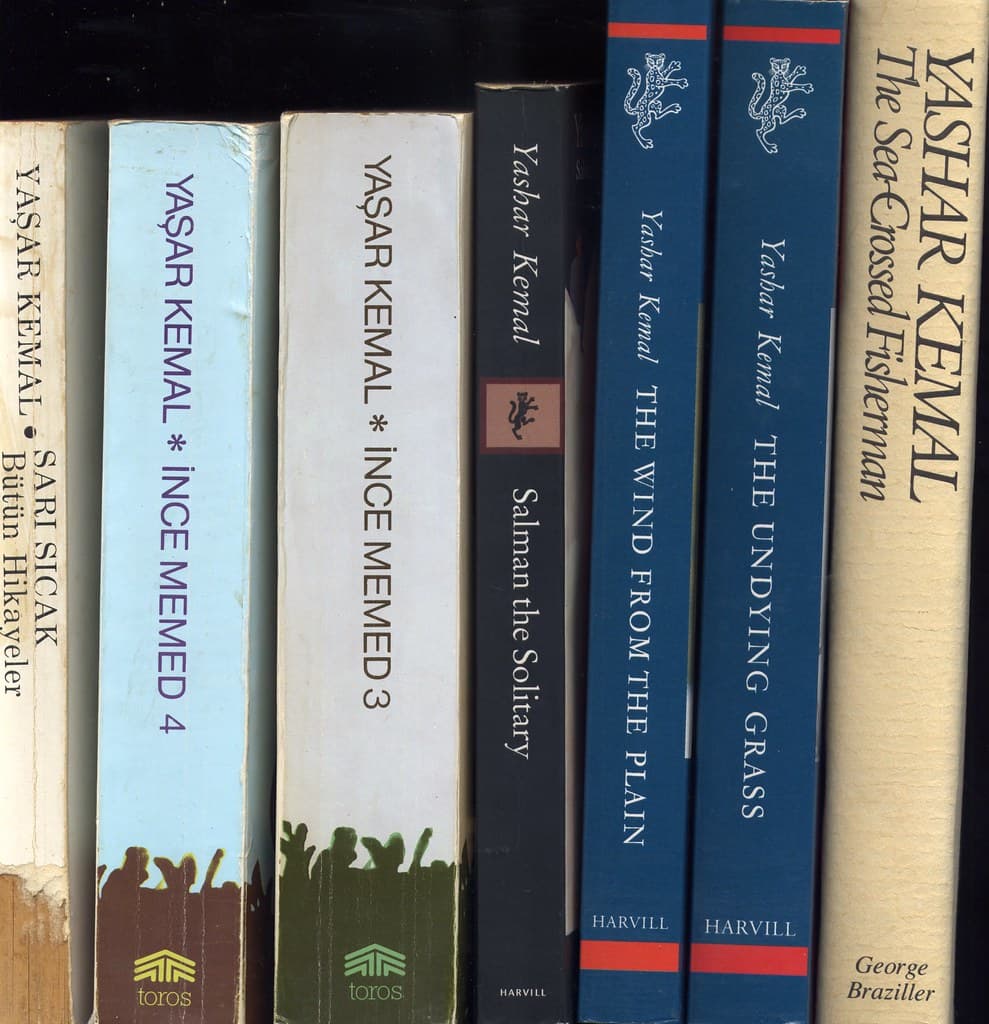
Yaşar Kemal is one of Türkiye’s most celebrated novelists, known for introducing Anatolian life, nature, and social struggles to the world through powerful storytelling. In his works, especially those set in the Çukurova region, he explored village life, justice, poverty, and the relationship between humans and nature with an epic narrative style. “İnce Memed” is considered one of the most important novels in Turkish literature. His works have been translated into many languages and gained international recognition.

Sufi Literature
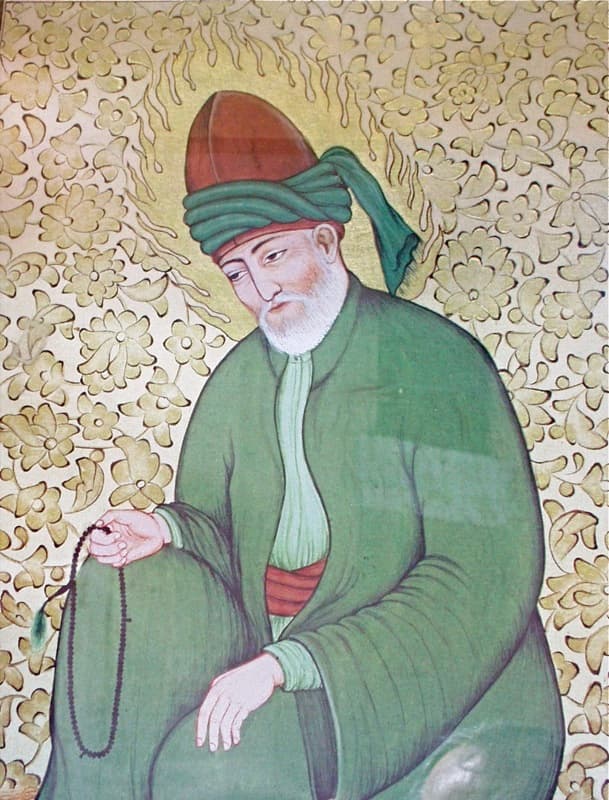
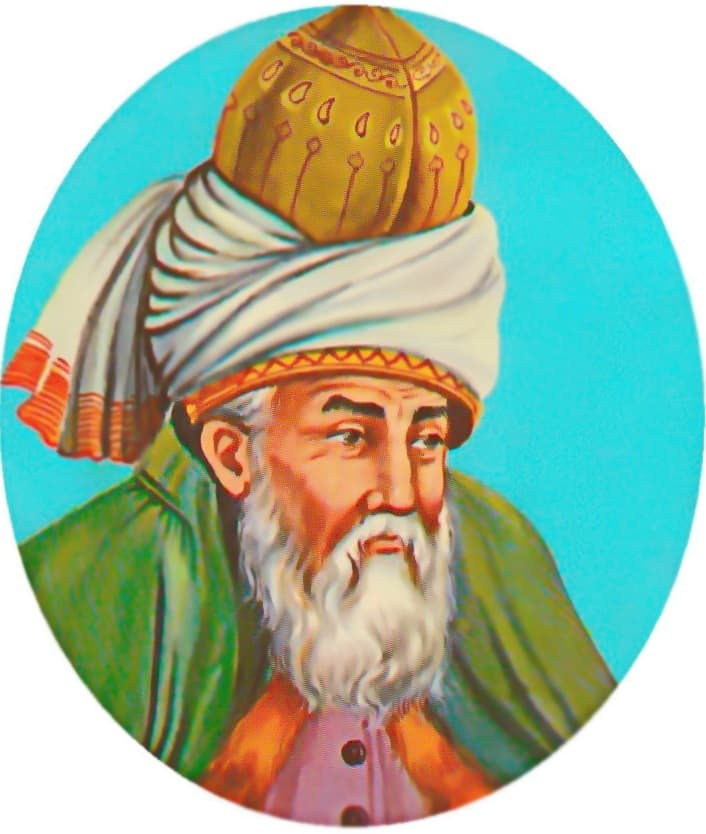
Sufi literature is an important Turkish-Islamic literary tradition focused on spiritual journeys, love, tolerance, and the search for inner meaning. The works of thinkers such as Rumi, Yunus Emre, and Hacı Bektaş Veli have deeply influenced Anatolian culture for centuries. Through poetry and teachings, themes of humanity, unity, and universal values are brought to the forefront. Sufi literature is considered one of the strongest elements of Türkiye’s spiritual and cultural heritage.

Rumi and the Masnavi
Rumi is one of the most influential figures in Sufi thought and world literature. His most famous work, the Masnavi, contains stories and teachings centered on love, humanity, tolerance, and spiritual journeys. Influencing cultures for centuries, this masterpiece is regarded as a powerful symbol of Anatolia’s spiritual heritage. The Mevlana Lodge in Konya remains one of Türkiye’s most important cultural and spiritual landmarks.
Festivals & Events

Istanbul Jazz Festival
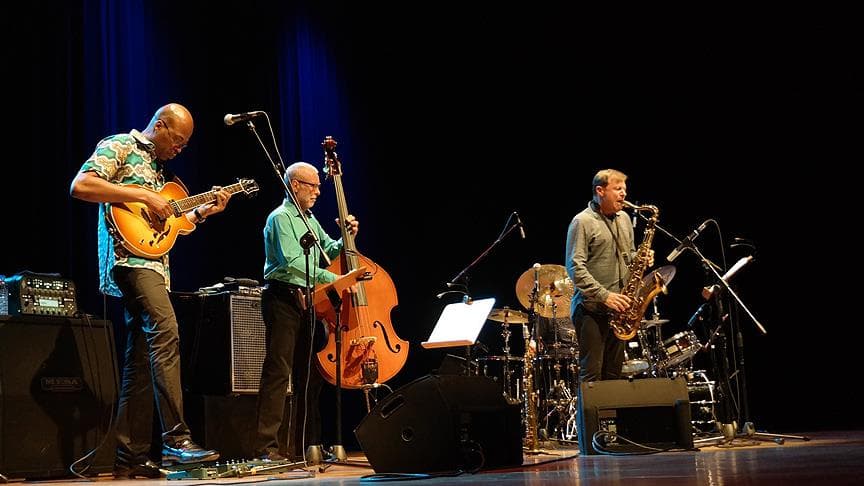
Istanbul Jazz Festival is a prestigious music festival held every July, welcoming artists from around the world. Alongside jazz performances, the festival features funk, soul, blues and world music concerts at Istanbul’s historic venues and open-air stages.

Antalya Golden Orange Film Festival
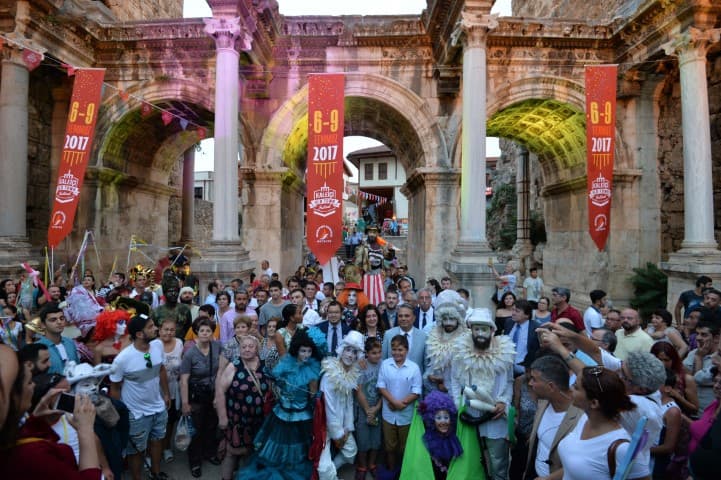
The Antalya Golden Orange Film Festival is one of Türkiye’s most prestigious film festivals. Held annually in Antalya, the festival brings together movie lovers through national and international film screenings, award ceremonies, red carpet events, and artist talks. Established in 1964, it is considered one of the most important cultural events in Turkish cinema.

Istanbul Film Festival
Istanbul Film Festival is one of Turkey’s most established international film events, held annually in April. The festival brings together outstanding examples of world cinema, independent productions, special screenings and filmmaker talks with movie enthusiasts.

Aspendos Opera and Ballet Festival
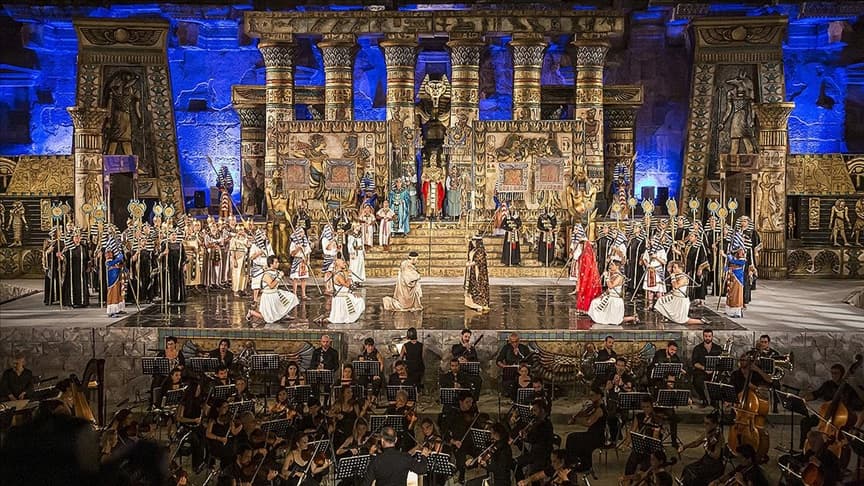
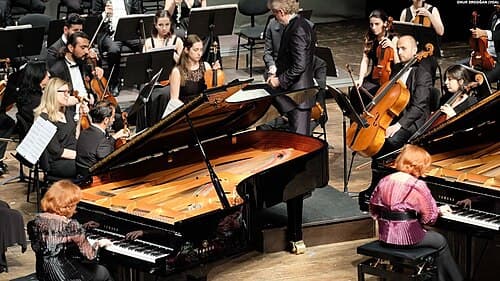
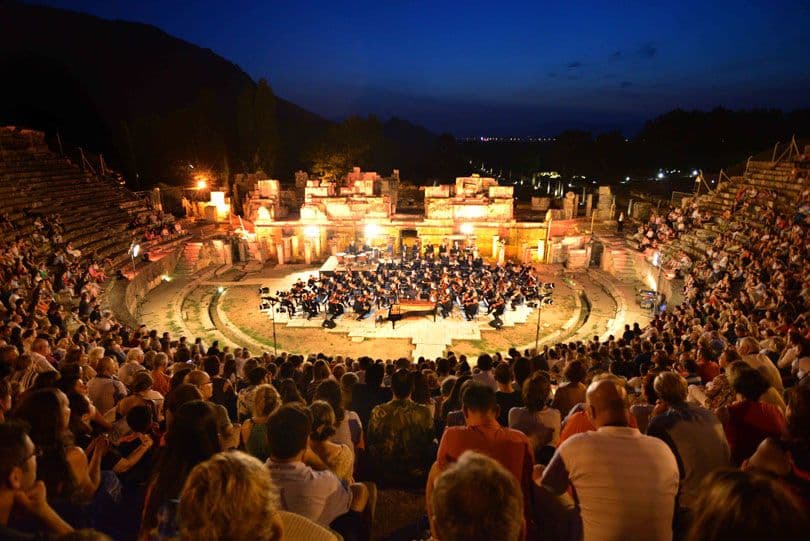
Aspendos Opera and Ballet Festival is an international performing arts festival held at the historic Aspendos Ancient Theatre in Antalya. The festival brings together opera, ballet and classical music performances within the breathtaking atmosphere of the ancient venue.

Cappadocia Balloon Festival
Cappadocia Balloon Festival is famous for its colorful hot air balloon events held over the unique fairy chimneys and valleys of Cappadocia. The festival features balloon shows, night glow performances, concerts and various cultural activities throughout the event.

Mesir Paste Festival
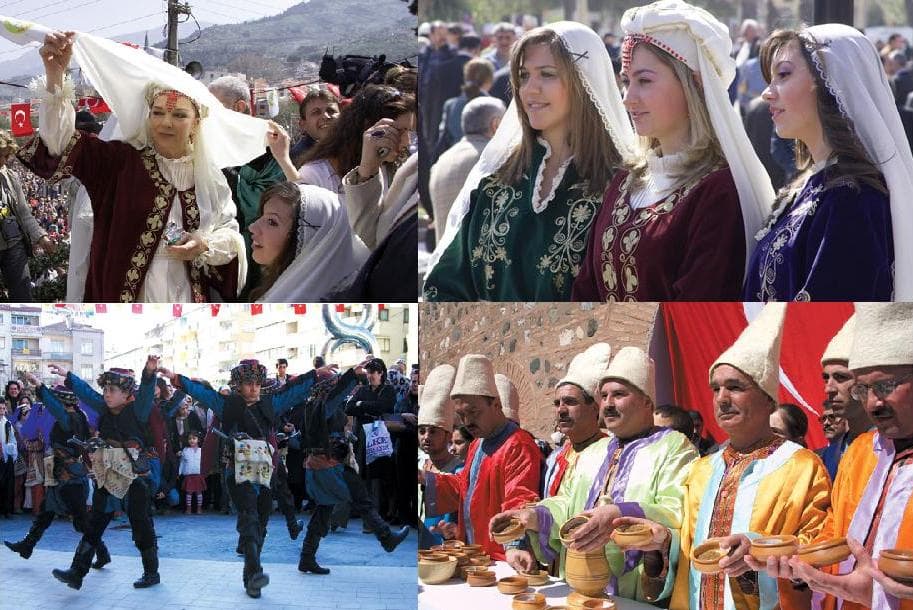
Mesir Paste Festival is a traditional cultural festival held in Manisa for centuries. The most iconic event of the festival is the distribution of mesir paste from the domes and minarets of the Sultan Mosque to the public. Listed as UNESCO Intangible Cultural Heritage, the festival is celebrated with traditional performances and cultural events.

Kırkpınar Oil Wrestling Festival
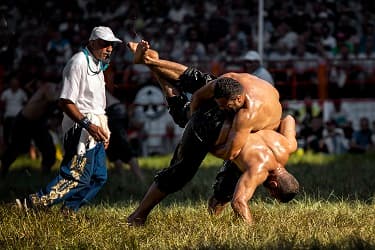
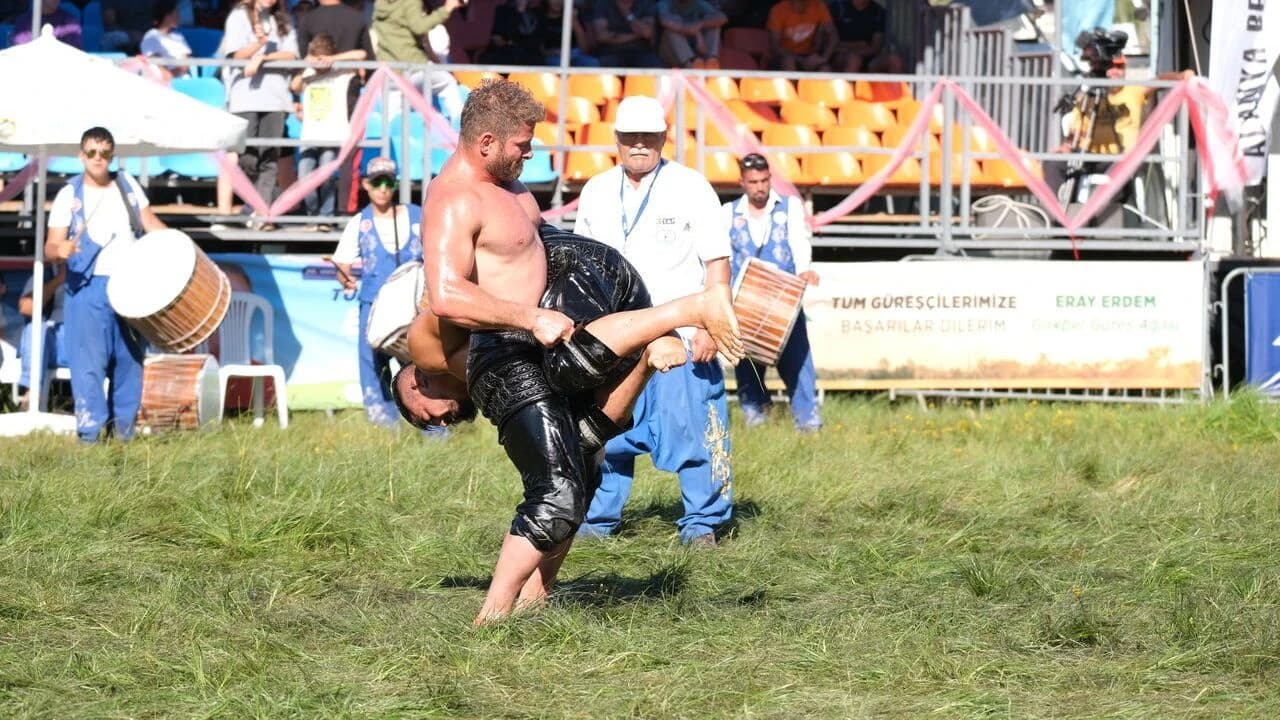
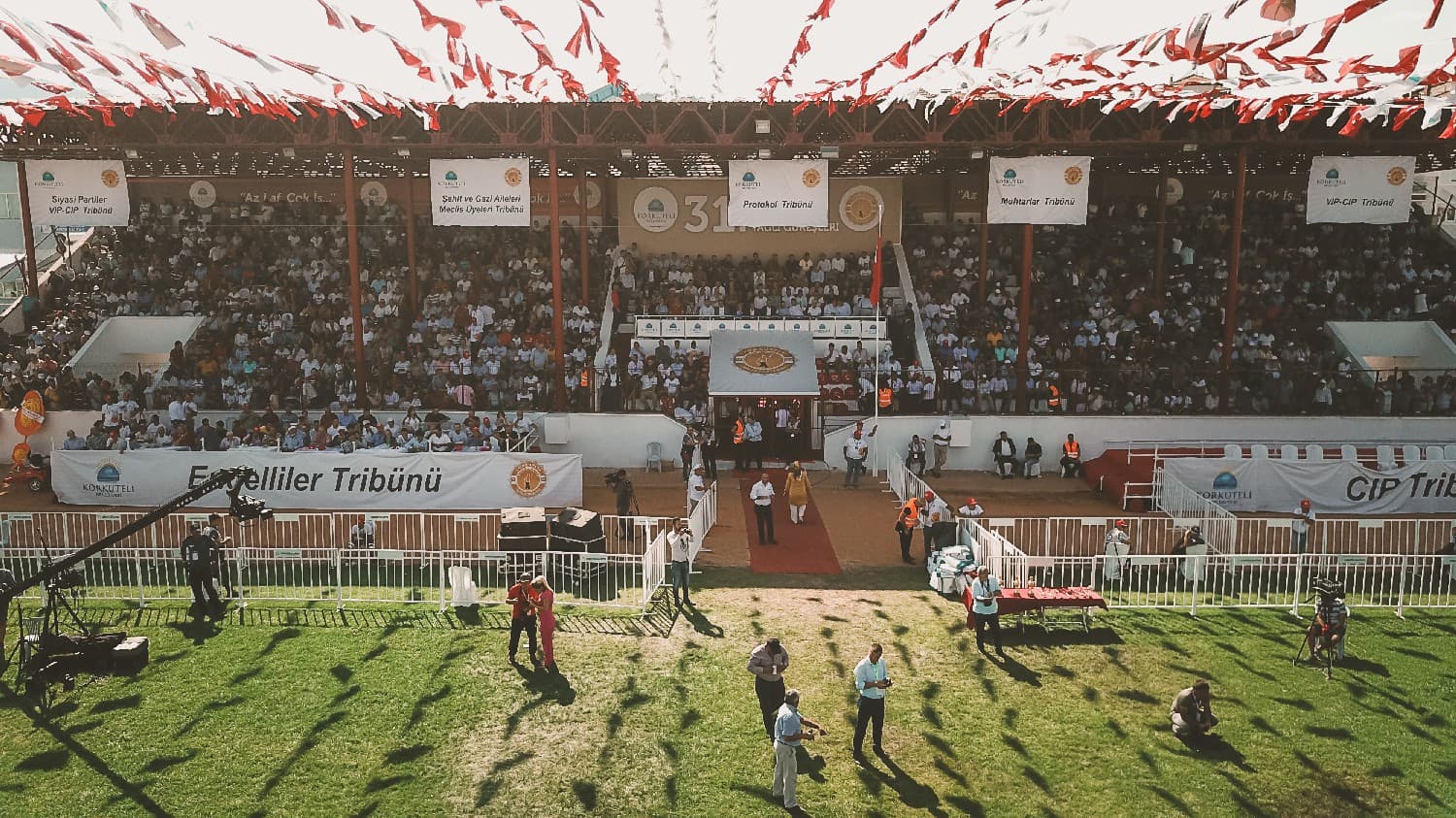
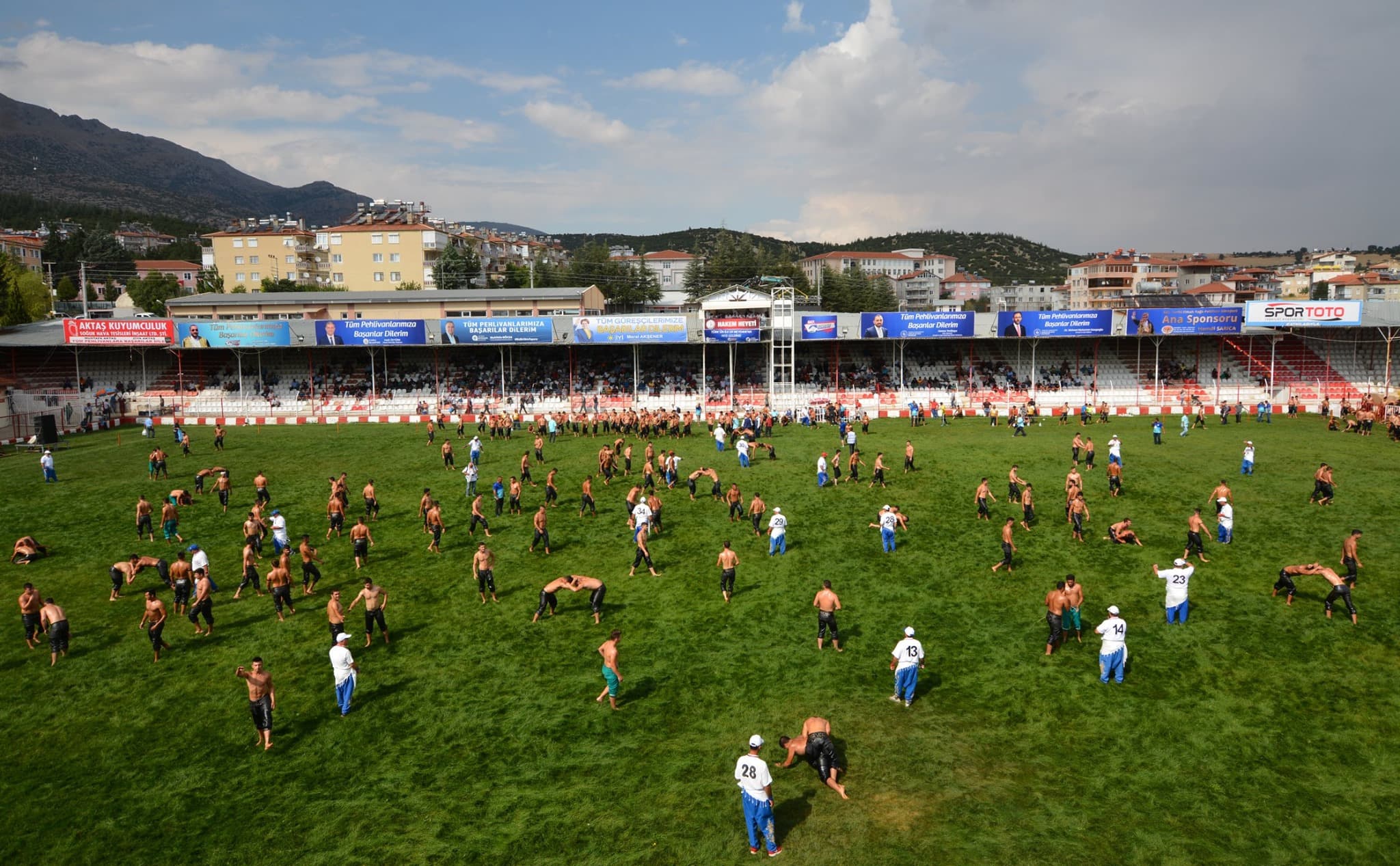
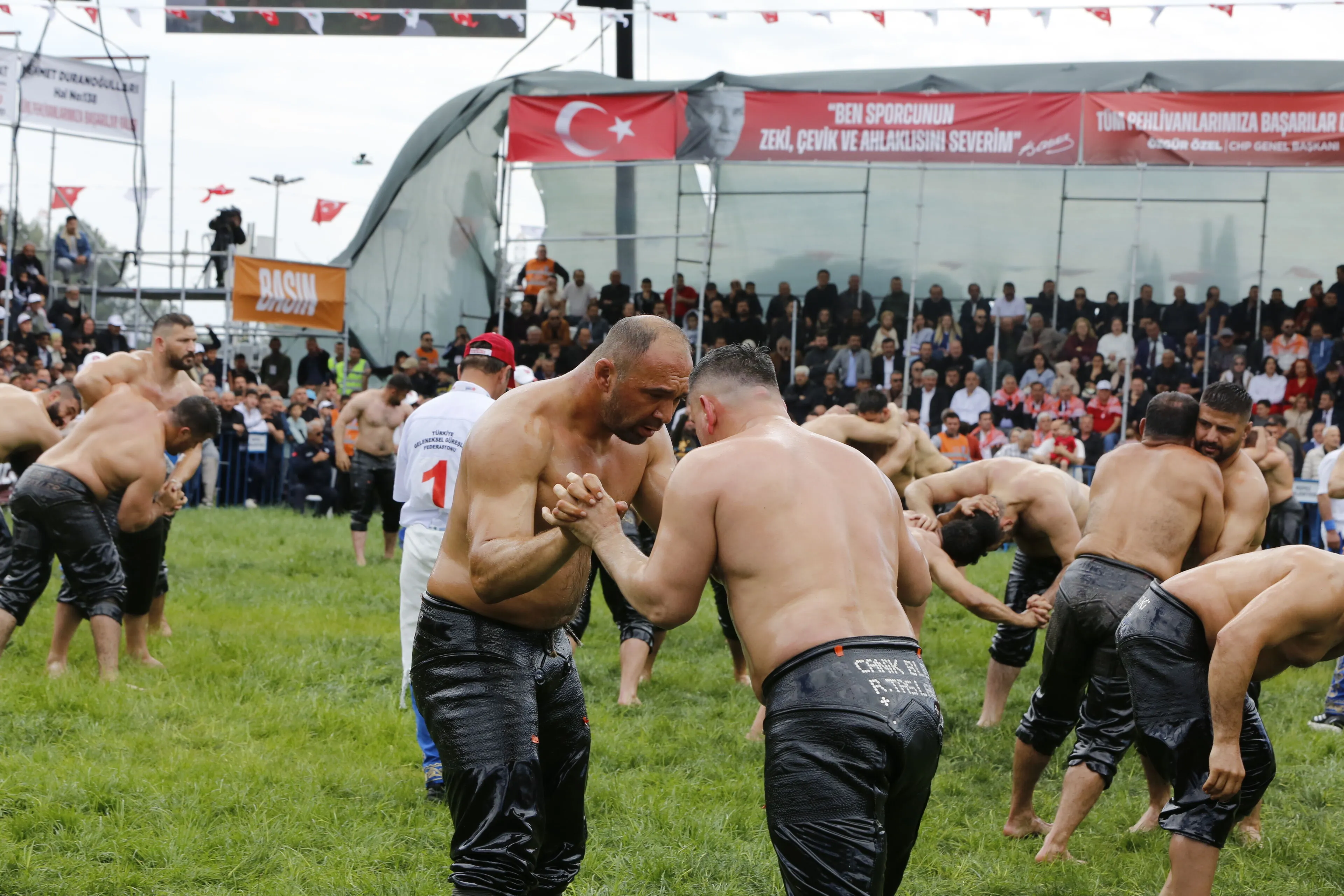
Kırkpınar Oil Wrestling Festival is a traditional wrestling event held in Edirne and considered one of the world’s oldest sporting organizations. Wrestlers compete after covering themselves with olive oil, preserving a centuries-old Turkish cultural tradition. The festival is included in UNESCO’s Intangible Cultural Heritage List.

Ephesus Opera and Ballet Festival
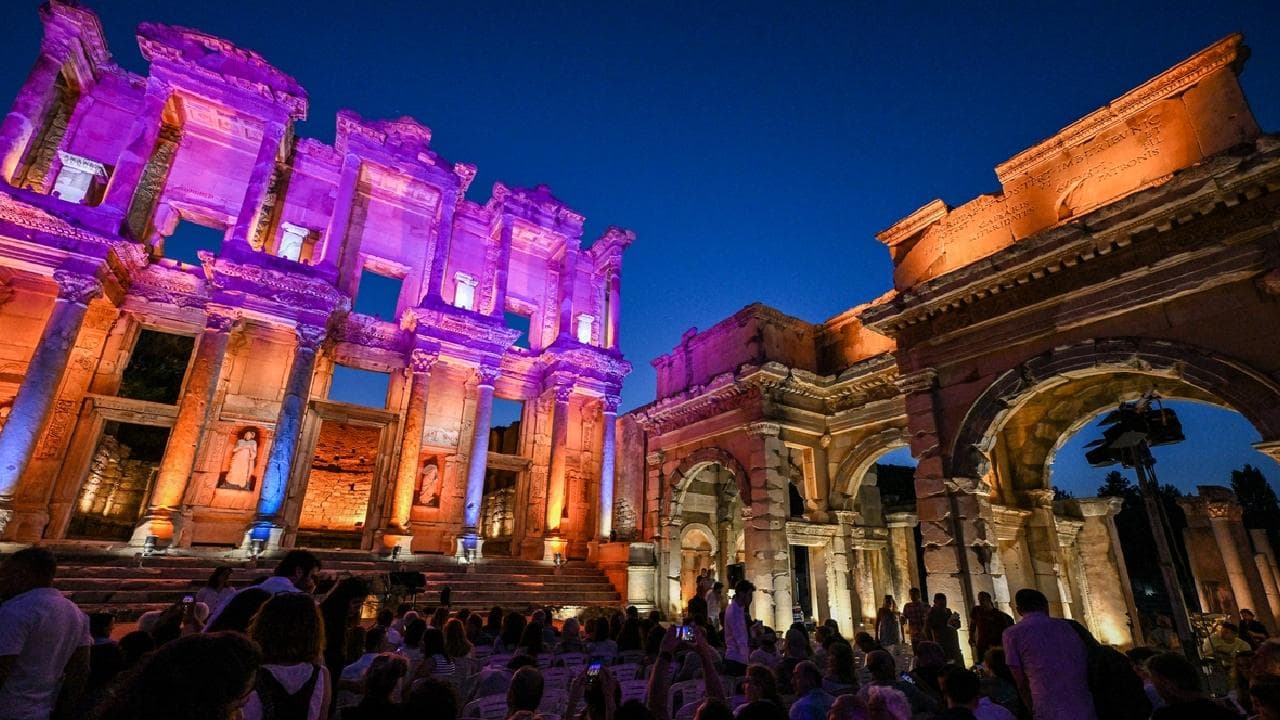
Ephesus Opera and Ballet Festival is a prestigious performing arts festival held at the historic Ephesus Ancient Theatre in Izmir. The festival brings together opera, ballet and classical music performances within the magnificent atmosphere of the ancient city.

Bozcaada Jazz Festival
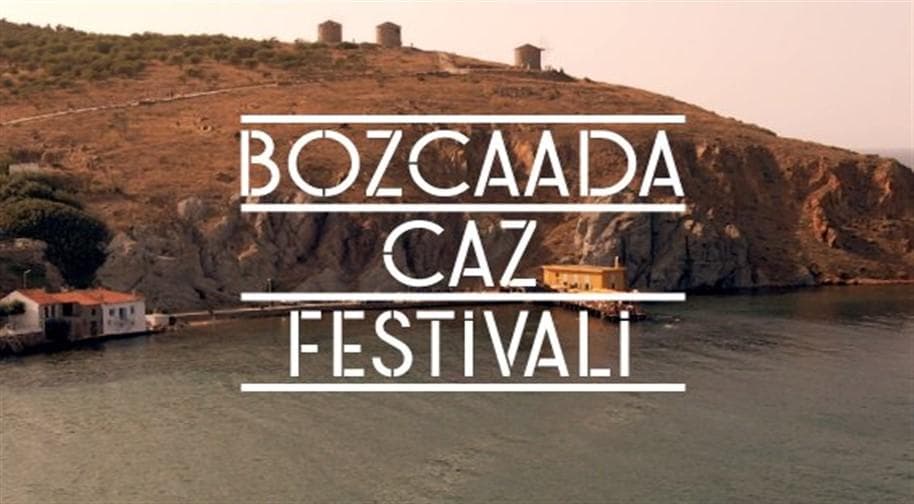
Bozcaada Jazz Festival is a contemporary music festival held in the unique island atmosphere of Bozcaada, bringing jazz music together with different artistic disciplines. Throughout the festival, concerts, workshops, talks and gastronomy events offer visitors a rich cultural and artistic experience.

Istanbul Biennial
Istanbul Biennial is regarded as one of the world’s leading international contemporary art events. Held every two years, the biennial brings together exhibitions, installations, performances and public art projects across Istanbul’s historic and cultural venues.

Adana Golden Boll Film Festival
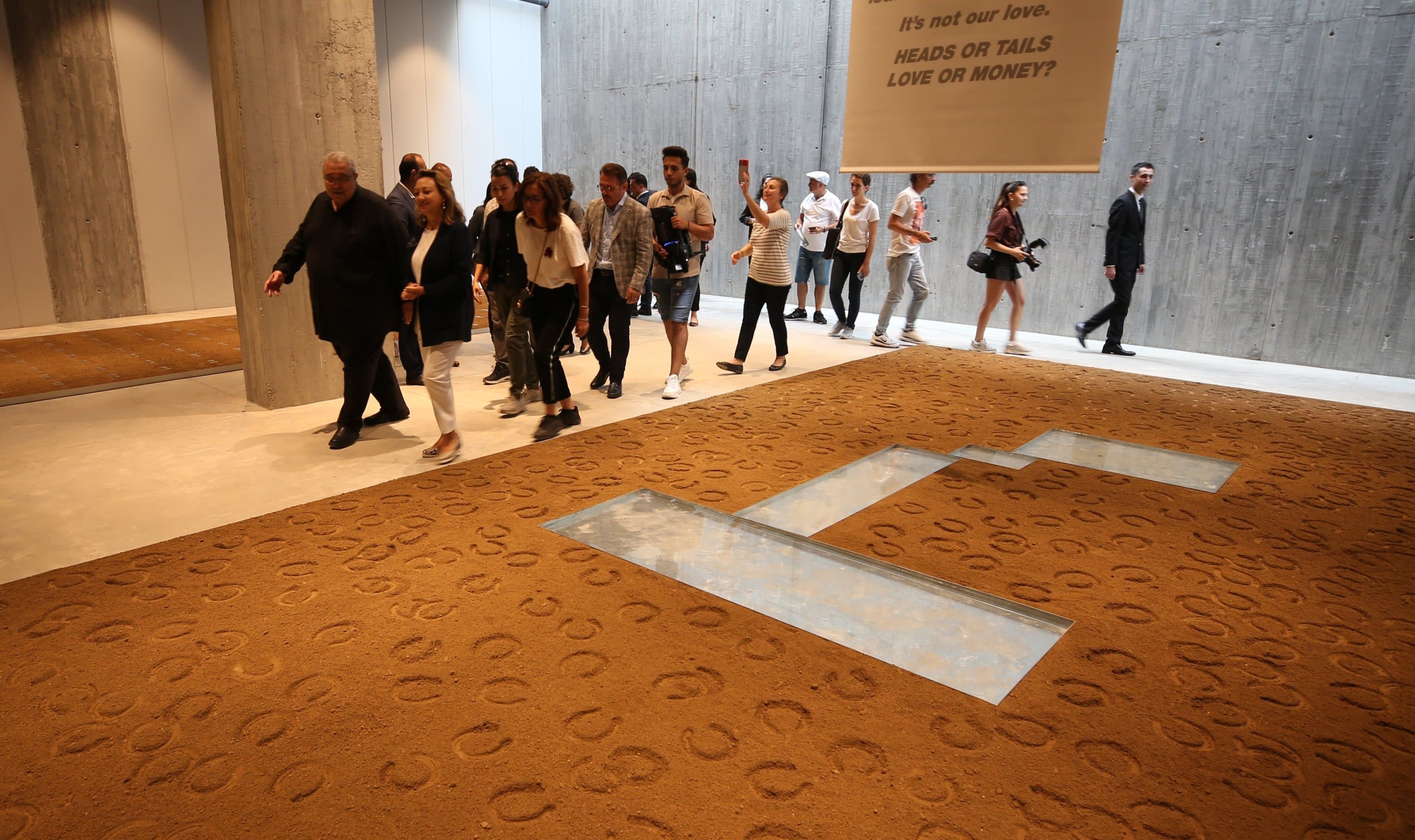
Adana Golden Boll Film Festival is one of Turkey’s oldest and most prestigious cinema festivals, held annually in Adana. The festival brings together the film industry through national and international screenings, competitions, director talks and cultural events.

Troy Culture Road Festival
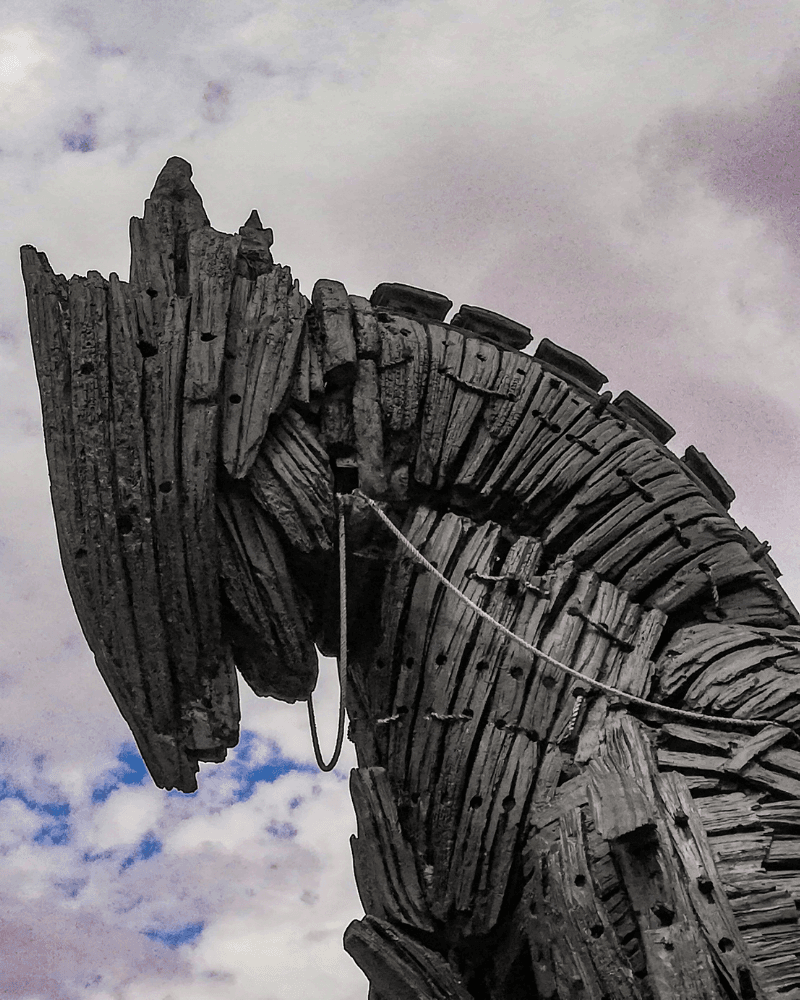
Troy Culture Road Festival is a large-scale cultural arts festival held in Çanakkale, bringing together art, history and culture. The festival features concerts, exhibitions, theatre performances, workshops and various events inspired by the historical heritage of Troy.

Hıdırellez Festival
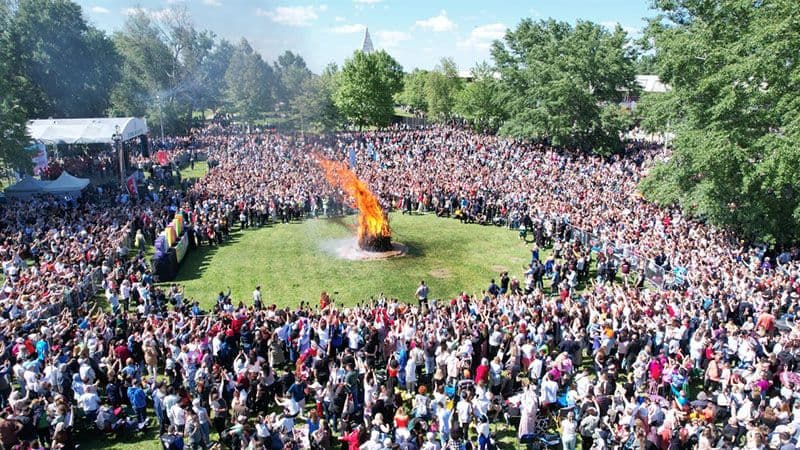
Hıdırellez Festival is a traditional folk celebration held across many regions of Turkey to welcome the arrival of spring. The festival is celebrated with rituals such as jumping over fire, making wishes and musical festivities, especially with great enthusiasm in Thrace and Edirne.

Alaçatı Herb Festival
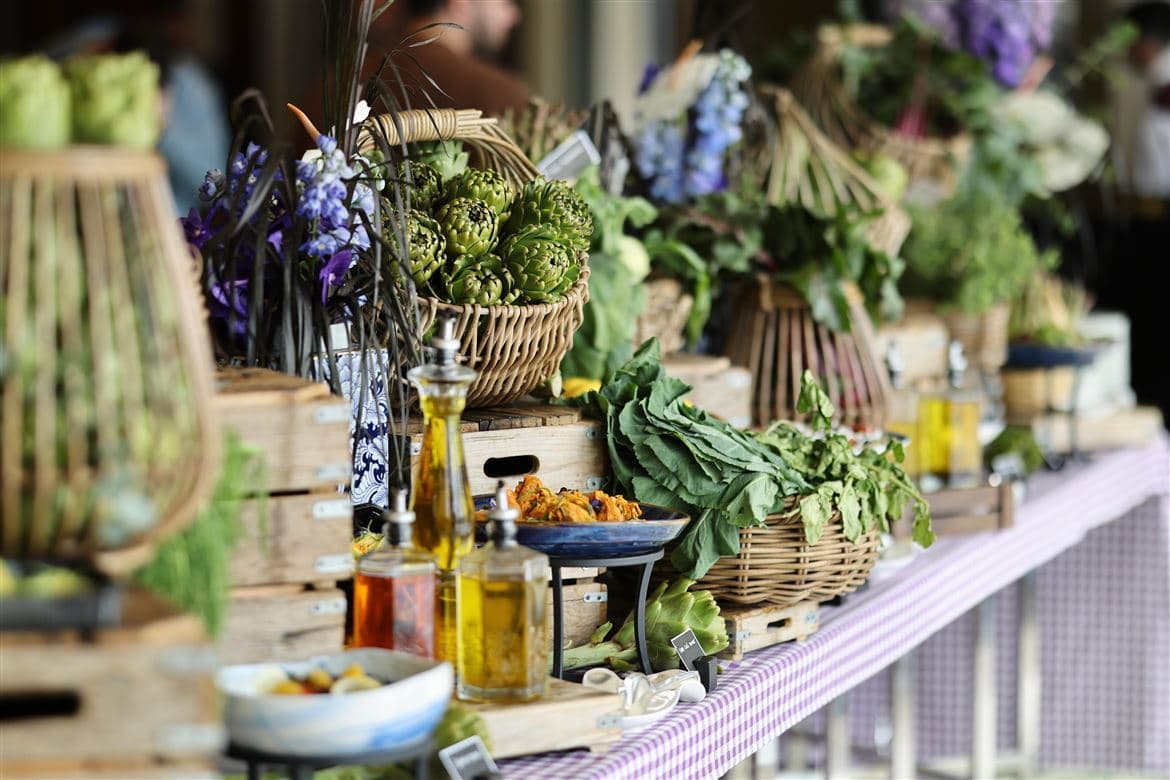
Alaçatı Herb Festival is a popular gastronomy event held in Alaçatı, İzmir, to celebrate the herb culture of Aegean cuisine. Throughout the festival, local delicacies, herb-based dishes, street events, concerts and colorful parades offer visitors a vibrant cultural experience.

International Mersin Music Festival
International Mersin Music Festival is a major cultural arts event held annually in Mersin, bringing together a wide range of musical genres from classical music to jazz. The festival features concerts by local and international artists, orchestras and special performances across various venues.

Akbank Jazz Festival
Akbank Jazz Festival is one of Turkey’s leading jazz events, held annually in Istanbul. In addition to jazz performances, the festival brings together funk, electronic, soul and experimental music with audiences. Concerts, workshops and artist talks are key parts of the festival program.

Istanbul Theatre Festival
Istanbul Theatre Festival is one of Turkey’s leading performing arts events, held annually in Istanbul. The festival brings together local and international theatre companies, contemporary performances, dance shows and experimental stage productions with audiences.

International Izmir Festival
International Izmir Festival is a major cultural arts event held annually in Izmir, bringing together music, dance, theatre and performing arts. The festival features concerts, classical music performances and international artists at historic venues across the city.