City Guide

Rome Travel Guide

Italy

Rome, the heart of the ancient world and the capital of modern Italy, boasts thousands of years of history. From the Colosseum to the Vatican, its iconic landmarks, rich art, and vibrant streets offer an unforgettable journey through time and culture.

Rome, Italy city travel guide

Must-See Places in Rome

Discover the landmarks, historic sites, natural highlights, and memorable places worth seeing in Rome.

 place to visit

Museum

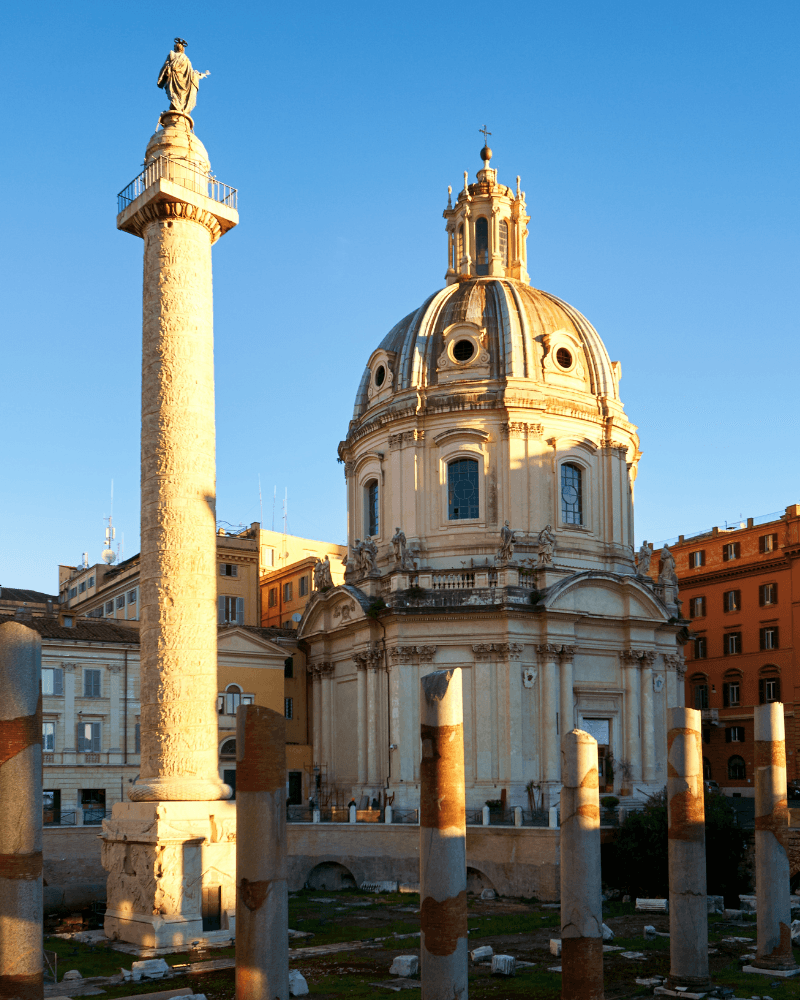
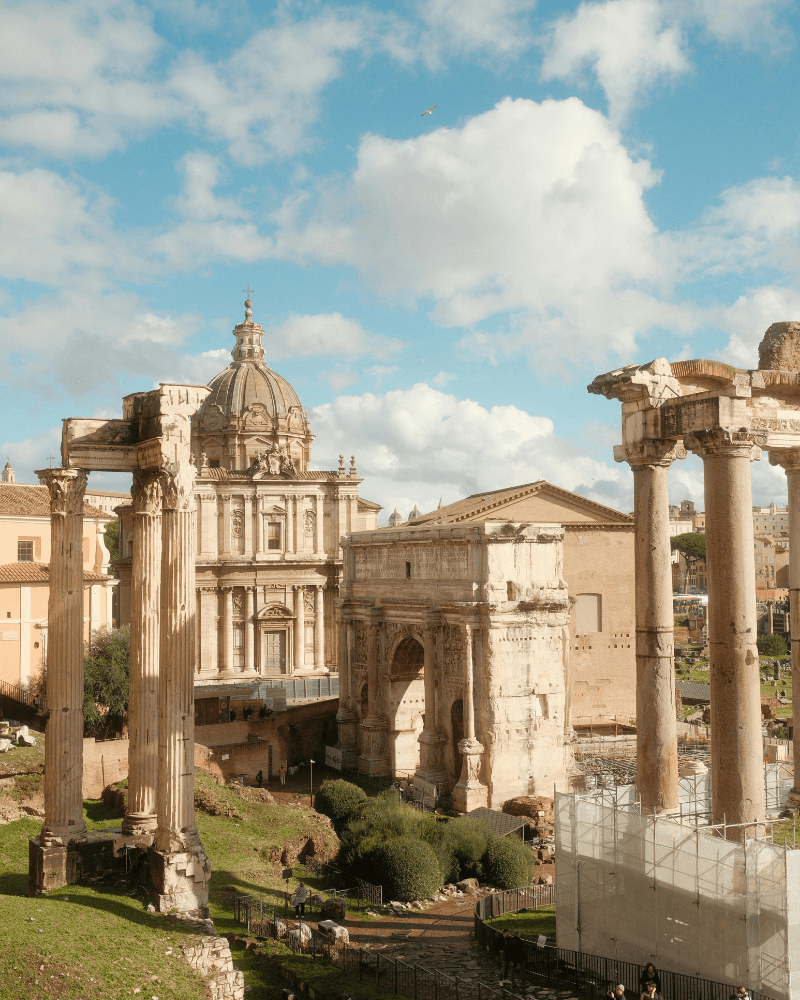
The Roman Forum was the political, commercial, and social center of ancient Rome. Surrounded by temples, basilicas, and triumphal arches, it offers a fascinating glimpse into the daily life and grandeur of the Roman Empire. Together with the Colosseum and Palatine Hill, it forms one of the most important archaeological sites in Rome.

  • Ticketed
  • Architecture
  • Educational
 place to visit

Castle

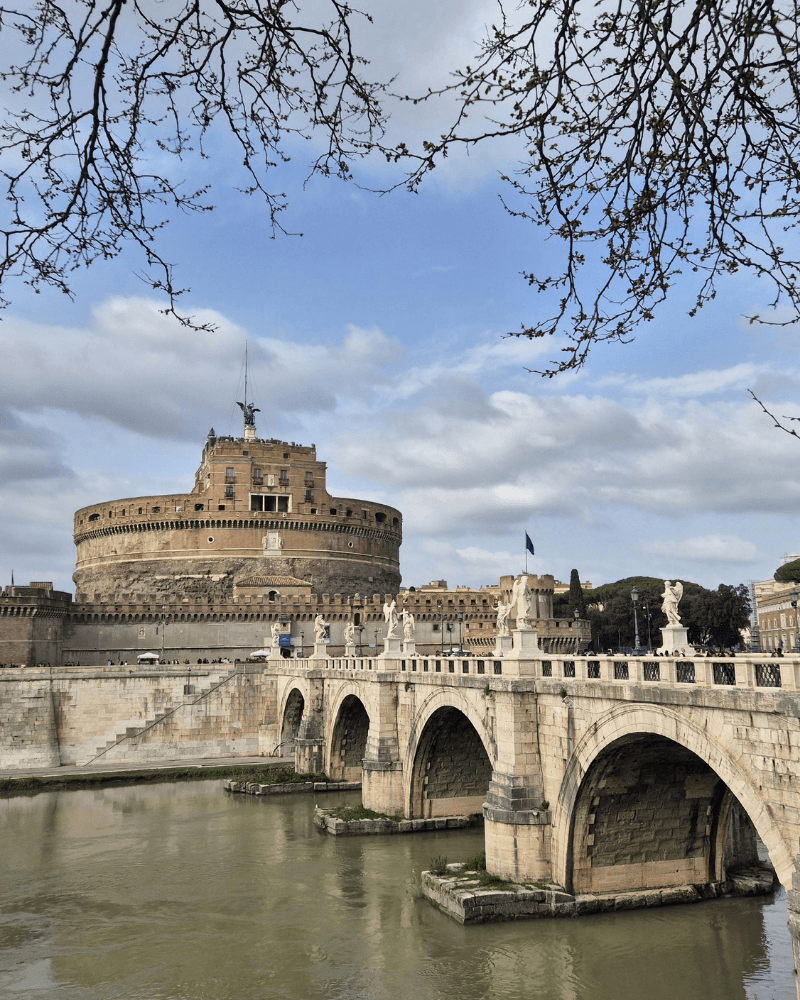
Castel Sant'Angelo is one of Rome’s most fascinating historic landmarks, originally built as a mausoleum for Emperor Hadrian. Over the centuries, it served as a fortress, papal refuge, and prison. Today, it functions as a museum, offering visitors a rich historical experience along with stunning views over the Tiber River and a secret passage connecting it to the Vatican.

  • Ticketed
  • Architecture
  • Photo Spot
 place to visit

Museum

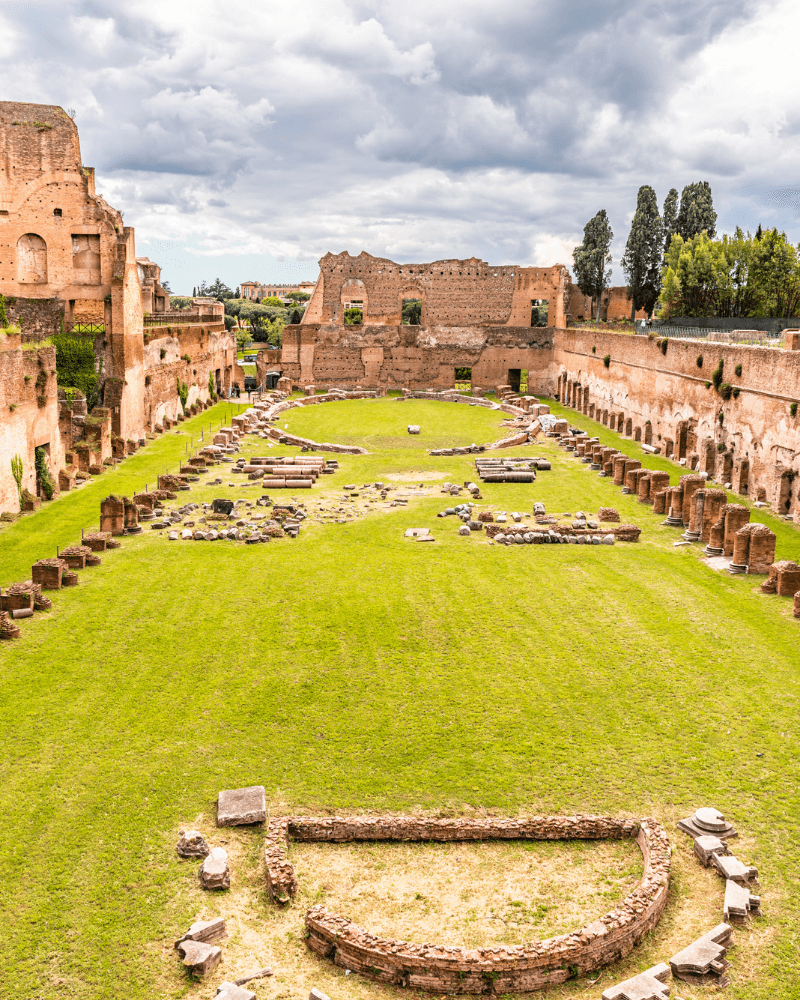
Palatine Hill is one of the oldest parts of Rome and the historic area where imperial palaces once rose above the city. With its ancient ruins, spacious walking paths, and sweeping views over the Roman Forum and Circus Maximus, it offers visitors a memorable blend of history and atmosphere. Closely linked to the legendary origins of Rome, it is an essential stop for anyone exploring the ancient heart of the city.

  • Ticketed
  • Photo Spot
  • Educational
 place to visit

Architecture

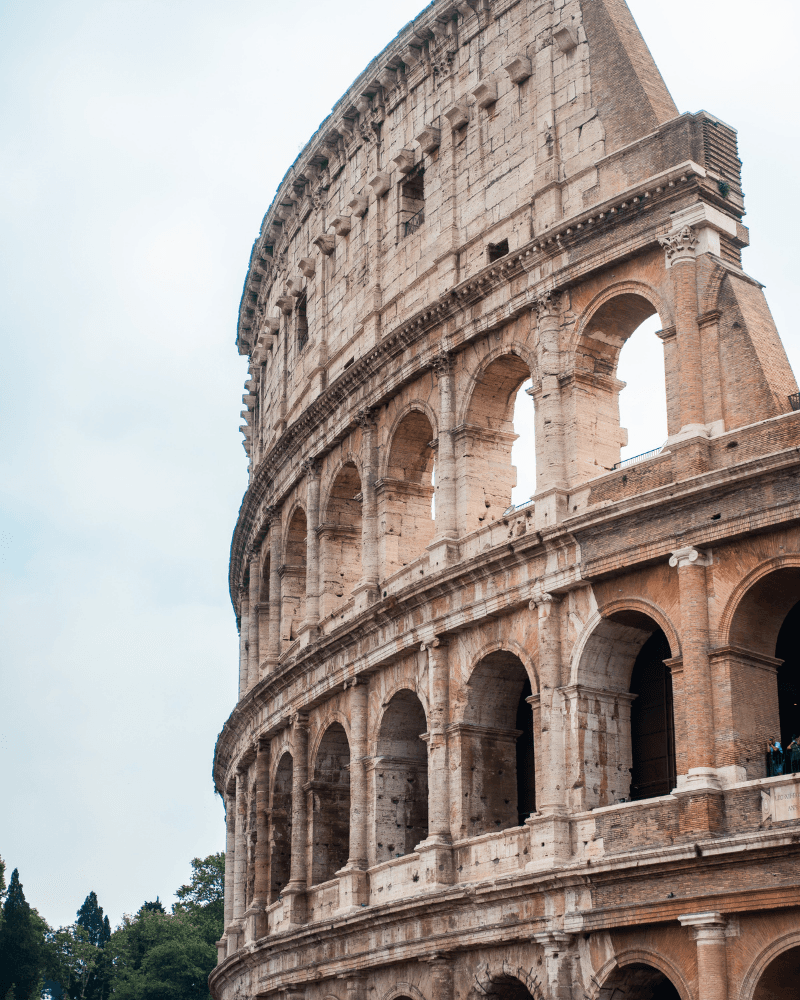
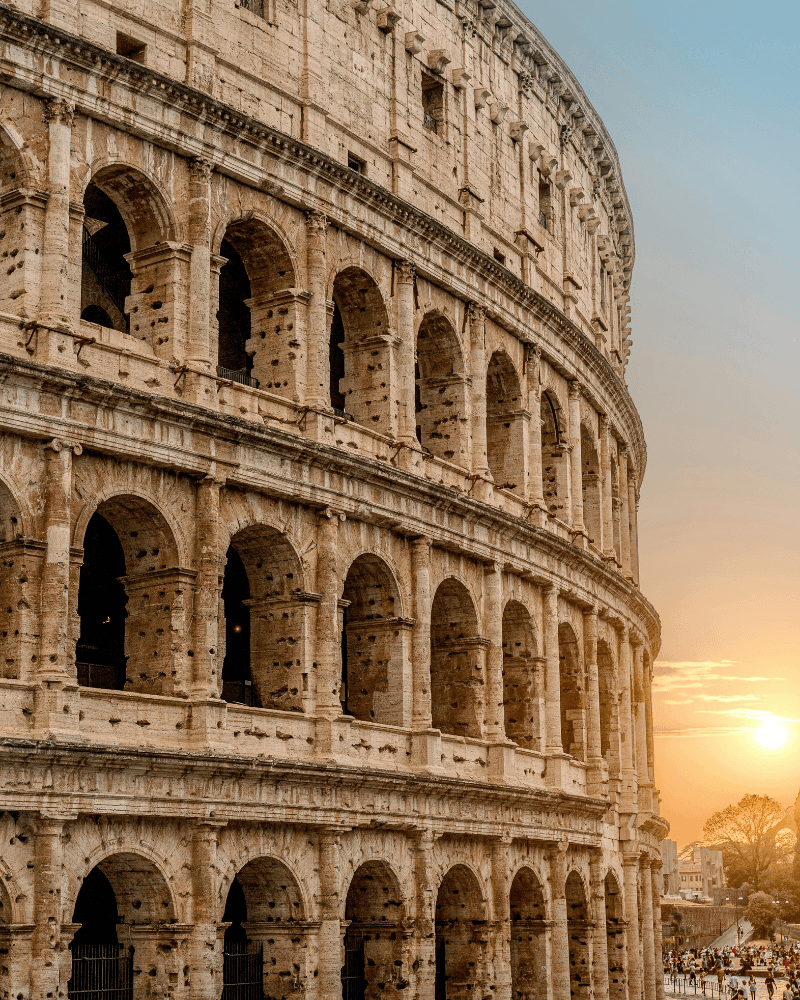
The Colosseum is one of Rome’s most iconic landmarks and one of the most impressive amphitheatres of the ancient Roman world. Once used for gladiator contests, spectacles, and major public events, it reflects the engineering brilliance and grandeur of the Roman Empire. Located near the Roman Forum and Palatine Hill, it is an essential stop for anyone exploring the ancient heart of Rome.

  • Ticketed
  • Architecture
  • Photo Spot
 place to visit

Landmark

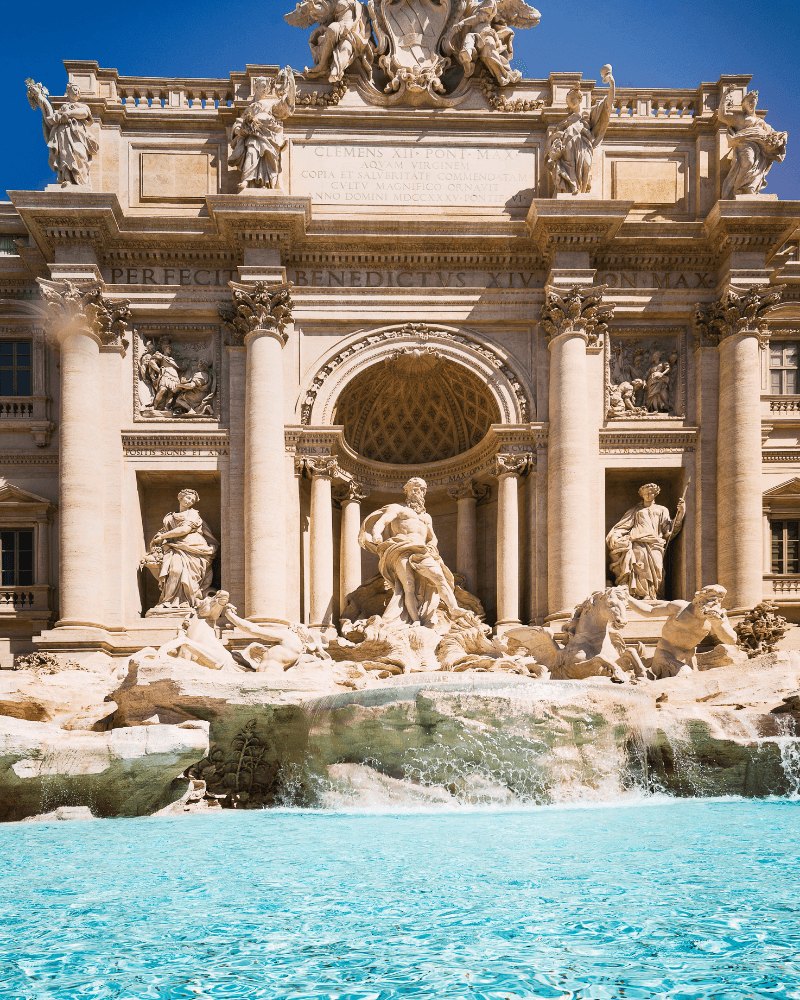
The Trevi Fountain is one of Rome’s most famous and visually striking landmarks, celebrated as a monumental Baroque fountain. Designed by Nicola Salvi, it captivates visitors with its sculptural details, dramatic flow of water, and grand façade. As one of the city’s most iconic stops, it is a must-see destination for anyone wanting to experience the romantic and historic spirit of Rome.

  • Ticketed
  • Architecture
  • Photo Spot
Vatican Museums place to visit

Museum

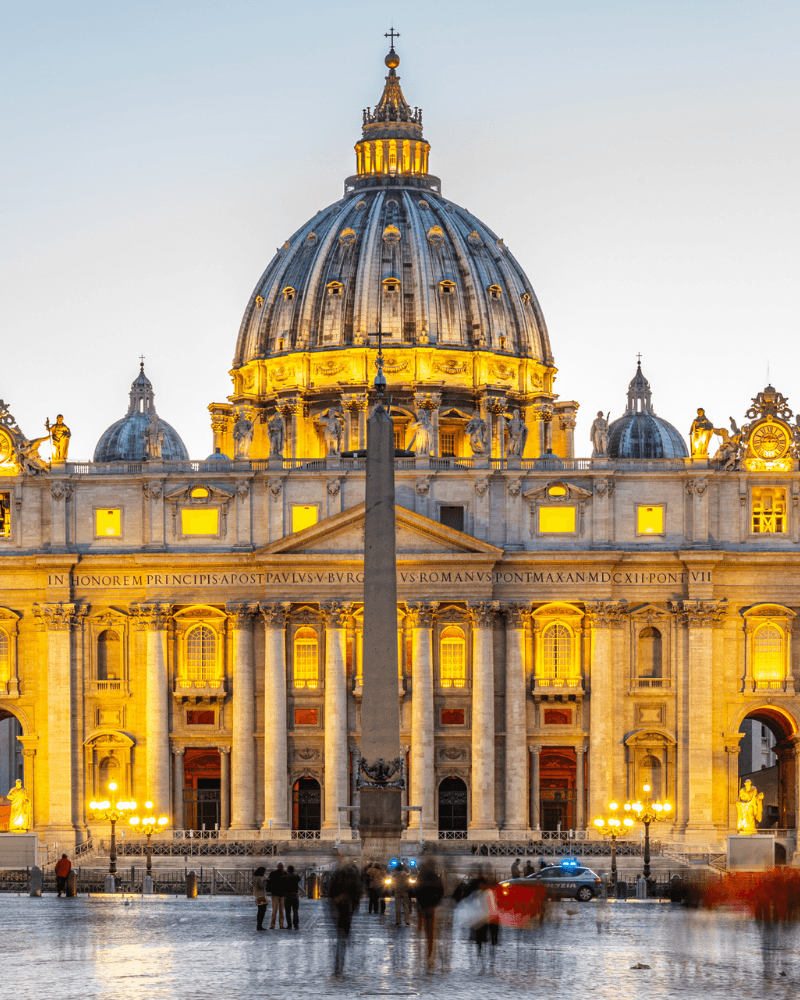
Vatican Museums

The Vatican Museums house one of the most important art collections in the world. With works ranging from ancient sculptures to Renaissance masterpieces, they offer visitors an extraordinary journey through art history. The Sistine Chapel and Michelangelo’s famous frescoes are among the highlights of this vast museum complex.

  • Ticketed
  • Architecture
  • Religious Site
 place to visit

Museum

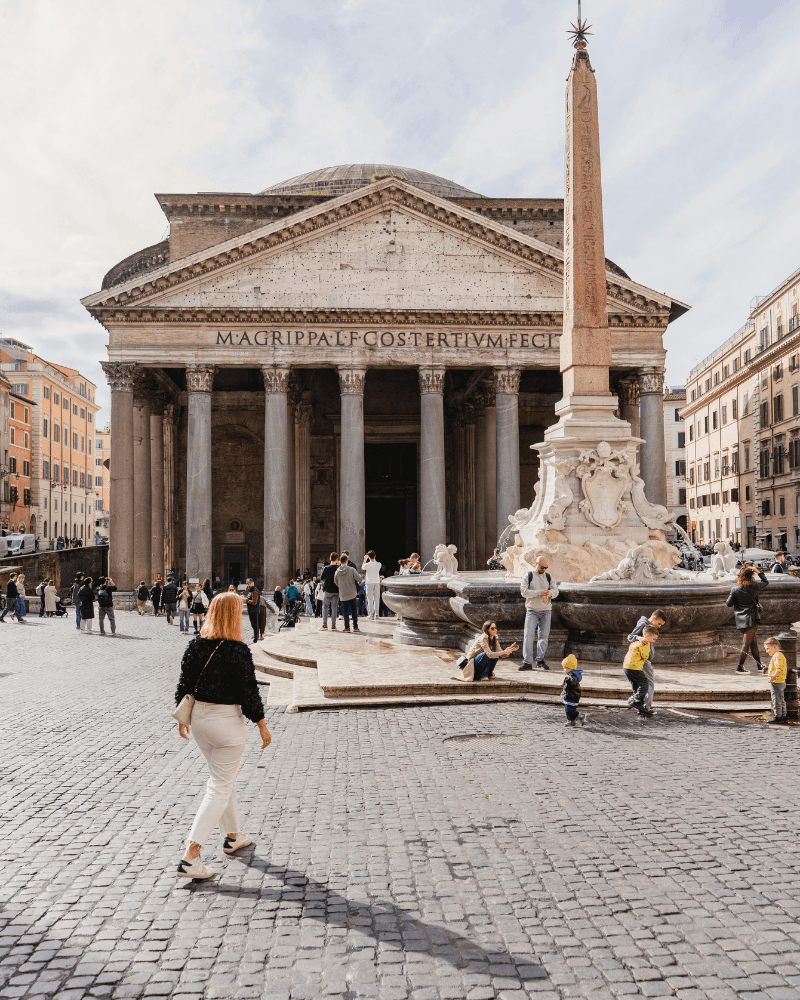
The Pantheon is one of the best-preserved monuments of ancient Rome, renowned for its massive dome and the oculus at its center. Rebuilt during the reign of Emperor Hadrian in the 2nd century AD, it now functions as a church. With its extraordinary architecture and the natural light streaming through the oculus, it remains one of the most iconic and must-see landmarks in Rome.

  • Ticketed
  • Architecture
  • Photo Spot
Villa Borghese Gardens place to visit

Park

Villa Borghese Gardens

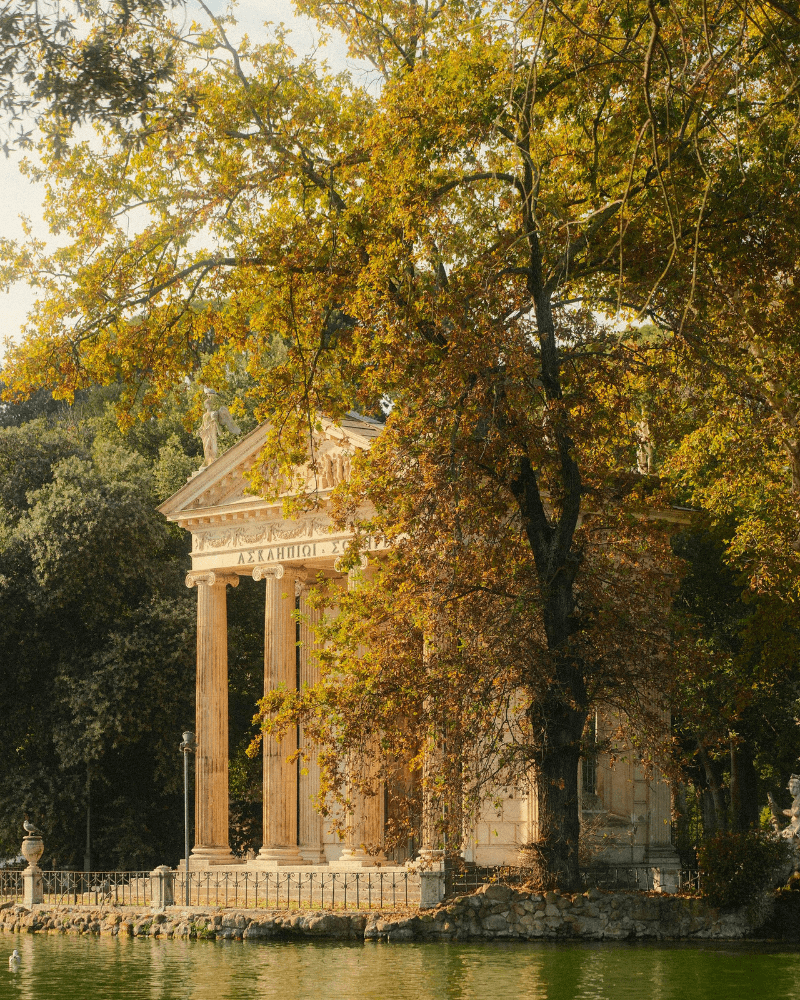
Villa Borghese is one of Rome’s largest and most famous green spaces, known for its historic gardens, lakes, walking paths, and art museums. Visitors can enjoy relaxing walks, rent bicycles, and admire beautiful views of the city. The park is also home to Galleria Borghese, one of the world’s most renowned art museums.

  • Villa
  • Photo Spot
  • Free
Baths of Caracalla place to visit

Ancient Ruins

Baths of Caracalla

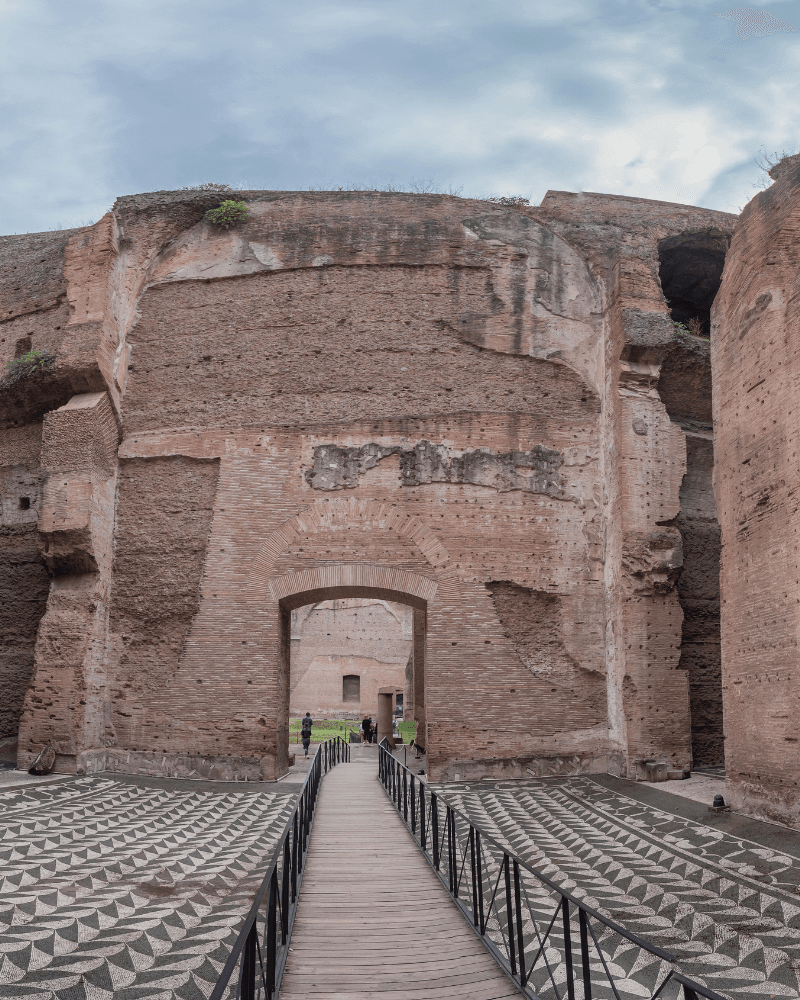
The Baths of Caracalla are among the largest and most impressive bath complexes of Ancient Rome. Built in the 3rd century AD, the site showcases the engineering and architectural achievements of the Roman Empire with its massive halls, bath areas, mosaics, and social spaces. Today, visitors can walk through the ancient ruins and experience the historic atmosphere of Rome.

  • Ticketed
  • Architecture
  • Photo Spot
 place to visit

Ancient Ruins

Located beneath Palazzo Valentini, the Domus Romane is an impressive archaeological site that combines the ruins of ancient Roman aristocratic houses with modern multimedia presentations. Visitors can explore mosaics, walls, and living spaces through elevated glass walkways. Light and sound installations create an immersive journey into the history of Ancient Rome.

  • Ticketed
  • Architecture
  • Museum
Papal Basilica of Saint Mary Major place to visit

Religious Site

Papal Basilica of Saint Mary Major

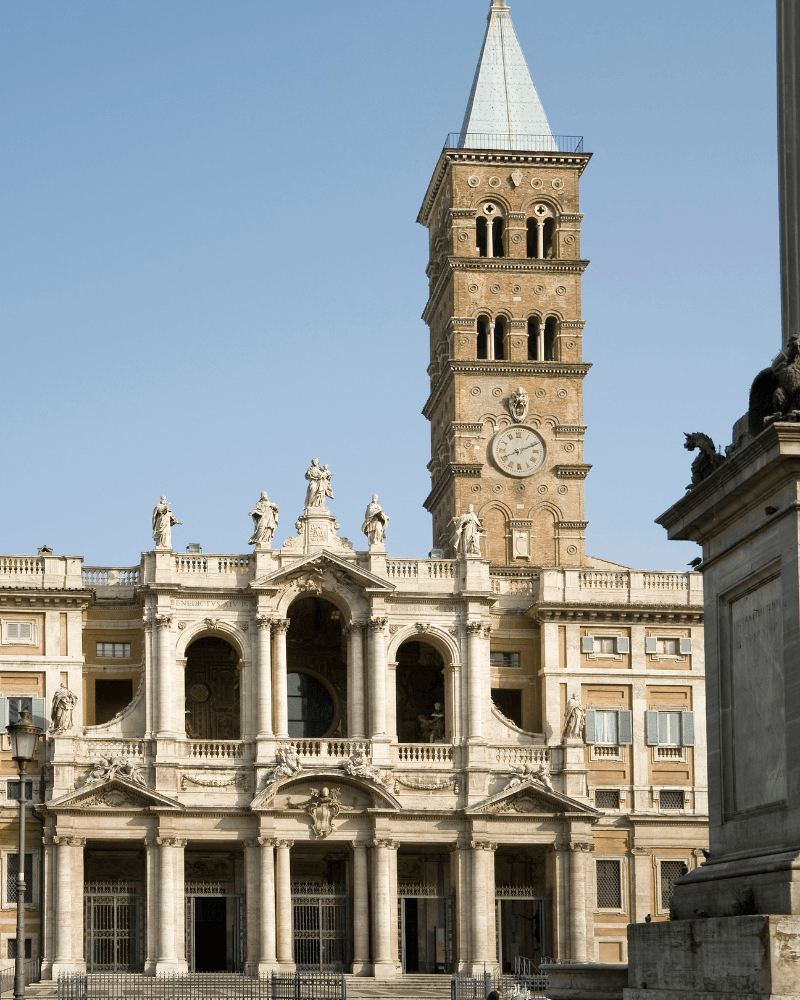
The Basilica of Saint Mary Major is one of the largest and most important Catholic churches in Rome. Built in the 5th century, the basilica is renowned for its golden mosaics, magnificent ceiling decorations, and religious artworks. As one of the four major papal basilicas of the Catholic world, it stands as one of Rome’s most significant religious and historical landmarks.

  • Architecture
  • Photo Spot
  • Basilica
Basilica of San Clemente place to visit

Religious Site

Basilica of San Clemente

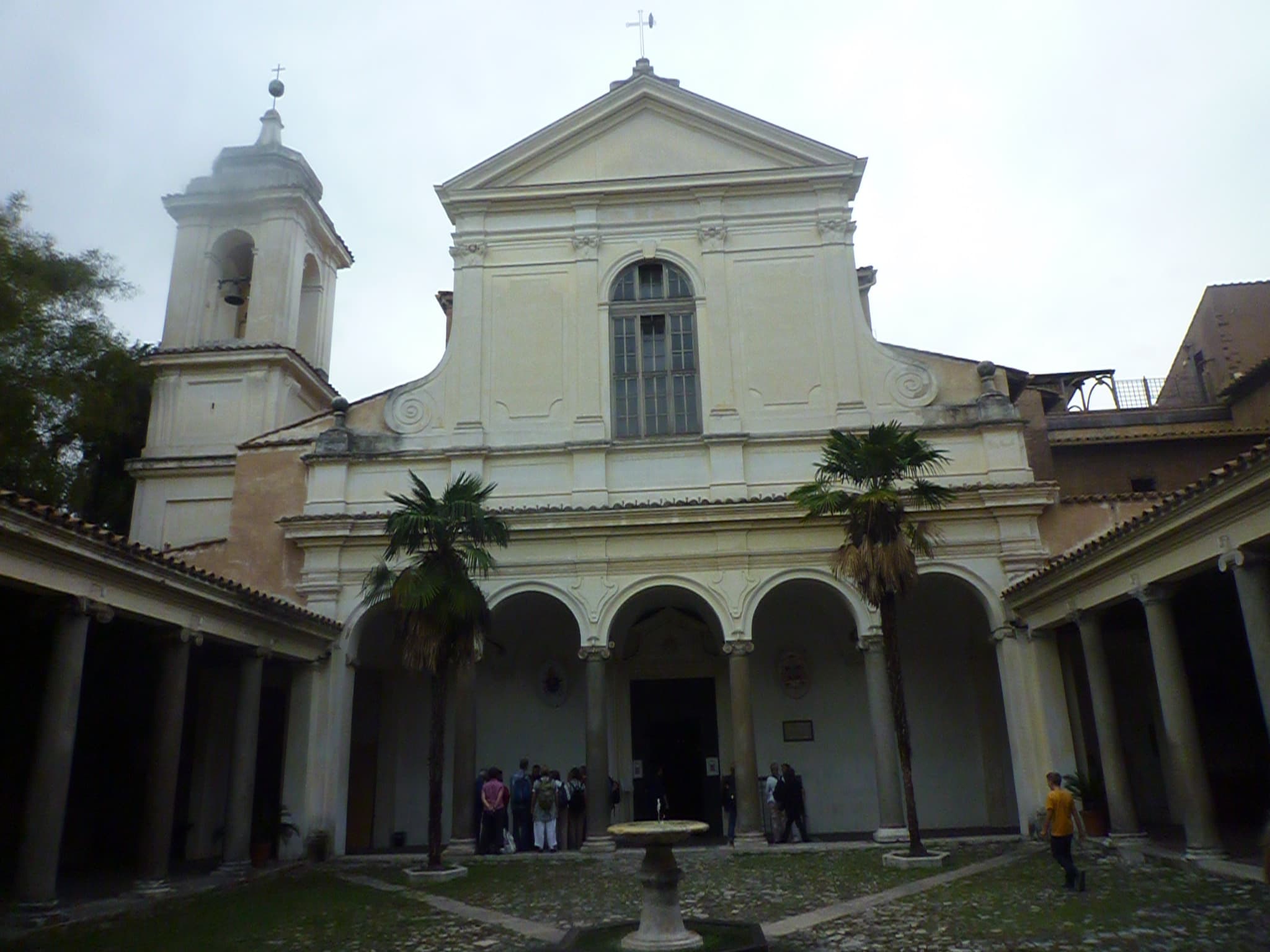
The Basilica of San Clemente is one of Rome’s most fascinating historical and religious landmarks. The church consists of three historical layers: the present medieval basilica, an early Christian church beneath it, and even deeper ancient Roman structures. With its mosaics, frescoes, and underground passages, the site offers visitors a unique journey through the layered history of Rome.

  • Ticketed
  • Architecture
  • Photo Spot

Things to Do in Rome

Discover activities, local experiences, and memorable events to enjoy while exploring Rome.

Romaeuropa Festival
September - November

Romaeuropa Festival

The Romaeuropa Festival is an international arts event held in Rome, bringing together theatre, dance, music, and contemporary performances. A major part of the city’s cultural calendar, it presents innovative productions from different artistic disciplines on a single platform.

Ticket May Be Required
Rome Film Fest
October

Rome Film Fest

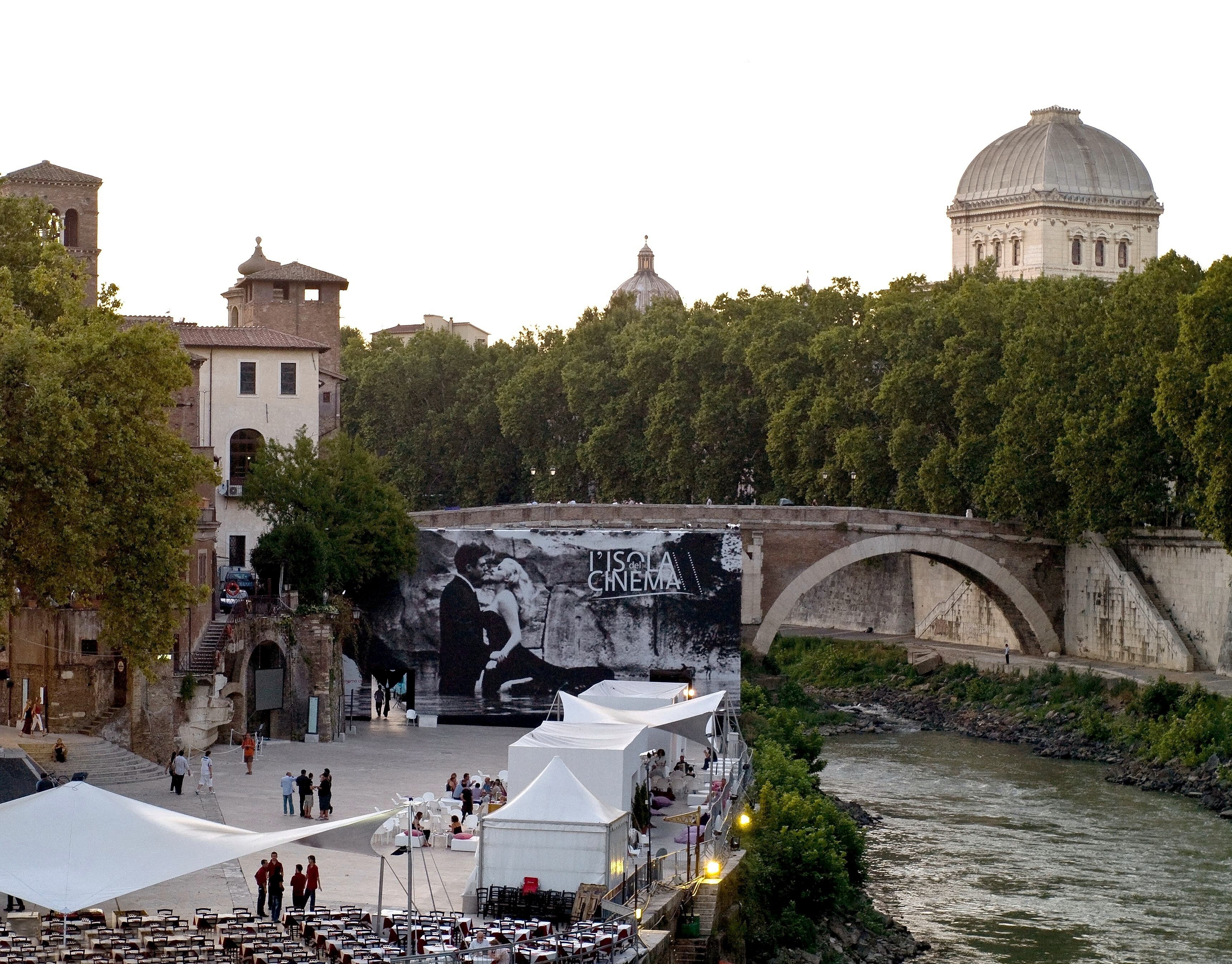
The Rome Film Fest is a major film event held in Rome, bringing together the international cinema world. With screenings, premieres, and special programs, it creates a vibrant cultural atmosphere in the city.

Ticket May Be Required

What to Eat & Drink in Rome

Discover local dishes, traditional flavors, and notable drinks associated with Rome.

Local Food

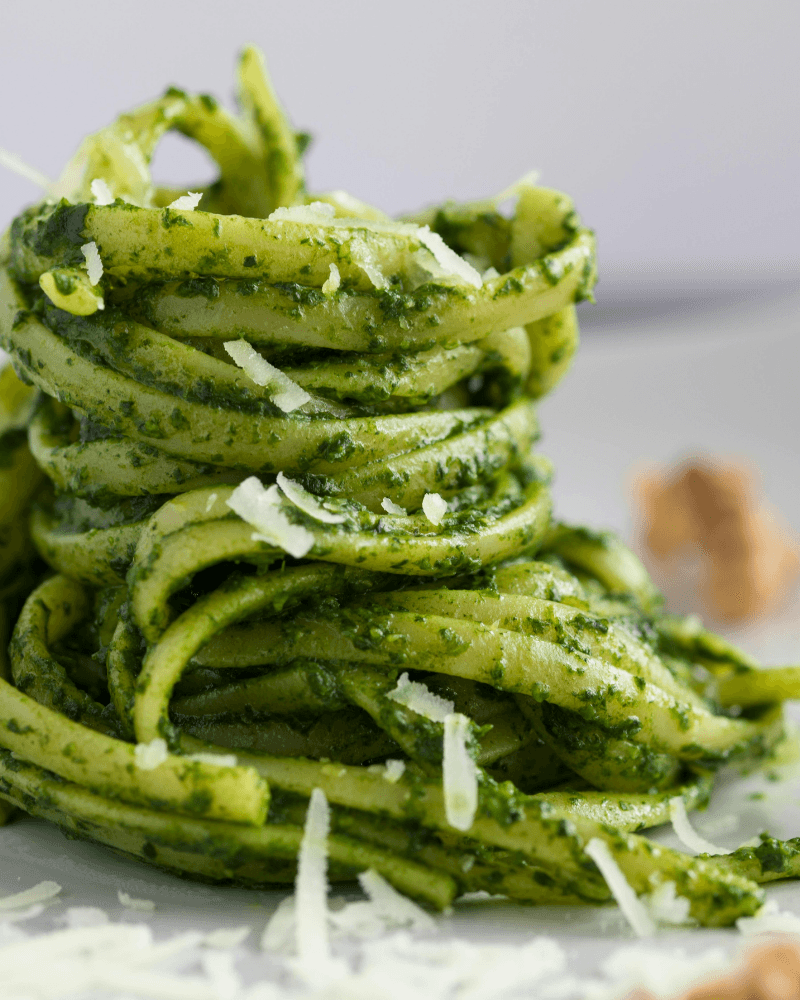
Pesto alla Genovese - local food

Pesto alla Genovese

Pesto alla Genovese is one of the most famous sauces of the Liguria region, especially associated with Genoa. It is traditionally made with fresh basil, pine nuts, Parmigiano Reggiano, Pecorino, garlic, olive oil, and salt. With its fresh and aromatic character, it is one of the classic flavors of Italian cuisine, especially served with pasta.

  • Vegetarian
  • Cold
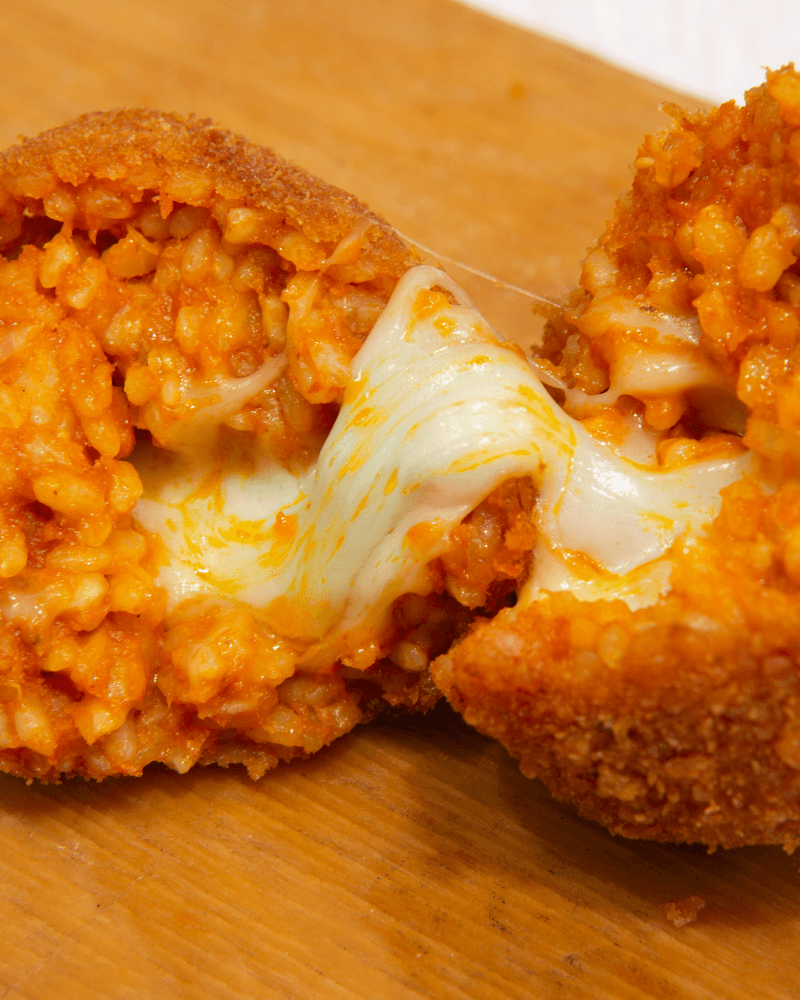
Supplì - local food

Supplì

Supplì is a traditional street food specialty from Rome. It is usually made with tomato rice, mozzarella, and sometimes meat sauce, then coated in breadcrumbs and fried. With its crispy exterior and soft, cheesy center, it is one of the most beloved snacks of Roman cuisine.

  • Hot
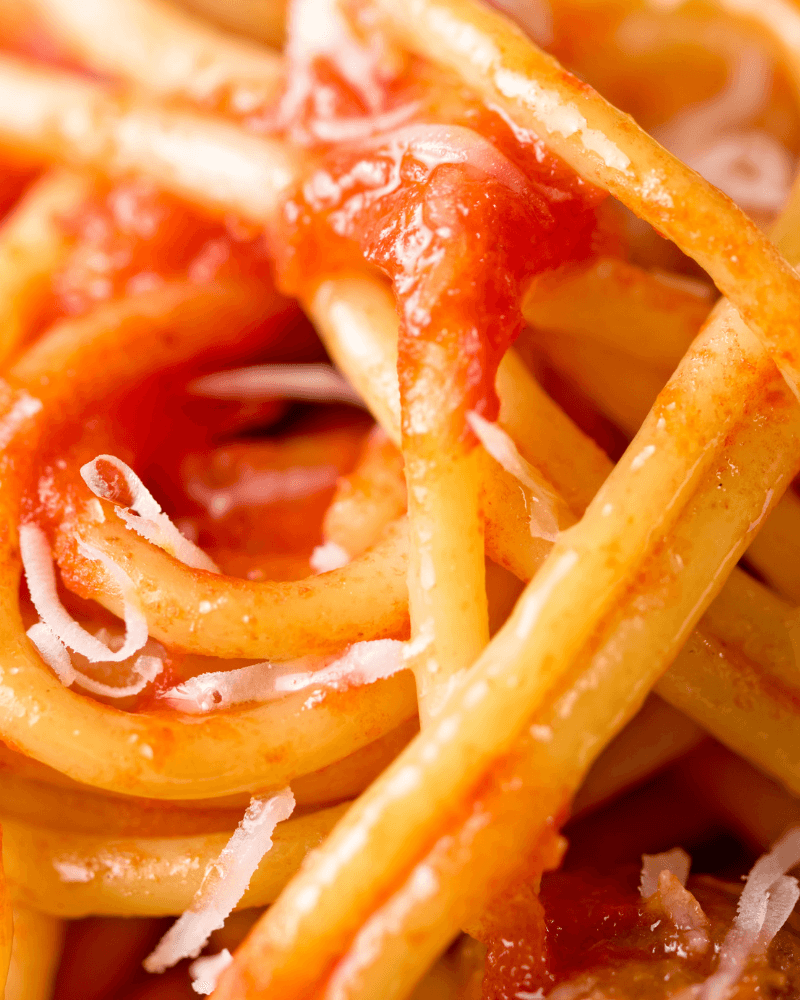
Amatriciana - local food

Amatriciana

Amatriciana is one of the most beloved pasta sauces of Roman cuisine. It is traditionally prepared with tomatoes, guanciale, Pecorino Romano cheese, and black or chili pepper. With its bold aroma and balanced flavor, it is considered one of Italy’s most iconic classics.

  • Hot
  • Pork
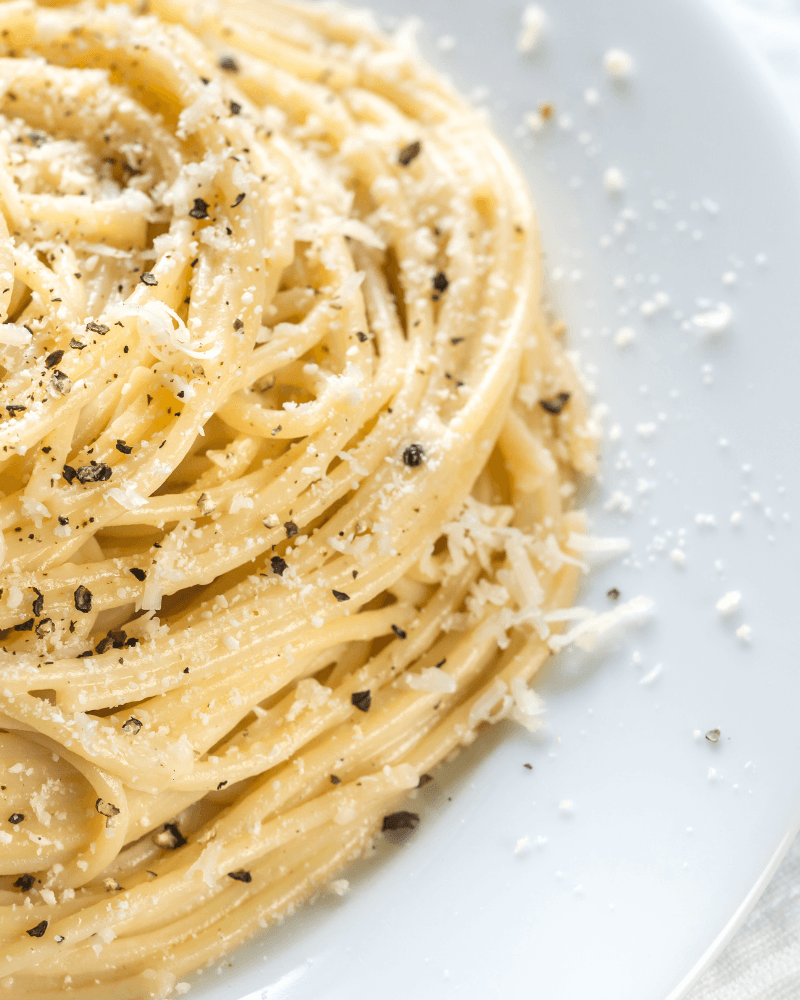
Cacio e Pepe - local food

Cacio e Pepe

Cacio e Pepe is one of the simplest yet most iconic pasta dishes of Roman cuisine. It is made with just Pecorino Romano cheese, black pepper, and pasta water. With very few ingredients, it delivers a rich flavor and showcases the mastery of Italian cuisine through simplicity.

  • Vegetarian
  • Hot
Carbonara - local food

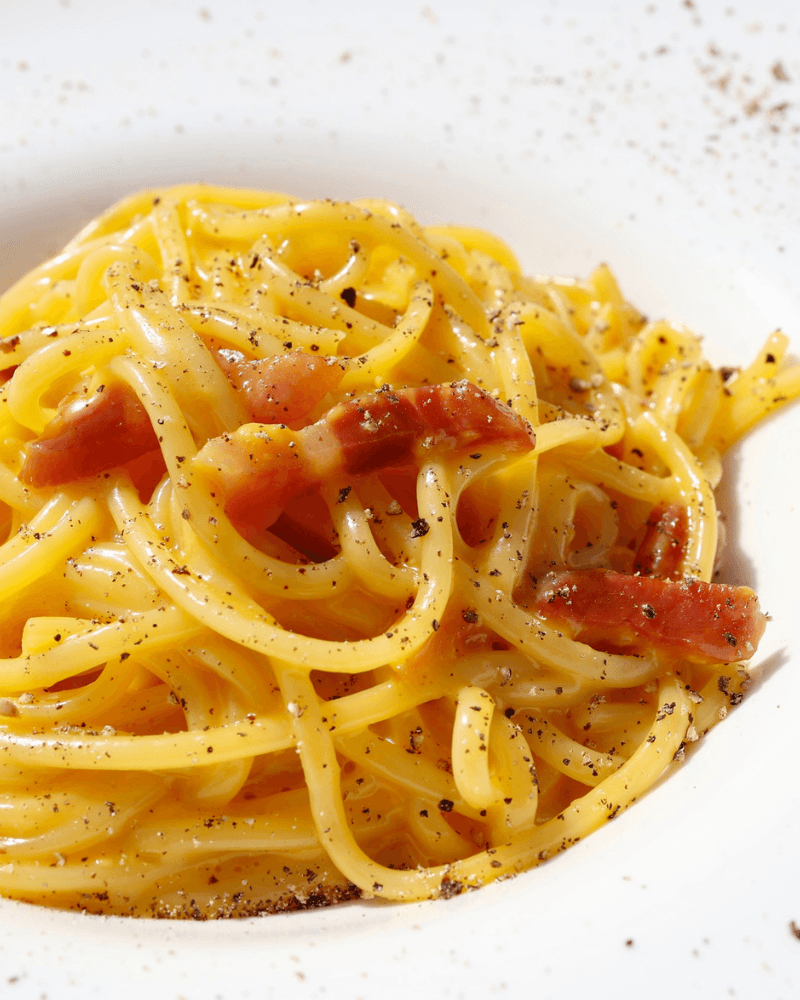
Carbonara

Carbonara is one of the most iconic pasta dishes of Roman cuisine. It is traditionally prepared with guanciale, egg, Pecorino Romano cheese, and black pepper. Made without cream in its authentic version, it stands out with its rich yet balanced flavor.

  • Pork
  • Hot
Trapizzino - local food

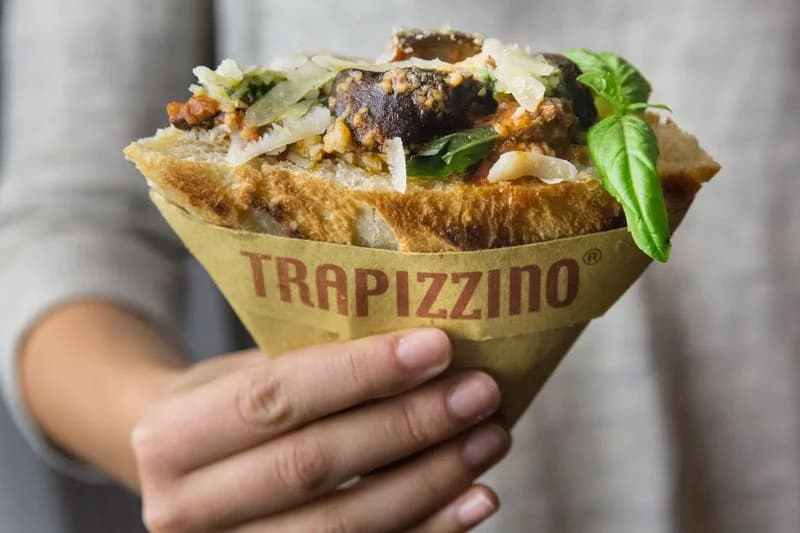
Trapizzino

Trapizzino is a modern Roman street food made from triangular pizza dough pockets filled with traditional Italian dishes such as meatballs, chicken cacciatore, or eggplant parmesan. It combines pizza and sandwich culture into a portable and flavorful snack.

  • Street Food
  • Local Food
  • Hot
Pajata - local food

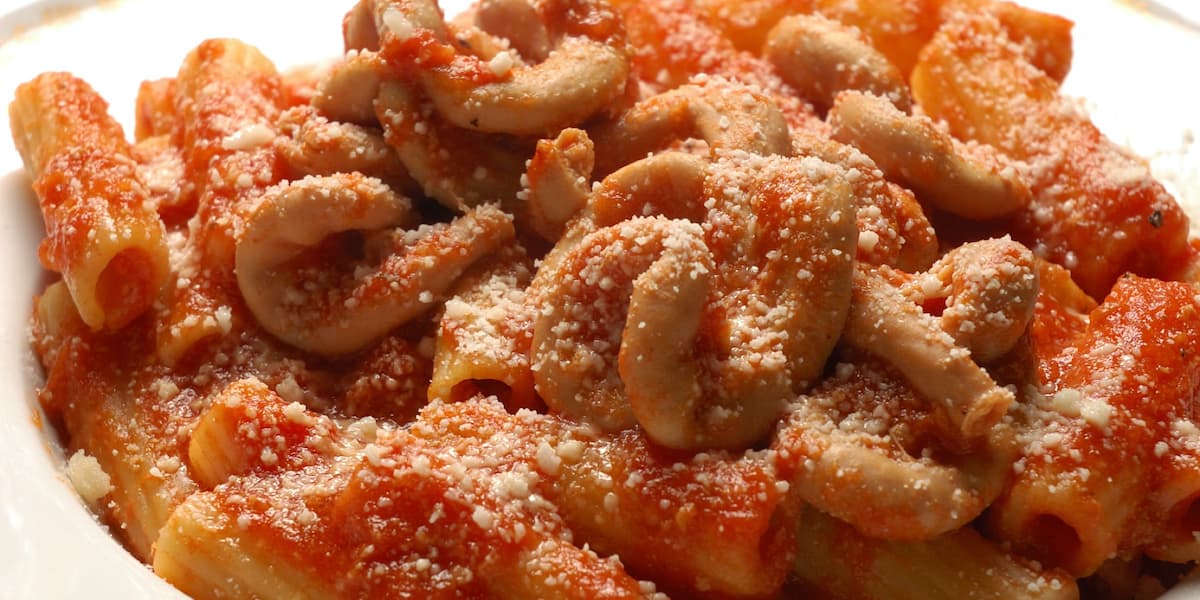
Pajata

Pajata is a traditional Roman dish made from the intestines of unweaned calf, typically cooked with tomato sauce and served with pasta such as rigatoni. It is considered one of the most distinctive examples of Rome’s quinto quarto cuisine.

  • Pasta
  • Hot
  • Meat
  • Local Food
Trippa - local food

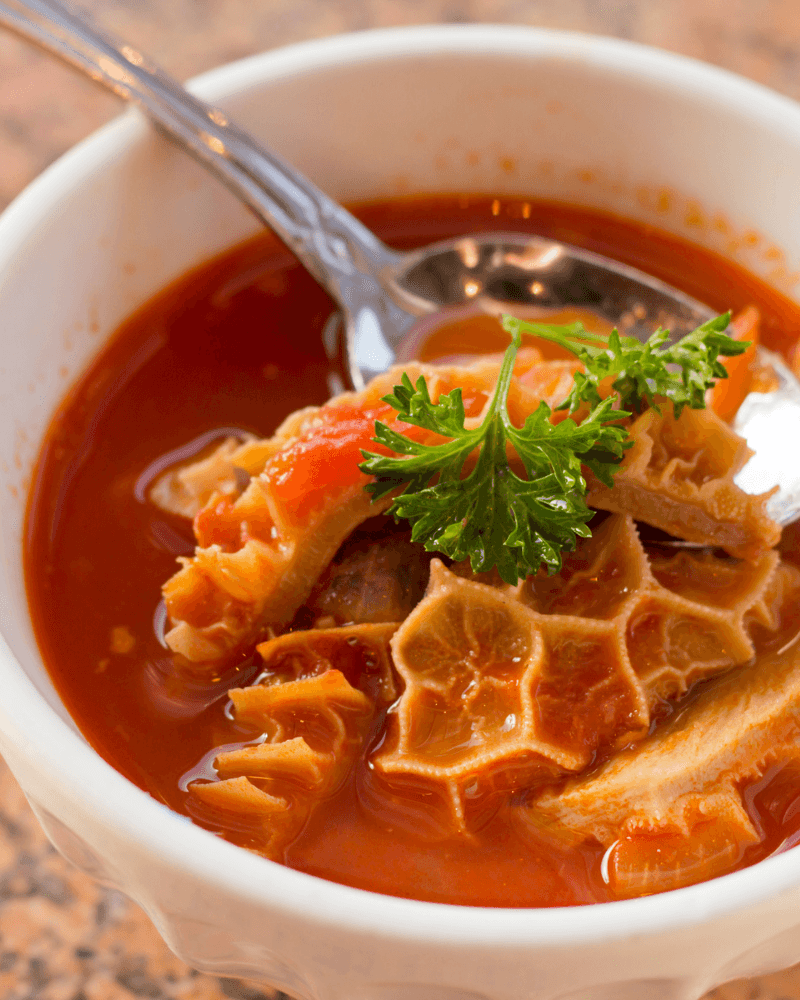
Trippa

Trippa is a traditional Italian tripe dish made from slow-cooked beef stomach, usually prepared with tomato sauce, vegetables, herbs, and pecorino cheese. In Rome, it is especially known as a classic comfort food with deep roots in local cuisine.

  • Local Food
  • Meat
  • Hot
Pecorino Romano - local food

Pecorino Romano

Pecorino Romano is a famous hard Italian cheese made from sheep’s milk, known for its salty and sharp flavor. Traditionally associated with Rome and the Lazio region, it is widely used in classic pasta dishes such as Cacio e Pepe and Carbonara.

  • Vegetarian
  • Local Food