Historical Journey
Germany’s history has played a major role in the political, scientific, and cultural development of Europe, from the Holy Roman Empire to the modern Federal Republic of Germany. In ancient times, these lands were inhabited by Germanic tribes, and during the Middle Ages they became one of the central regions of the Holy Roman Empire. For centuries, the German world consisted of various principalities, kingdoms, and city-states that greatly influenced Europe in trade, philosophy, science, and engineering.
During the 18th and 19th centuries, Germany emerged as an important cultural center in music, literature, and intellectual thought. Figures such as Johann Wolfgang von Goethe, Ludwig van Beethoven, and Johann Sebastian Bach strengthened the global influence of German culture. At the same time, the country rapidly developed through the Industrial Revolution and became one of Europe’s leading economic powers. In 1871, the modern German Empire was established through the unification of the German states.
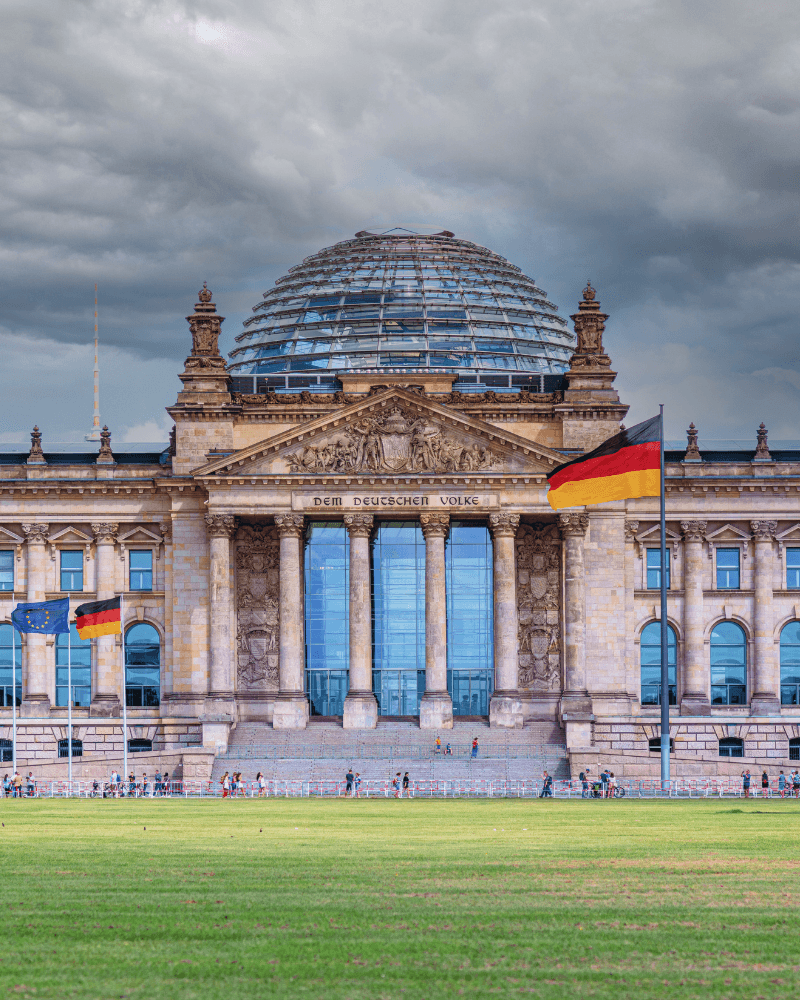
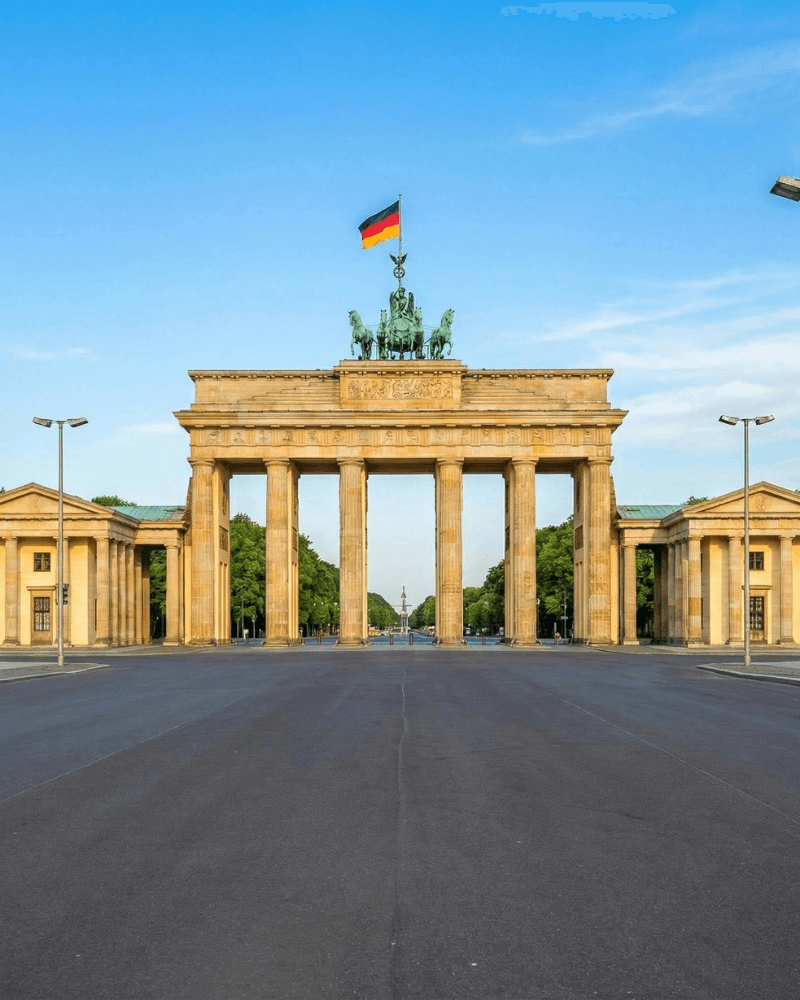
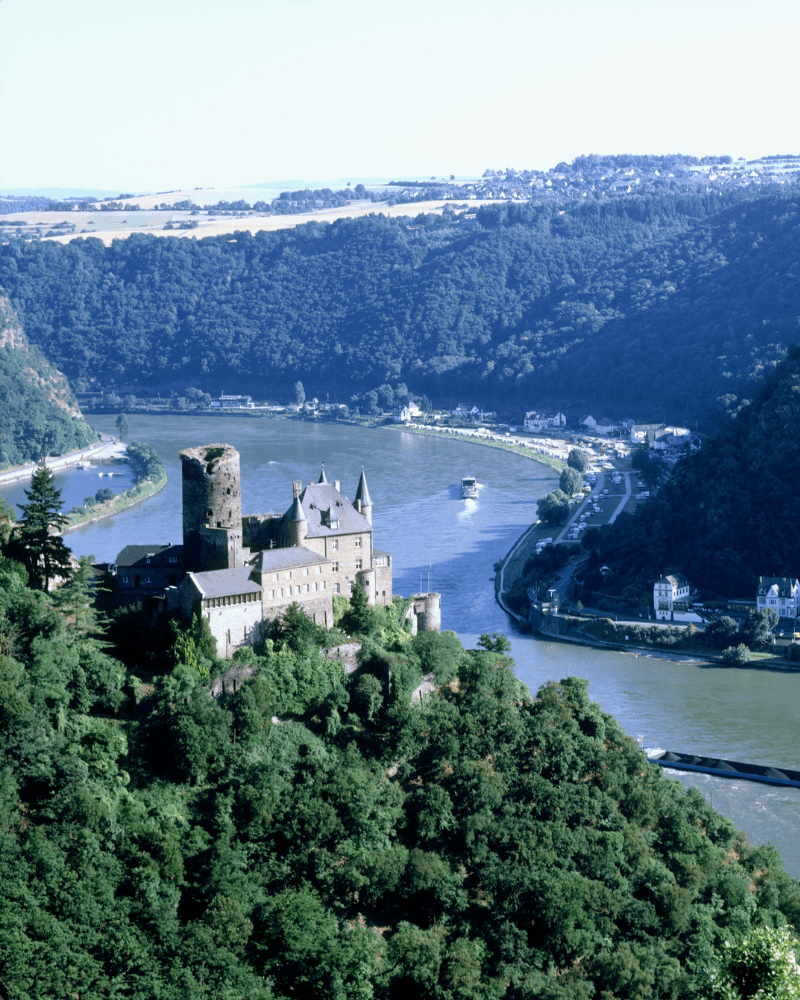
In the 20th century, Germany stood at the center of both World War I and World War II, and after the wars the country was divided into East and West Germany. Following the fall of the Berlin Wall in 1990, Germany was reunified and became one of the strongest economies in Europe. Today, Germany is known for its historic cities, castles, museums, scientific achievements, and modern lifestyle, combining a rich historical legacy with innovation and progress.