City Guide

İstanbul Travel Guide

Türkiye

Connecting Europe and Asia, Istanbul is one of the world's most fascinating cultural and historical cities, famous for Hagia Sophia, Topkapi Palace, the Grand Bazaar, and the Bosphorus.

İstanbul, Türkiye city travel guide

Must-See Places in İstanbul

Discover the landmarks, historic sites, natural highlights, and memorable places worth seeing in İstanbul.

Maiden’s Tower place to visit

Tower

Maiden’s Tower

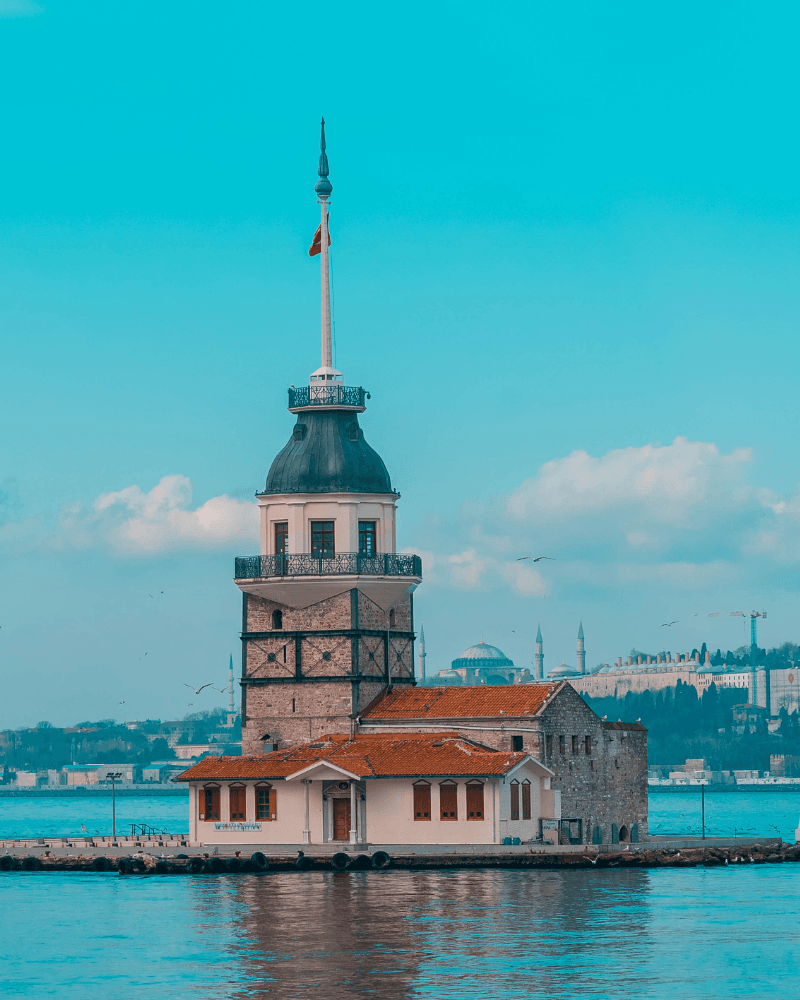
Located on a small islet at the entrance of the Bosphorus, the Maiden’s Tower is one of Istanbul’s most iconic landmarks. Dating back to the Byzantine era, the structure has served as a defense point, lighthouse, and watchtower throughout history. With its legends, romantic silhouette, and Bosphorus views, it remains one of the city's most distinctive attractions.

  • Architecture
  • Photo Spot
  • Cafe Spot
Topkapi Palace place to visit

Museum

Topkapi Palace

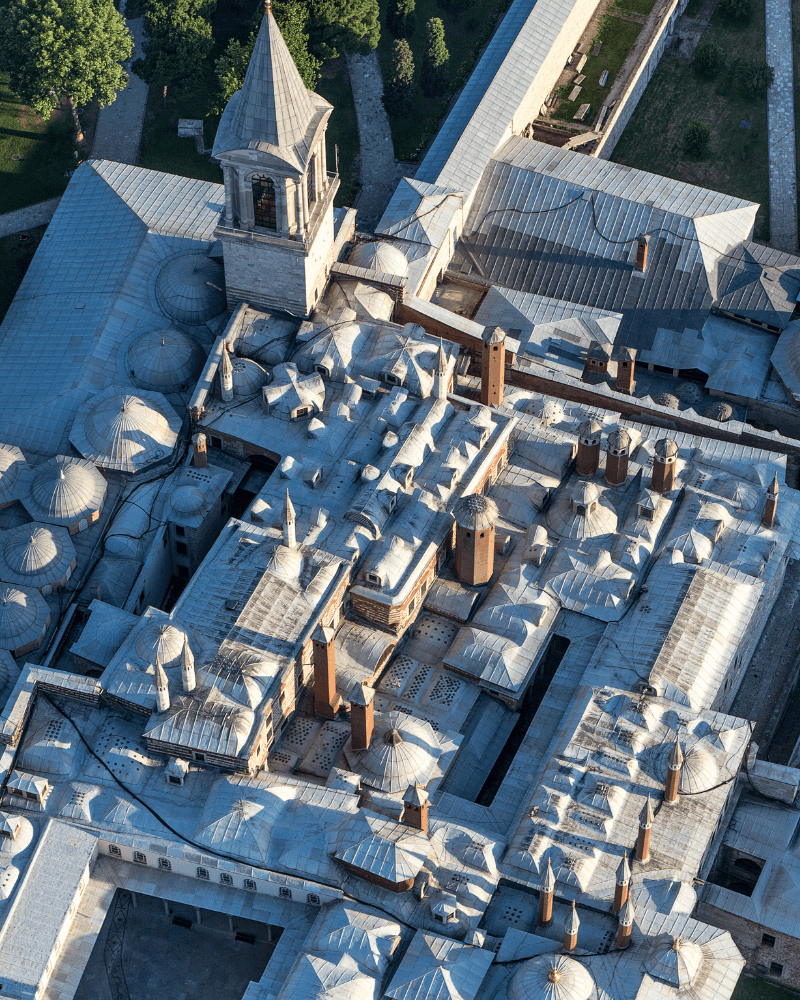
Topkapi Palace served as the administrative center of the Ottoman Empire and the official residence of Ottoman sultans for nearly 400 years. Overlooking the Bosphorus and the Golden Horn in Istanbul, the palace is one of Türkiye's most important historical landmarks, known for its courtyards, imperial treasures, sacred relics, and rich Ottoman architecture.

  • Ticketed
  • Architecture
  • Museum
Hagia Sophia place to visit

Mosque

Hagia Sophia

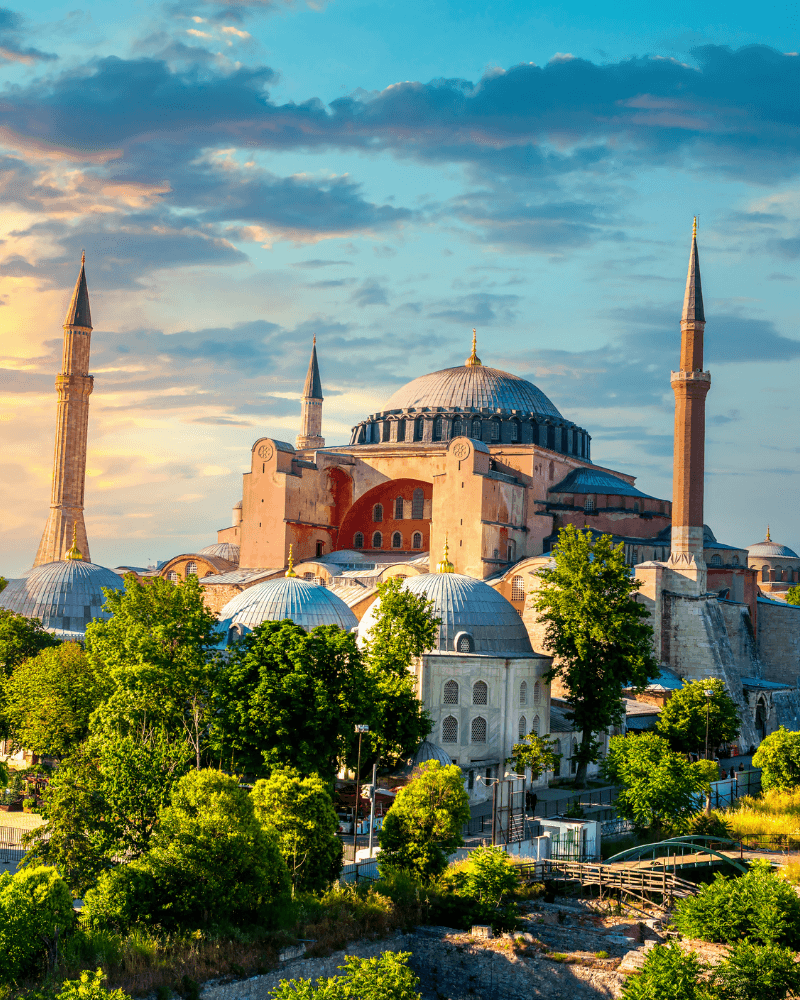
Hagia Sophia is one of Istanbul’s and the world’s most significant architectural landmarks. Originally built as a cathedral during the Byzantine Empire in the 6th century, the structure was later converted into a mosque and continues today as an active historic monument open for worship. With its massive dome, mosaics, and centuries of history, Hagia Sophia uniquely reflects both Byzantine and Ottoman heritage.

  • Ticketed
  • Mosque
  • Architecture
Blue Mosque place to visit

Mosque

Blue Mosque

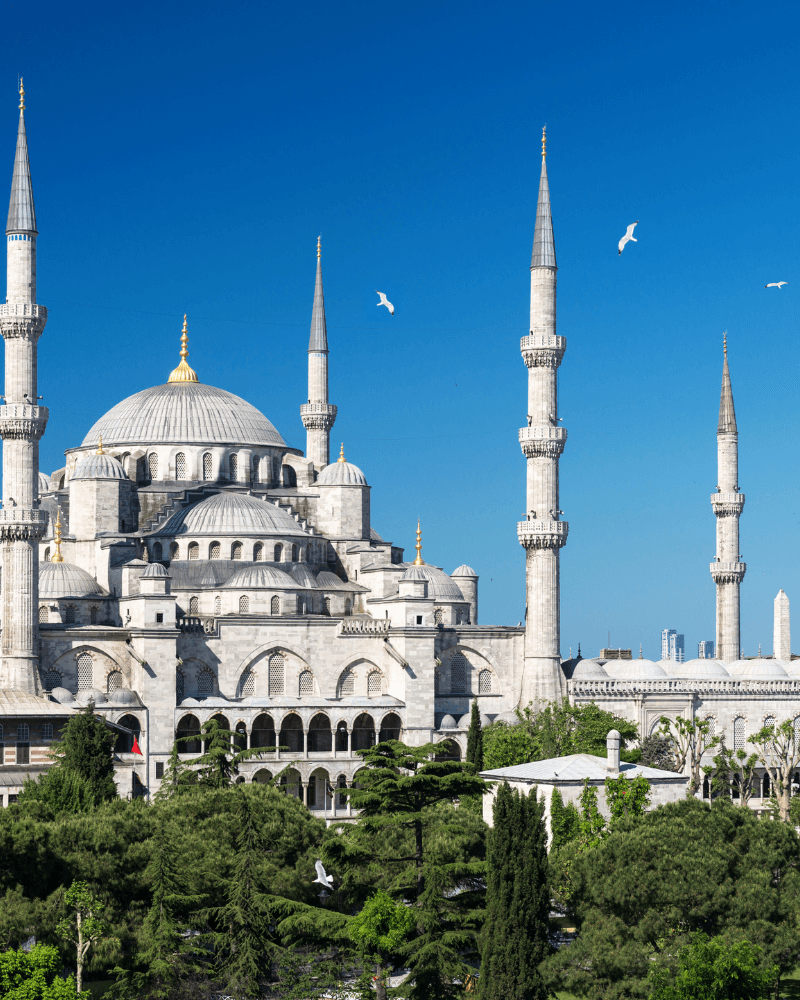
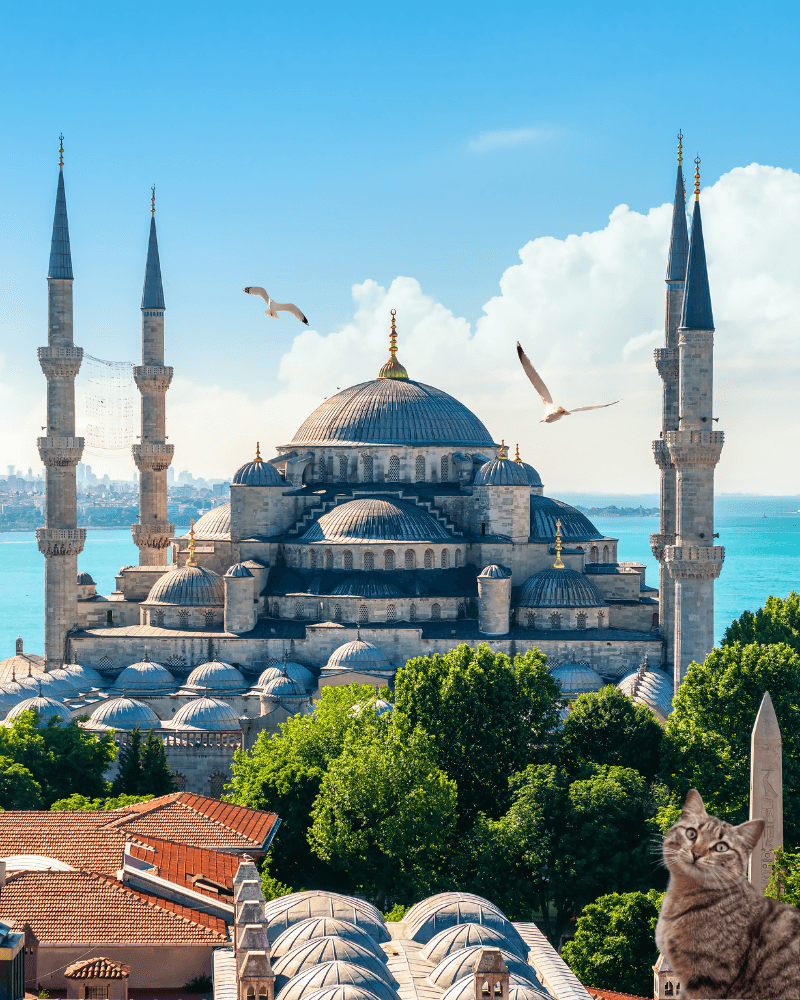
The Blue Mosque is one of Istanbul’s most iconic landmarks and a masterpiece of classical Ottoman architecture. Built in the 17th century, the mosque is internationally known for its six minarets, grand domes, and blue İznik tiles decorating its interior. Located opposite Hagia Sophia, it remains both an active mosque and one of the city’s most visited historical attractions.

  • Mosque
  • Architecture
  • Religious Site
Suleymaniye Mosque place to visit

Mosque

Suleymaniye Mosque

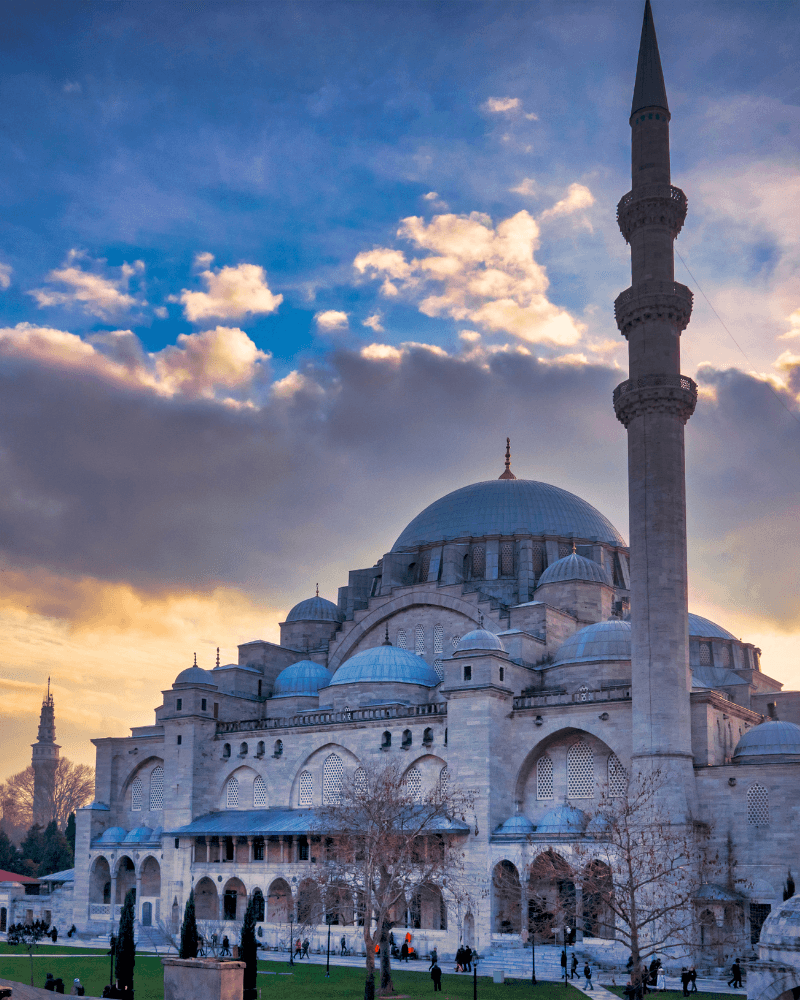
Commissioned by Sultan Süleyman the Magnificent and designed by Mimar Sinan, the Süleymaniye Mosque was constructed between 1550 and 1557 and became one of the defining masterpieces of Classical Ottoman architecture. Rising on Istanbul’s Third Hill, it dominates the Golden Horn and forms an essential part of the Historic Peninsula’s skyline. The mosque stands at the heart of a much larger complex that originally included madrasas, a public kitchen, a bath and other social institutions. While exploring the courtyard and surrounding complex, notice how Sinan combined monumental scale with remarkable visual balance and restraint. The tombs of Süleyman the Magnificent and Hürrem Sultan also make the complex an important place for understanding Ottoman imperial history. Süleymaniye and its surrounding conservation area form part of the UNESCO-listed Historic Areas of Istanbul.

  • Mosque
  • Architecture
  • Photo Spot
Dolmabahçe Palace place to visit

Museum

Dolmabahçe Palace

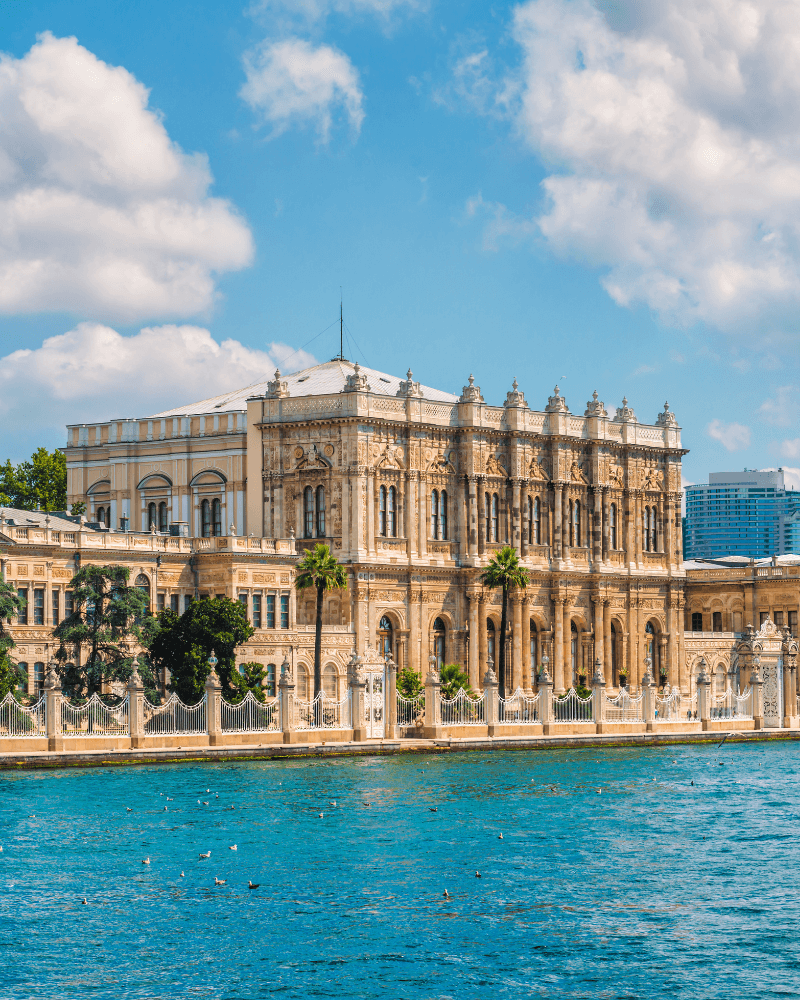
Standing directly on the shores of the Bosphorus, Dolmabahçe Palace was built between 1843 and 1856 during the reign of Sultan Abdülmecid and became the main administrative residence of the Ottoman Empire after Topkapı Palace. Its architecture combines traditional Ottoman palace culture with strong Baroque, Rococo and Neoclassical European influences, making it one of the best places in Istanbul to understand the transformation of the empire during the 19th century. Highlights include the monumental Ceremonial Hall, elaborate ceilings, crystal chandeliers and richly decorated rooms overlooking the Bosphorus. Mustafa Kemal Atatürk also used the palace during the Republican era and died here on 10 November 1938. Beyond its lavish interiors, the palace offers a fascinating look at how the late Ottoman Empire expressed modernization and its changing relationship with Europe.

  • Ticketed
  • Neo-Classical
  • Architecture
Galata Tower place to visit

Tower

Galata Tower

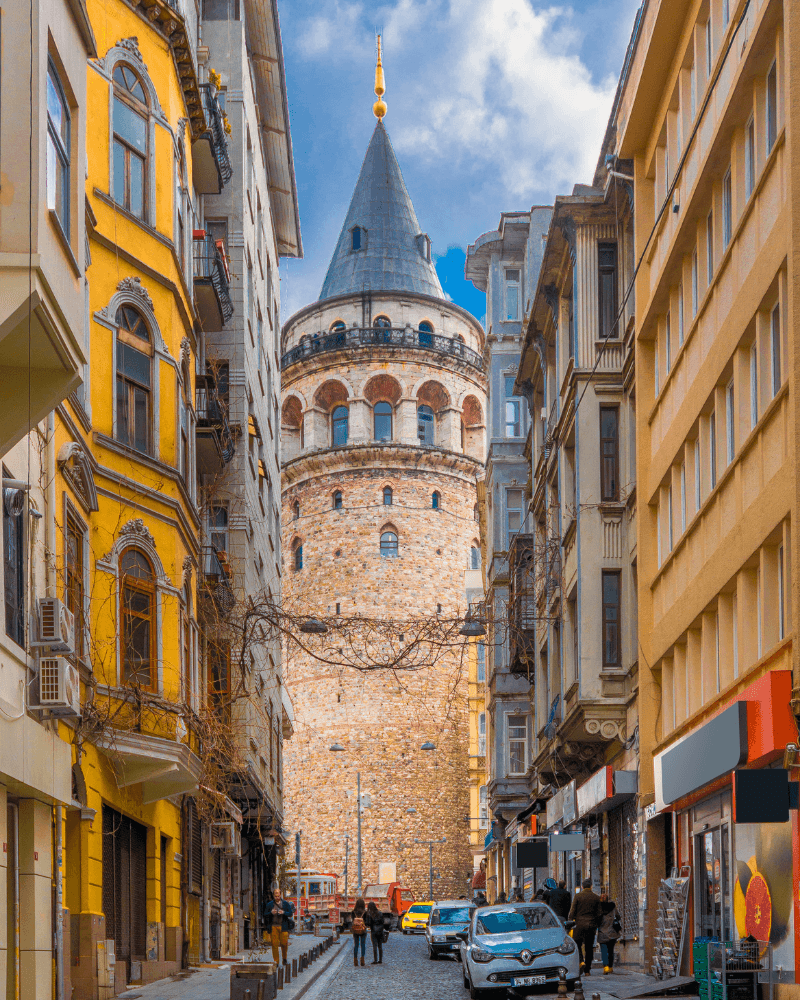
One of the most recognizable landmarks on Istanbul’s skyline, Galata Tower was built in the mid-14th century during the period of the Genoese colony in Galata. Over the centuries, it served several purposes, including as a watchtower and fire observation tower, and today operates as a museum. The experience is not only about seeing the tower itself: from its observation level, visitors can take in the Golden Horn, the Bosphorus, the Historic Peninsula and the layered urban landscape of Istanbul. As you approach through Galata’s narrow streets, notice how dramatically the tower rises above the surrounding historic neighborhood.

  • Ticketed
  • Architecture
  • Photo Spot
Hagia Irene place to visit

Church

Hagia Irene

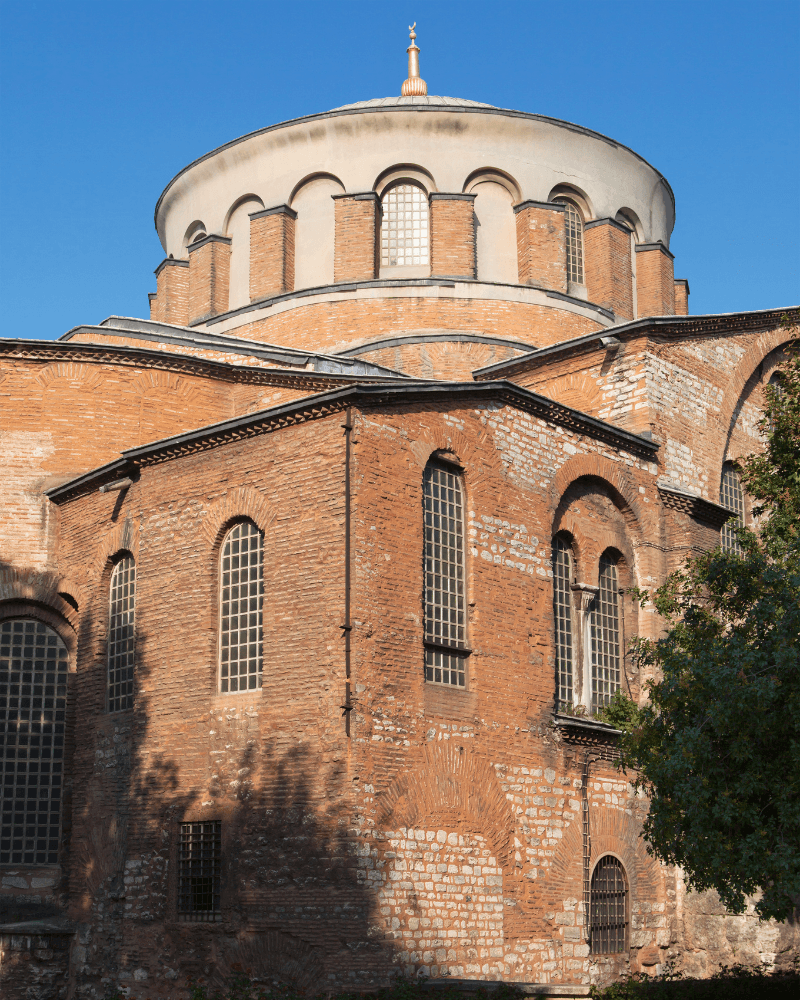
Located in the first courtyard of Topkapı Palace, Hagia Irene is one of Istanbul’s oldest surviving Byzantine churches. The first church was built in the 4th century during the reign of Emperor Constantine and was later rebuilt under Emperor Justinian I after being damaged during the Nika Revolt of 532. Its name means “Holy Peace.” Unlike many other Byzantine churches in Istanbul, Hagia Irene was never converted into a mosque after the Ottoman conquest. Instead, it was used as an arsenal and later housed one of the Ottoman Empire’s earliest museum collections. Inside, the simple cross in the apse and the surviving atrium are particularly notable. Hagia Irene offers a rare opportunity to experience the architectural and historical layers connecting Byzantine Constantinople with Ottoman Istanbul.

  • Ticketed
  • Architecture
  • Religious Site
Grand Bazaar place to visit

Bazaar

Grand Bazaar

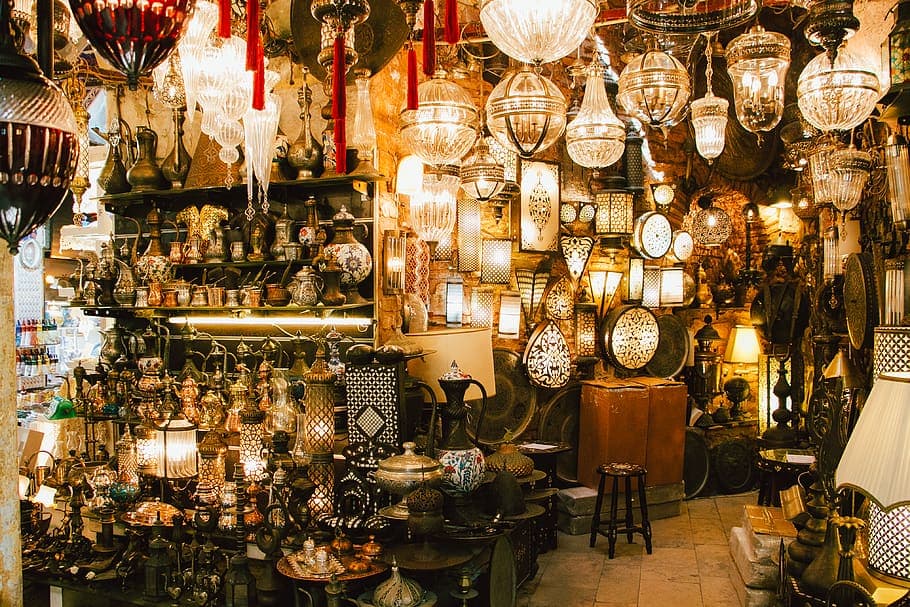
Located in Istanbul’s Historic Peninsula, the Grand Bazaar began to take shape in the 15th century during the reign of Sultan Mehmed II and expanded over the centuries into one of the world’s largest historic covered market complexes. Its maze-like streets are filled with jewelers, carpet shops, leather merchants, antique dealers and traditional crafts. More than a shopping destination, the Grand Bazaar is a living continuation of Istanbul’s centuries-old commercial culture. While exploring, look beyond the storefronts and notice the old hans, vaulted passages, fountains and street names that reveal how trade shaped everyday life in Ottoman Istanbul.

  • Architecture
  • Photo Spot
  • Cultural Landmark
Spice Bazaar place to visit

Bazaar

Spice Bazaar

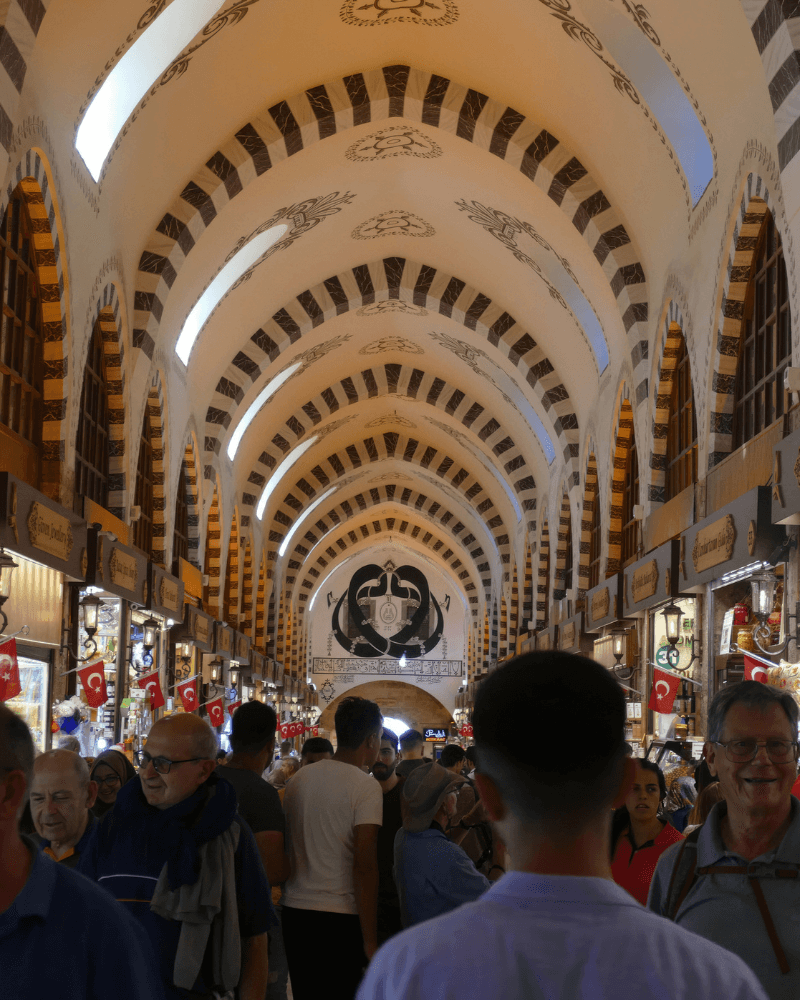
Located in Eminönü beside the New Mosque, the Spice Bazaar was built in the 17th century as part of the New Mosque complex. Its Turkish name, “Egyptian Bazaar,” is traditionally associated with the revenues and trade connections coming from Egypt during the Ottoman period. For centuries, the market served as an important center for spices, medicinal herbs, dried fruits and goods arriving in Istanbul from different regions. Today, its fragrant spice stalls, Turkish delight, teas, nuts and traditional products continue this historic trading culture. Beyond shopping, the bazaar offers a vivid glimpse into Istanbul’s long-standing role as a meeting point between Eastern and Western trade routes.

  • Architecture
  • Photo Spot
  • Shopping
Yıldız Palace place to visit

Museum

Yıldız Palace

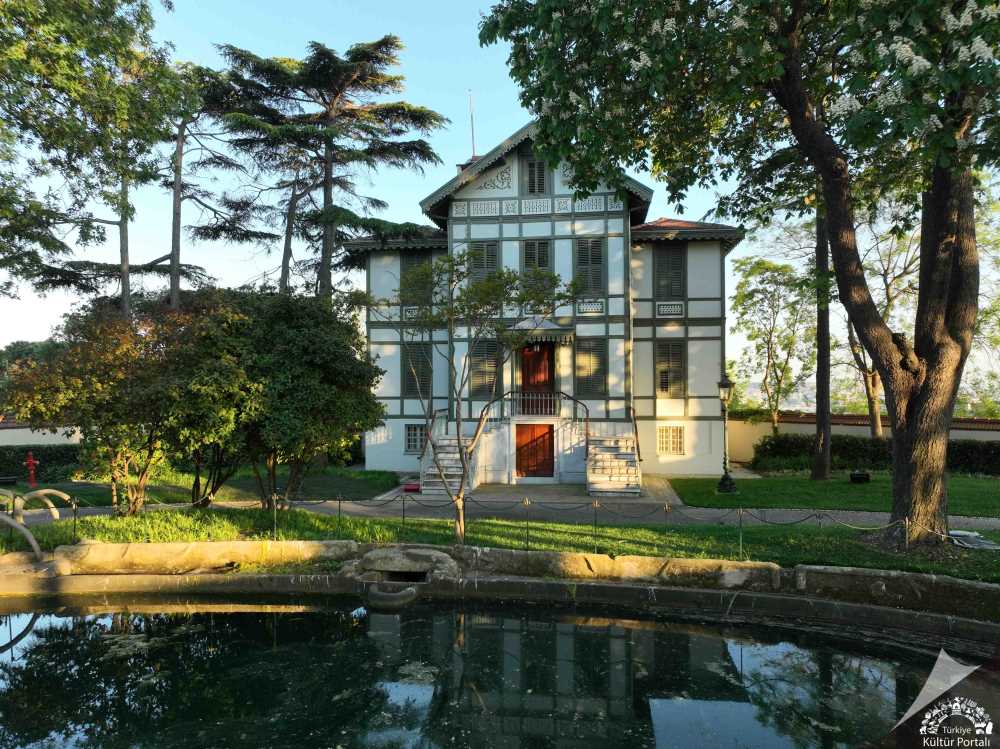
Spread across Yıldız Hill in Beşiktaş, Yıldız Palace is the last major palace complex built by the Ottoman Empire in Istanbul. It took much of its present form during the reign of Sultan Abdülhamid II and served for approximately 33 years as both the Sultan’s residence and a major administrative center of the empire. Rather than a single monumental building, Yıldız is a vast complex of pavilions, administrative buildings, residential quarters, gardens and specialized structures. Exploring places such as the Büyük Mabeyn Pavilion, Küçük Mabeyn Pavilion, Çit Pavilion and the imperial gardens offers a closer look at palace life and government during the late Ottoman period. Unlike the more formal grandeur of Dolmabahçe Palace, Yıldız feels like an extensive imperial campus woven into its surrounding landscape.

  • Ticketed
  • Architecture
  • Photo Spot
Istanbul Archaeological Museums place to visit

Museum

Istanbul Archaeological Museums

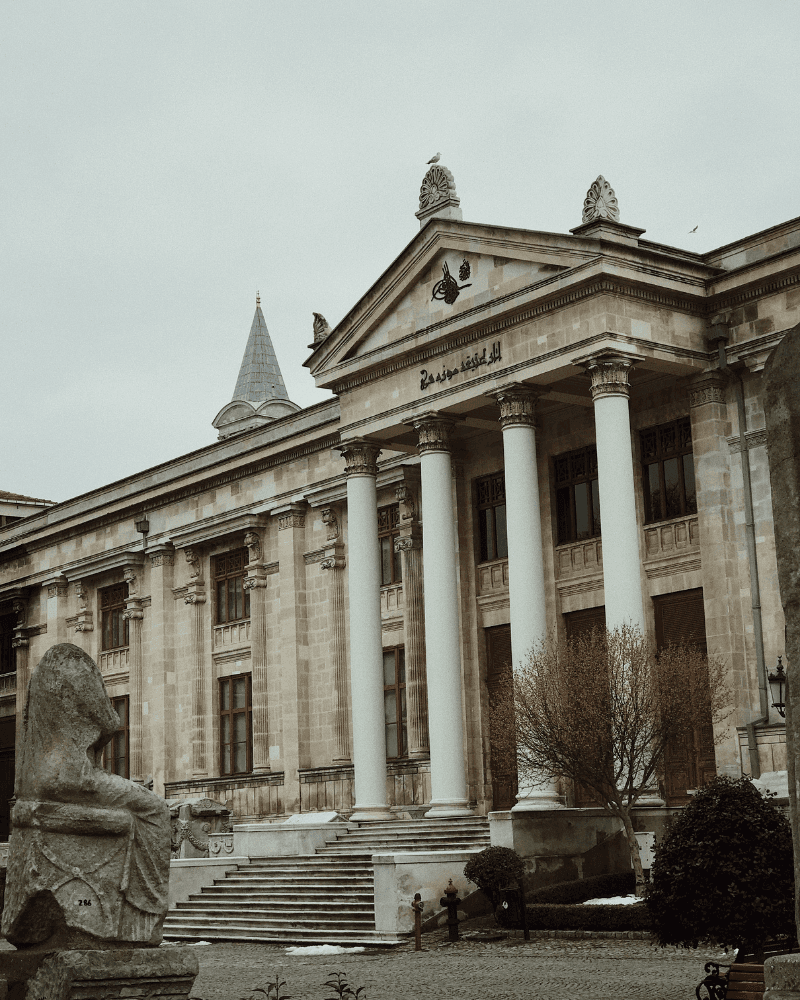
Located beside Topkapı Palace, the Istanbul Archaeological Museums house an extensive collection of artifacts from Anatolia, Mesopotamia, Egypt and the wider Greek and Roman worlds. Archaeologist and painter Osman Hamdi Bey played a central role in the institution’s development after becoming museum director in 1881, while the main museum building designed by Alexandre Vallaury opened in 1891. Among its most celebrated treasures are the world-famous Alexander Sarcophagus, the Sarcophagus of the Mourning Women and other monumental finds uncovered during Osman Hamdi Bey’s excavations at Sidon. Rather than viewing the collection simply as a series of ancient objects, the museum is best experienced as a journey through the many civilizations that shaped the lands surrounding Istanbul and the former Ottoman Empire.

  • Ancient Civilization
  • Ticketed
  • Anatolian Culture

Things to Do in İstanbul

Discover activities, local experiences, and memorable events to enjoy while exploring İstanbul.

Istanbul Jazz Festival
July

Istanbul Jazz Festival

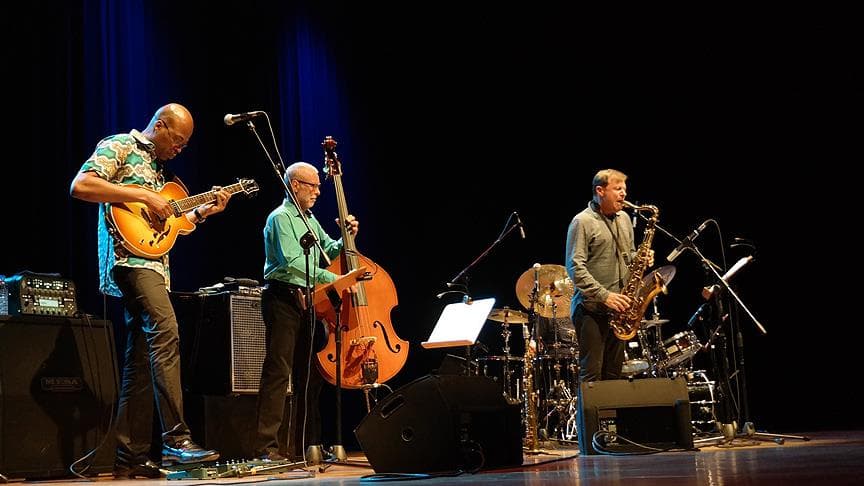
Istanbul Jazz Festival is a prestigious music festival held every July, welcoming artists from around the world. Alongside jazz performances, the festival features funk, soul, blues and world music concerts at Istanbul’s historic venues and open-air stages.

Ticket May Be Required
Istanbul Film Festival
April

Istanbul Film Festival

Istanbul Film Festival is one of Turkey’s most established international film events, held annually in April. The festival brings together outstanding examples of world cinema, independent productions, special screenings and filmmaker talks with movie enthusiasts.

Ticket May Be Required
Istanbul Biennial
September - November

Istanbul Biennial

Istanbul Biennial is regarded as one of the world’s leading international contemporary art events. Held every two years, the biennial brings together exhibitions, installations, performances and public art projects across Istanbul’s historic and cultural venues.

Ticket May Be Required
Akbank Jazz Festival
September - October

Akbank Jazz Festival

Akbank Jazz Festival is one of Turkey’s leading jazz events, held annually in Istanbul. In addition to jazz performances, the festival brings together funk, electronic, soul and experimental music with audiences. Concerts, workshops and artist talks are key parts of the festival program.

Ticket May Be Required
Istanbul Theatre Festival
October - November

Istanbul Theatre Festival

Istanbul Theatre Festival is one of Turkey’s leading performing arts events, held annually in Istanbul. The festival brings together local and international theatre companies, contemporary performances, dance shows and experimental stage productions with audiences.

Ticket May Be Required