Ancient Ruins
Ancient City of Laodikeia
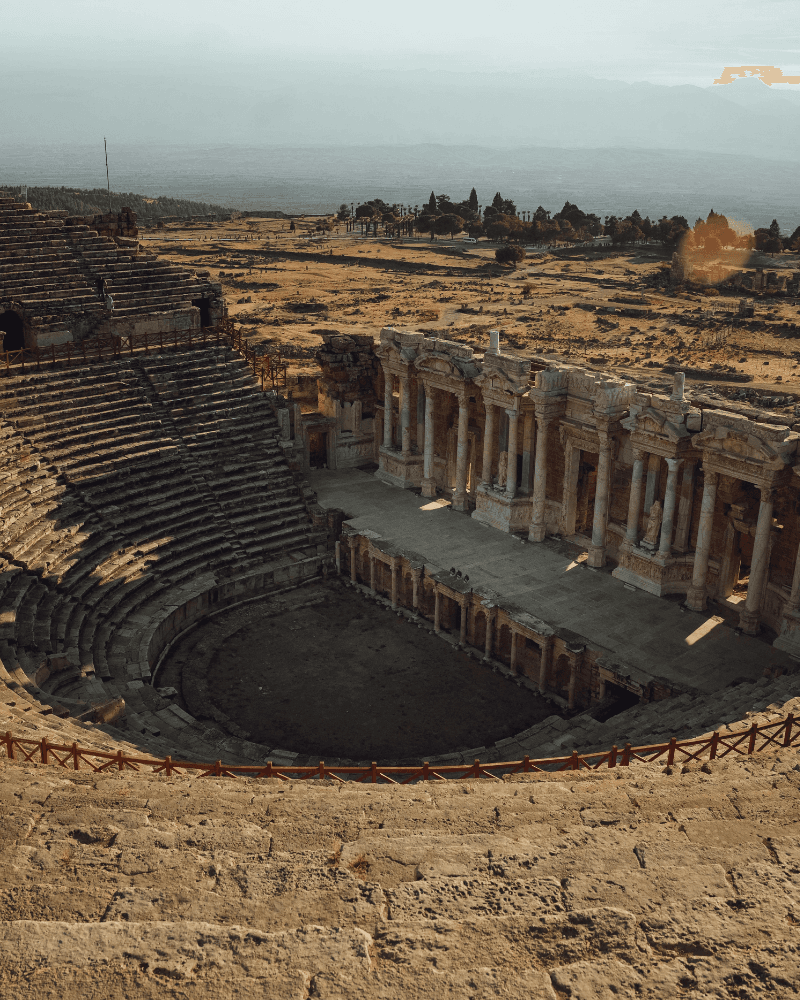
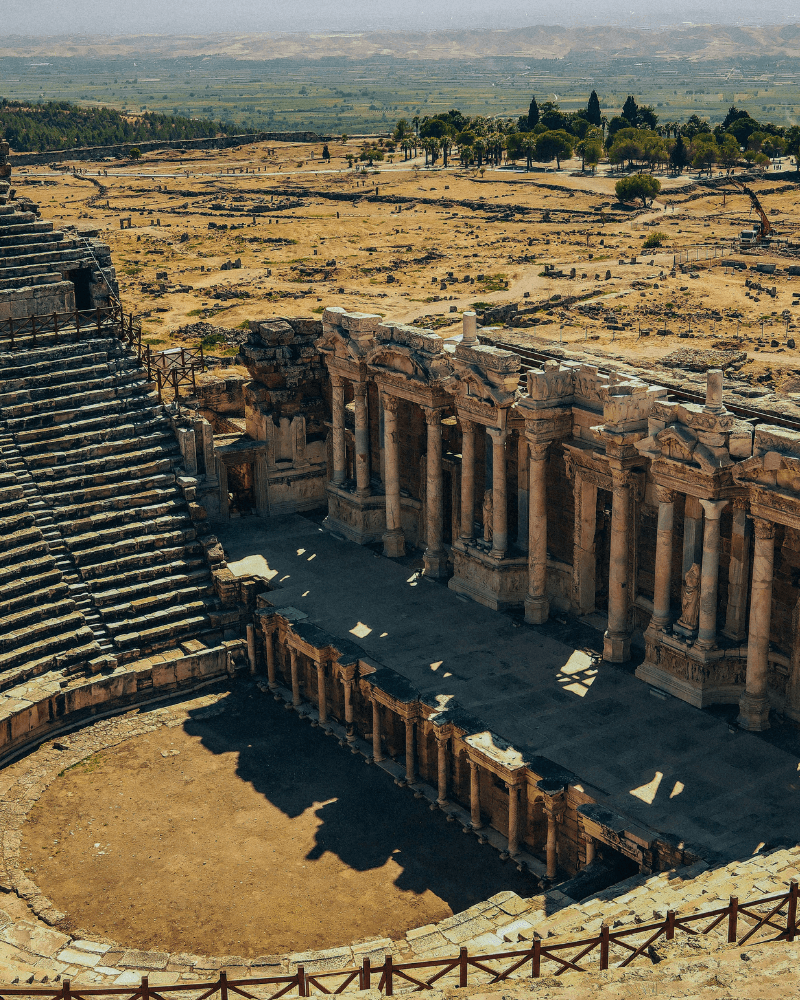
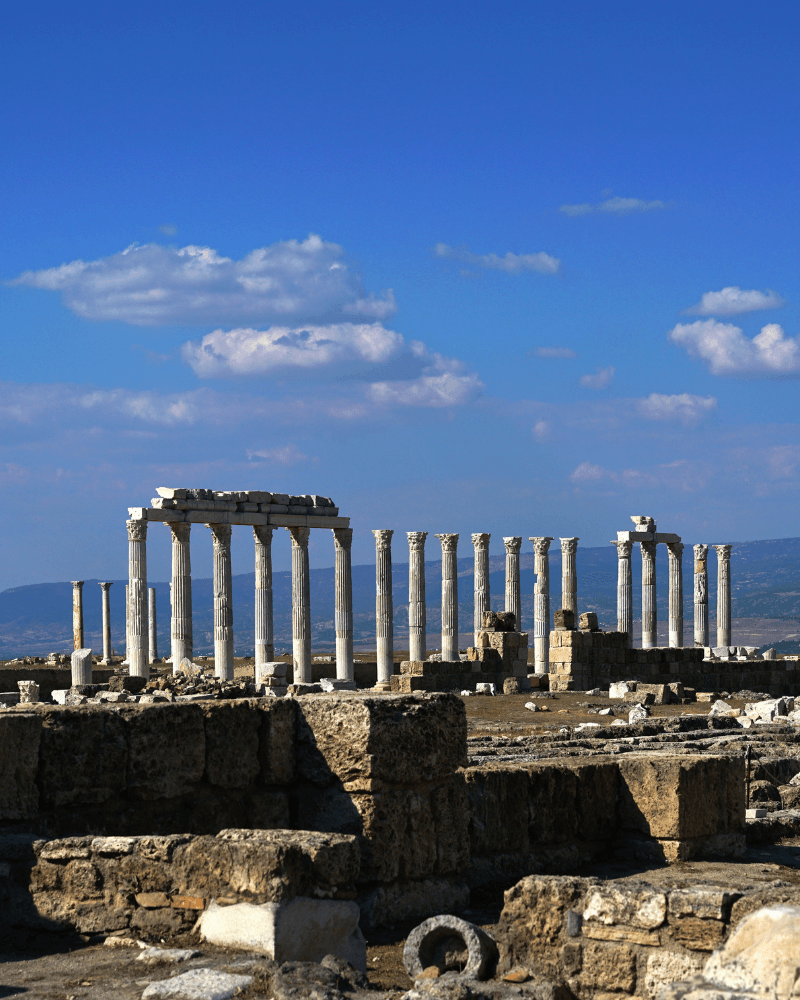
Located approximately 6 kilometers north of modern Denizli in the Lycus (Çürüksu) Valley, Laodikeia was one of the most important cities of ancient western Anatolia. Although archaeological evidence shows that settlement in the area dates back to the Chalcolithic Period, around 5500 BCE, the Hellenistic city was founded in the mid-3rd century BCE by the Seleucid king Antiochus II and named after his wife, Laodike. The region came under Roman rule in 130/129 BCE, and Laodikeia experienced its greatest prosperity between the 1st and 5th centuries CE. Its strategic position at the crossroads of routes connecting western, central and southern Anatolia helped transform the city into a major center of commerce, production, art and culture, with textile manufacturing and trade playing an especially important role in its wealth. Covering an area of roughly five square kilometers, Laodikeia was organized according to a Hippodamian grid plan. Visitors can explore monumental colonnaded streets, agoras, temples, bath complexes, fountains, a bouleuterion, necropoleis, residential buildings, two theatres and one of Anatolia's largest ancient stadiums. The city's infrastructure is equally remarkable: water was carried from springs around eight kilometers away through systems of travertine and terracotta pipes, including an advanced pressurized siphon system that demonstrates the city's sophisticated hydraulic engineering. Laodikeia also holds exceptional significance in the history of early Christianity. It was one of the Seven Churches of Asia addressed in the Book of Revelation and later developed into an important religious and pilgrimage center during the Early Byzantine period. The Laodikeia Church, dating to the age of Constantine the Great, is particularly notable for its basilican plan, mosaics, opus sectile floors and frescoes. Repeatedly damaged and rebuilt after earthquakes, the city was gradually abandoned following a major earthquake in the early 7th century CE. The Archaeological Site of Laodikeia has been included on the UNESCO World Heritage Tentative List since 2013.
- Ancient Civilization
- Ticketed
- Architecture